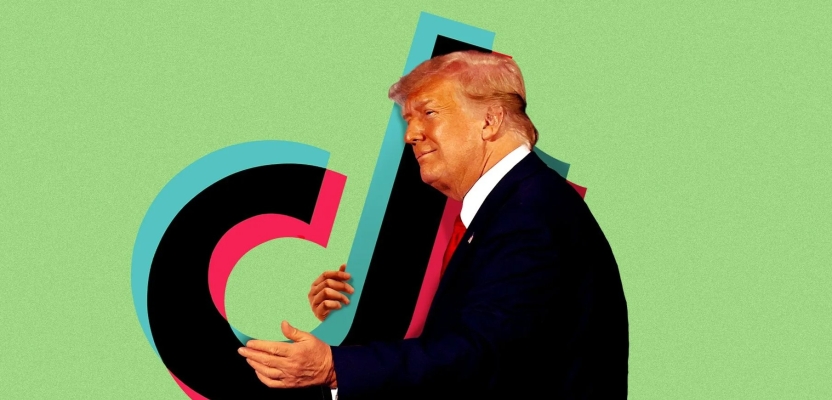
Since its 2016 launch, TikTok has surged from a viral playground for lip-sync videos to a cultural and advertising powerhouse, shaping global trends and amassing over 1 billion monthly users. Yet its meteoric rise now faces an existential threat as geopolitical tensions and U.S. regulatory scrutiny push parent company ByteDance toward an ownership reckoning.
For brands that have leaned into TikTok’s unparalleled ability to forge authentic connections through hyper-personalized content, the platform’s potential ban poses a stark challenge: How can marketers adapt if a cornerstone of their digital strategy vanishes overnight? Gonca Bubani, Global Thought Leadership Director for Media at Kantar, underscores the urgency of this moment.

After months of uncertainty, countless discussions in the Supreme Court and even a 12-hour blackout, TikTok’s future hangs in the balance as parent company ByteDance scrambles to find an ownership solution in the next few months.
The platform quickly became a key player after it launched in 2016, so much so that it was downloaded by 80 million users in the U.S in just two years. Not only does it wield a strong global cultural influence, shaping how people create and consume content both on its own platform and on established channels like TV and other social media, it has fast become a powerful way for brands to connect with communities around the world.
And despite U.S. President Donald Trump postponing the ban shortly after his inauguration, the possibility of TikTok going dark further down the line is still on the table and, if realised, would be a major setback for advertisers, not just the app’s users and creators.
TikTok wins the popularity contest
The social media platform initially captured our attention with trending lip-sync dance videos. Fast-forward almost a decade and it has evolved into a place for self-expression for content creators in a myriad of fields, from makeup tutorials to cleaning tips, many of whom work directly with global brands.
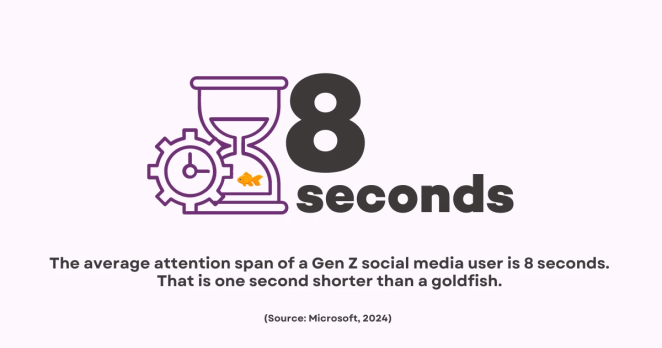
According to the IAB, Gen Z has an attention span of 8 seconds, a whole 4 seconds behind that of Gen Y, and prefers highly interactive, short-form content. But with as little as 31% of people globally stating that social media ads capture their attention, compared with 43% in 2023, it’s not just younger consumers who prefer ads which are fun, inspiring and engaging.
It’s the 25th most valuable brand of any kind in the world in 2024, with over 1 billion monthly active users. Yet, the uncertainty of TikTok’s future in the American market serves as a warning to advertisers to expect the unexpected. Brands and advertisers must be flexible, innovative and ready to embrace change to stay ahead. At the heart of this change is a question: can other platforms replicate the TikTok magic, or will brands have to rethink their entire digital strategy?
Déjà vu in adland
What truly sets TikTok apart is the way the platform tailors content to individuals’ interests. This has made it a goldmine for brands and advertisers. Ad revenue on the platform grew 19% year on year in 2024, and by 2026 is expected to reach $34.8bn globally. Ads on TikTok are seen by consumers to be exceptionally fun and entertaining, and it has taken the crown for having the most fun ads of any global media platform for five consecutive years in Kantar’s annual Media Reactions study.
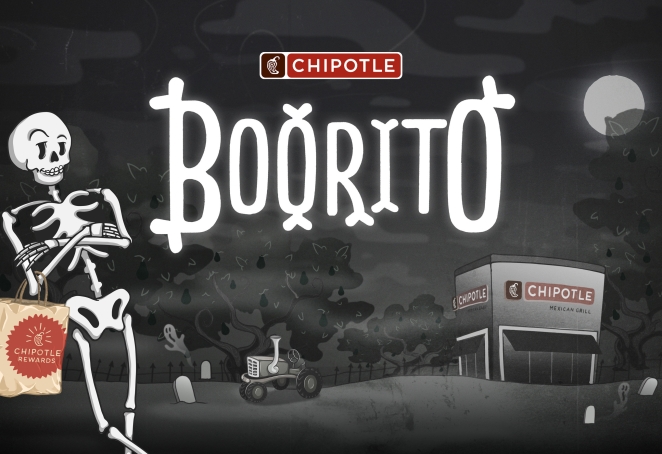
This makes room for a connection with consumers that feels fun and authentic. Chipotle’s #Boorito challenge (above) is a great example of a brand building genuine relationships with its audience by creating playful, behind-the-scenes content, encouraging people to take before and after shots of their Halloween costumes and partnering with creators to share authentic, relatable moments.
But TikTok doesn’t have a monopoly on engaging content. When India banned TikTok in 2020, this led to a major shake-up in the country’s media consumption. India was TikTok’s biggest market outside of China at the time, so it could have been a fatal blow for the platform’s global expansion plans.
In response, platforms like YouTube and Instagram stepped in to pick up TikTok’s audience – positioning their short-form formats as an alternative. Local competitors such as Chingari and Moj also emerged, hoping to grab a slice of consumers that had been left TikTok-less.
Could we see a similar shift if a U.S. ban is upheld, with platforms like Instagram, Snapchat and YouTube absorbing displaced users?
The India example shows that the major tech players are well placed to fill the gap created by a potential ban in the US. Instagram Reels is backed by Meta’s dominance in digital advertising and YouTube Shorts has a vast library of branded and user-owned content. Even so, TikTok has its own algorithm that has a strong impact on user experience and would be hard to replicate elsewhere.

We also saw the spike in U.S. users of Chinese-owned RedNote (above) in the aftermath of short TikTok outage in January and how strongly a part of TikTok’s US user base felt about having their access to the platform curtailed.
What businesses needs to do now to stay ahead
TikTok has enabled brands – big and small – to tap into viral moments, participate in cultural conversations and build real communities around their products and services. In Kantar’s annual Media Reactions study, TikTok was ranked as marketers’ #1 platform for future ad investment, with more than two-thirds of marketers planning to increase their ad spend in 2025. But with questions over its future in the US, now is the perfect time to plan for a world where TikTok isn’t available to all:
- Challenge assumptions and adopt a flexible approach: Formats like YouTube Shorts and Instagram Reels may seem like a natural alternative, but a wholesale shift to these platforms may not be the way to go. Each platform has its unique strengths and limitations, requiring brands to rethink their assumptions about the best way to reach their audience. Make sure your decisions are informed by the latest data on the reach and specific strengths of different platforms, not just a hunch.
- Intentionally diversify your media mix: In the wake of the short TikTok outage, RedNote briefly took the number one spot on Apple’s App Store, showing how quickly new platforms can step in to capture displaced audiences. Marketers must adopt a ‘test and learn’ mindset, experimenting with alternative platforms, exploring new content formats and continually assessing their media mix. Doing this habitually will mean you’re well prepared to pivot when things change.
- Focus on getting the fundamentals in place… and everything else will fall into place. The principles of great advertising remain constant: creativity, authenticity and relevance are key parts of it.
Failing to prepare is preparing to fail
If TikTok is eventually banned in the U.S., the ripple effect on businesses could be profound: the platform is an important pillar of many brands’ digital advertising. But while marketers can’t know how this particular disruption will play out, investing in foundational skills and continually challenging your own assumptions are essential to adapting to uncertainty.