



Forget titles. In a world racing toward ever-smarter machines, the real question isn’t which job survives, its which work endures. Any creative task that boils down to pattern-matching or data-spitting is already obsolete. What truly matters lies in the messy, unquantifiable edge where human intuition picks up the story that numbers leave behind.
This is the territory beyond the dashboard: the pause before a frustrated click, the cultural undercurrent that electrifies a single image, the founder’s untold ambition that sparks a brand’s next chapter.
Here, the strategist becomes a cultural translator, the director an emotional judge, and every idea a living conversation between human nuance and technological precision. AI may streamline our processes, but it cannot feel the tension, chart the unspoken longing, or architect the daring leap of imagination that turns campaigns into movements.
Stop Asking the Wrong Question
According to Elisa Chiodi, Strategy Director at The Clearing, it's not about which creative roles will survive the age of AI, but what kind of creative work will: -

“Any role performed as a simple exercise in pattern recognition or data synthesis is already obsolete. The future doesn’t belong to a specific title; it belongs to anyone who dares to work where the data and patterns ends.”
“This is the messy, brilliant, and unquantifiable space where true value is created. It’s the territory beyond the dashboard, where numbers give way to nuance. Data can tell you what happened, but it can’t tell you about the sigh of frustration a user let out before they clicked away. It can’t grasp the cultural tension that makes a particular image electric with meaning, nor can it divine the unspoken human need that will form the basis of the next great brand.”
“This is the native environment of the creative. It's the strategist guiding a client towards an audacious goal that defies simple metrics—like earning unwavering trust. It's the creative director who feels, with expert instinct, that a campaign is technically perfect but emotionally hollow, building a vision not from spreadsheets, but from the potent mix of founder stories, cultural currents, and raw human ambition.”
“Ultimately, AI promises a world of seamless efficiency. But who has ever felt their life transformed by efficiency? The messy, unquantifiable, human work isn't just irreplaceable; it's the only work that leads to what people truly crave: meaning, connection, and satisfaction.”
1. Shifting the Question: Work, Not Roles
Elisa urges us to reconsider our focus—from titles to impactful work. This aligns with MIT research showing that AI-human teams are most effective when humans lead the creative process and AI supports—not vice versa. The power isn’t in who's on the payroll, but in who claims the creative frontier.
2. Obsolescence of Pattern-Driven Tasks
Angela Long
Tasks reducible to data sorting or pattern mimicking are rapidly automatable. Studies, including on creative writing, confirm human-led ideation yields richer, more diverse outputs than AI-alone systems. Creative labour that leans on intuition and nuance resists automation.
3. Embracing the Mess
The “messy, brilliant, unquantifiable” is where human creativity thrives. In iterative creative models, early human inputpreserves quality and satisfaction far more than when AI leads from the start.
4. Emotional Friction & Subtle Insight
AI can detect metrics; humans perceive friction. For example, AI may flag drop-off rates, but only a human senses why—the screech of frustration before a click is lost. Emotional nuance remains a human domain.
5. Cultural Tension & Symbolic Meaning
No algorithm yet fully grasps cultural subtext. A German study found AI’s representations of sensory experiences (like smelling a rose) were often “hollow and shallow”. True cultural resonance still lives in the human mind.
6. Strategic Vision Beyond Dashboards
Eylul Duranagac Alıcı
Elisa’s strategist who chases audacious goals embodies collaborative intelligence—a model wherein humans steer vision and AI scaffolds execution.
7. Emotional Judgment vs. Technical Precision
Algorithm aversion research shows humans prefer emotionally resonant work, even at a slight cost to efficiency. A campaign can be flawless yet lifeless—only human instinct bridges that gap.
8. Efficiency vs. Transformation
Efficient output is table-stakes. Transformative impact (emotional resonance, narrative power, brand depth) comes from human insight. Studies show AI improves productivity but lacks in originality without human framing.
Roles Remade Around Humanity
- The Strategist as Cultural Translator: Not someone who researches data, but someone who intuitively connects founder stories, human anxieties, and cultural currents to craft audacious paths—like earning unwavering trust, not just clicks.
- The Creative Director as Emotional Judge: Equipped to sense the emotional heartbeat missed by AI, building campaigns based on gut, wisdom, and nuance—not just conversion metrics.
- The Experience Designer as Ethnographer: Who explores user frustration or delight in real moments (behind the scroll, at the edge of attention) and weaves it into genuine, human-centric design.
- The Story Curator as Cultural Archaeologist: Who reads between the lines of archives, founder myths, or everyday stories to surface narratives AI can’t see.
Practical Takeaways
- Human-first ideation: Anchor early stages in human intuition, letting AI serve as a second brain.
- Emotional tuning: Leverage AI for scale, humans for emotional calibration and friction repair.
- Cultural calibration: Use human insight to adapt AI-generated content for local nuance and cultural resonance.
- Bold ambition over metrics: Prioritize strategies driven by trust, purpose, human stories—not just KPIs.
Final Thoughts
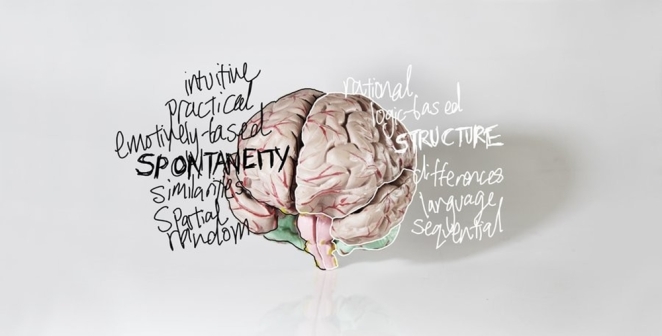
It’s not titles that endure, but creative moments where human insight defies pattern. AI may streamline, but humans shape meaning. Our job now is to lean into the mess and stake our claim on truly transformative work.
The future of creative work isn’t a job title. It’s a space only humans can occupy—the messy, brilliant, deeply human spaces AI can’t touch. It’s where intuition, empathy, cultural attunement, and strategic courage converge.
This is the terrain of true innovation: beyond algorithms, deeper than data. Creativity here is unshakable—not because roles survive, but because humans dare to continue working where patterns end.