Swapna Thavidaboyna
UIUX Designer
ABOUT
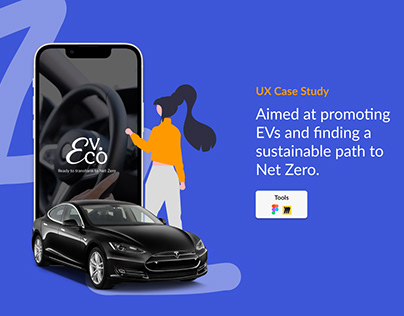
Aimed at promoting EVs and finding a sustainable path to Net Zero.
Overview: Increase EV adoption by making the service more affordable.
Challenge:
1. Since I had minimal prior experience with the EV industry, I made user research a key component of the UX process when I started this project.
2. The future steps to reach the UK's Net-Zero aim will involve research and the creation of a better way for consumers and potential users to learn about electric vehicles (EVs).
3. The UK is currently under a plan in converting all new automobiles to fully battery-electric by 2030, despite a recent government pledge to phase out the sale of new gasoline and diesel vehicles by that time.
4. In the next 10 years, designers will have many opportunities to provide people with better ways to embrace technologies for vehicles fueled by sustainable energy sources.
Objective:
1. Understand the key driving factors and considerations from the customer perspective of EV adoption.
2. Build a solution that helps to deliver a high-fidelity prototype of the customer journey through a UX design process, with a final presentation to the client.
Problem Statement: Lack of information, Affordability, range anxiety, & charging issues are preventing EV adoption from increasing.
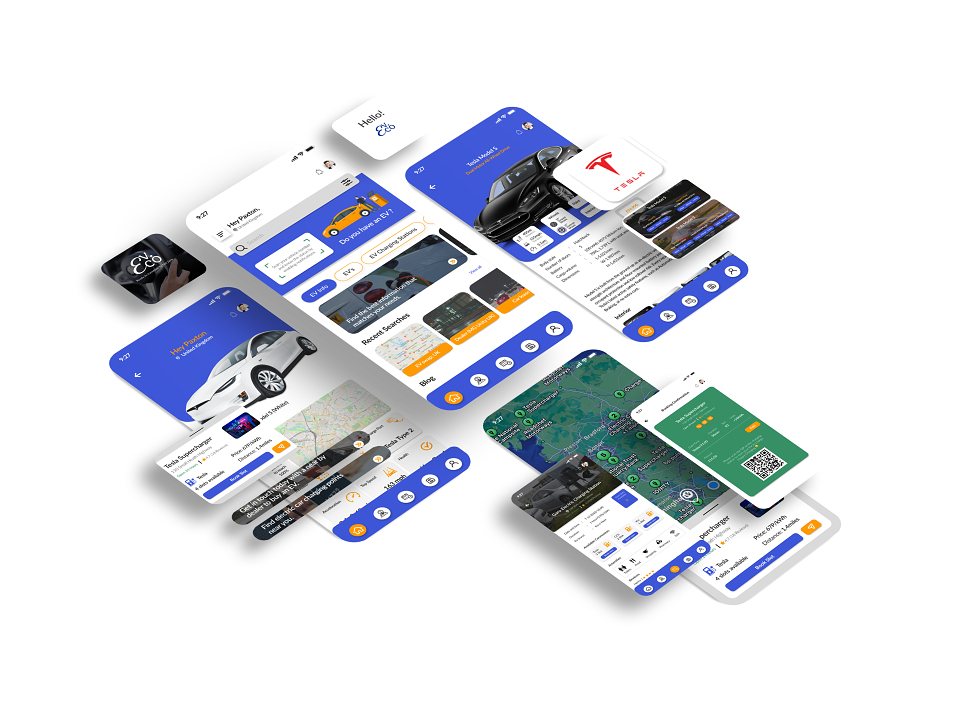
About Project: Using electric vehicles instead of conventional ones could reduce local air pollution and greenhouse gas emissions from the transportation system. However, the owner of an EV must pay a significant price in terms of cost, pricing, driving range, availability, loading capacity, speed, and acceleration to receive these societal benefits. Additionally, a lack of knowledge and information to choose the right one reduces the usability of EVs. Such a product hardly ever manages to market itself to prospective buyers. To get it accepted and spread throughout society, in addition, to supporting national legislation, skilful marketing is required. The EV. Eco outlines a two-phase strategy for the marketing of EVs based on a discussion of current and expected future characteristics of EVs and helps users to make things easy and easily adapt.
UX Research:
1. Research Methods and Deliverables
Surveys, user interviews, and competitive analysis were used to test the usability of some EV-related websites.
A persona, a problem statement, and a customer journey map
Usability tests on low, medium, and high fidelity prototypes, as well as a style guide
2. Market Research:
According to the most recent vehicle statistics, the electric vehicle (EV) market is thriving.
The EV market is expecting to grow rapidly in the coming years as the UK prepares for a ban on new petrol and diesel vehicle sales in 2030.
However, with significant investment in charging infrastructure in the UK, we believe there has never been a better time to buy a new or used EV.
3. Interviews:
Participants: 3
Method: 1 Phone call, 2 In-person
High prices for electric cars and lack of options
Worry about battery range and running out of battery is important
Finding the right model for their needs
Getting all the information they need to feel confident about making a decision
Recommendations from friends or other EV owners who already went through the process is important
4. Survey:
The survey was built with Google Forms and posted on specific Facebook groups and EV forums
The lack of charging stations, knowledge about EVs, and battery life are the main issues for EV owners.
Not being able to use a debit or credit card to pay since there are no central charging stations.
Competitive Analysis: I conducted a competitive analysis of various platforms that provide prospective features that could add to the EV after prioritising the decision phase of the customer's path toward purchasing an EV. The application featured business offerings comparable or unrelated services, as well as direct and indirect competitors from around the globe.
MADEIT CREDITS
-

Swapna ThavidaboynaUIUX Designer