Sukhy Cheema
Founder
ABOUT
Concept
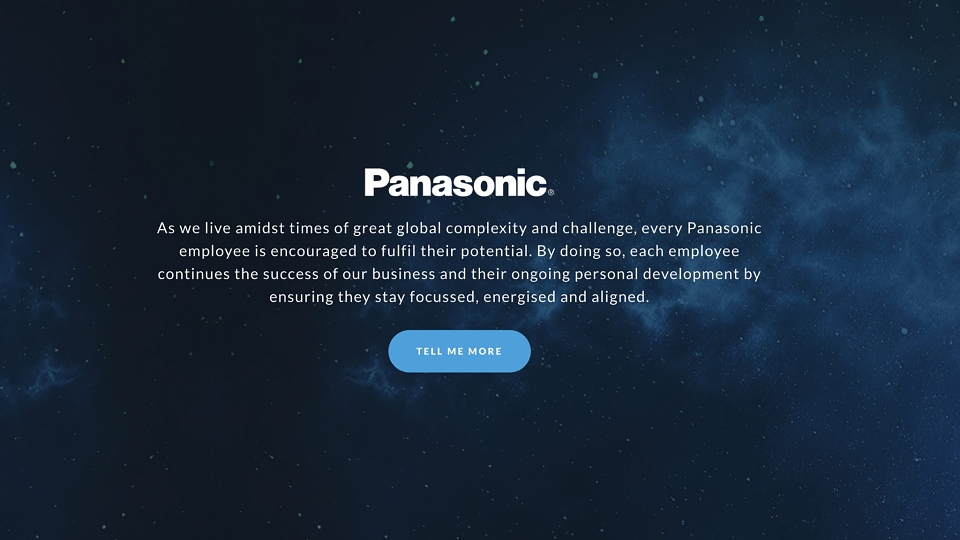
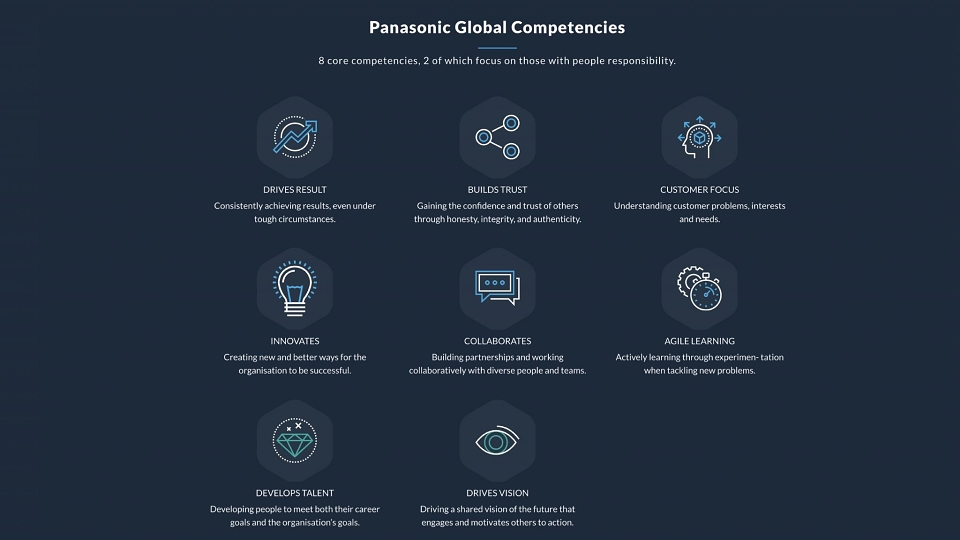
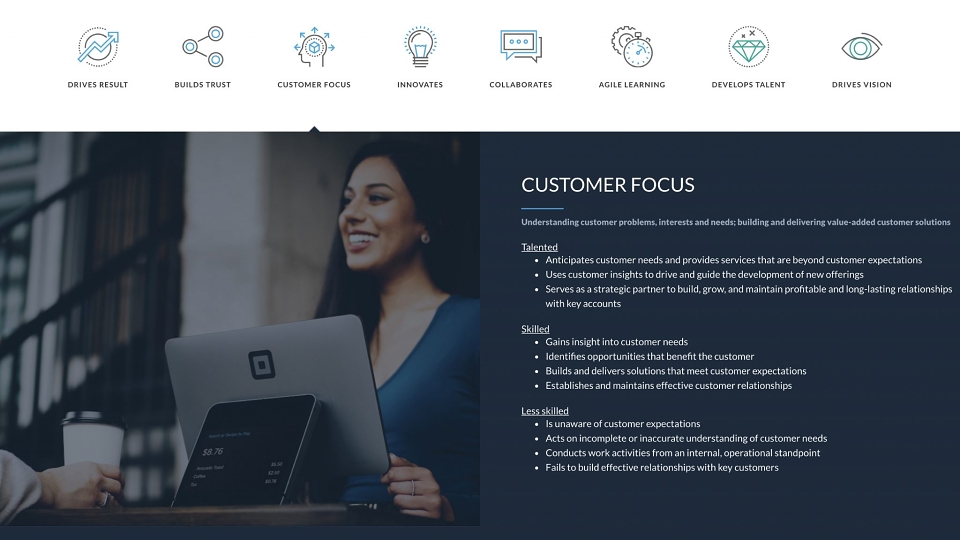
Panasonic needed a more engaging and accessible way to communicate its eight global competencies across the organisation. Existing materials relied on static frameworks that lacked consistency and offered limited interaction, making it difficult to create a shared understanding of behaviours and expectations across multiple touchpoints.
The objective was to transform these competencies into a cohesive digital experience that would strengthen brand consistency, improve engagement and provide a scalable foundation for future learning initiatives. The solution needed to combine clear visual storytelling with intuitive user journeys, ensuring employees could easily navigate and understand the framework while creating a flexible system that could evolve over time.
Execution
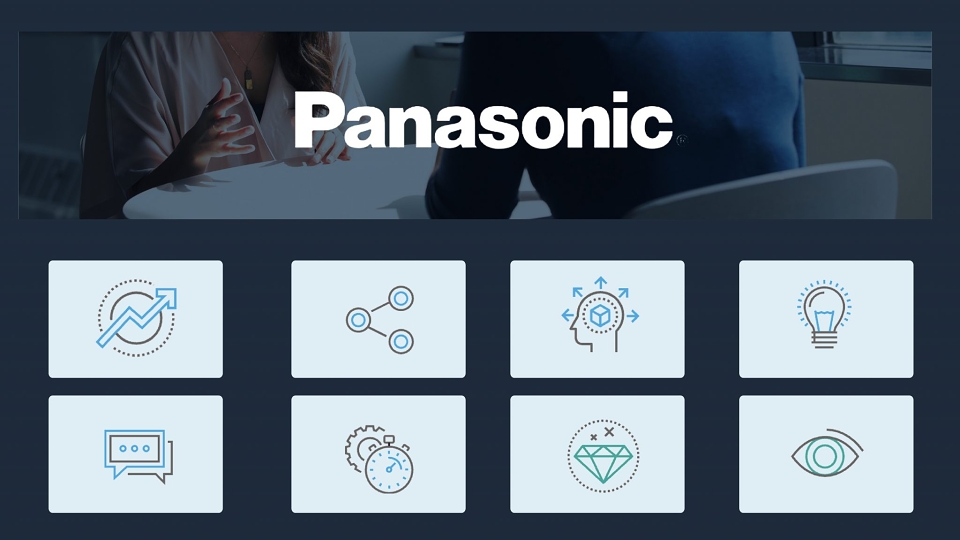
A comprehensive digital design system was developed to bring the competencies to life. Working closely with Panasonic, each competency was translated into a distinctive visual language supported by custom iconography, behavioural descriptors and a structured information architecture.
The project encompassed brand identity development, UI and UX design and application development, resulting in a responsive digital platform that delivered a seamless experience across devices. More than 50 assets were redesigned to ensure consistency, while over 150 employee touch points were updated to create a unified experience throughout the organisation.
The platform was designed not only as a standalone resource, but as a scalable framework capable of supporting future digital initiatives. This approach later enabled the extension of the experience into a mobile application, providing employees with greater accessibility and reinforcing engagement with the competency framework.
Results
The new platform significantly increased employee interaction and strengthened the effectiveness of Panasonic's internal communications. User engagement rose by 140%, supported by more than 1,000 frequent monthly visits, demonstrating the platform's success in encouraging ongoing participation.
Improved usability and clearer navigation contributed to a 40% reduction in bounce rates following launch, indicating that users were spending more time exploring content and engaging with the framework.
In addition, the redesign established a consistent visual language across the organisation. With more than 50 assets refreshed and 150 touch points aligned, Panasonic achieved a stronger and more cohesive brand experience, creating a robust foundation for future digital learning and employee engagement initiatives.