DENNIS OTIENO
CEO
ABOUT
There are about 40 million people living in Kenya, of which about 17 million (43 percent)
do not have access to clean water.1 For decades, water scarcity has been a major issue in
Kenya, caused mainly by years of recurrent droughts, poor management of water supply,
contamination of the available water, and a sharp increase in water demand resulting from
relatively high population growth. The lack of rainfall affects also the ability to acquire
food and has led to eruptions of violence in Kenya. In many areas, the shortage of water in
Kenya has been amplified by the government’s lack of investment in water, especially in
rural areas.
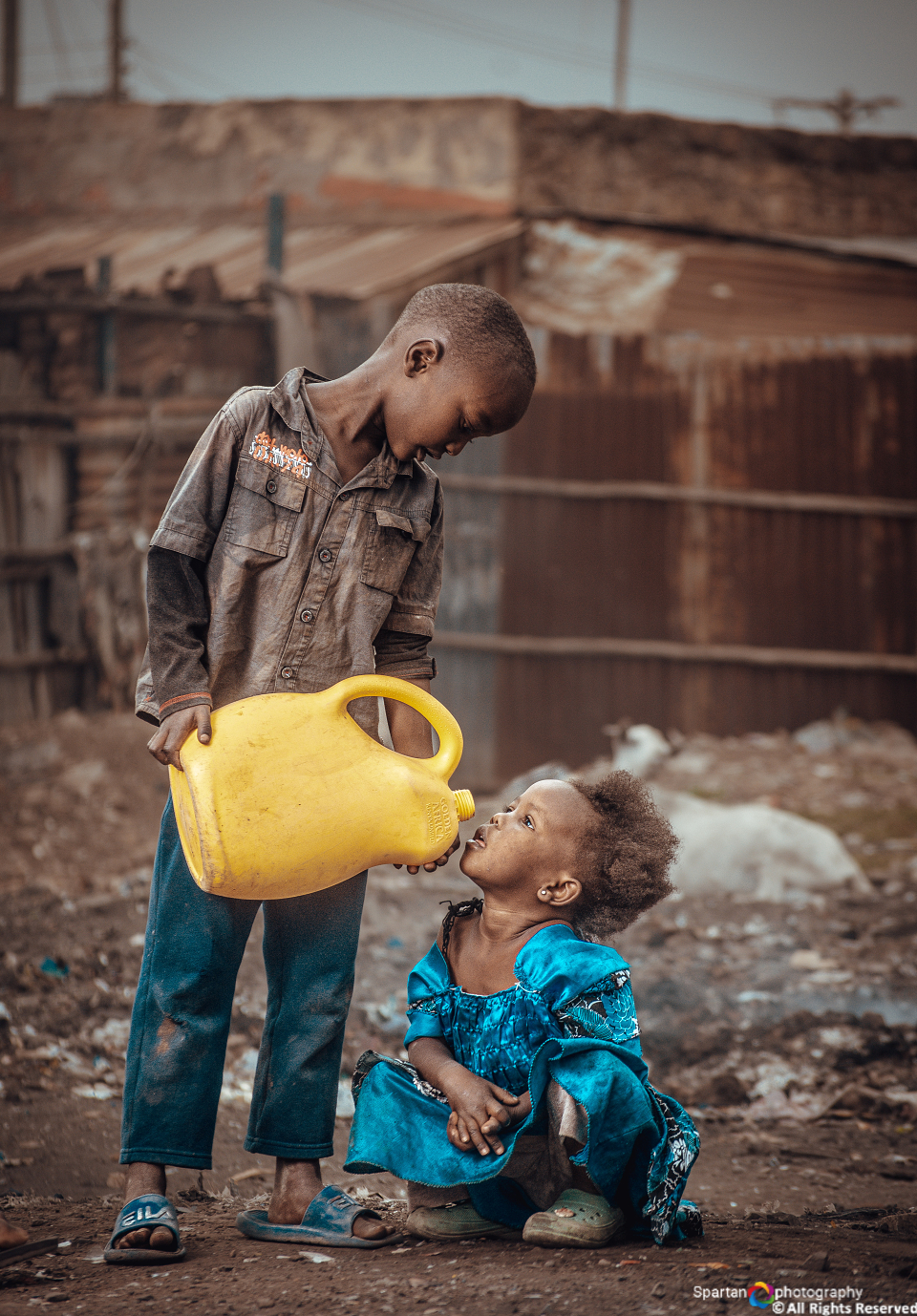
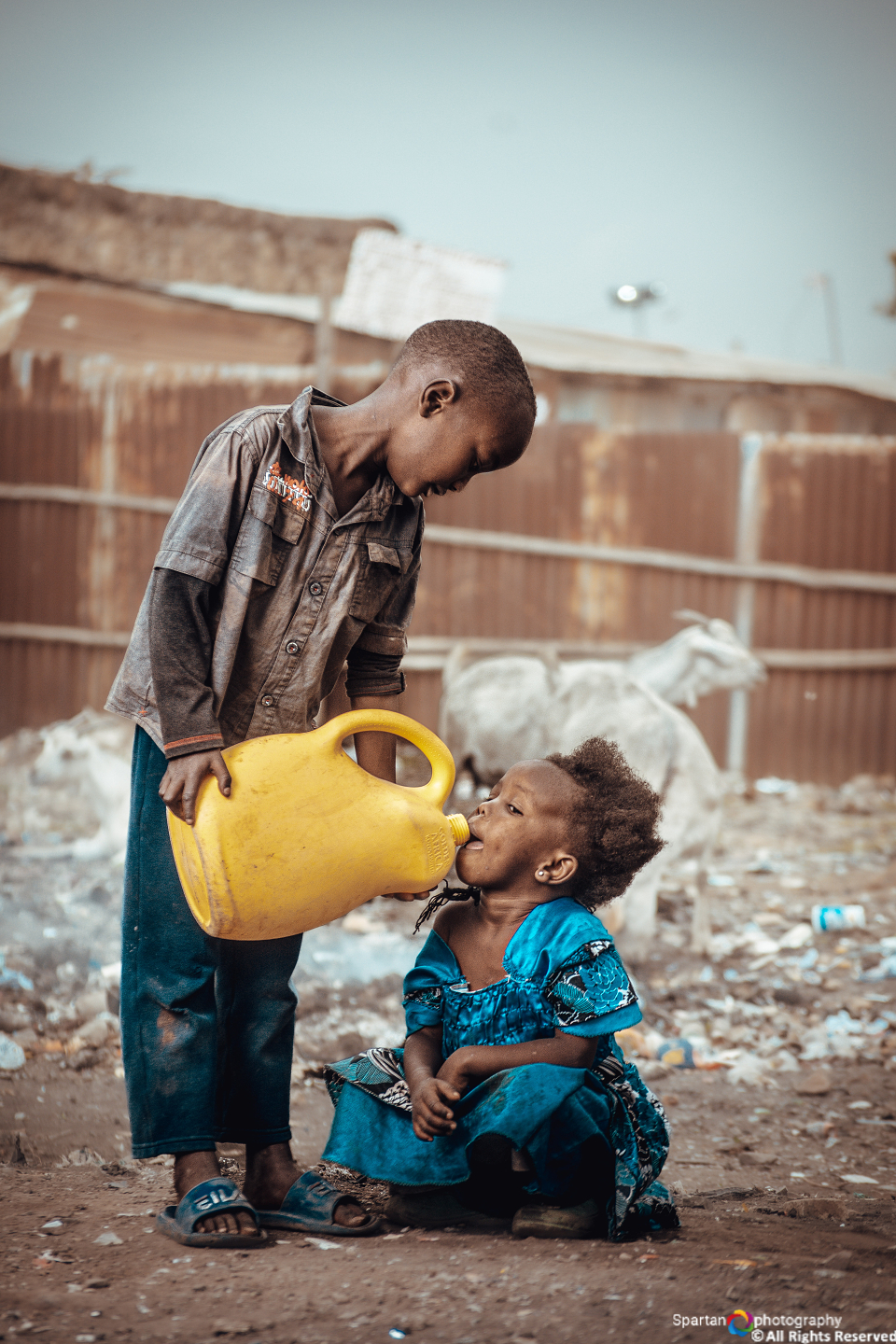
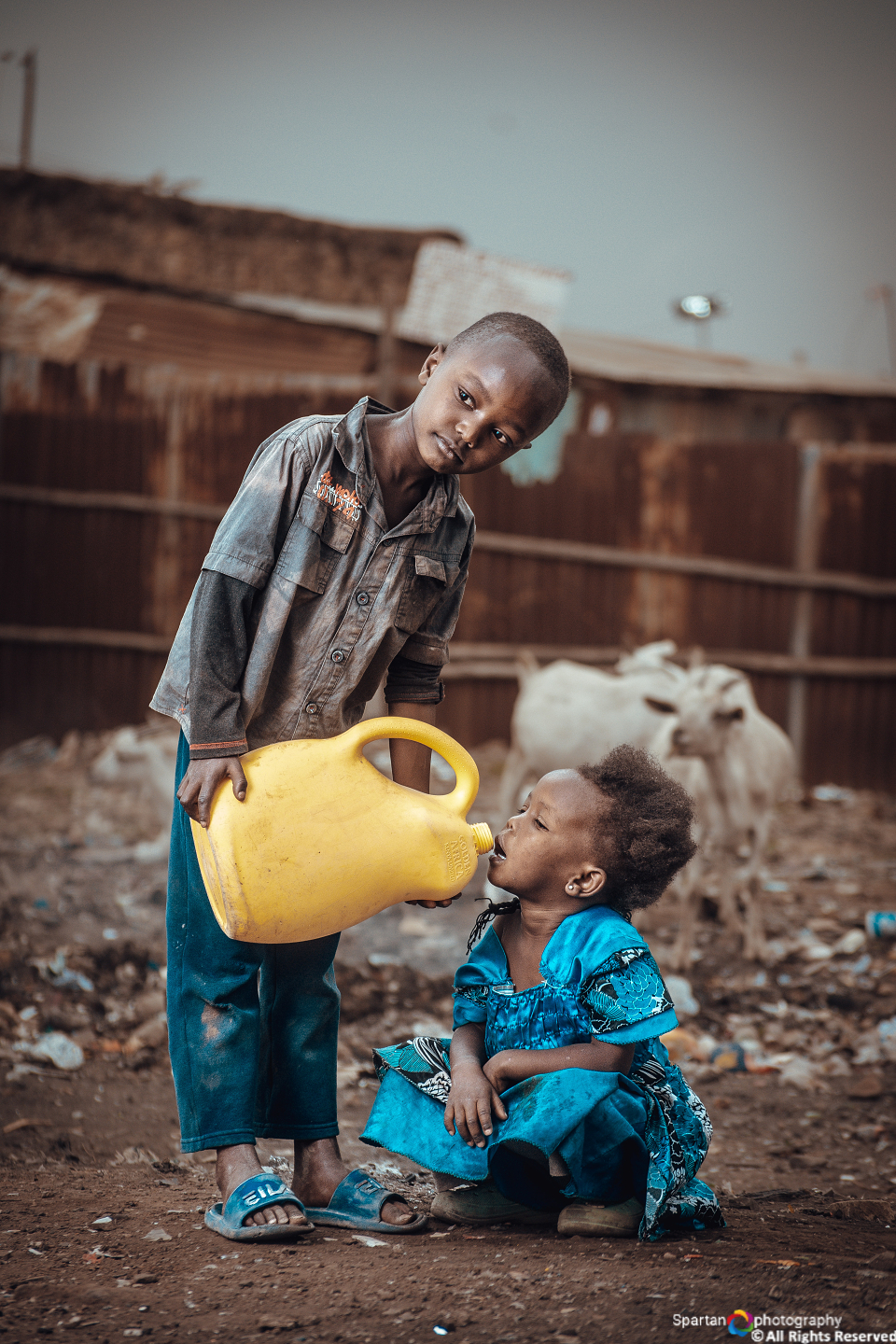
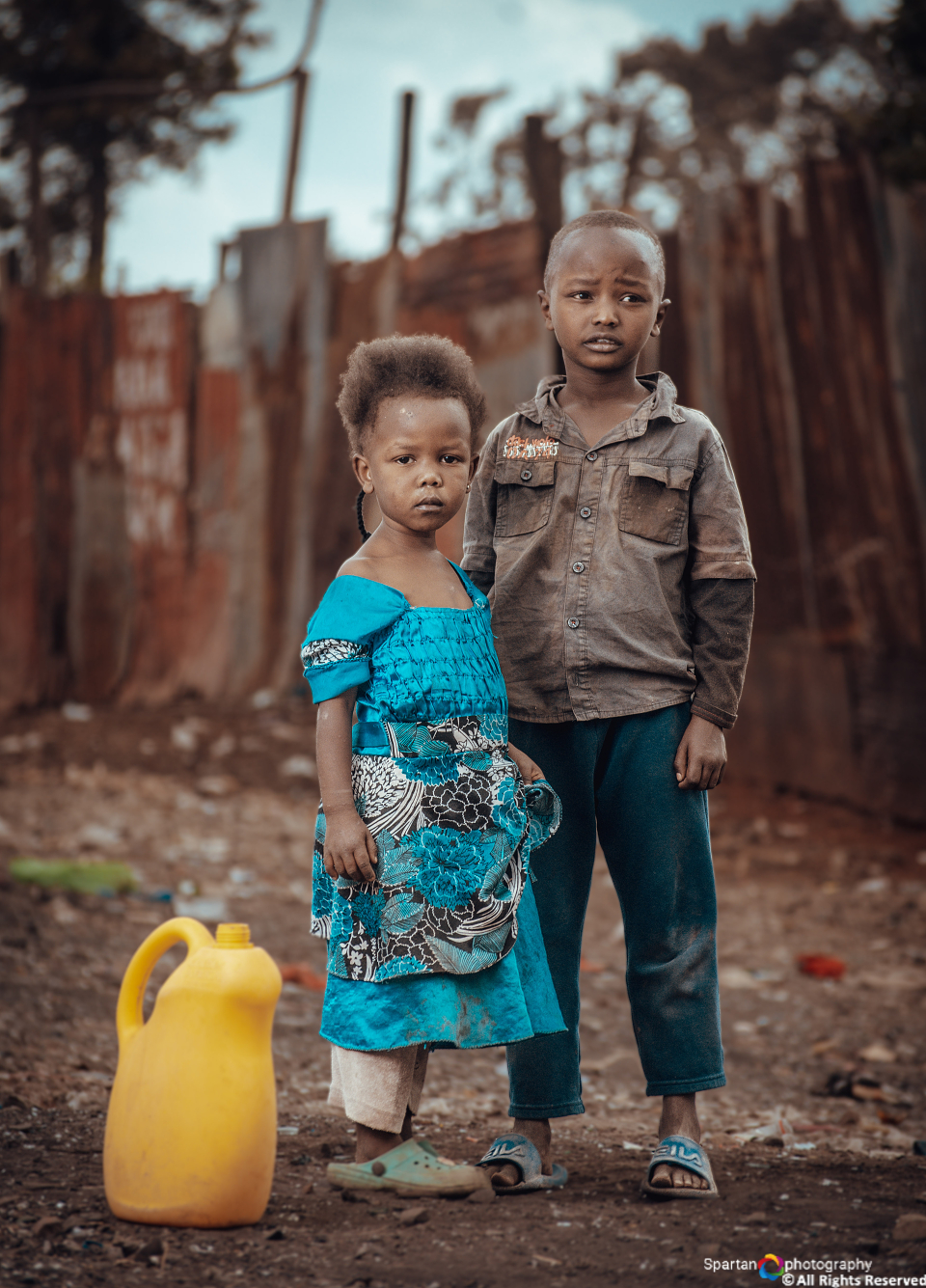
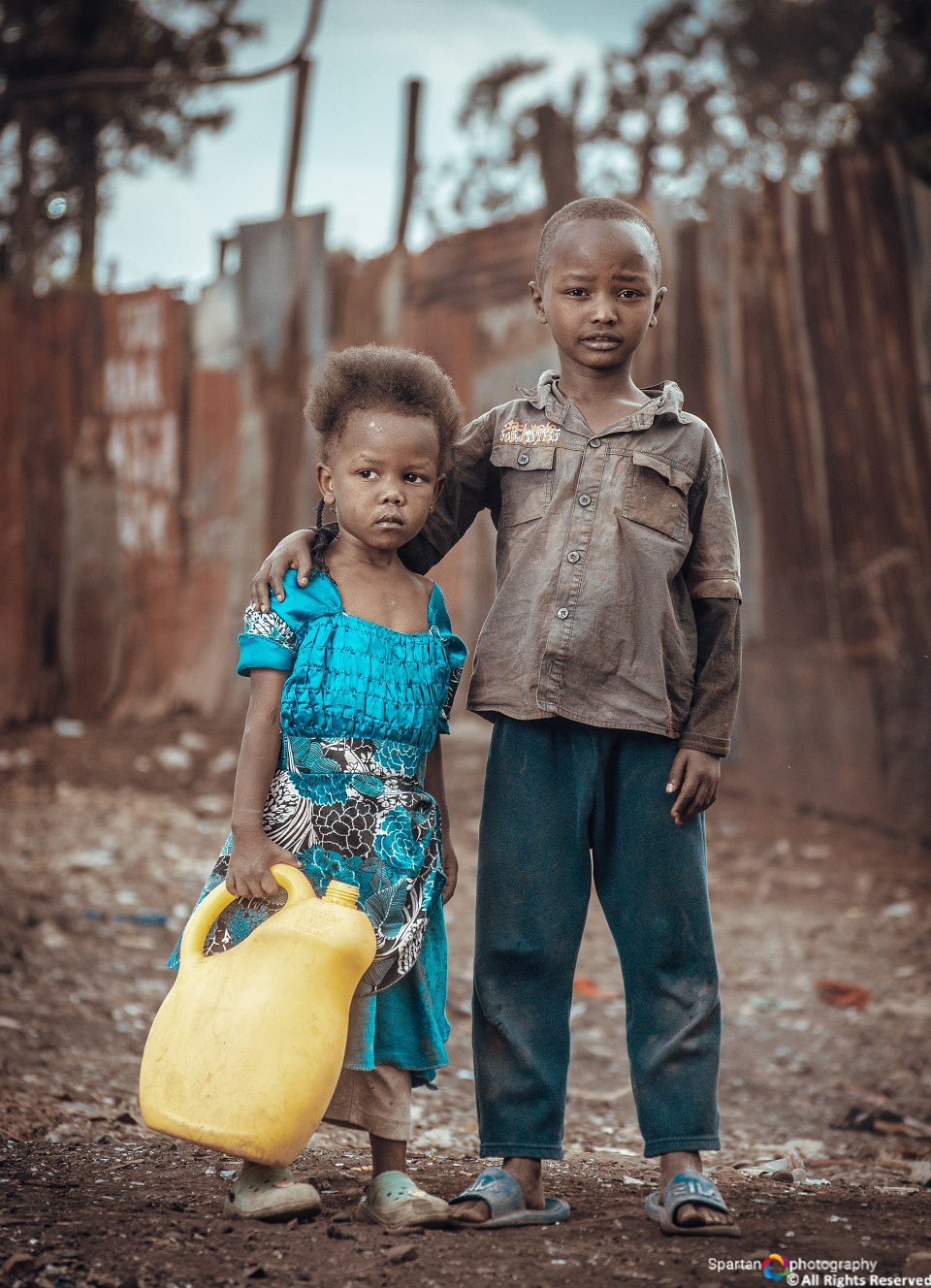
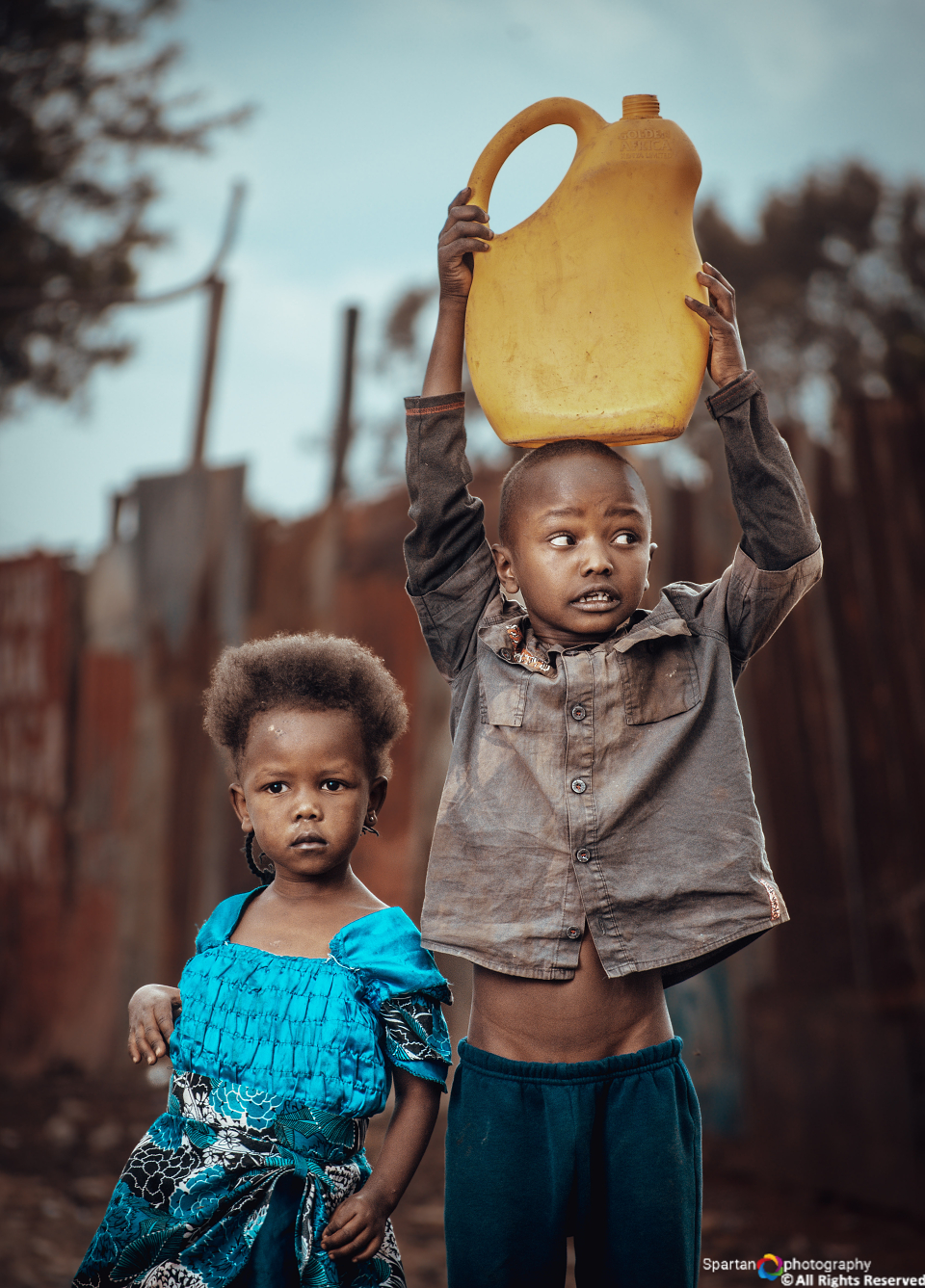
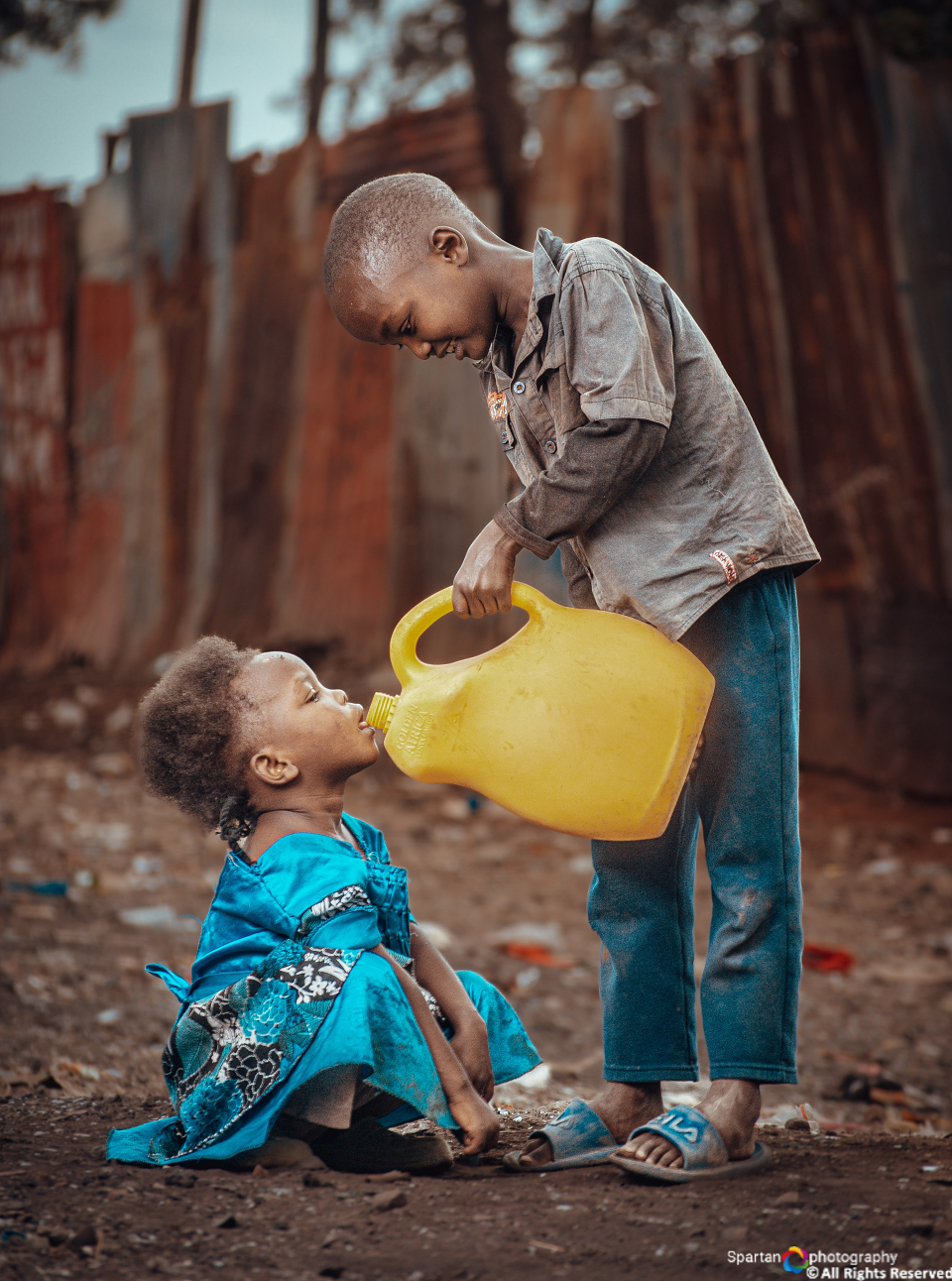
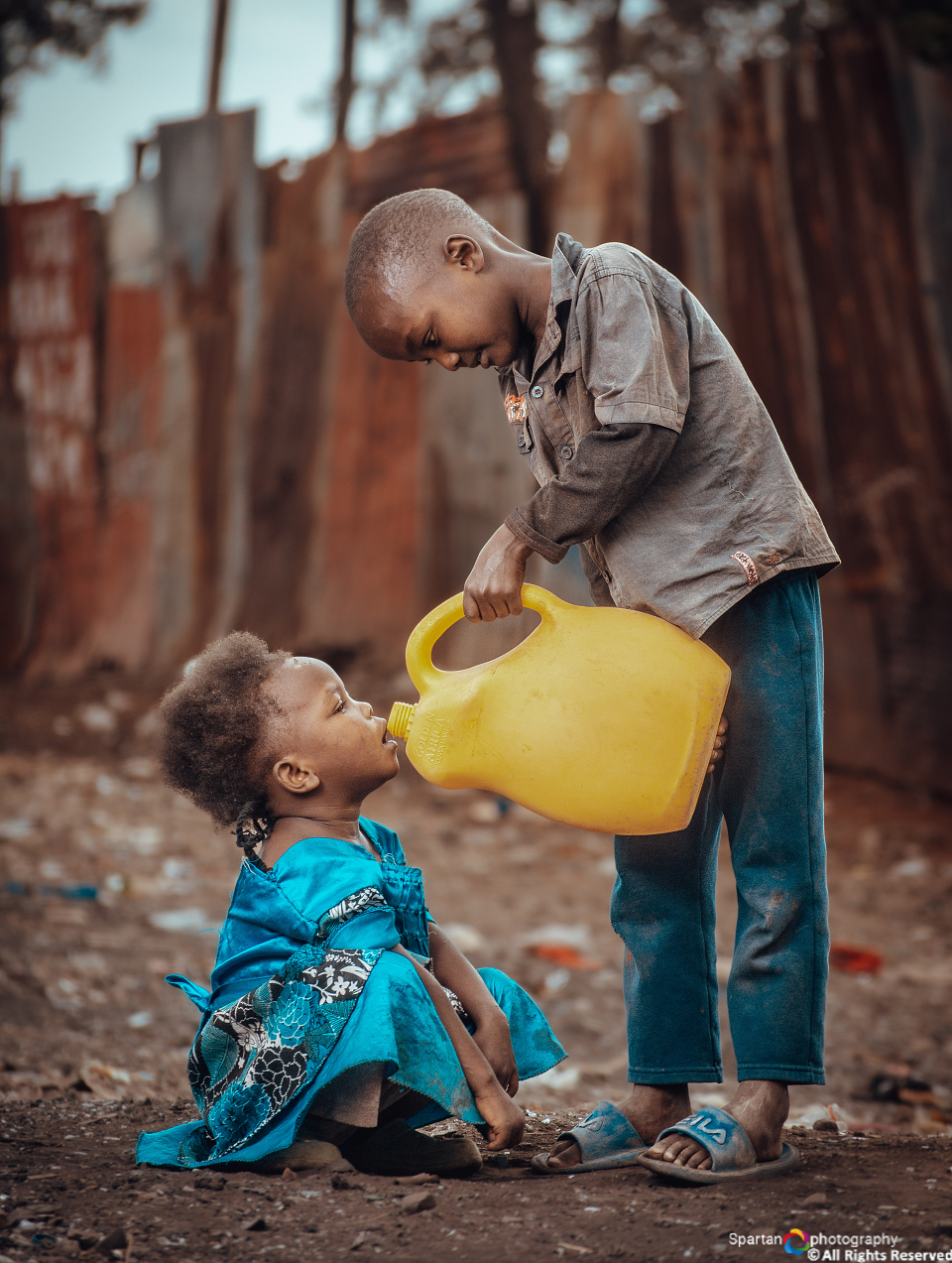
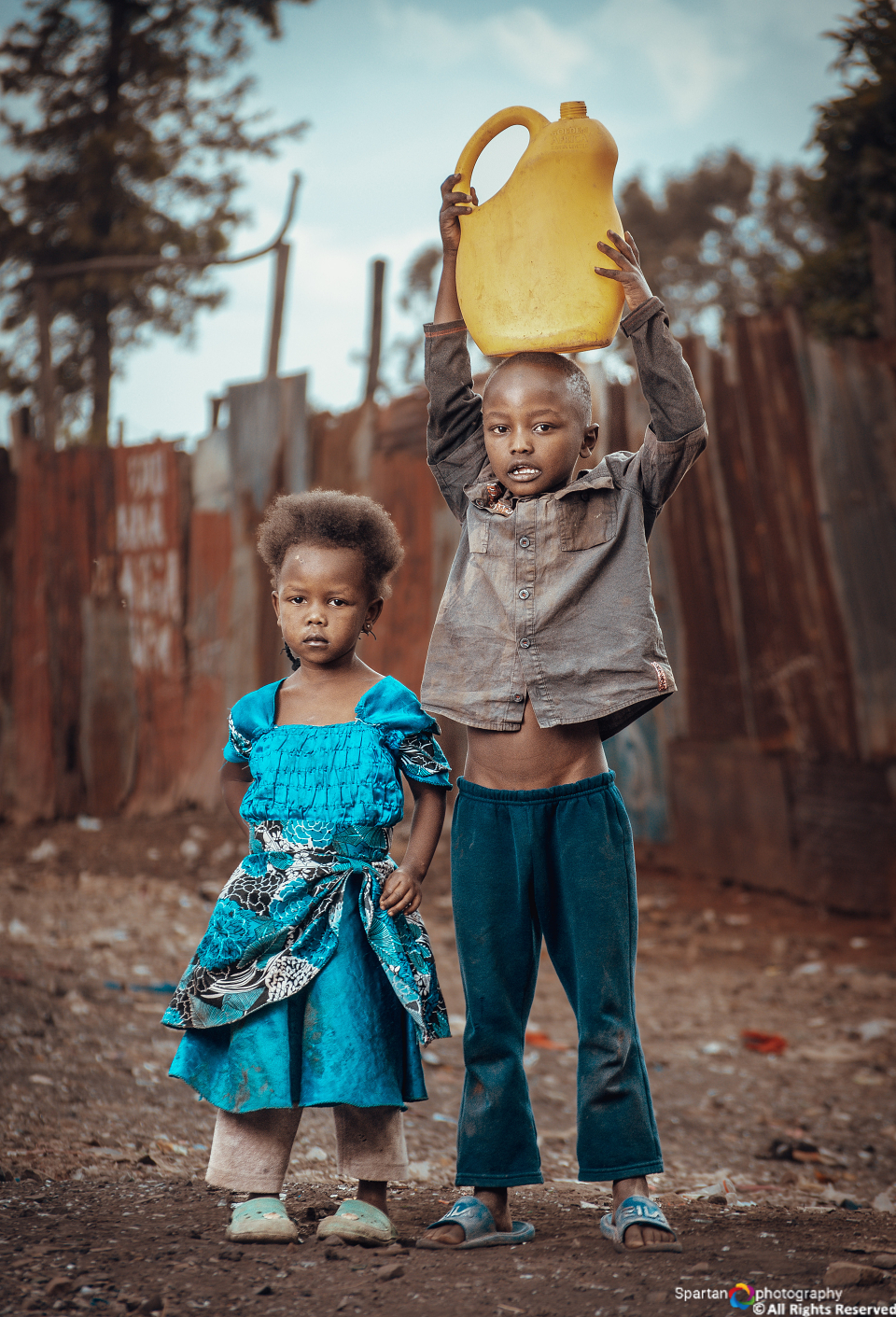
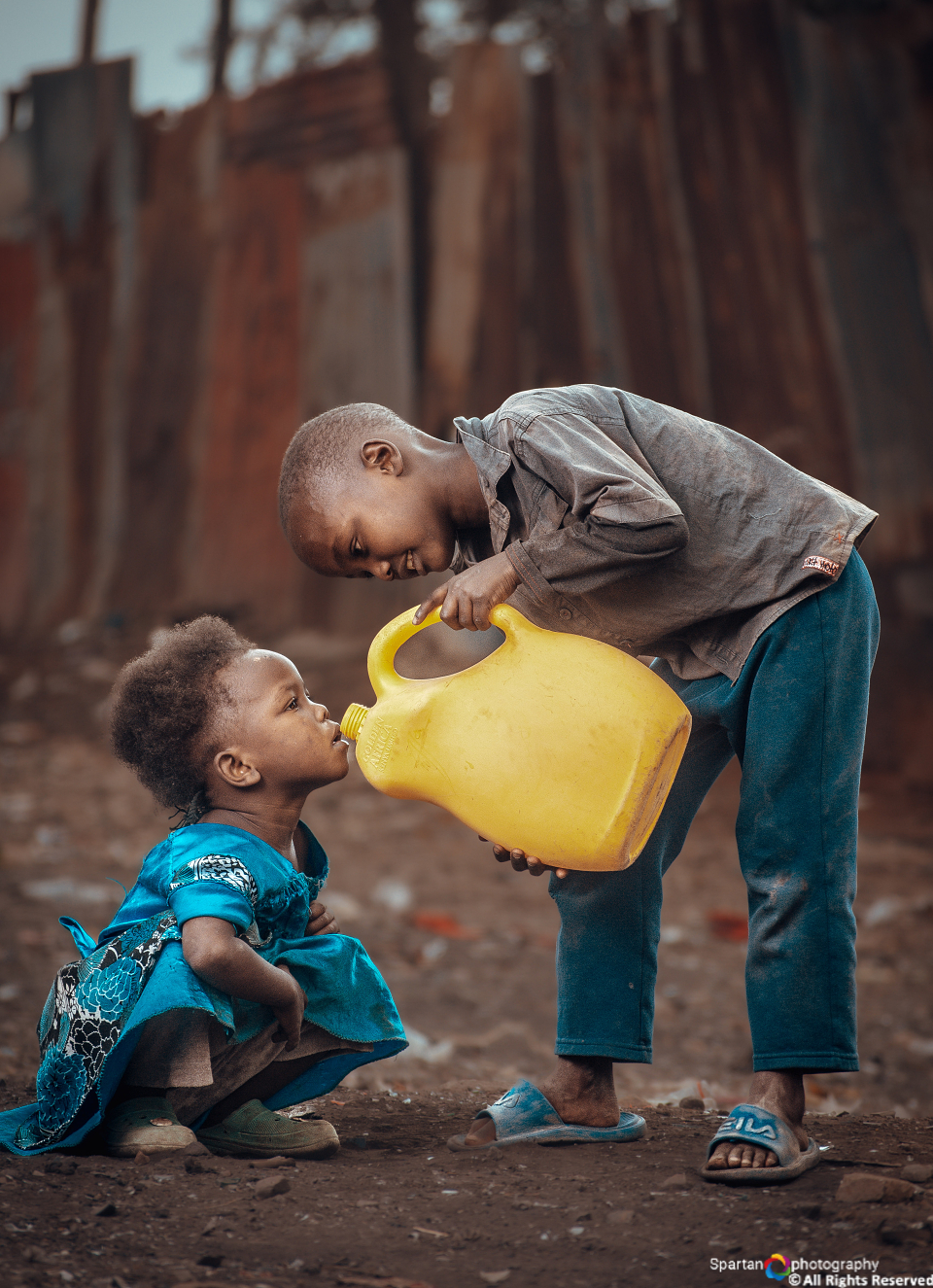
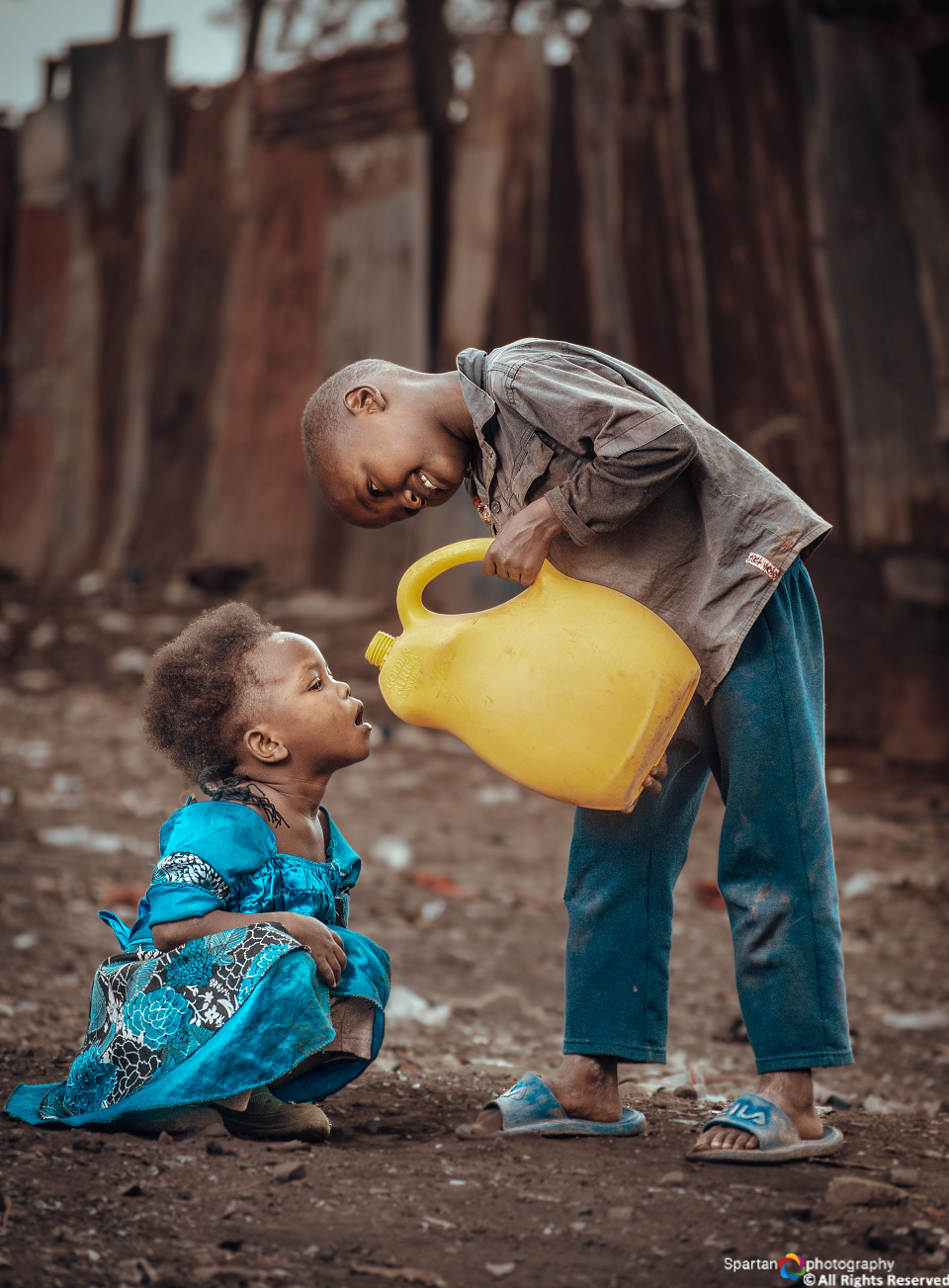
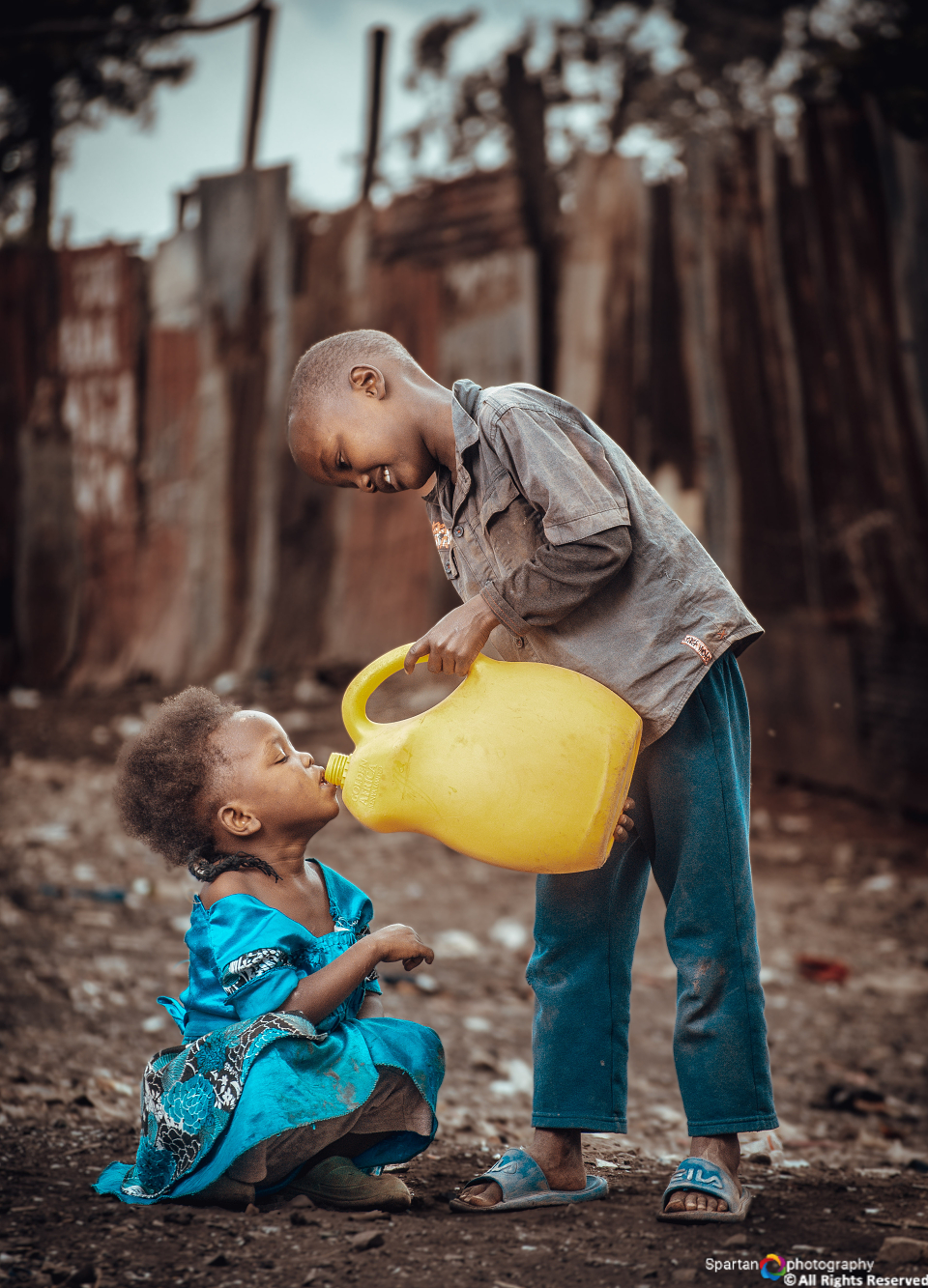
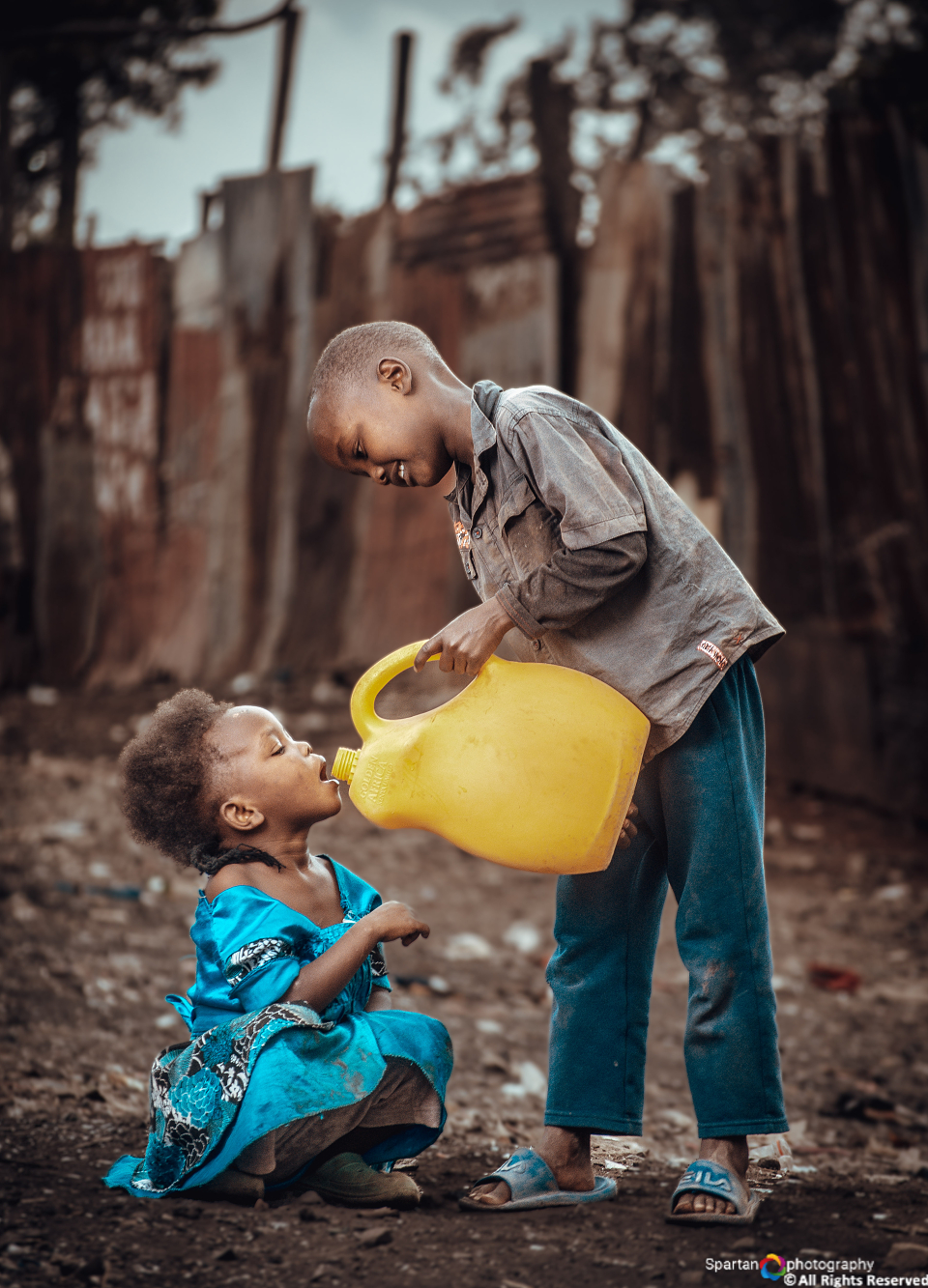
Most of the urban poor Kenyans only have access to polluted water, which has caused
cholera epidemics and multiple other diseases that affect health and livelihoods. Despite
the critical shortage of clean water in Kenya’s urban slums, there also is a large rural to
urban discrepancy in access to clean water in Kenya