

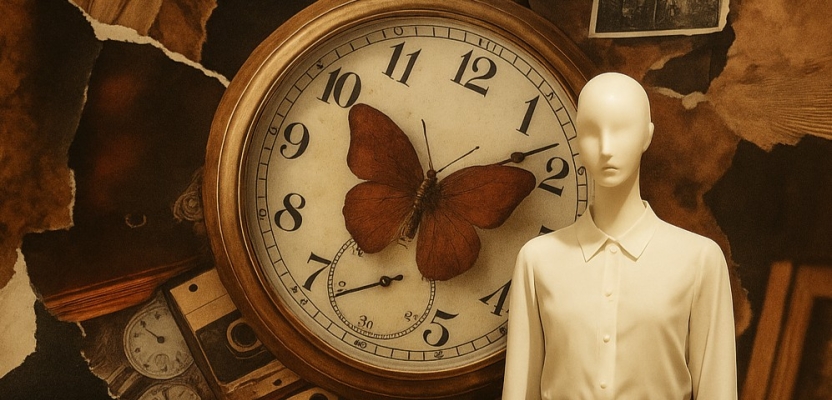

Samira Debbah, a conceptual artist and independent art director based between Morocco and Estonia, has carved out a creative path defined by symbolism, poetry, and minimalism. Rooted in a multicultural background, her work goes far beyond aesthetics, weaving together geometry, space, and objects to form visual metaphors that invite reflection. For Samira, creativity is not just a profession but a necessity, a way of expressing the unspoken layers of life and connecting with others on a deeper, emotional level.
Her artistic journey began with self-initiated projects and personal explorations, which soon evolved into commissions and collaborations with creative teams across different mediums. Today, she continues to build immersive visual worlds while staying true to her philosophical approach. Whether in illustration, installation, or spatial storytelling, Samira’s practice reflects her belief that every piece of art should carry meaning, spark contemplation, and resonate with authenticity.
How did you first get into the industry?
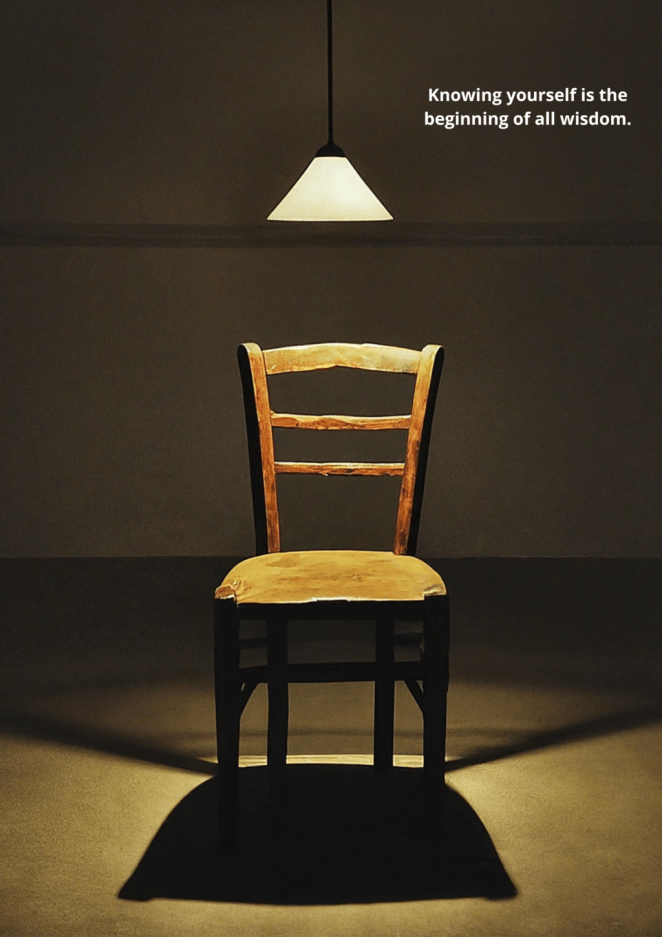
I entered the creative world by following a deep need to express symbolic ideas through visual form. My journey began with creating personal artworks and evolved into developing concepts for spatial compositions and visual storytelling. Sharing my projects online and exhibiting my work gradually connected me with people interested in my vision.
Where are you based now and who do you work for?
I’m currently based between Morocco and Estonia. I work independently and collaborate with clients and creative teams on a commission basis. My projects often begin with a concept and expand into visual proposals for installations or illustrated scenes.
What is your personal background and what role did it play in your career?
I come from a multicultural background that shaped my way of seeing the world. I’ve always been drawn to metaphors, psychology, and the unspoken dimensions of life. This perspective naturally led me to conceptual art, where I use visual language to share my ideas and my feelings.
If you weren’t in your current industry, what would you be doing?
I’d likely still be creating, just in another form. Possibly writing or working with communities to explore the intersection between spirituality, healing, and artistic expression. Creativity, for me, is a necessity, not a job title.
Can you explain your creative process? What makes it unique?
I begin with a concept often a symbolic or emotional idea. From there, I sketch or collage visual metaphors that translate the concept into form. What makes my process unique is the philosophical layer underneath everything I create. I don't design just for aesthetic, each composition must evoke thought or emotion.
How would you describe your style?
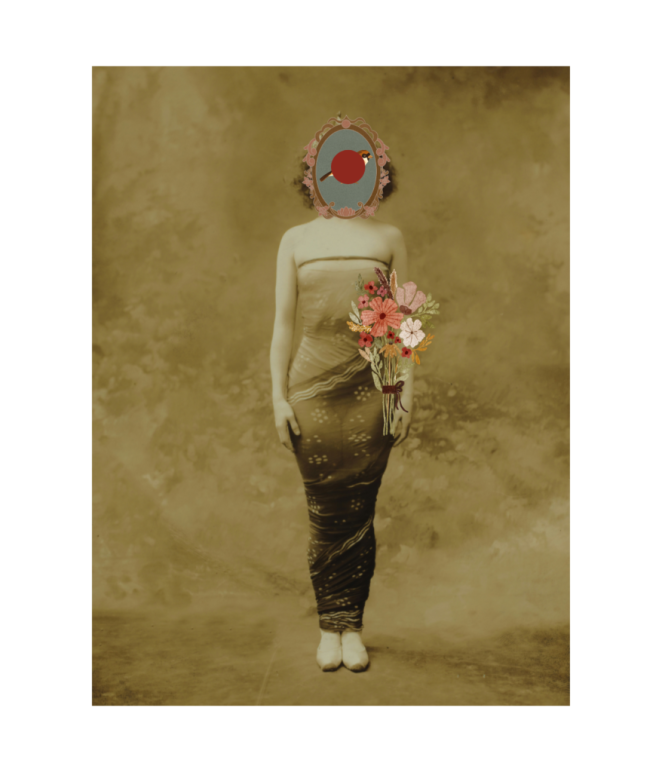
Symbolic, poetic and minimalist. I often use geometry, space, and objects to create visual metaphors. Whether in illustration or spatial design, my style invites contemplation and emotional resonance.
Which individuals do you gain inspiration from? Do you have any heroes in the industry?
I’m inspired by artists and directors who build immersive, symbolic experiences. But I also find inspiration in silence, architecture, and everyday objects that carry emotional resonance.
What tips would you give to aspiring creatives looking for work?
Start by creating the work you want to be hired for. Don’t wait for the perfect opportunity, treat every self-initiated project as a potential portfolio piece. Share your ideas and process. People are drawn to authenticity and vision.
What tips would you give to other professionals to get more clients?
Define what you offer clearly, visually and conceptually. Tailor your portfolio or proposals to different types of clients. Show how your creative world can fit theirs. And always follow up, many opportunities come from persistence and clarity.
What kind of tools/kit/software could you not do without?
I often return to sketchbooks, scissors, and physical materials when developing ideas. Sometimes building things by hand helps me think more clearly.
What’s your secret to staying inspired and motivated?
Disconnecting regularly. Walking, reading, or observing people and objects in silence often brings unexpected insights. I also revisit my older work to reconnect with my creative core.
What’s the work achievement you’re most proud of?
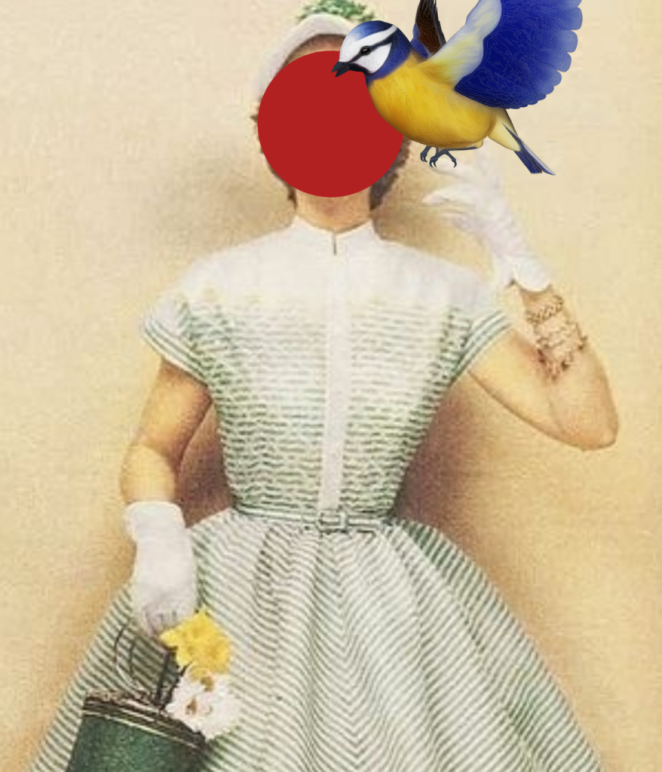
Creating my own visual world and staying consistent with it. Each time someone connects emotionally with one of my pieces or asks me to collaborate based on my artistic voice, it feels like an achievement.
What do you think sets apart truly exceptional creatives from the rest of the pack?
The ability to stay honest and coherent in their vision, even when trends shift. Exceptional creatives often carry a deeper reason behind their work, and that depth resonates over time.
How do you think technology has influenced the creative industries and how have you adapted to these changes?
Technology expanded access and tools. We can now visualize, prototype, and share ideas globally. While I use digital tools and technology, I still appreciate working with physical materials (like sketching by hand, building models, using paper, clay, etc.) because it helps me stay connected to the creative process in a more tangible, focused, and mindful way. For me, it’s not about choosing one over the other, but finding balance.
What is the one thing that you would change about the industry?
I would create more space for emerging artists and experimental voices. Especially those with unconventional paths. Creative value shouldn’t only be measured by commercial experience or big names.
Any websites, books or resources you would recommend?
I don’t follow specific books or resources regularly, but I often visit galleries and stay connected to other disciplines like architecture or cinema for inspiration. I also enjoy observing everyday life and objects; sometimes, the best ideas come from things outside the creative industry.