Robert D Carver
Formerly Artistic Director, Executive Producer
ABOUT
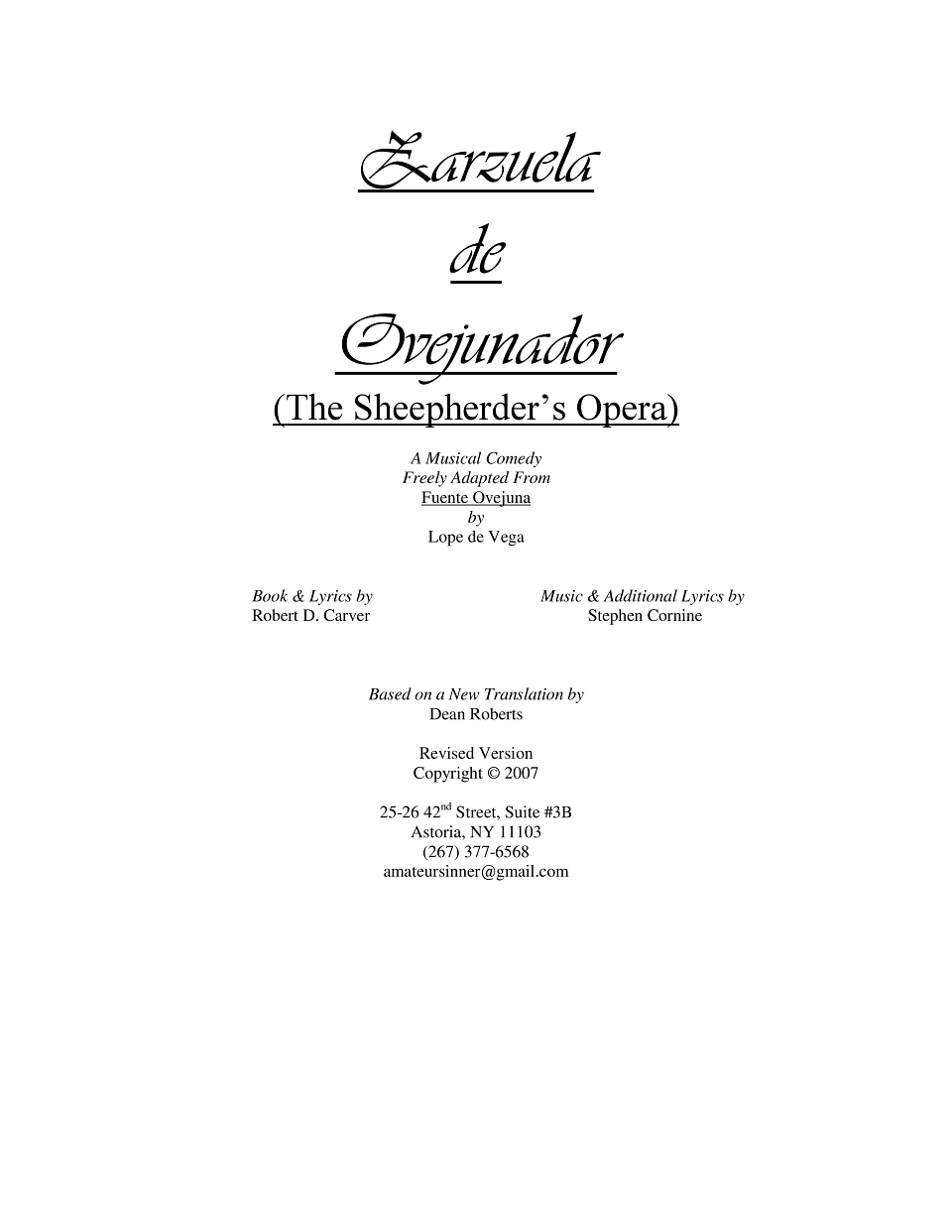
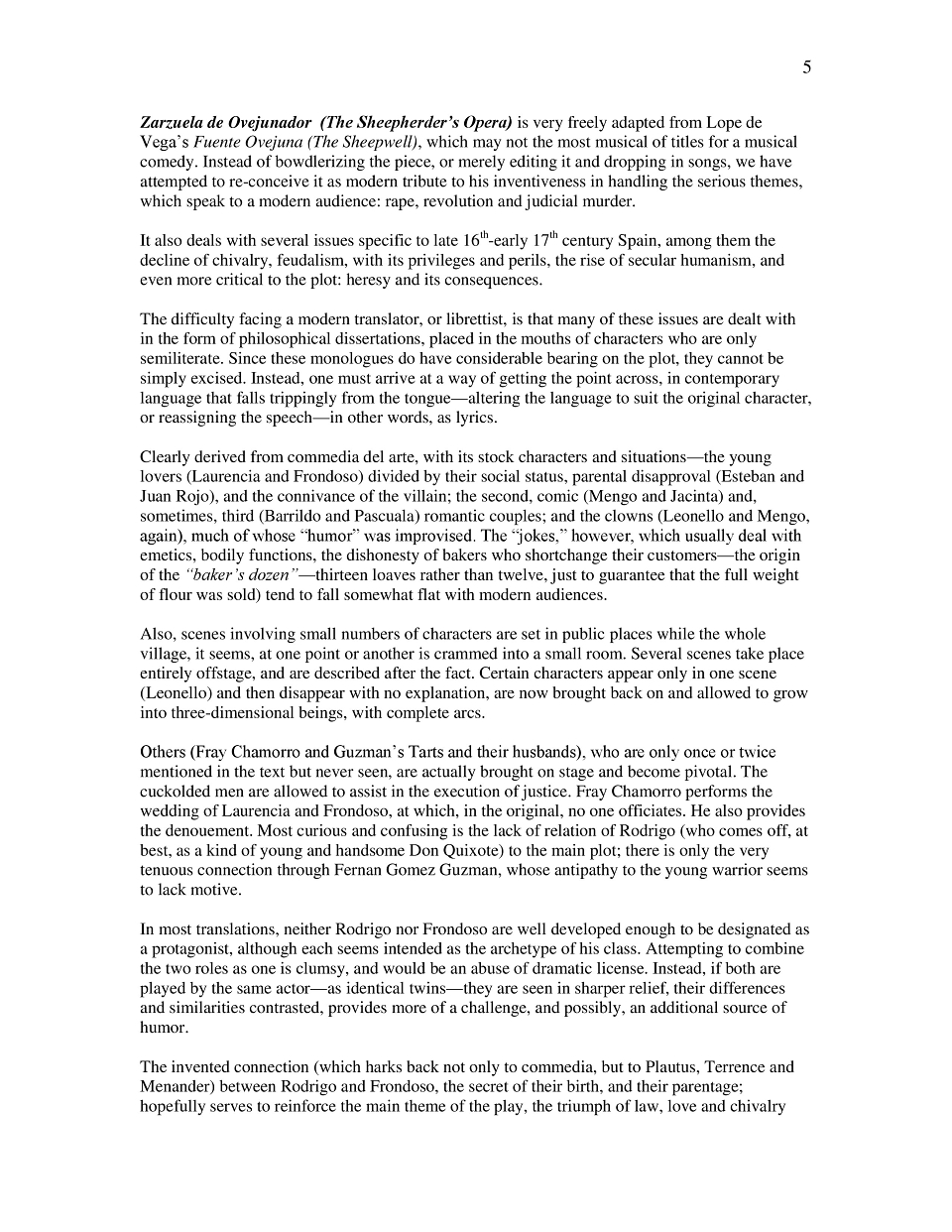
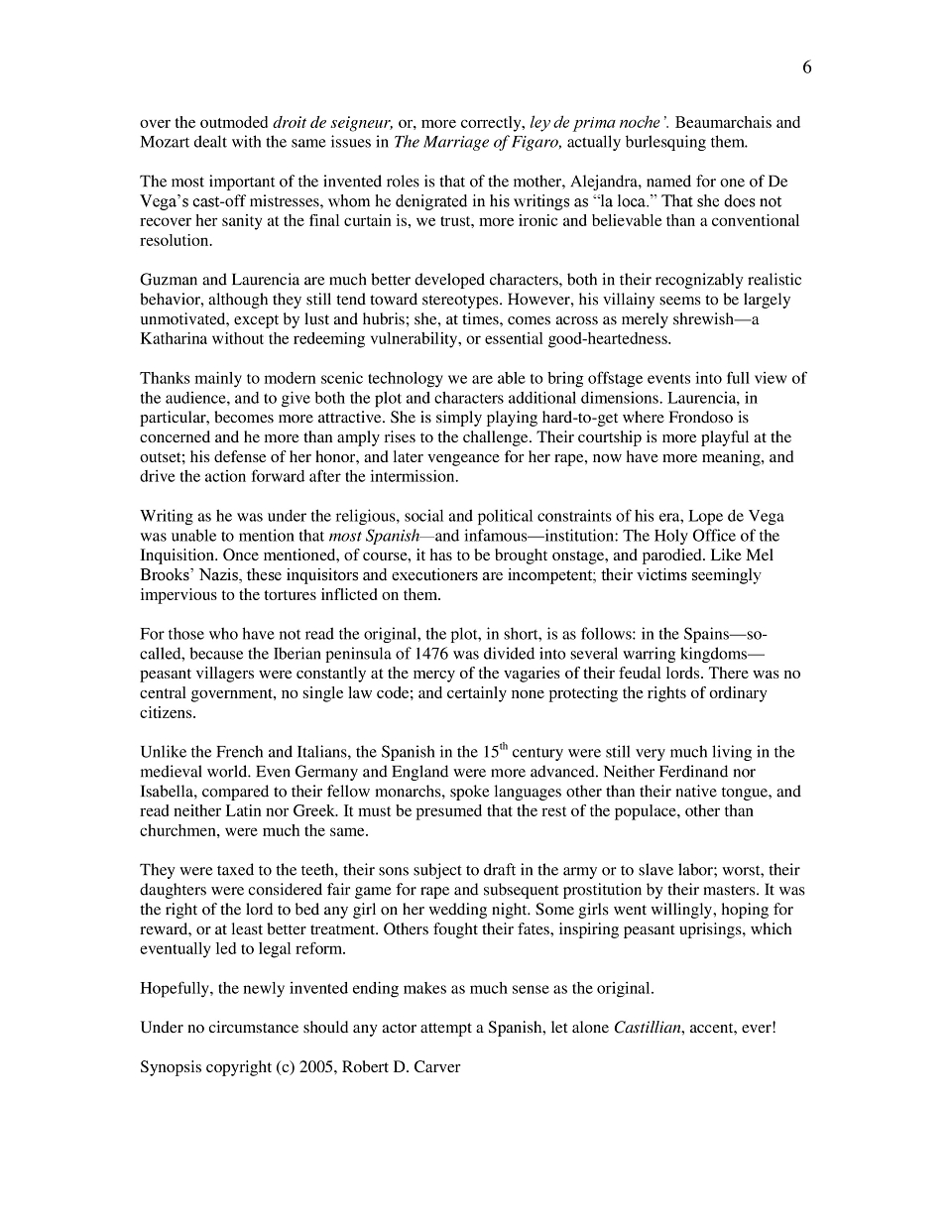
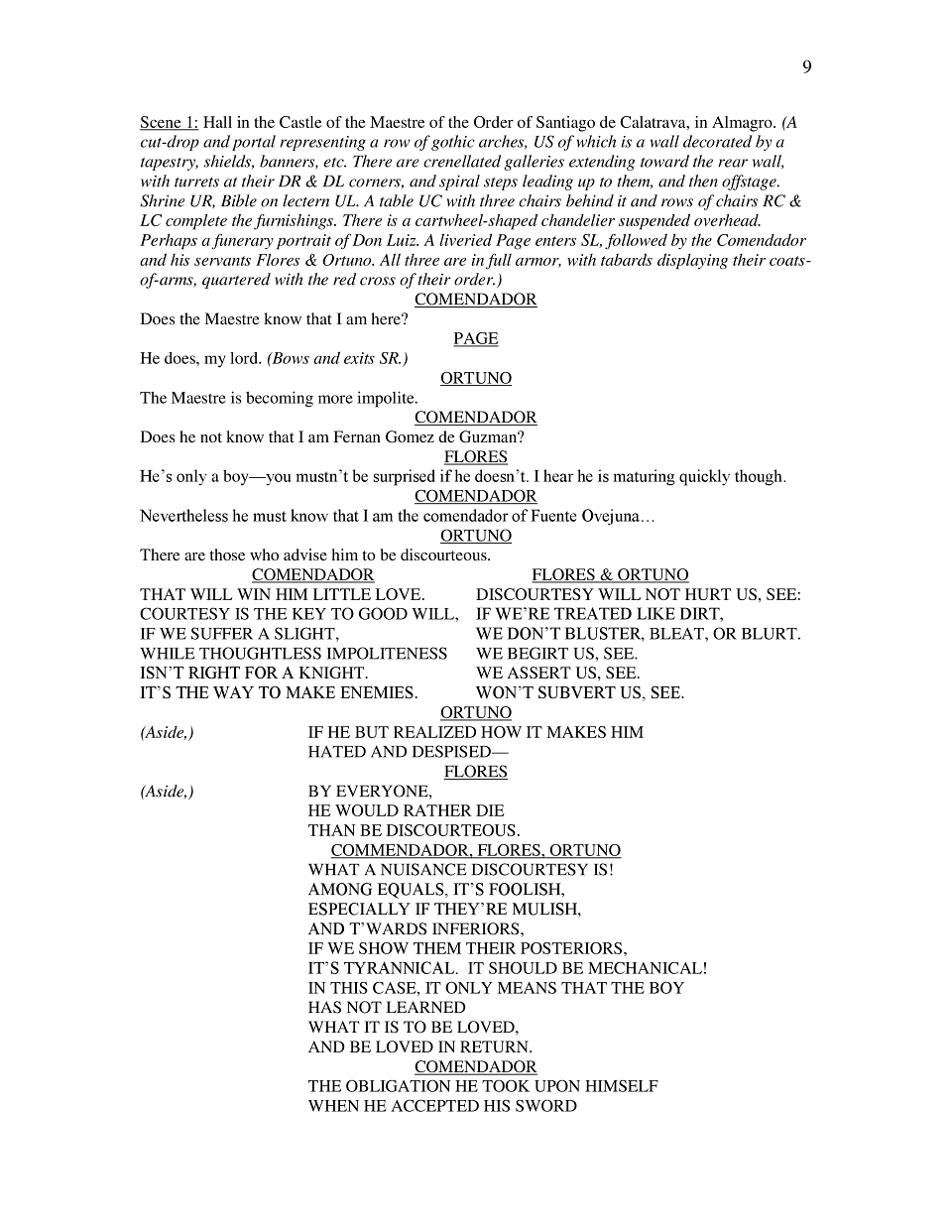
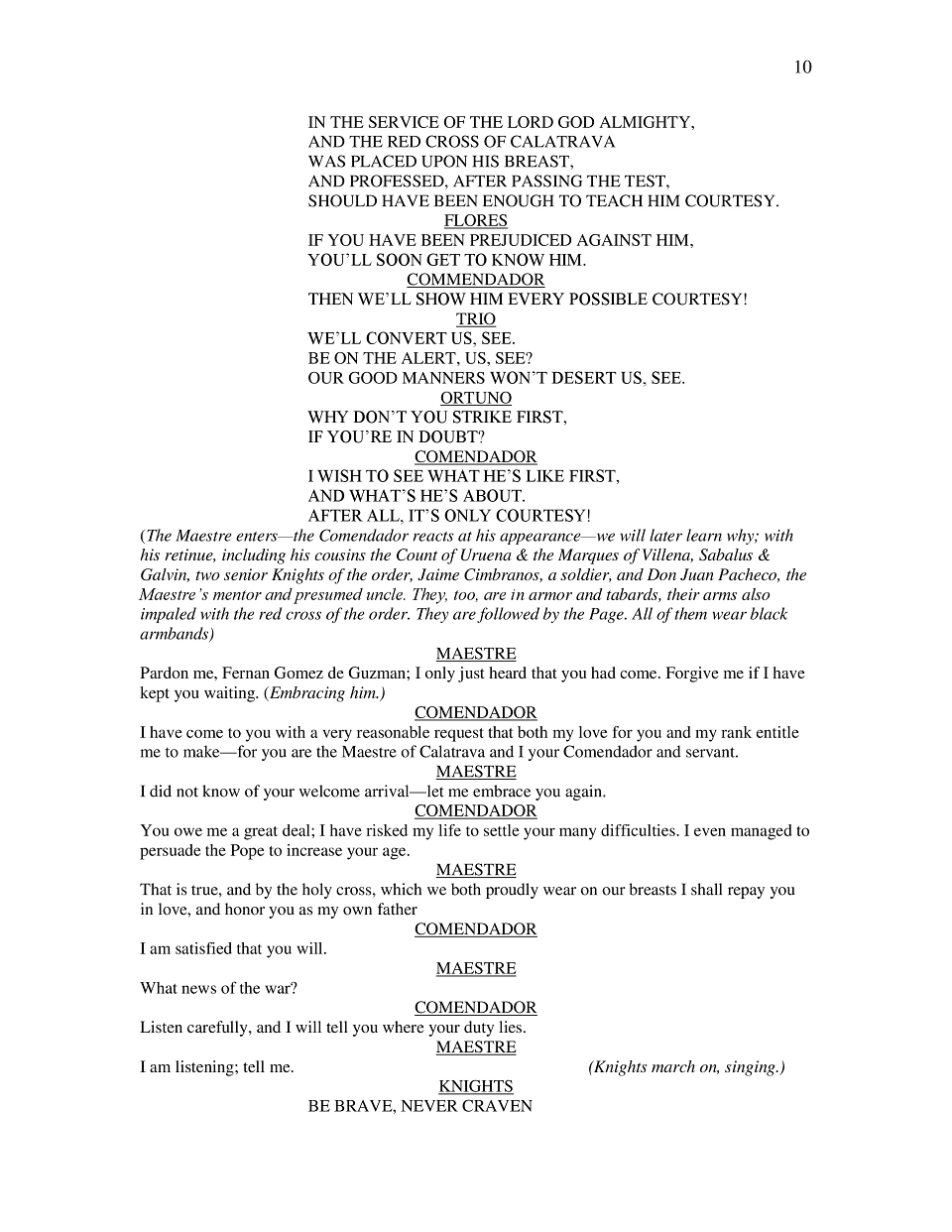
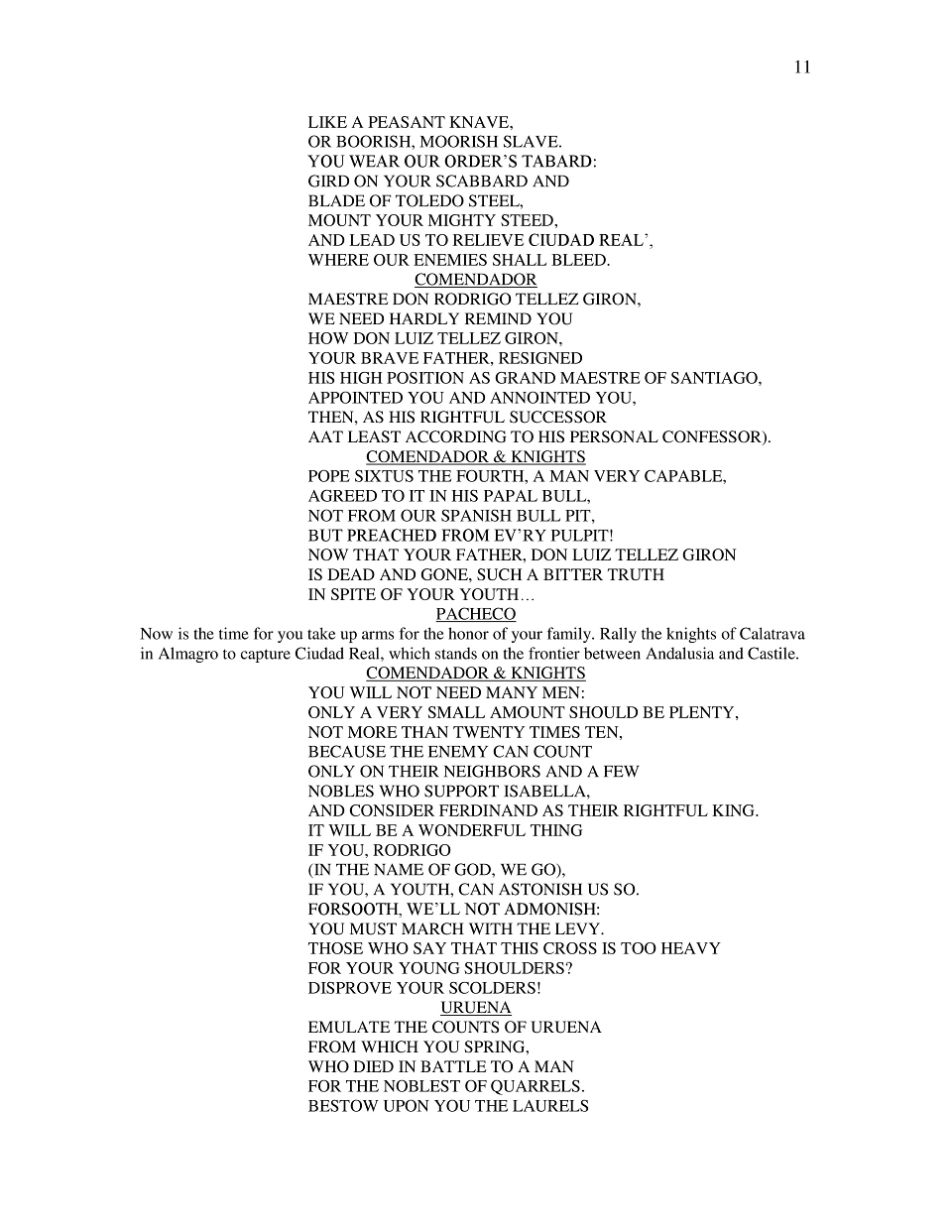
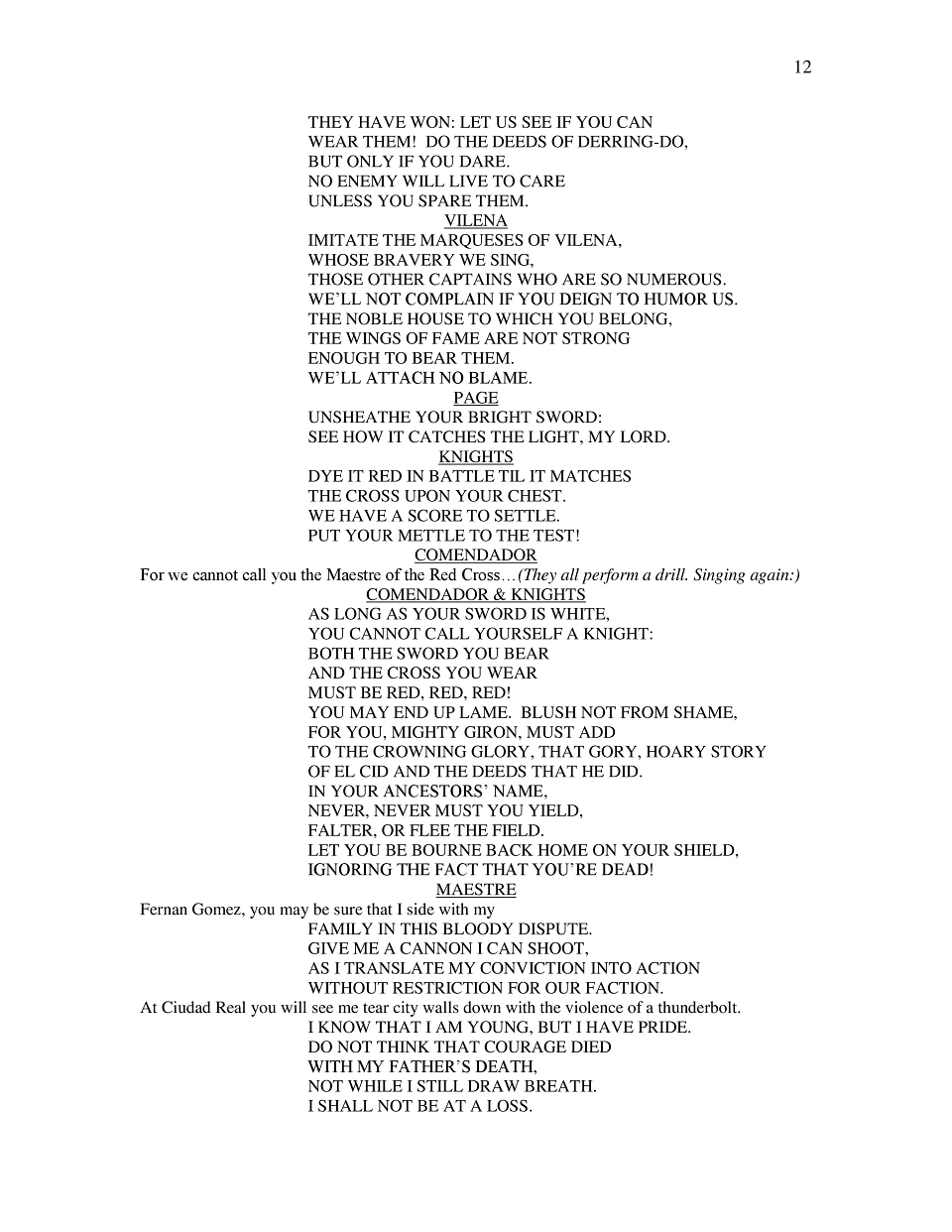
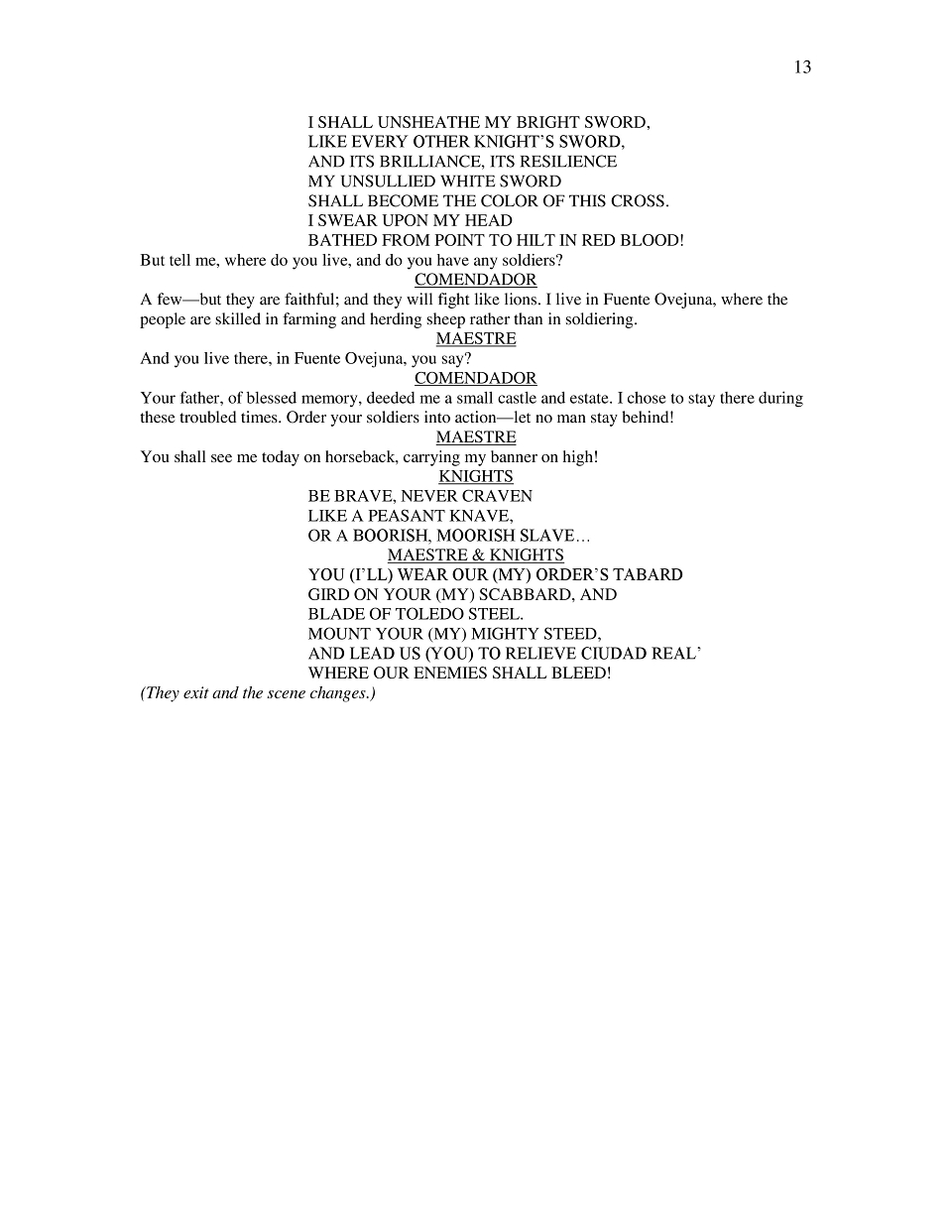
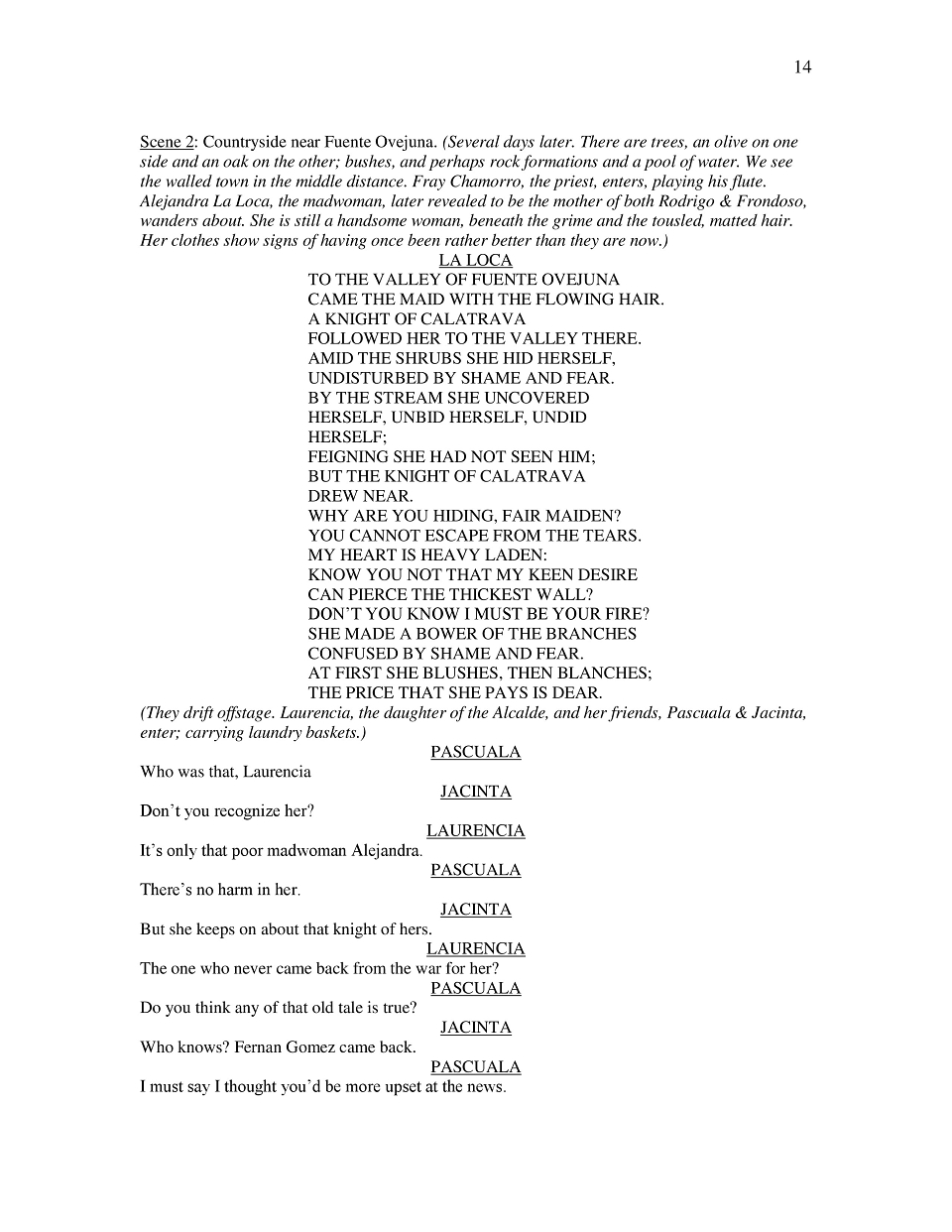
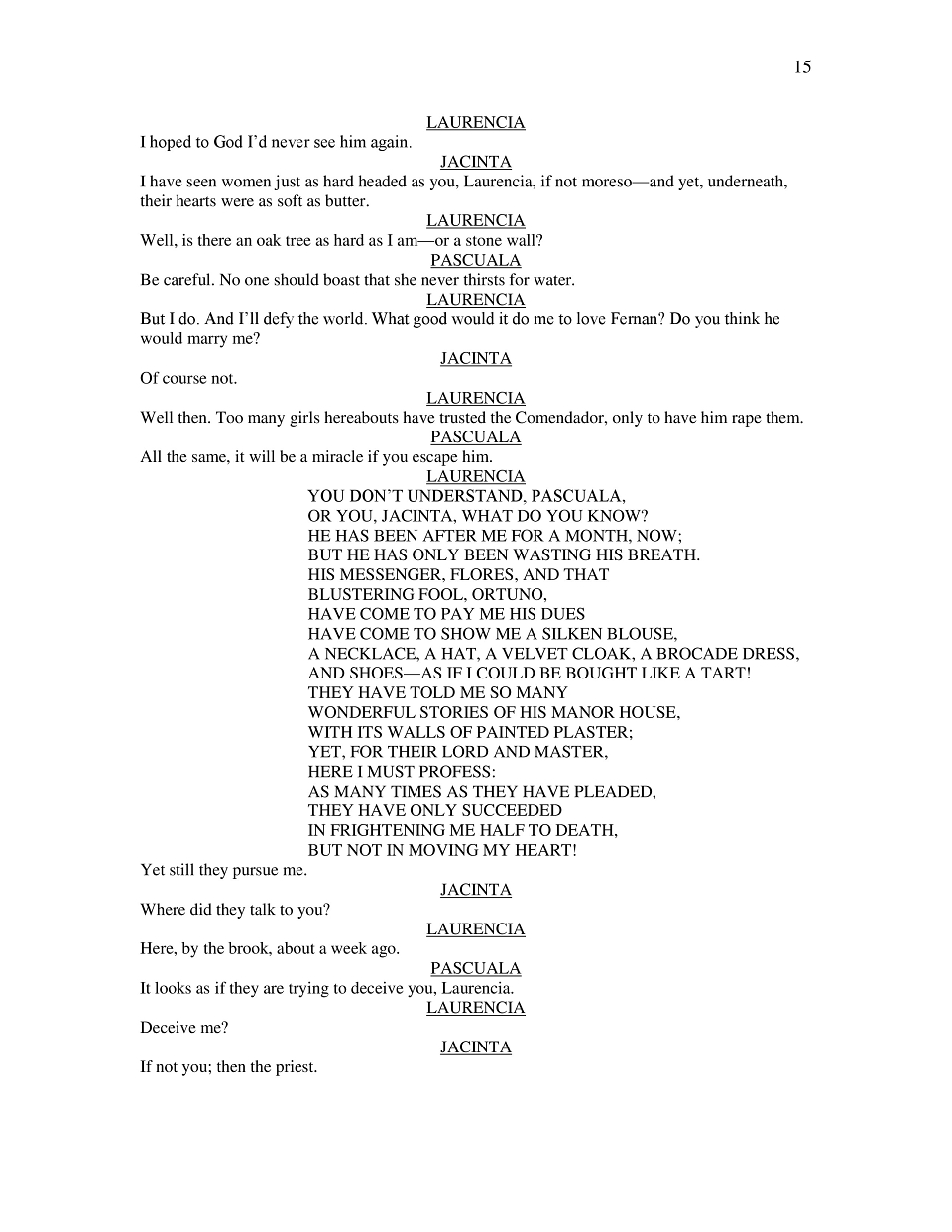
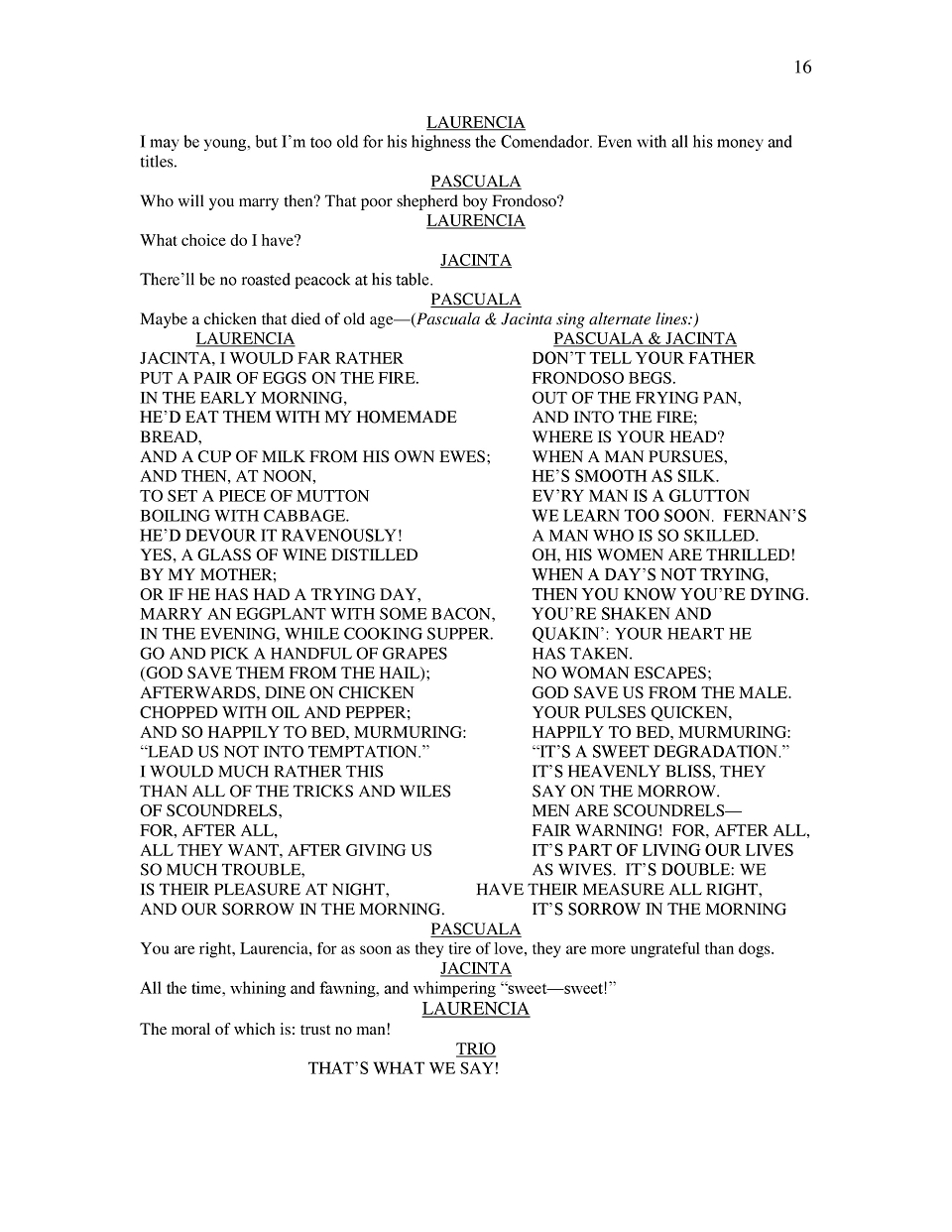
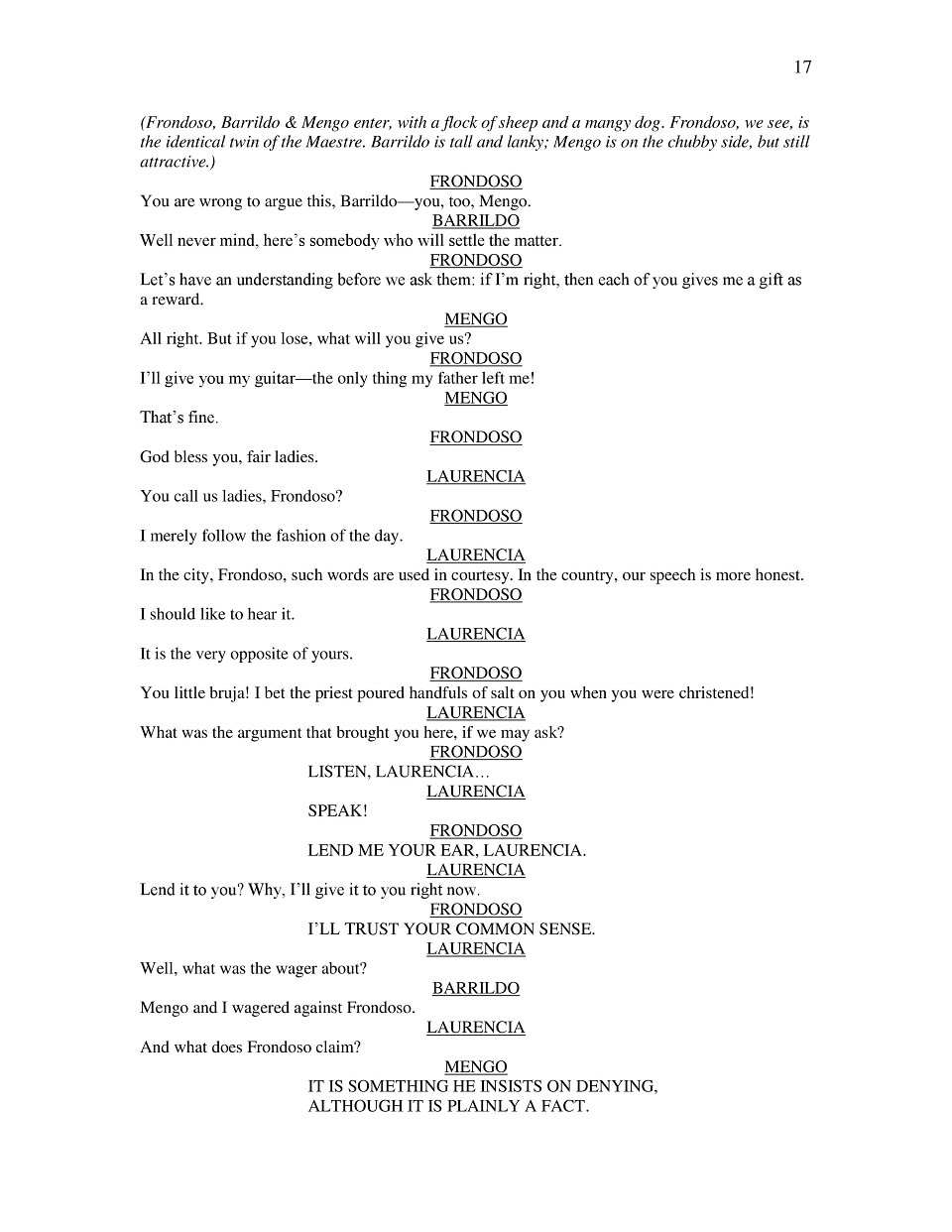
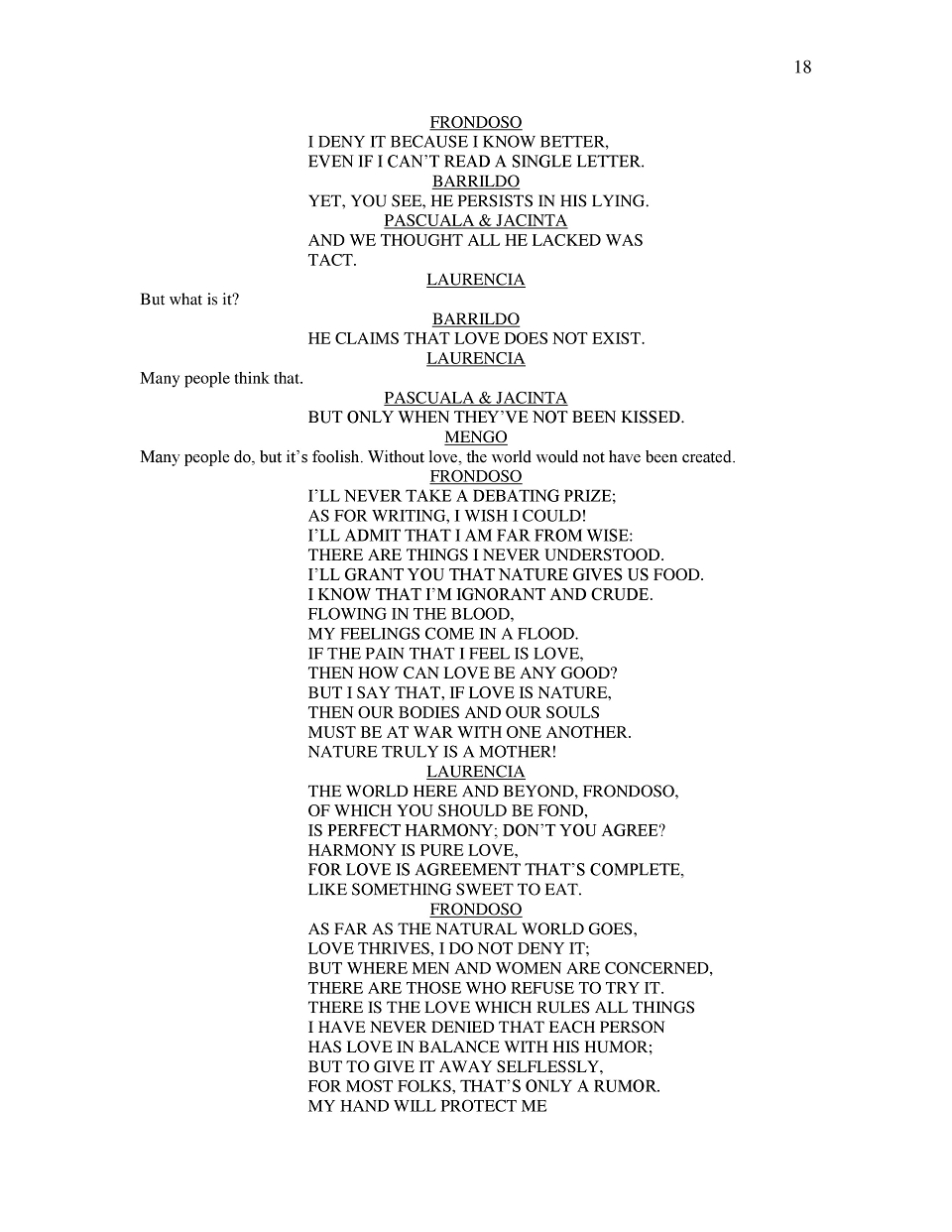
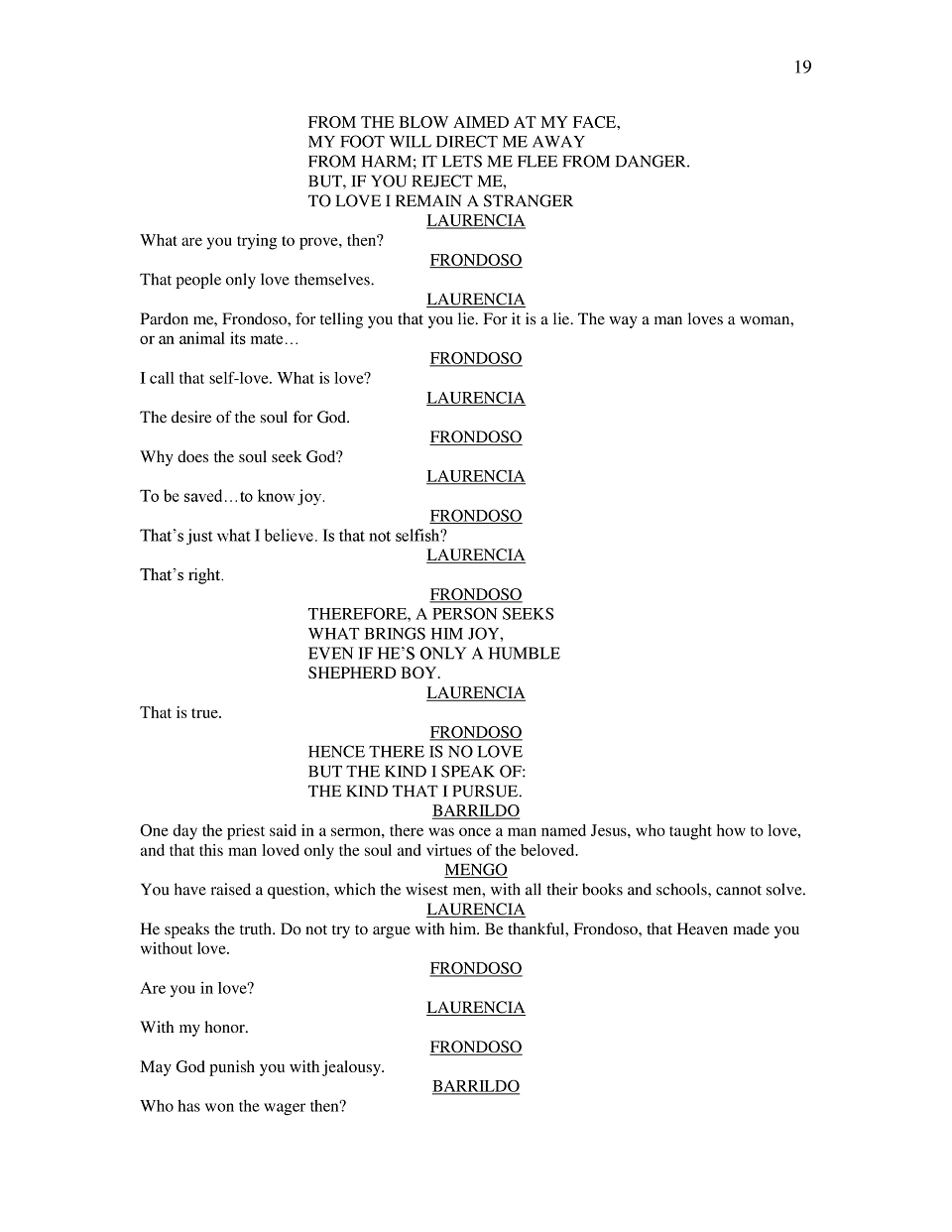
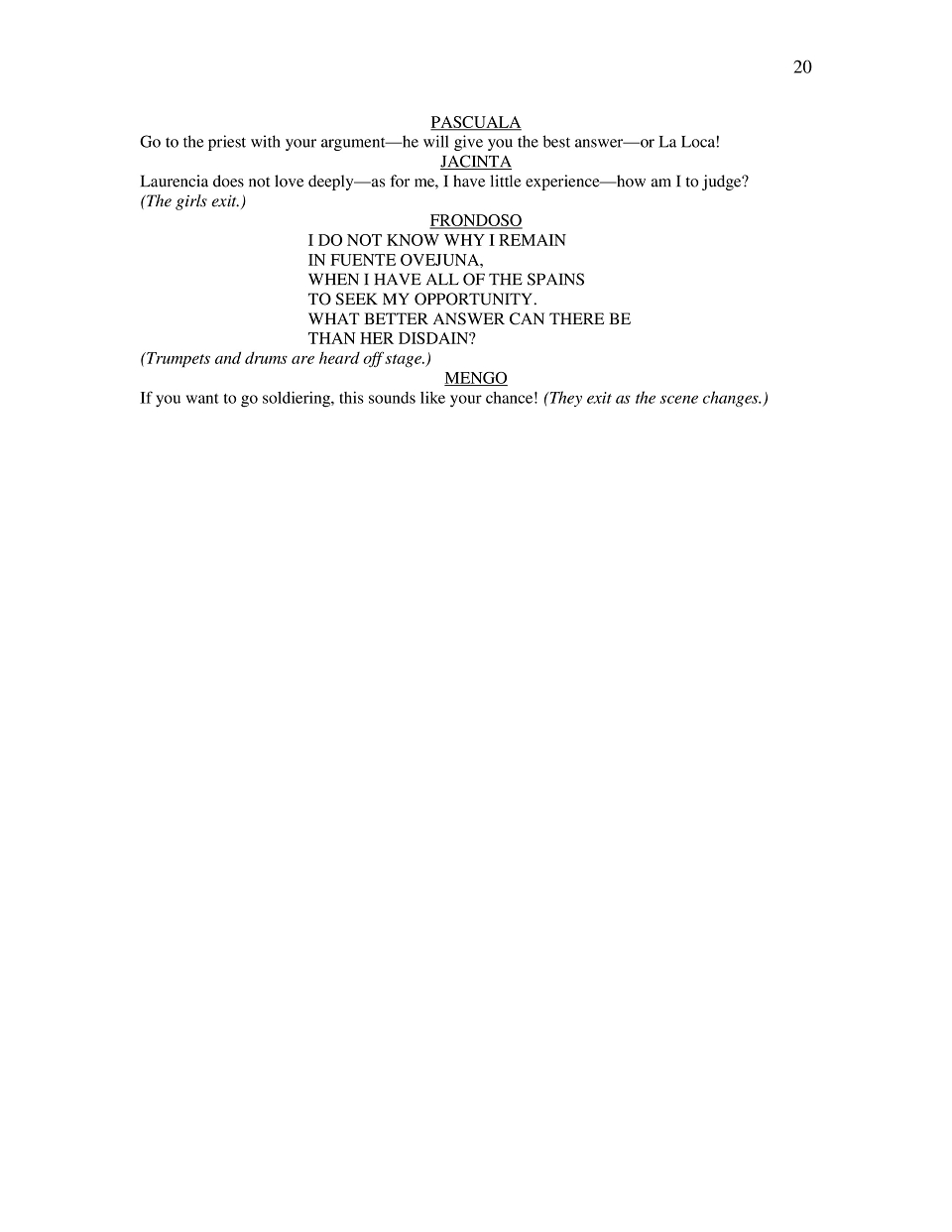
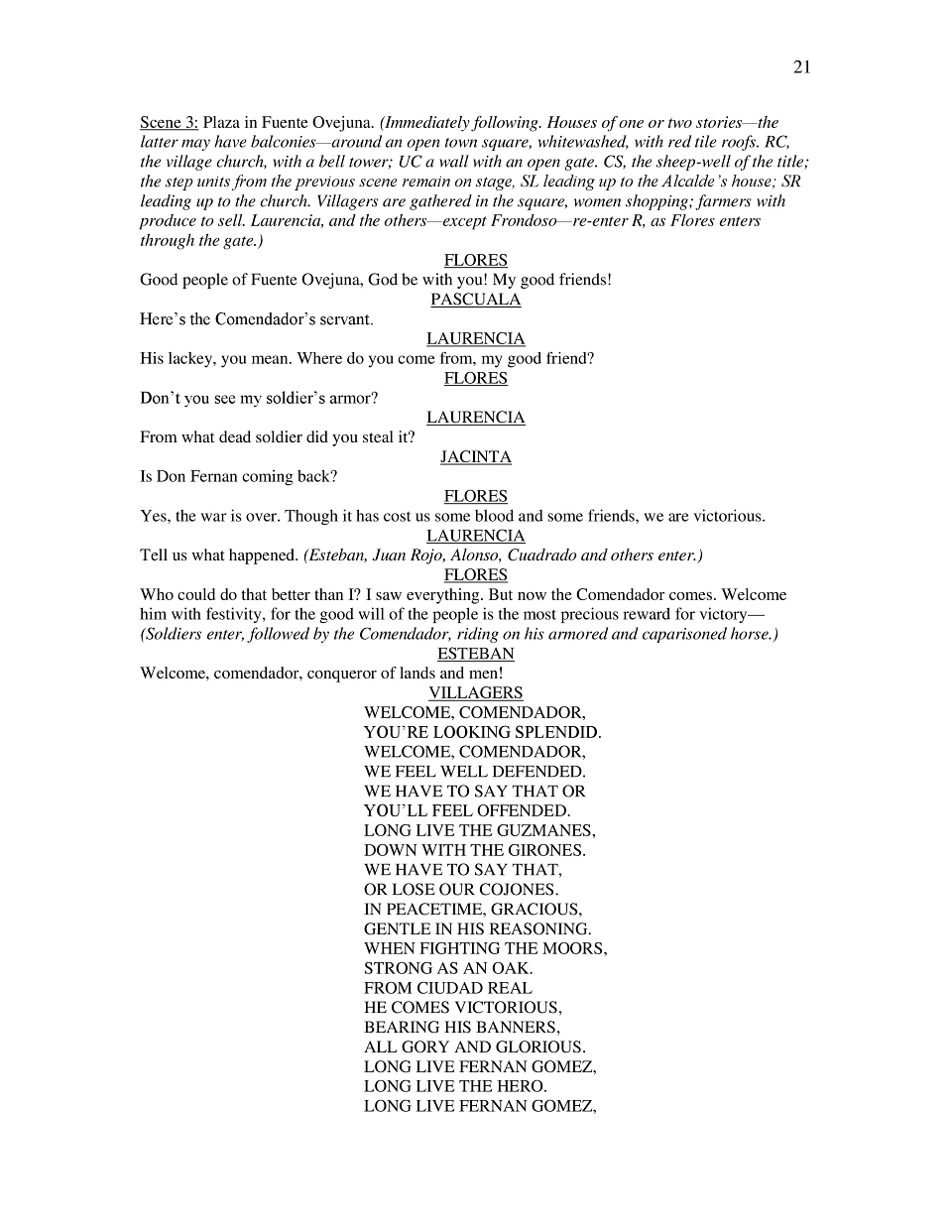
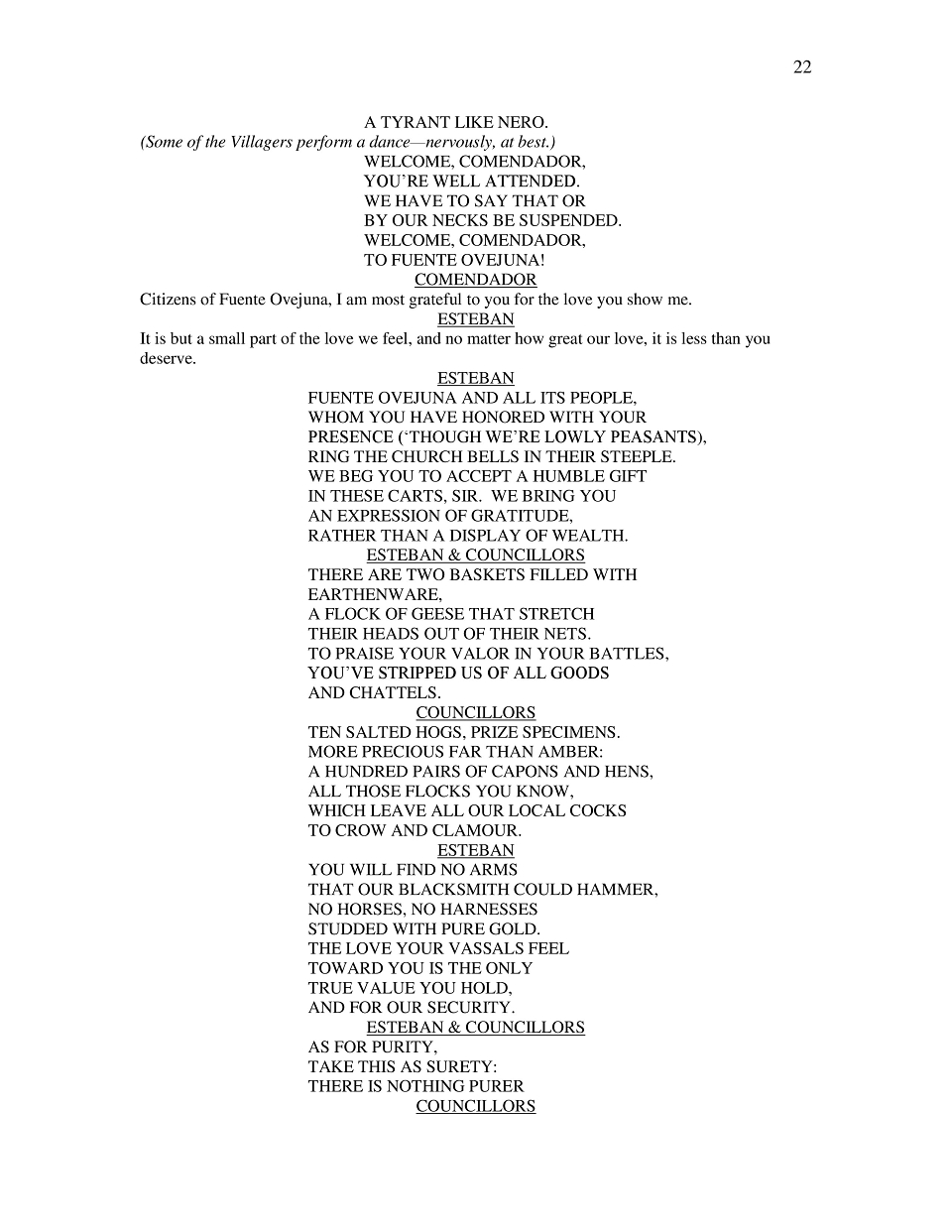
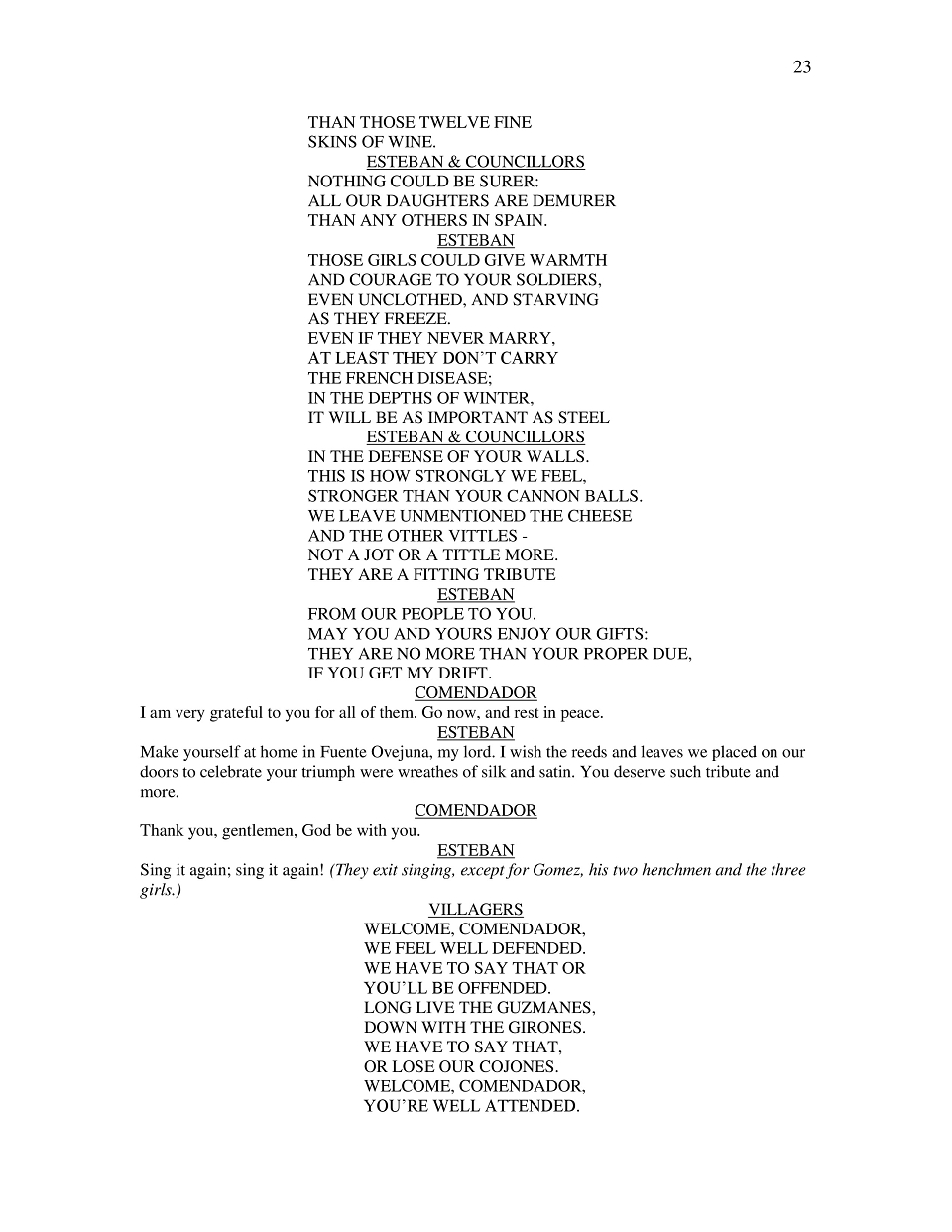
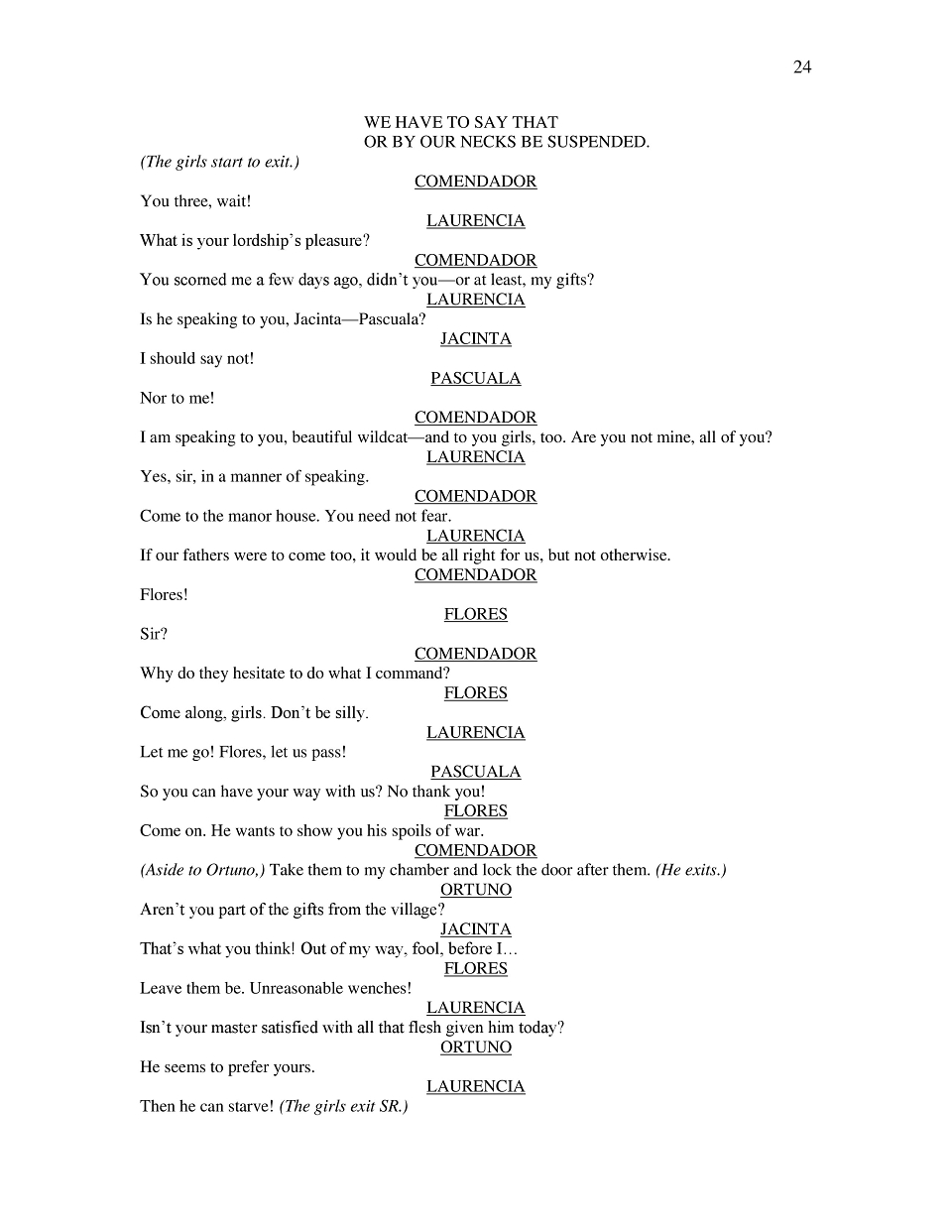
Copyrighted libretto (script for a musical comedy) of "Zarzuela de Ovejunador (The Sheepherder's Opera)," my adaptation and pseudonymous (reversing my first and middle names) of Lope' de Vega's Spanish Golden Age (early 17th century) comedy "Fuente' Ovejuna (The Sheep Well)," with music and additional lyrics by Stephen Cornine.
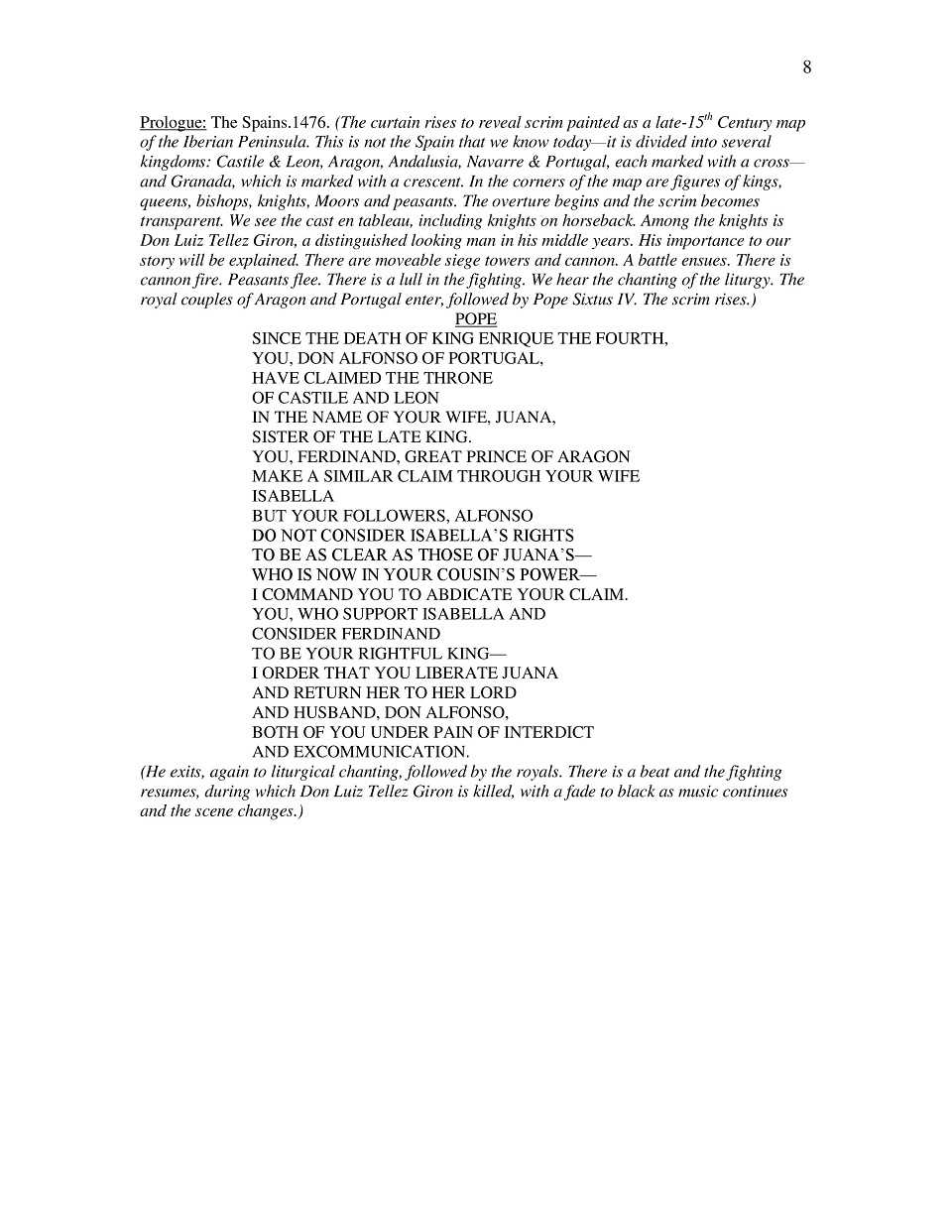
The original play by de Vega (the Spanish Shakespeare) consists of two plots, only very tenuously connected by a single character--the antagonist, the Comendador--both set in the late 15th century during the Reconquista, the unification of the various kingdoms of the Iberian peninsula under Ferdinand of Aragon and Isabella of Castile-Leon (who later sponsored Columbus' voyages to the New World) through their marriage and wars against the Moors.
The first, and more familiar plot concerns an actual peasant revolt against abuses by the nobility, particularly the feudal custom of droit de seigneur, which entitled the lord of the manor to "enjoy the favors" of a virginal peasant bride on her wedding night--even before her new husband was permitted to do so--as well as over-taxation and conscription of able-bodied peasant males, though untrained, into their armies as cannon fodder. The secondary plot concerns a historical revolt by some of the same nobility against the royal couple because the centralization of power would curtail their own privileges.
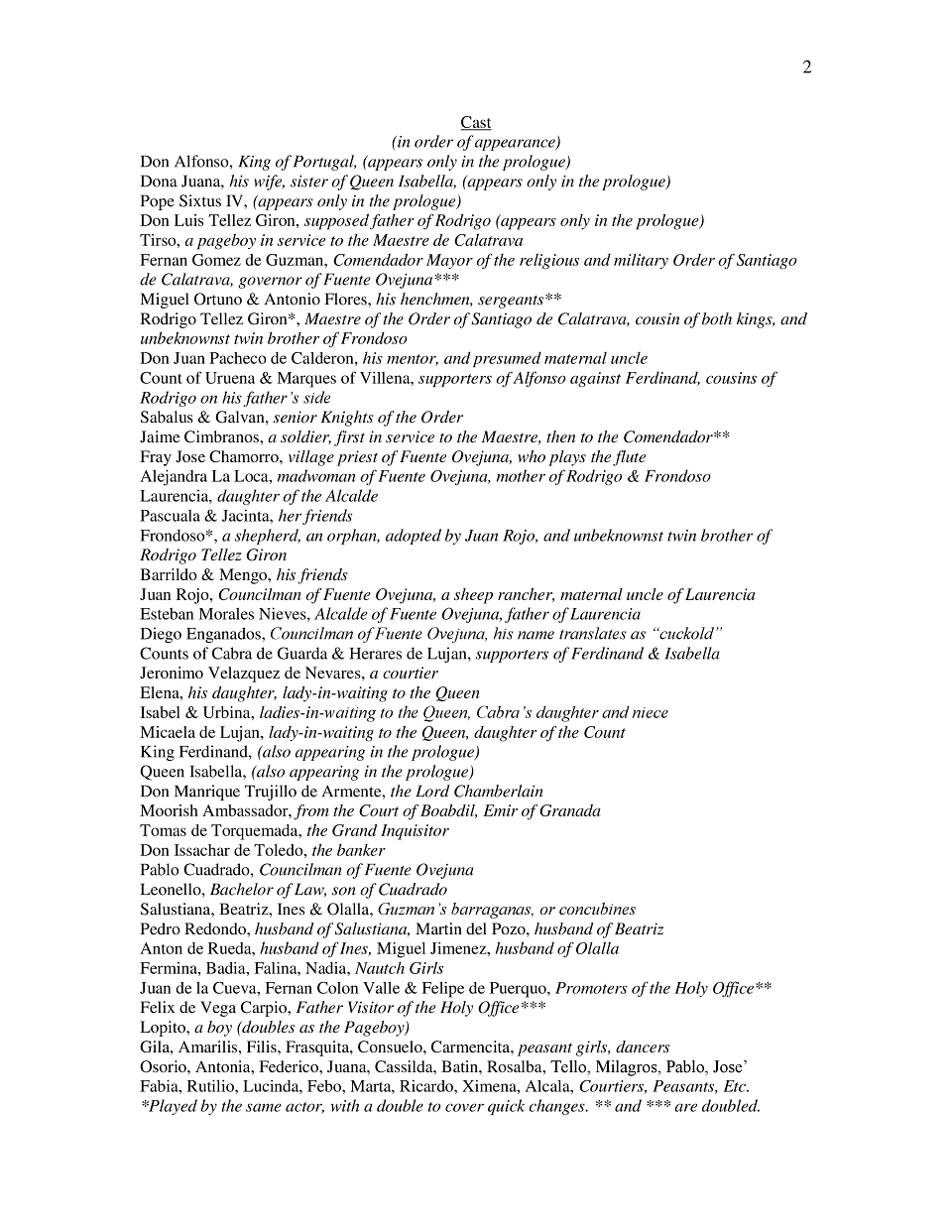
As written, the protagonist--hero--of neither was sufficiently interesting to entice a young leading singer-actor to accept either role. The logical solution, and to more closely unify the two plots, was to turn both the eponymous peasant Sheepherder, who leads the revolt when his spitfire fiancee is raped on their wedding night--and the newly elected young Maestre of Calatrava, who leads the revolt by the nobility--into identical twins who were separated at birth and brought up very differently.
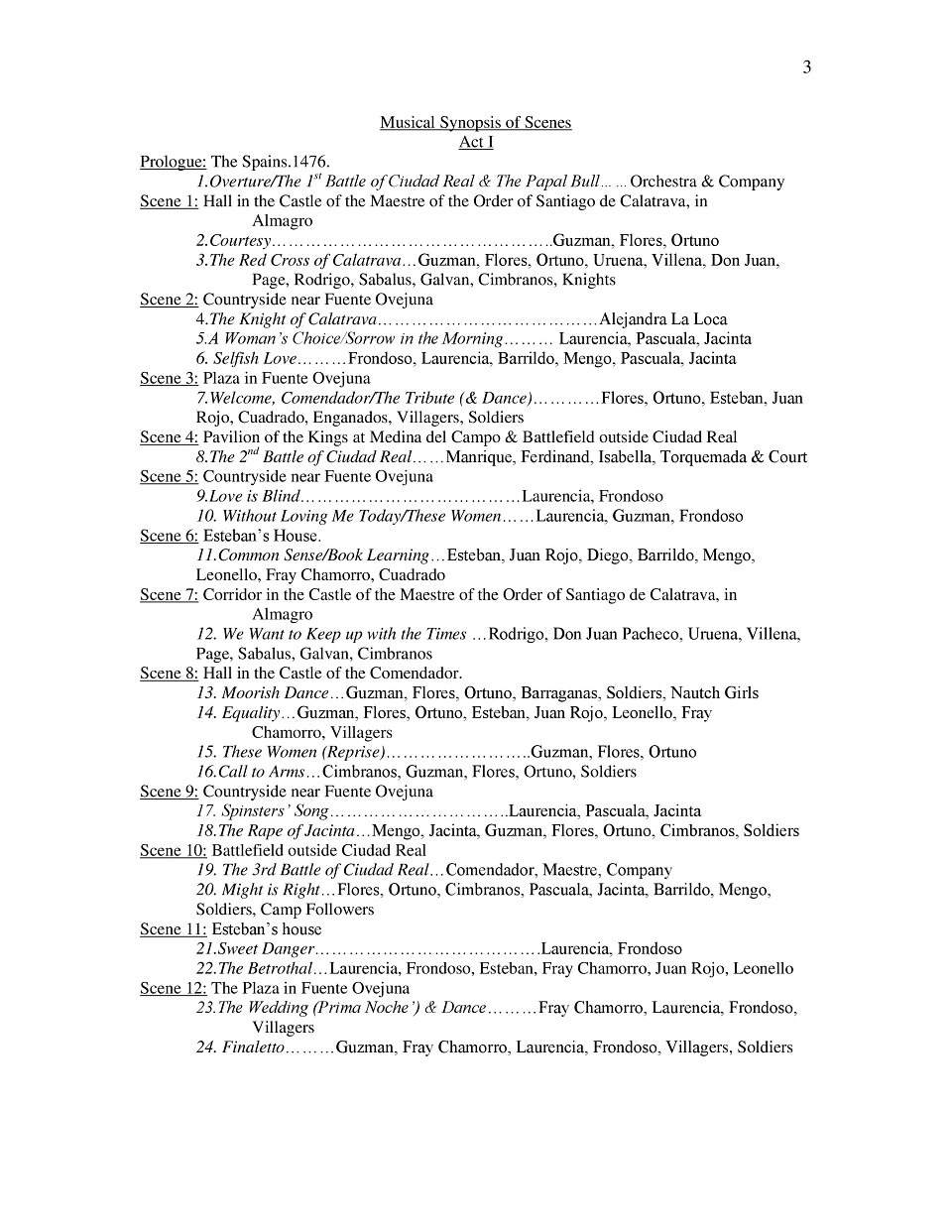
When the Comendador discovers the secret of their identities, he determines to destroy them both--the Sheepherder for obvious reasons--and the Maestre because the villain had hoped to inherit that title himself, having murdered the previous holder, the father of the twins, during the battle sequence which comprises the fully-staged Overture/Prologue.
This also entailed the creation of a new and entirely original role, the mother of the twins, once a simple and naive peasant girl who was seduced and abandoned by the previous Maestre, and now become the local madwoman. In addition, I brought onstage a character only mentioned in passing in de Vega's version, the local priest who performed the marriage in which she was was--bigamously, it turns out--united with her seducer.
All this is much less complex onstage than it is on paper. The only additional complication is the fact that both the roles of the Sheepherder and the newly elected Maestre are to be performed by the same actor-singer, who must make frequent and rapid changes in costume and adjustments to characterization.
While there are an extraordinarily large number of supporting characters, many of those roles may be doubled, tripled or even quadrupled, so long as the central concept of the identical twins is not undercut. Most of the nobles, peasants, soldiers and camp-followers require only one costume each, with accessories. The multiple and rapidly changing scenes may easily be conveyed with rear-projections, area lighting and minimal furniture and three-dimensional elements.
If interested, the libretto is available in PDF and selected songs in mp3. Please contact me directly with your c.v.
MADEIT CREDITS
-

Robert D CarverLibrettist (Bookwriter-lyricist)