Marta Kochanek
Creative Director
ABOUT
The TV industry: exposed - Television
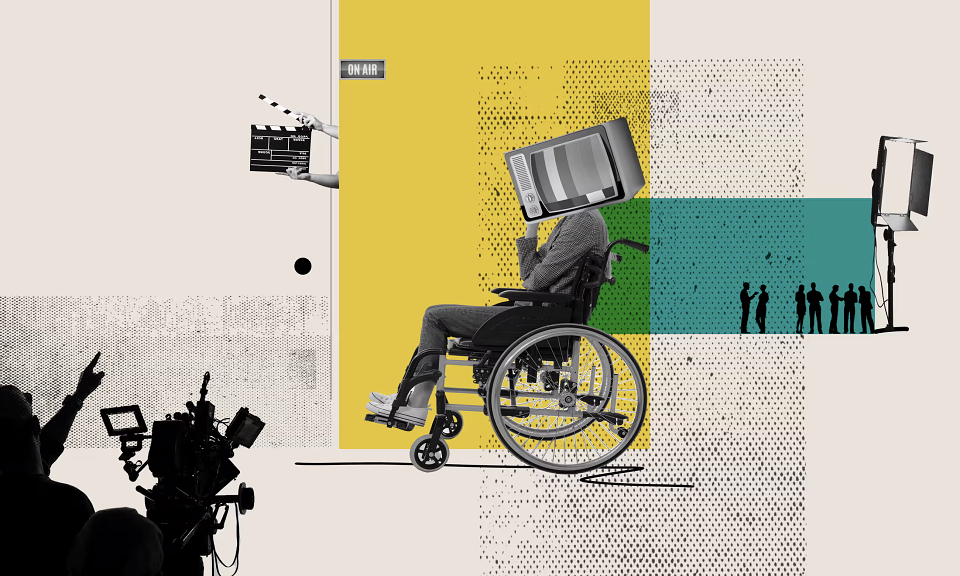
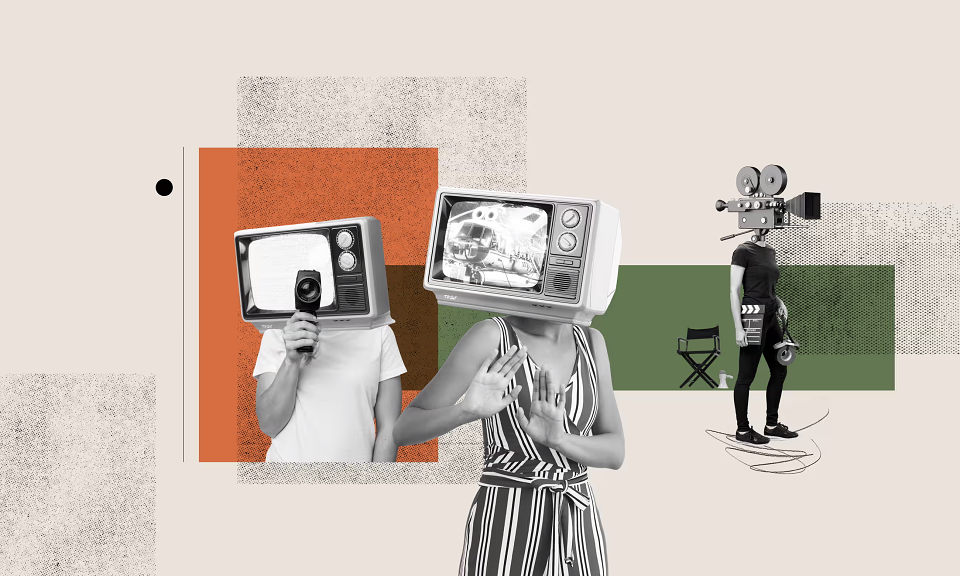
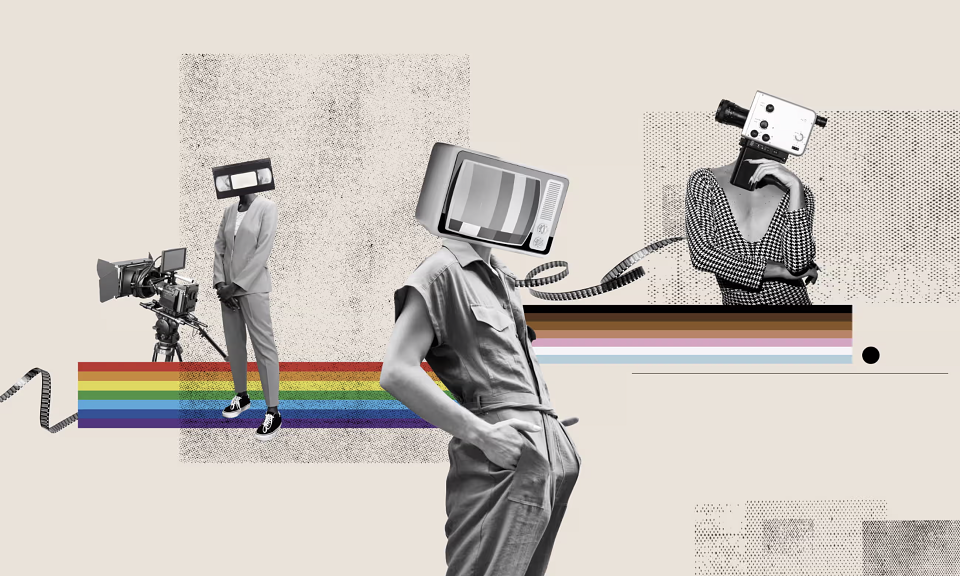
A series of 4 illustrations about the experience in the TV industry as: disabled; women; people of colour and LGBTQ for The Guardian magazine
‘My colleagues ignored me for a year’: what it’s really like to work in TV as a disabled person
"They’ve been shunned, had to starve on set and asked if they have sex with their mobility aids … as we kick off a week of exposés, TV professionals with disabilities tell all.While there has been improvement in disability representation in recent years, it’s still common to switch on the TV and only see non-disabled people. In the UK, 22% of people have a disability, yet disabled talent makes up just 7.8% of the people we see on screen and 5.2% behind the camera.The Guardian has spoken to a number of disabled professionals to hear what it’s really like to be disabled in British TV. Some are famous faces; others work behind the scenes. Here, five disabled people tell all."
‘He fell on my body, then bit me’: what it’s really like to work in TV as a woman
The television industry has a problem with the way it treats women. According to a survey by Film + TV Charity, 39% of female employees have experienced sexual harassment at work, while 67% have experienced bullying. Bectu, the union that supports TV and film workers, found that two-thirds of those who had experienced abuse did not report it for fear of being blacklisted.Other studies have reported mothers being prevented from working due to childcare issues, and a serious female under-representation in leadership positions, despite Ofcom finding that women make up around 45% of TV roles."
‘I was given training to de-gay my voice’: what it’s really like to work in TV if you’re LGBTQ+
"Despite an increase in on-screen representation and hits such as It’s a Sin and RuPaul’s Drag Race UK, being LGBTQ+ and working in television can still be difficult. It has been described as a “cloak-and-dagger” industry where most people work freelance and therefore are often afraid to speak up about incidents of homophobia or transphobia. The discrimination and harassment that LGBTQ+ people experience is often horribly insidious; dressed up as “banter” or dismissed as ignorance.Here, seven anonymous LGBTQ+ people who work in television, in front of and behind the camera, share their experiences."
‘I’ve never experienced such abject racism’: what it’s really like to work in TV as a person of colour
"On the surface at least, British TV is finally waking up to race. The success of a new wave of proudly Black British programmes such as Steve McQueen’s Small Axe and Michaela Coel’s I May Destroy You, allied with bold new diversity initiatives such as Channel 4’s Black to Front has had a huge impact in terms of demonstrating the commercial and critical viability of shows centring the Black experience.At this critical juncture for media diversity, the Guardian spoke to five Black and Asian Britons in the industry about their experiences: the discrimination they have faced and whether they have hope for the future."
© 2021 Barbara Gibson, Marta Kochanek
MADEIT CREDITS
-

Marta KochanekCreative Director -

Barbara GibsonCreative Director -

So Good Studio Ltd