ABOUT
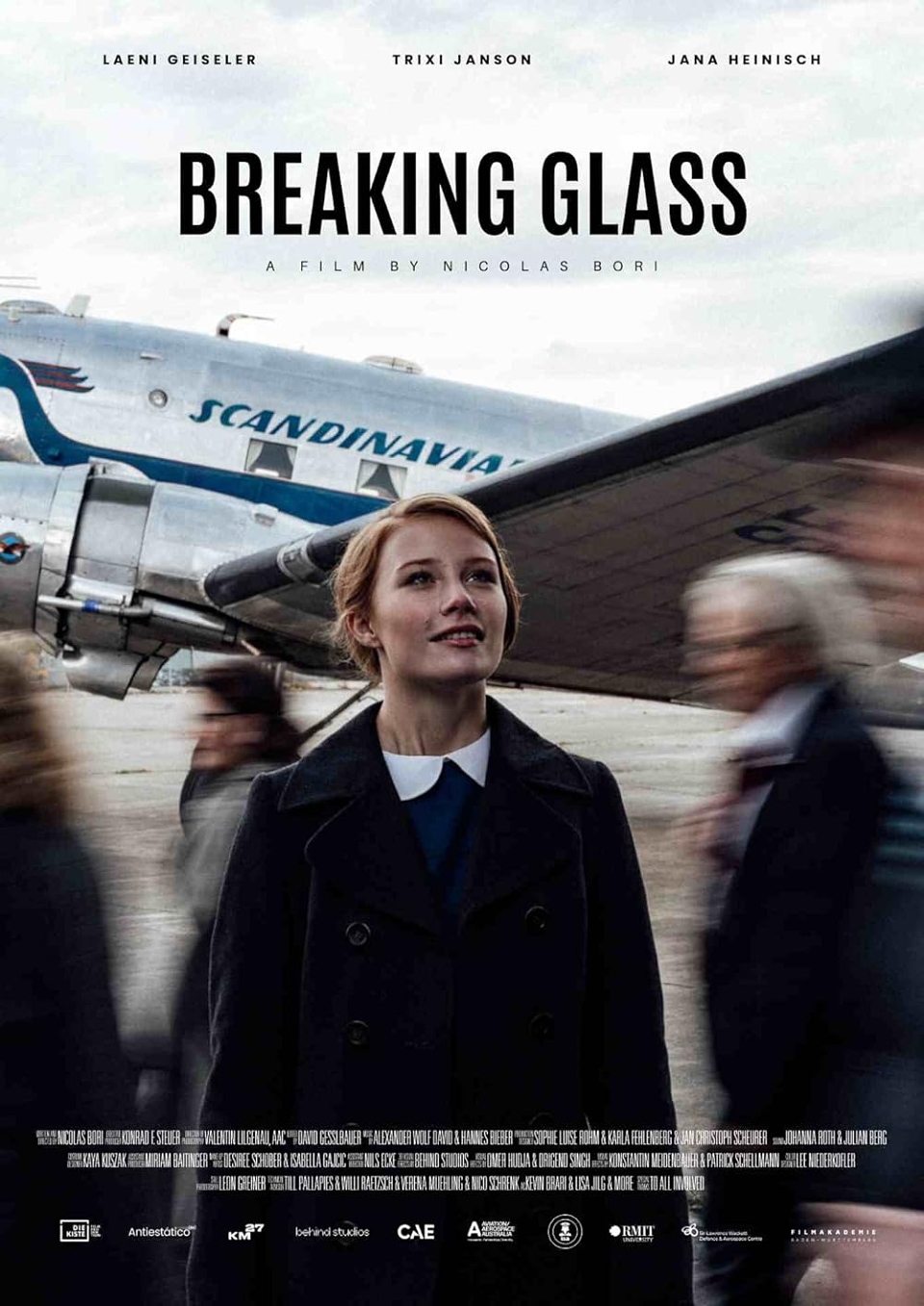
In a small town during the 1950s, where gender roles were rigidly defined, dreams soared against the wind. "Breaking Glass" follows the journey of a young girl with a passion for aviation that defied societal norms. Based on real stories from female aviation pioneers.
The short film began with extensive research on the subject, studying the biographies of the pioneering women in commercial aviation, and eventually making contact with 3 of the first women globally, now in their 70s. From the conversations that emerged, a script was created that represents their stories as a whole.
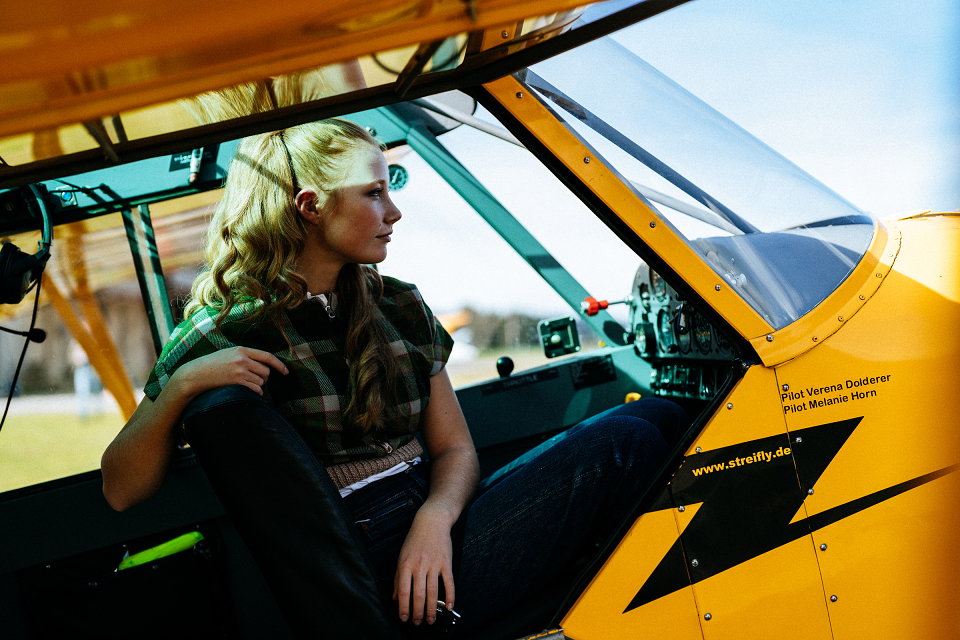
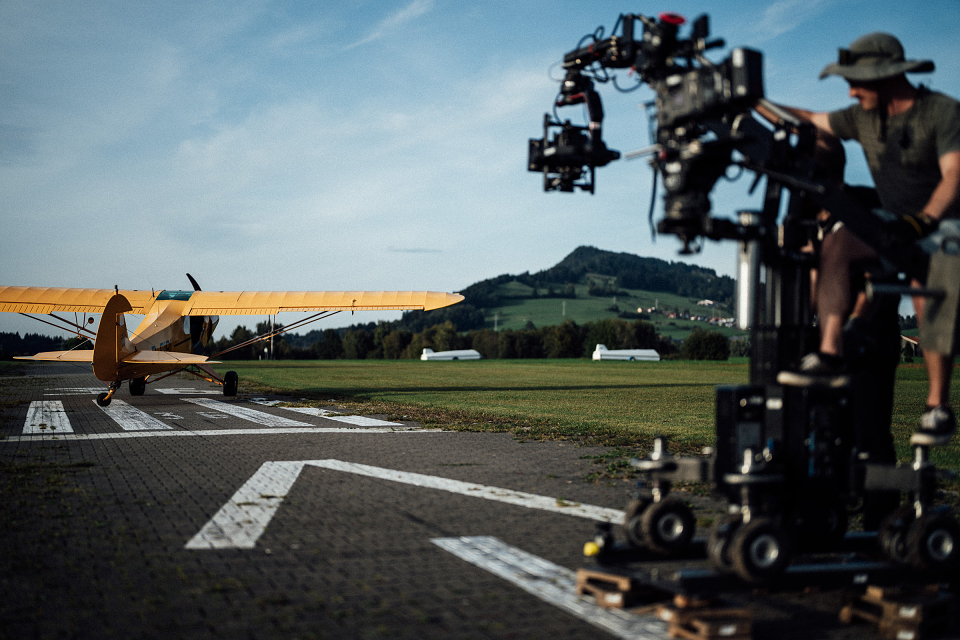
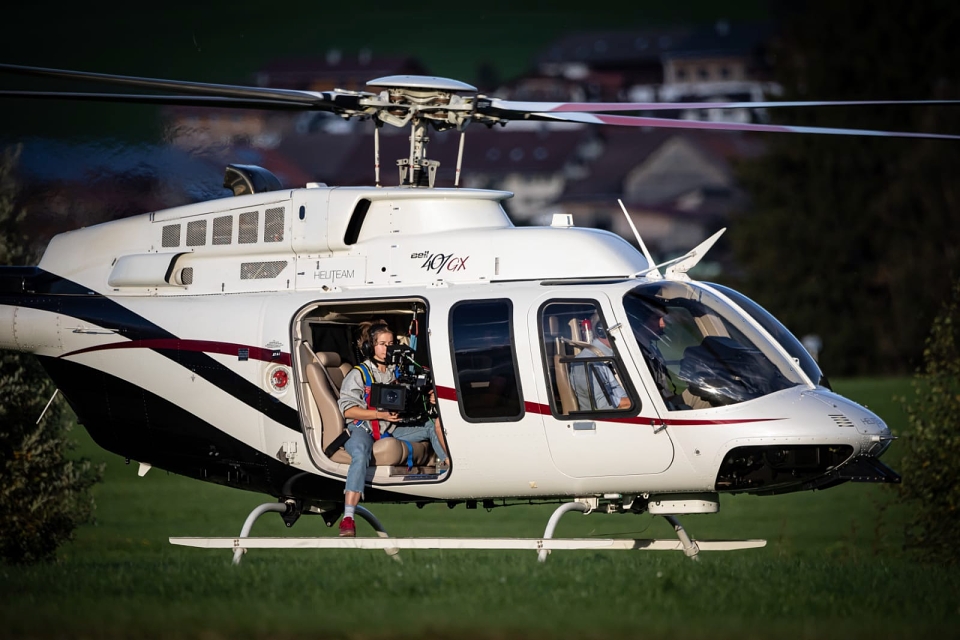
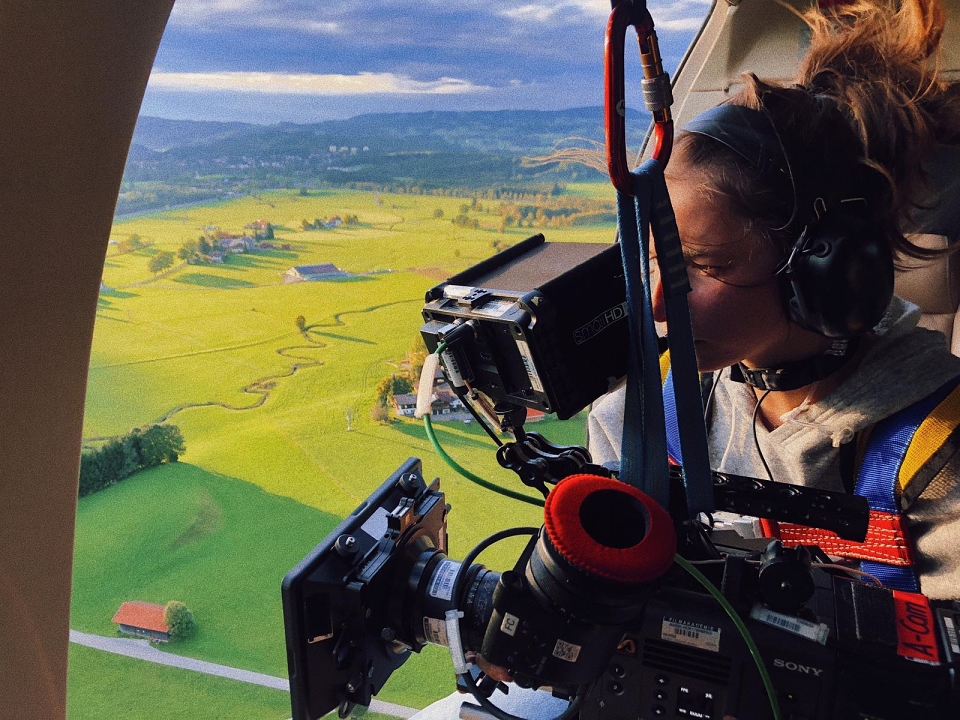
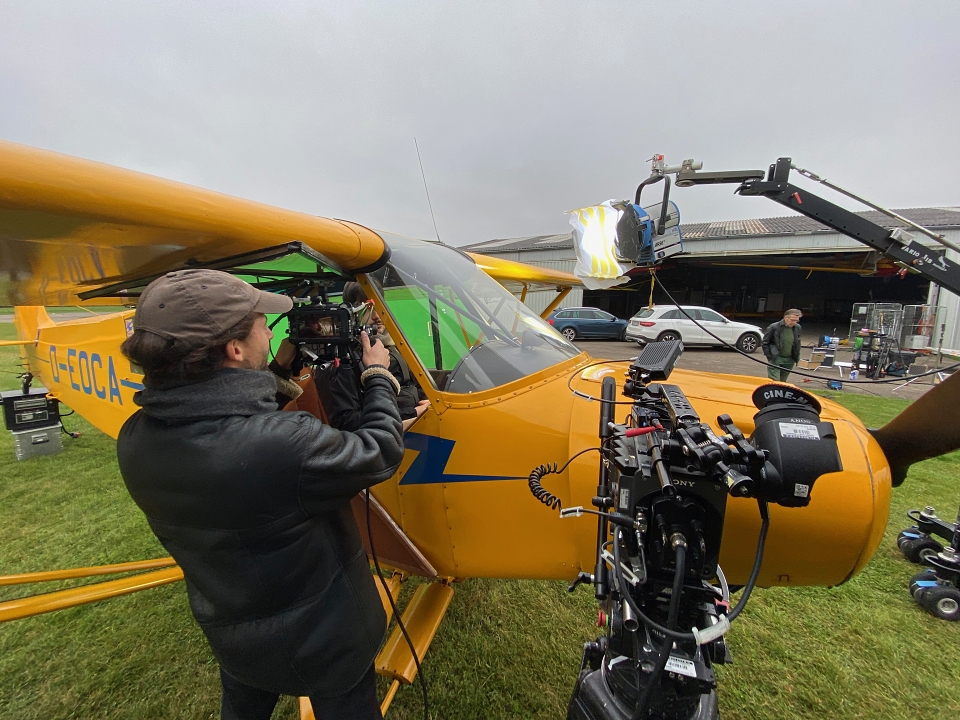
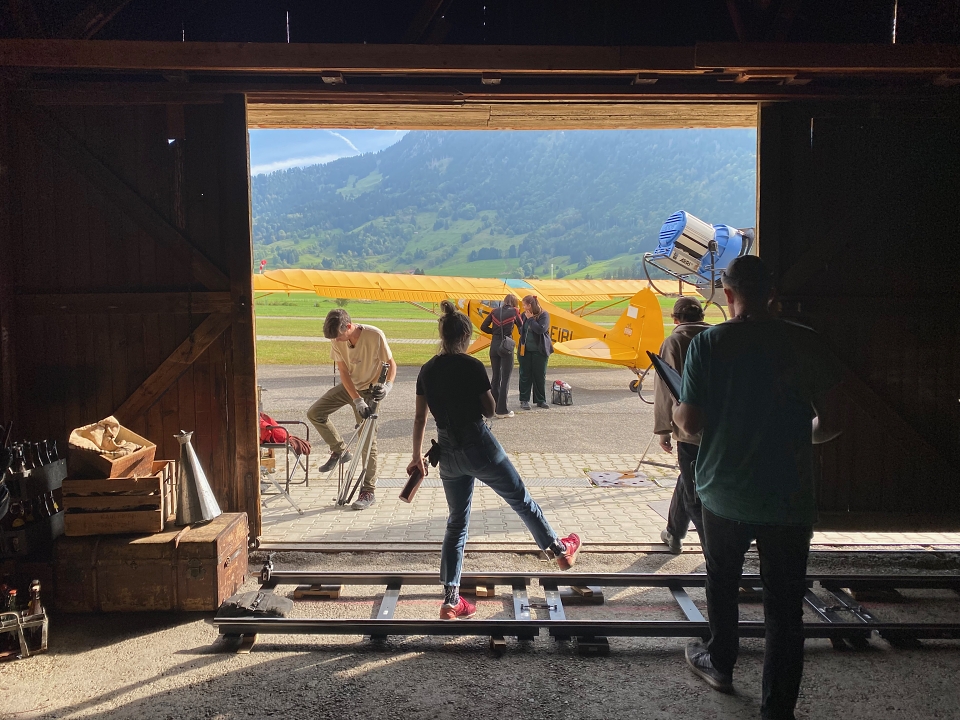
The script was extremely ambitious from the start, due to the level of craft and production value aimed for, as well as the number of scenes and their complexity. Historical scenes were set in three different periods (50s, 60s, and 70s), and not only did props and costumes need to be adjusted, but historical aircraft in flying condition also had to be sourced, along with air-to-air scenes filmed using a helicopter. In another case, a formation flight of 4 historical aircraft was used for a particular scene.
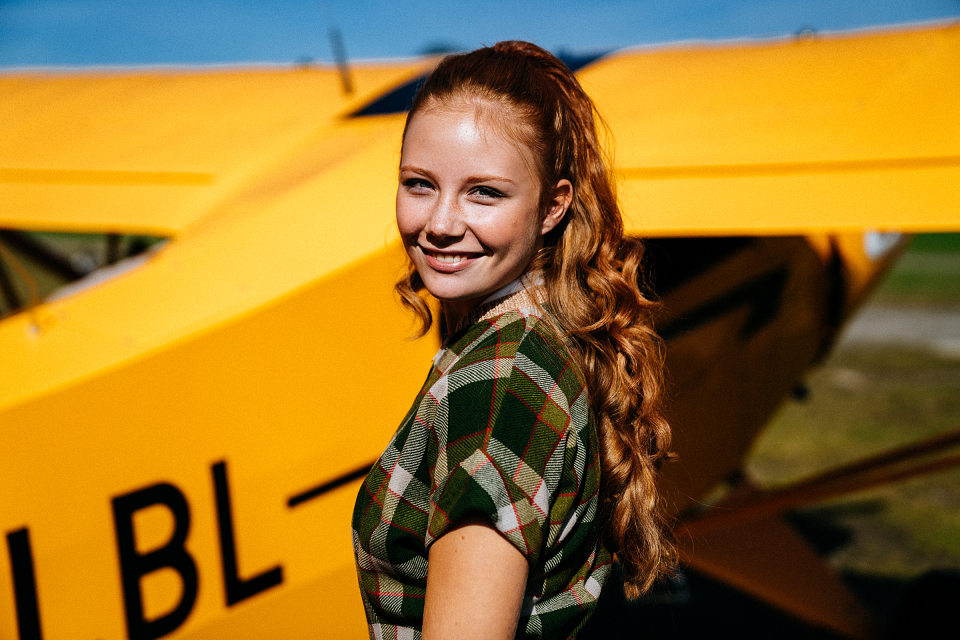
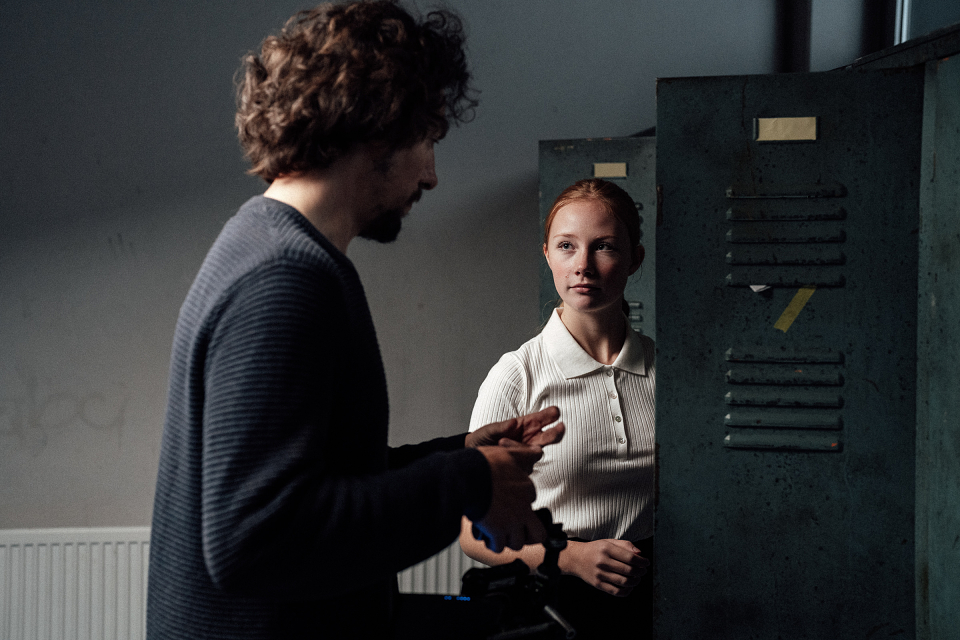
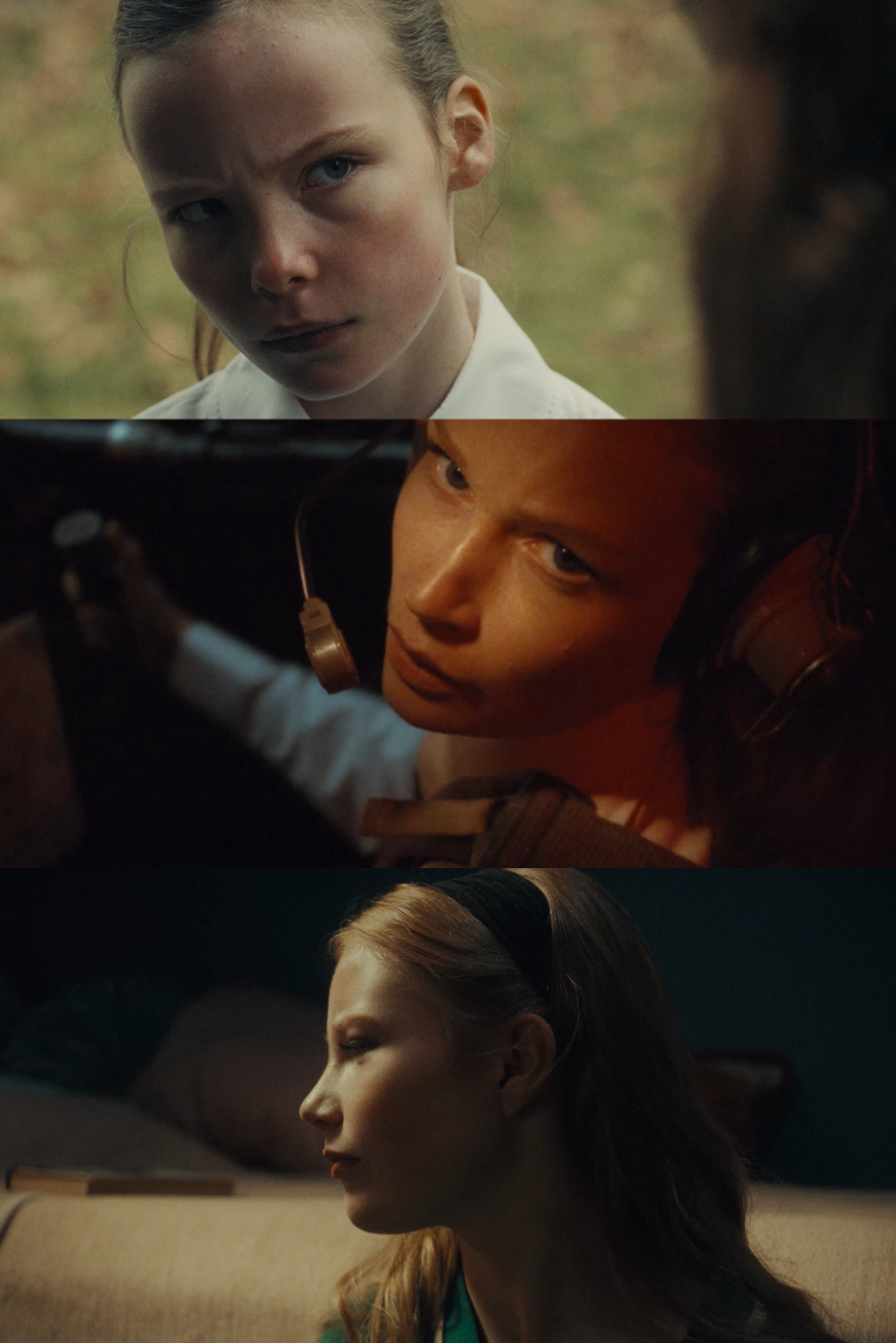
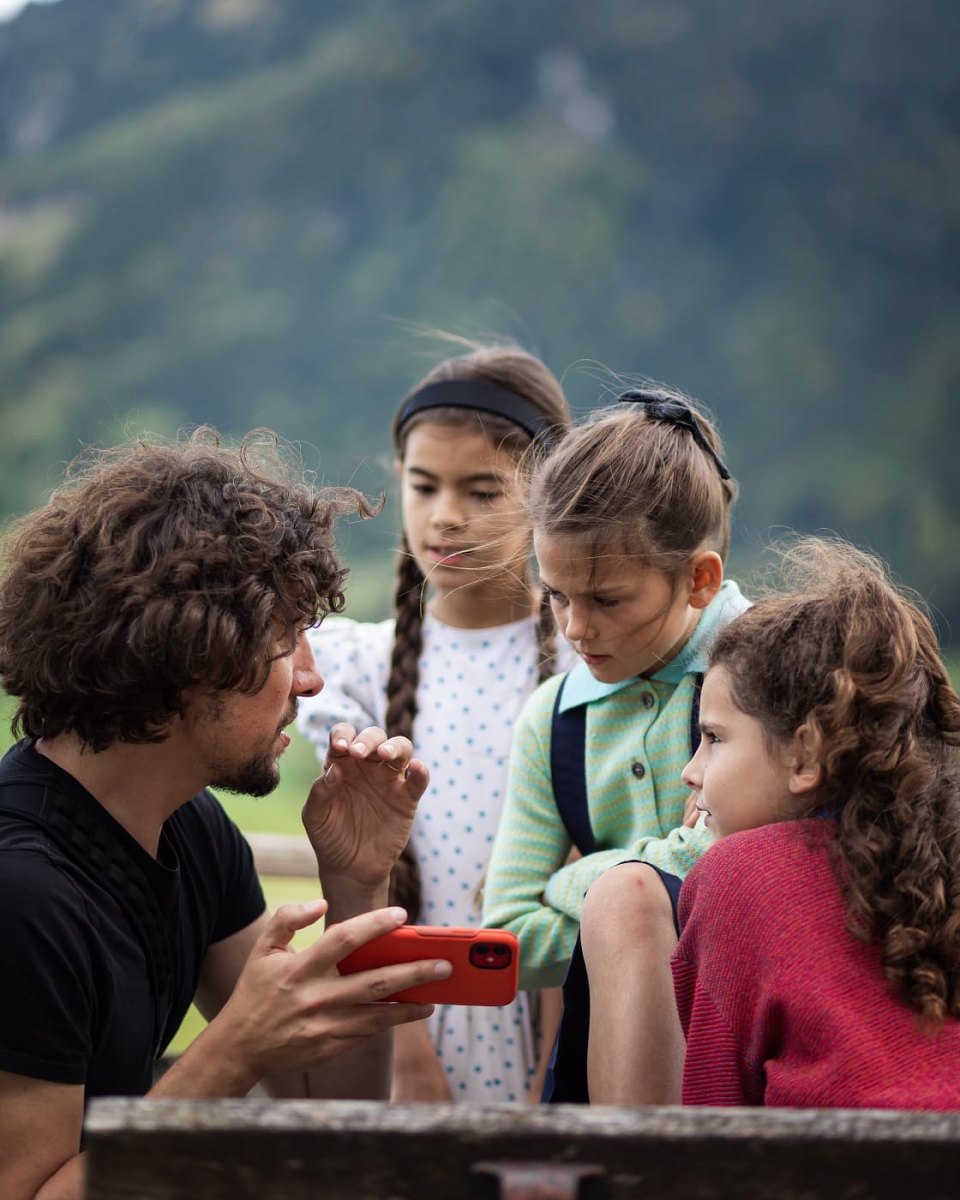
Casting posed a significant challenge as well, as there was a need to find 3 actresses who closely resembled each other physically and didn’t require makeup or special effects to link them, across three different age ranges. Additionally, they needed to have the required qualities for the performances, with two of the actresses being minors.
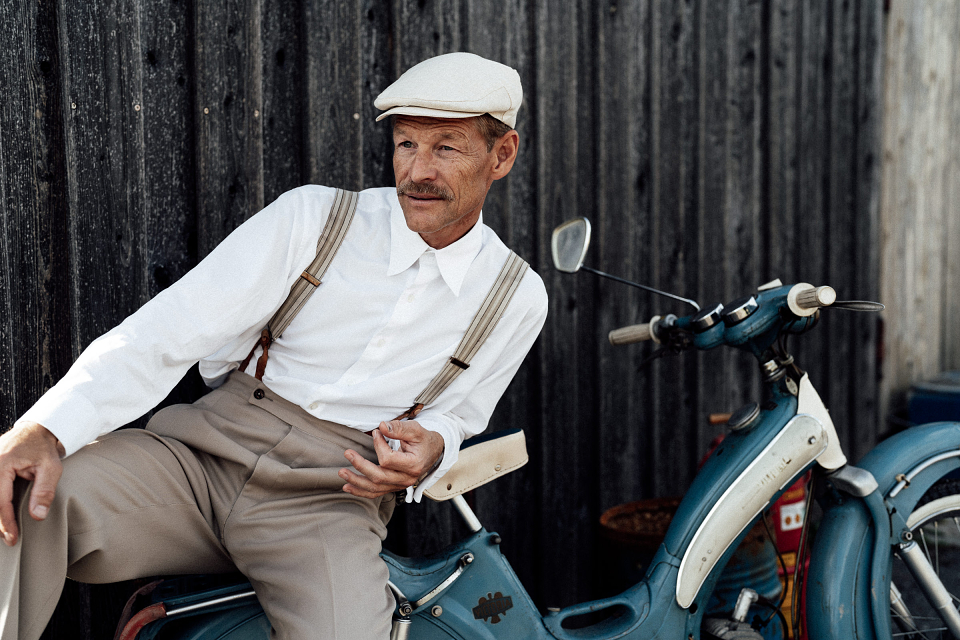
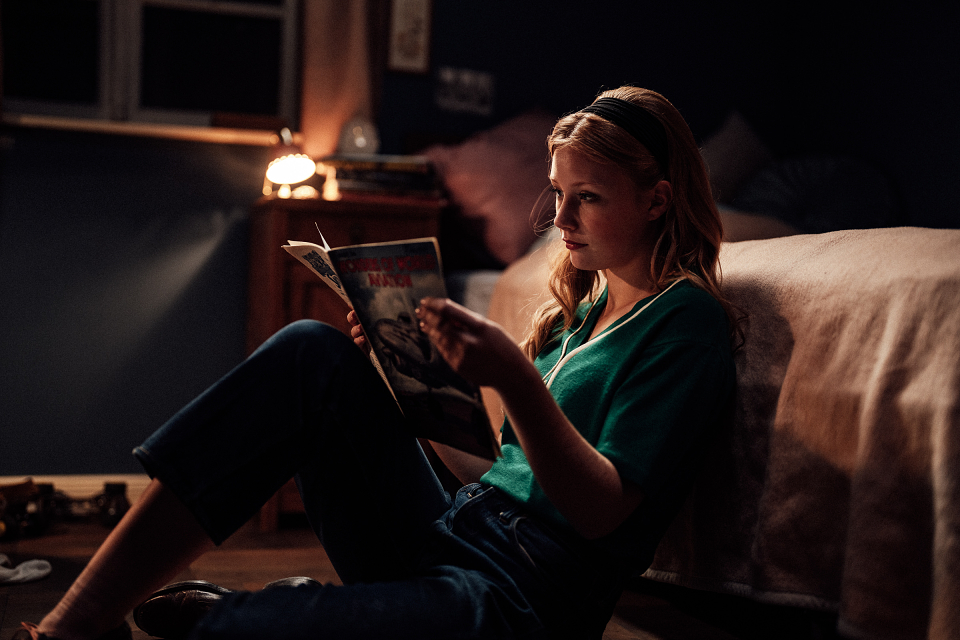
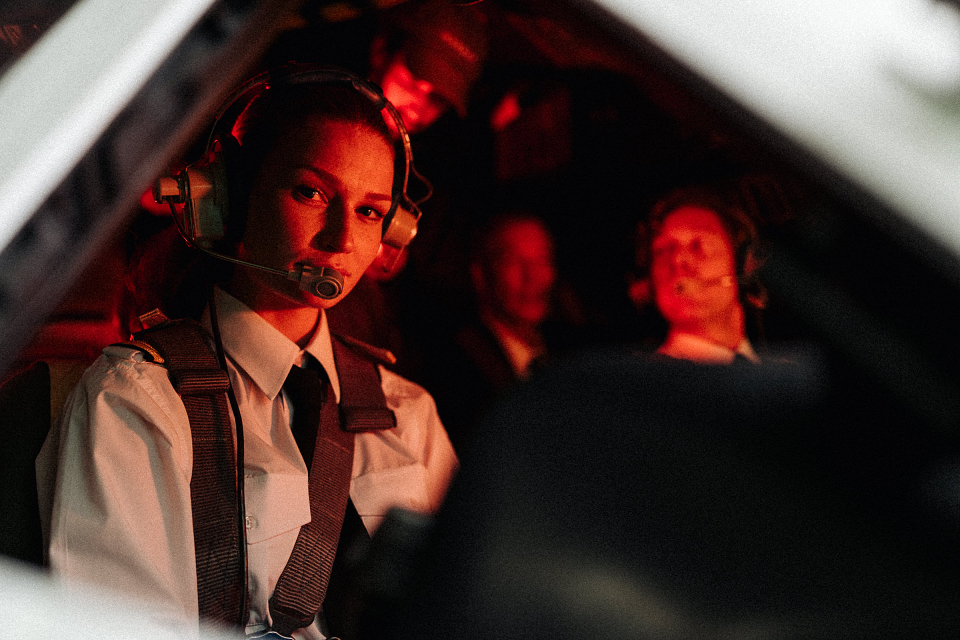
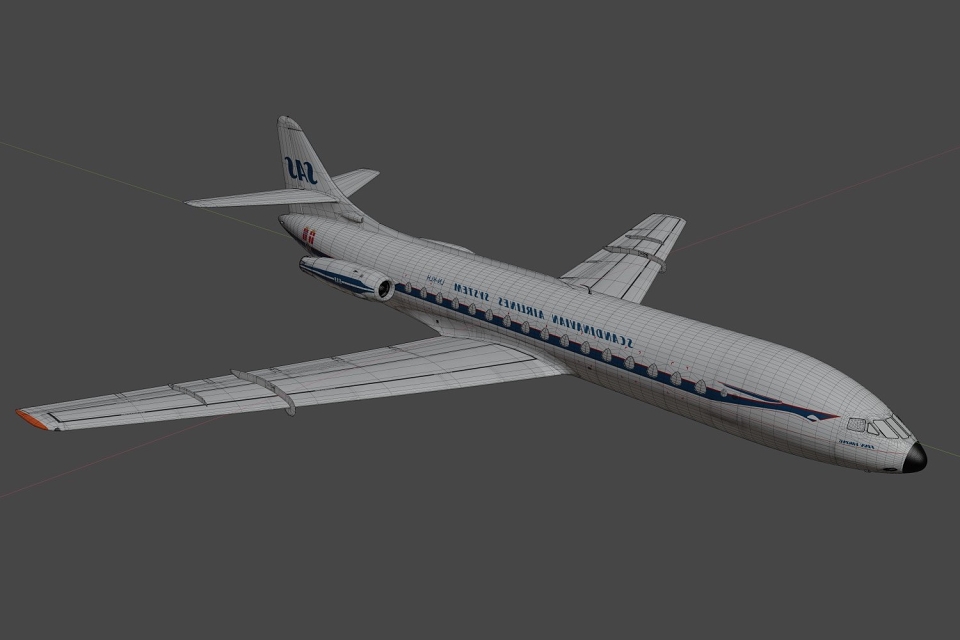
In terms of art direction, great attention was paid to accuracy in all historical aspects of the film. This created a major challenge in finding the right locations and aircraft for the story, such as the 1969 airline cockpit during a stormy takeoff. These analog cockpit interiors from large airline jets are extremely difficult to find in good condition, as they are first-generation jet aircraft from the 60s that have not been in active service for decades. Fortunately, the last example still in operation (but not in flight) was located in Stockholm, where sound was recorded and 3D scans were taken to recreate the aircraft in the CGI scene.
Additionally, a cockpit of the same aircraft was found in an enthusiast's garage, which had been salvaged and refurbished, including its electronic components. Since hydraulic machinery for simulating cockpit movements was unavailable, a less conventional solution was applied: vibrating sports platforms were installed beneath the pilots' seats to generate a similar effect at almost no cost. The production featured many such low-budget solutions, which, however, achieved a high visual value.
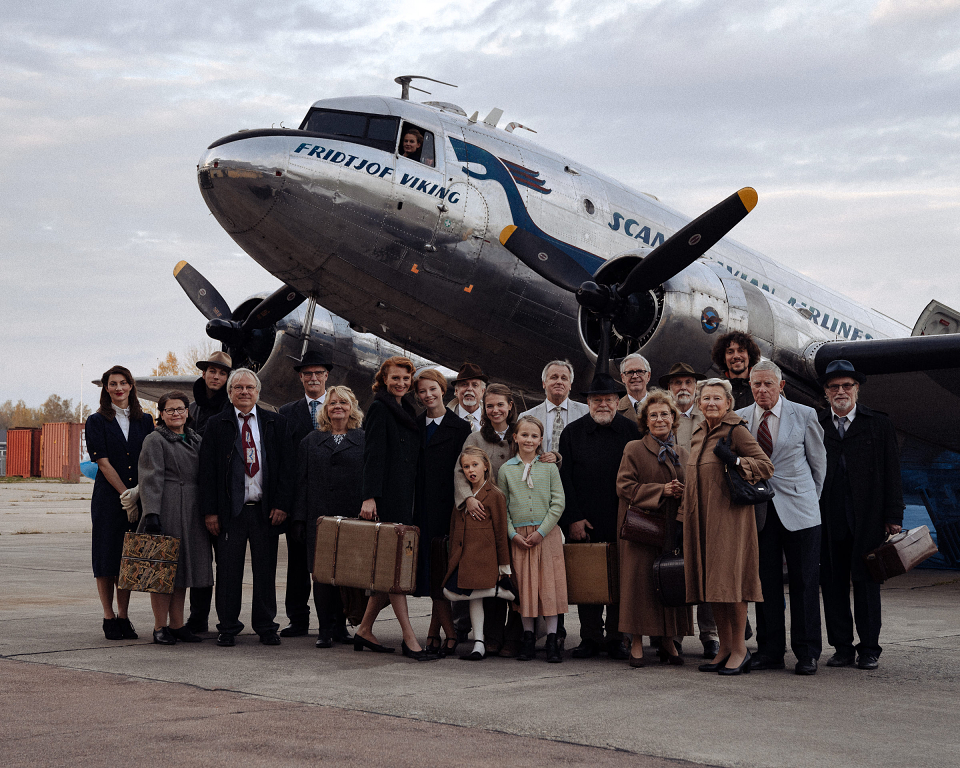
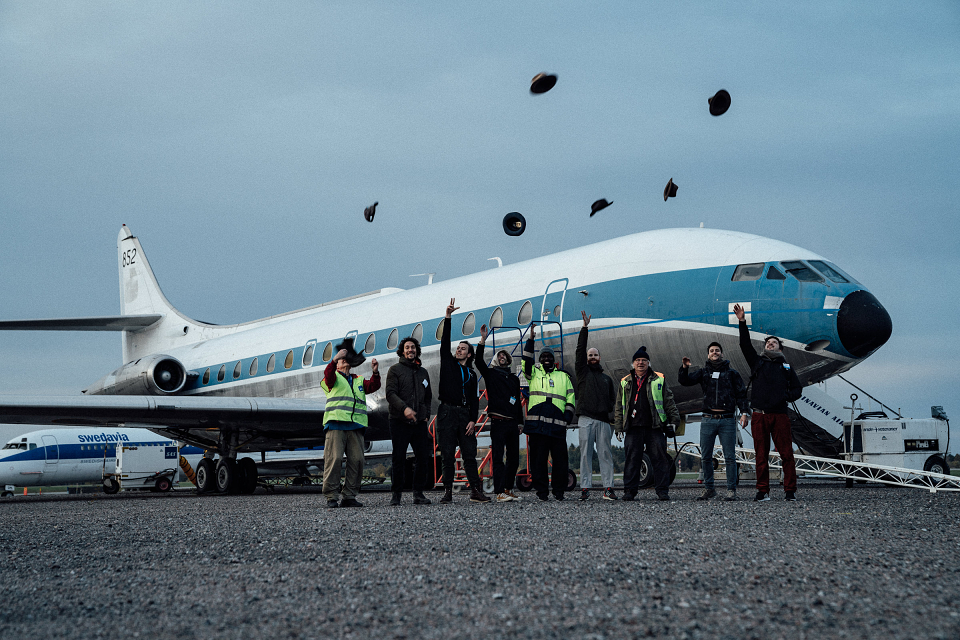
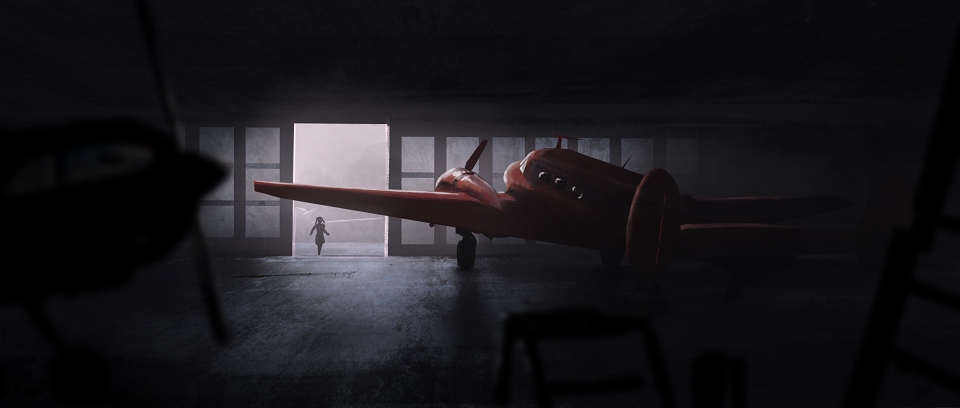
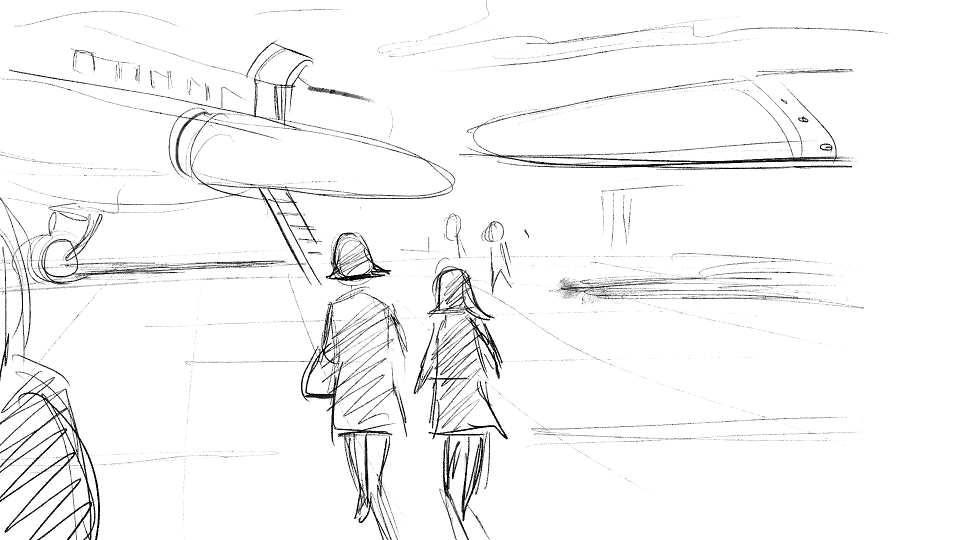
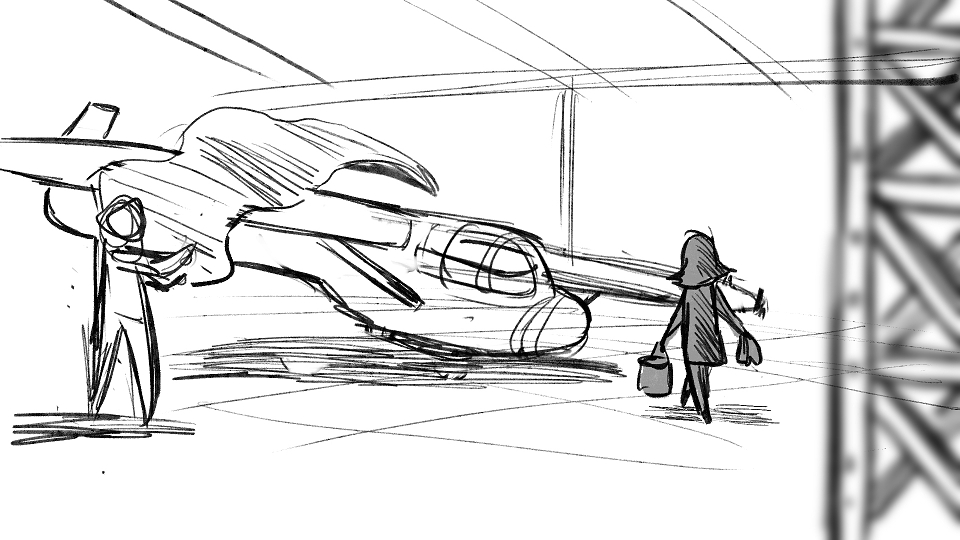
An even older SAS aircraft with propellers was found, helping to recreate an airport scene from the 50s. This was one of only two surviving examples in Europe, located in Vasteras (Sweden), where a reduced crew was sent.
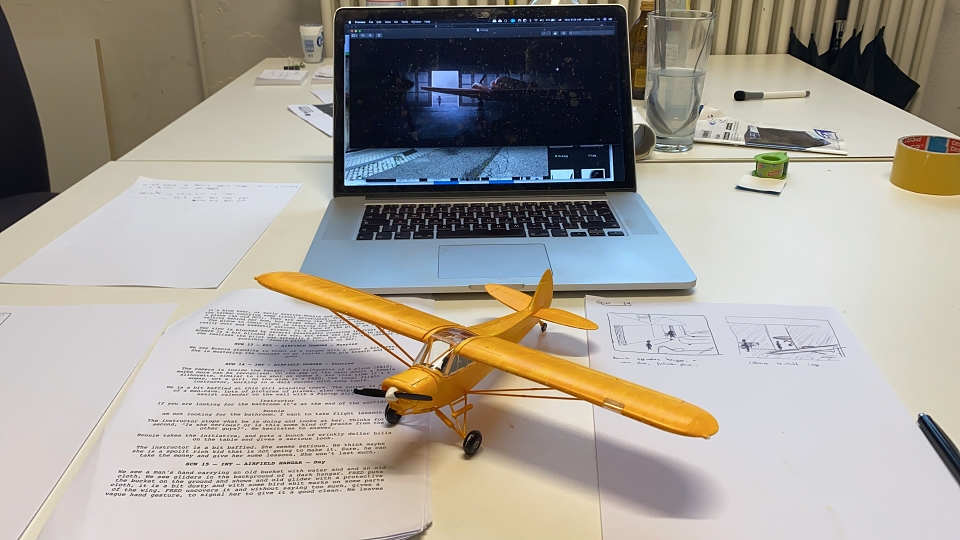
The CGI scenes were one of the biggest challenges. Initially, rudimentary techniques had to be used to move the project forward, working with scale models of the aircraft to block the scenes and perform tests in editing. Alternative methods were also sought to complete a very ambitious post-production process with limited resources.
Writer and Director: Nicolás Bori
Chief Executive Producer: Matías Dumont
Executive Producer: Konrad Steuer
Director of Photography: Valentin Lilgenau, AAC
Editor: David Gesslbauer
Production Design: Sophie Luise Rohm, Karla Fehlenberg, Jan Christoph Scheurer
Costume Design: Kaya Kuszak, Sarah Frede
Music: Hannes Bieber, Alexander Wolf David
Colorgrading: Lee Niederkofler
Sound Design: Johanna Roth
Sound Mix: Julian Berg
Set Sound: Julian Berg, Fabian Klein, Birk Overå, Florian Reittner
VFX Producer: Nicolás Bori, Tomás Ossipoff (Behind Studios)
VFX Supervisor: Omer Hudja, Nicolás Bori, Marc Angele
VFX Creative Director: Ruslan Borysov
On Set VFX Supervisor: Marc Angele
Lead CG Artist: Stepan Polivanov, Stephane Beilliard
Lead Compositor: Omer Hudja, Drigend Singh
VFX: Katharina Böttcher, Lara Dönges, Hannah Engel, Pia Riether, Denise Roehrich, Lea-Sofie Züfle
Animation: Konstantin Meidenbauer, Patrick Schellmann
Compositing: Samuel Heigl, Isabelle Kramer, Kseniia Kurilchik, Julia Schramm, Erika Stolz
Junior Producer: Miriam Baitinger
Production Assistant: Paula Accordi
First AD: Nils Ecke
Second ADs: Linus Heinzler, Leon Zitz
Set-Runner / Driver: Michael Offner, Cem Balsüzen
Hair and Make-up: Désirée Schober, Isabella Gajcic, Mari Miltvedt, Selina Schardt
Assistant Costume Design: Daniela Hochstätter
Props: Rebecca Bader
Assistants Production Design: Laura Avemarie, Marlene Mehrlein
Gaffer: Verena Mühling, Till Pallapies, Timmy Prag, Willi Rätzsch, Nico Schrenk
Best Boys & Electricians: Volker Kintzinger, Philip Koehler, Lukas König, Michael Mayr
Key Grip: Philipp Tsemperlis
Grip Assistant: Cem Balsüzen
ACs: Viktoria Blocher, Kevin Brari, Jonas Ernhill, Lisa Jilg, Laura Köhler, Alexandros Michalas, Matthias Mischkolin
Still Photographer: Leon Greiner
Credits Design: Volker Kintzinger
Casting Director: Nicolás Bori
Main Cast:
* Laeni Geiseler
* Trixi Janson
* Jana Heinisch
* Steffen Wink
* Silke Koidl
* Clayton Nemrow
* Jürgen F. Schmid