Brand Addition
London
ABOUT
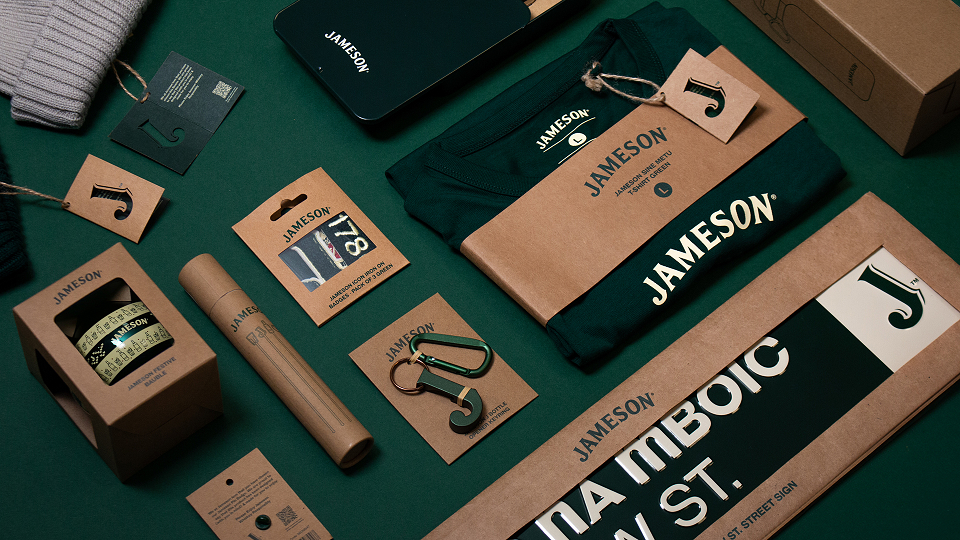
The Jameson Retail and E-Commerce Harmonisation project exemplifies successful collaboration, bringing together various teams and experts to elevate Jameson's brand beyond promotional merchandise. The project involved several key groups, each contributing their unique expertise to the initiative.
Internal Expertise:
Internal Design and Purchasing Teams: These teams were pivotal from the outset, leveraging their deep understanding of Jameson's existing product landscape, supplier relationships, and cost structures. They played a critical role in informing each step of the process and worked closely with a third-party fashion consultant to identify potential suppliers who aligned with Jameson's brand values and offered high-quality, ethically sourced materials.
External Collaboration:
Third-Party Fashion Consultant: The fashion consultant brought invaluable expertise in current retail fashion trends and experience with high street brands. Their insights helped develop a product range that felt fresh and relevant while maintaining Jameson's brand identity. This collaboration ensured that the product range considered aesthetics, functionality, and target audience preferences.
Brand Addition’s Role:
Account Management Team: Brand Addition served as the central hub for communication and collaboration. They facilitated regular meetings between the internal purchasing team, the fashion consultant, the design team, and Jameson’s brand management and buying teams. This orchestration was crucial in translating the strategy into actionable steps.
Innovative and Creative Thinking:
Design Process: The design team, armed with insights from the fashion consultant and data analysis, began developing concepts for the new product range. Their focus on creating a "selective, elevating, and confident" range aligned with the objective of positioning Jameson as a premium lifestyle brand. The iterative design process included feedback loops and cost considerations, leading to a final product line of apparel and giftware that resonated with the brand’s identity.
Sustainability Focus:
Ethical Sourcing and Eco-friendly Materials: Sustainability was a core focus throughout the project. The purchasing team, in collaboration with the fashion consultant, prioritized suppliers offering novel environmentally friendly materials and ethical manufacturing practices. The design team also emphasized creating durable and stylish products, with packaging designed to minimize environmental impact.
Final Marketing and Merchandising:
Jameson’s Brand Homes Management Team: This team led the marketing strategy, developing compelling visuals and photography that showcased the new products in alignment with Jameson's brand identity. They worked closely with Brand Addition to create merchandising strategies for both the distillery store and online channels.
Stakeholder Engagement:
Regular Collaboration: Key stakeholders, including the internal purchasing team, fashion consultant, design team, and Jameson's brand management, were engaged through regular meetings and collaborative sessions. This ensured alignment and cohesion throughout the project’s development and implementation phases.
Extended Impact and Usage:
Employee Engagement and Corporate Campaigns: The project’s success and innovative approach also served as an internal case study for employee engagement, showcasing effective collaboration and creative problem-solving. Additionally, the principles and strategies from this project were used to inform broader corporate campaigns, highlighting Jameson’s commitment to sustainability and quality.
The project culminated in a successful product launch, with a significant sales increase and enhanced brand perception. It stands as a testament to the power of collaborative efforts, innovative thinking, and a clear focus on sustainability and brand identity.
[04/06 11:10] Charlotte Stokes
The effectiveness of the project was measured using several key performance indicators (KPIs) aligned with the business objectives.
These included:
Sales Growth: The primary metric was the increase in sales, specifically focusing on year-on-year growth.
Brand Perception: Assessments of brand perception shifts through customer feedback and market research.
Customer Satisfaction: Measured through surveys and reviews.
Return on Investment (ROI): Calculating the financial return relative to the investment in the project.
Price Premium: Evaluating the ability to command higher prices due to the premium brand positioning.
Market Consideration: Monitoring changes in consumer consideration and preference for Jameson over competitors.
Sustainability Impact: Tracking the integration of sustainable practices and materials.
Meeting Business Objectives:
The project aimed to elevate Jameson’s brand perception, increase sales, and integrate sustainability into the product range. The evaluation criteria helped demonstrate the following achievements:
Sales Growth:
The project resulted in a significant 9% year-on-year sales growth, outperforming the initial targets and industry averages. This growth was directly attributed to the targeted product development and compelling brand storytelling that resonated with consumers.
Brand Perception:
Market research and customer feedback indicated a positive shift in brand perception. Jameson was increasingly viewed as a premium lifestyle brand, not just a whiskey producer. This shift was evident in the increased willingness of customers to purchase higher-priced items, reflecting a successful repositioning strategy.
Customer Satisfaction:
Surveys and reviews post-launch showed high levels of customer satisfaction with the new product range. Customers appreciated the quality, design, and sustainability efforts, leading to higher repeat purchase rates and loyalty.
ROI:
The financial analysis indicated a strong ROI, with the project’s revenue gains substantially outweighing the costs. The success of the new product line demonstrated efficient use of resources and effective strategy implementation.
Price Premium:
The ability to command a price premium was a critical measure of success. The new product range was priced higher than previous offerings and competitors, yet still experienced strong sales, confirming the perceived value increase among consumers.
Market Consideration:
Consumer preference for Jameson over competitors increased, as indicated by market surveys. The project’s focus on premium positioning and sustainability resonated with consumers, enhancing Jameson’s competitive edge.
Sustainability Impact:
The project successfully integrated sustainable practices, which were well-received by consumers. The use of eco-friendly materials and ethical sourcing practices not only improved the brand’s image but also aligned with current consumer trends towards sustainability.
Attributing Effectiveness:
The effectiveness of the project can be directly attributed to the comprehensive and collaborative approach taken. Key factors included:
Strategic Collaboration: Regular and effective communication between internal teams, external consultants, and stakeholders ensured alignment and successful execution.
Data-Driven Decisions: Utilizing internal sales data and market research informed the product development and marketing strategies, ensuring they met consumer needs and preferences.
Innovative Design and Sustainability: The focus on innovative, sustainable product design set Jameson apart from competitors and appealed to modern consumer values.
Financial Value:
The financial value of the activity was highlighted by the 9% increase in sales, translating into substantial revenue growth. The enhanced brand perception and ability to command higher prices also contributed to long-term financial benefits.
Overall, the Jameson Retail and E-Commerce Harmonisation project not only met but exceeded its business objectives, setting a new standard within the category and demonstrating the power of strategic collaboration, innovative thinking, and a strong focus on sustainability.