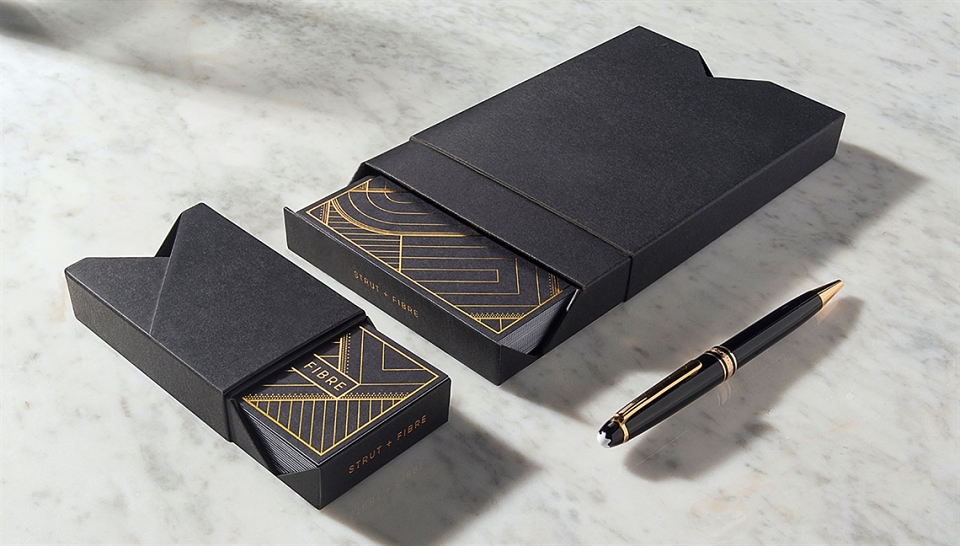
Strut and Fibre
London
ABOUT
If you find meeting new people an awkward and altogether uncomfortable experience, welcome to this most British of clubs. While there are some who thrive on forging fresh connections, many of us would rather walk barefoot into a room filled with Lego than face the excruciating round-robin introductions at a breakfast briefing.
Even those who are reasonably confident in small business meetings (quick handshake over flat whites and mineral water) or social gatherings (short weather-related exchange over a glass of wine and canapes), can end up feeling like an amateur stand-up comedian facing an audience of snarling hecklers when stepping into a room of strangers at a conference or networking event.
Like anything else, it’s a process that gets easier with practice but if you’d prefer to approach the process with the calm confidence that comes from knowing what to say, it’s worth spending a bit of time working on your routine.
So, tell us a little bit about yourself…
If you experienced an involuntary shudder when confronted with those eight small words, you’re not alone.
Why? Because no-one really likes being put on the spot. Even if you’ve perfected your elevator pitch, the pressure to impress your interlocutor with a concise, elegantly phrased and witty executive summary of your raison d’etre is overwhelming.
How on earth can you distil what you’re all about in a quiz show soundbite? And, even if you can manage it without stumbling over your words, how can you avoid sounding like a used-car salesman?
Keep it short and sweet
Trust us when we say that no-one wants to sit through five minutes of introductory waffle. Assume that your new acquaintance will stop listening after 20 seconds or so, which means you need to put the important stuff up front.
So you might say: ‘Hi, I’m Kate, I organise events for businesses – everything from office parties to celebrity product launches and corporate conferences. I’m particularly good at finding quirky venues for really memorable occasions and I handle every organisational detail so all my clients need to do is set a date and a budget. Just call me the fairy godmother.’
It’s not a complete run-down of your professional background, the breadth of services you offer or a sales pitch but it’s enough to get the ball rolling. If you’re meeting someone face to face, you can shake hands, ask about their role and exchange cards. If you’re addressing a room full of people, you’ll find that you’ve said as much as you need to at this stage.
It’s not all about you
Although it’s a good idea to make your introduction memorable (people will probably recall Kate’s ‘fairy godmother’ reference when they next meet her), it’s important to appreciate that you should be looking to focus on what others can get from you.
No-one will care too much about your company name or even your job title. What they will be interested in is whether or not your business proposition resonates with them.
So, putting someone at ease, demonstrating some humour – and humility – and indicating an interest in their story will pay dividends later. It’s also worth taking care over the design and quality of your business card and other corporate collateral, as this will reflect your attention to detail.
Consider the prevailing culture
There’s an HSBC ad that demonstrates how you can insult someone somewhere in the world by showing them the soles of your feet at an inopportune moment. While you can’t know everything about the rules of etiquette everywhere, it’s worth brushing up on business norms if you’re operating outside your cultural comfort zone.
After all, it would be a shame to spoil your carefully prepared introduction by mistiming a handshake or unintentionally insulting your host with a bad joke. Oh, and, as a rule of thumb – wear shoes.