Jonny Severn
Design Strategy - Expert Designer & Animator
ABOUT
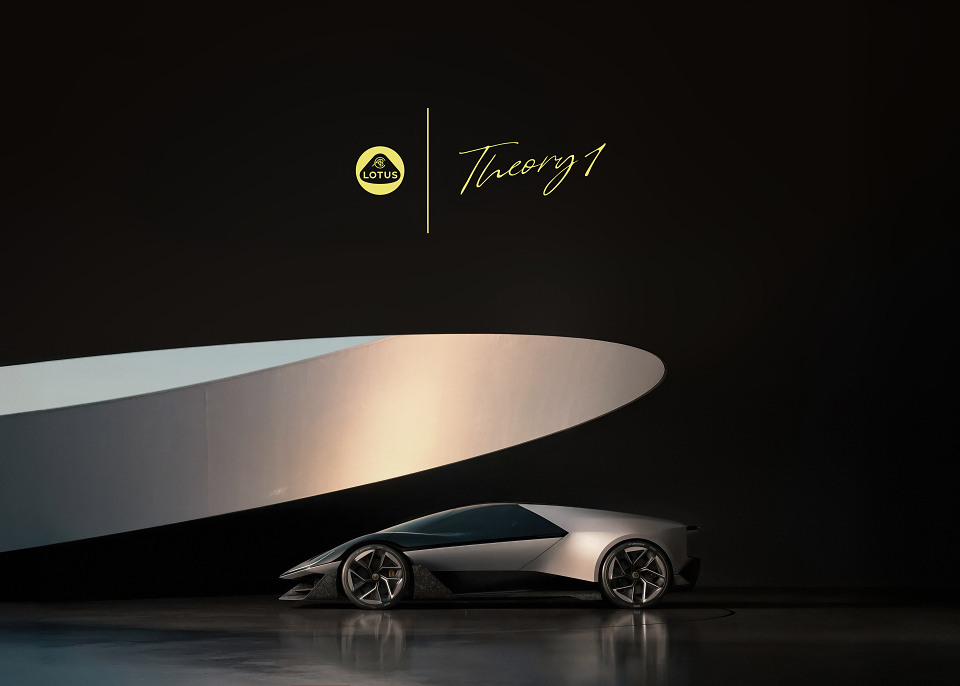
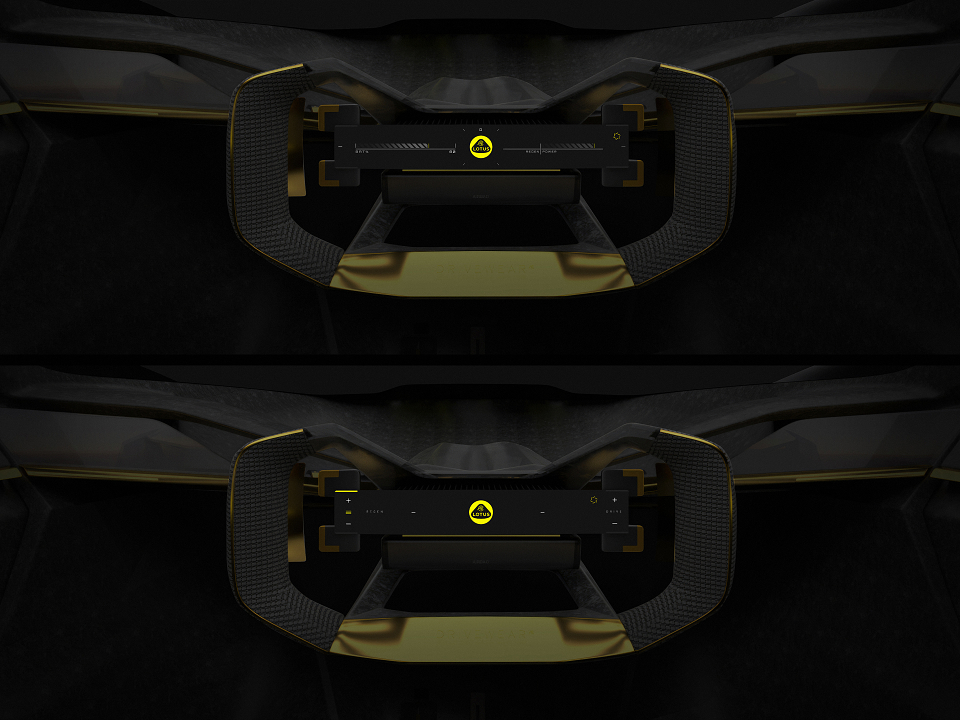
The Lotus Theory 1 represented a bold step forward in design, technology and driver engagement, blending digital innovation with natural and analogue sensibilities. Working closely with Lotus’ marketing, interior, previsualisation and concept car manufacturing teams, I contributed to the design and implementation of key UI components across the steering wheel, interior and exterior tech lines. This helped ensure they aligned with the overall vehicle vision and translated successfully from concept through to the physical prototype.
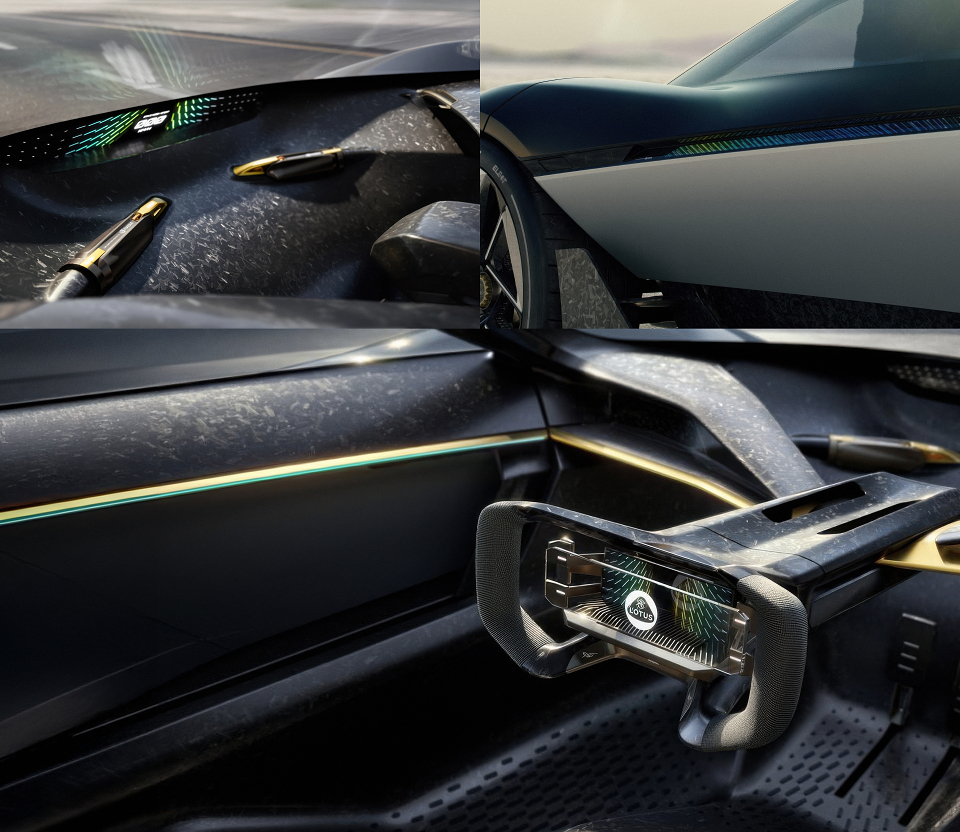
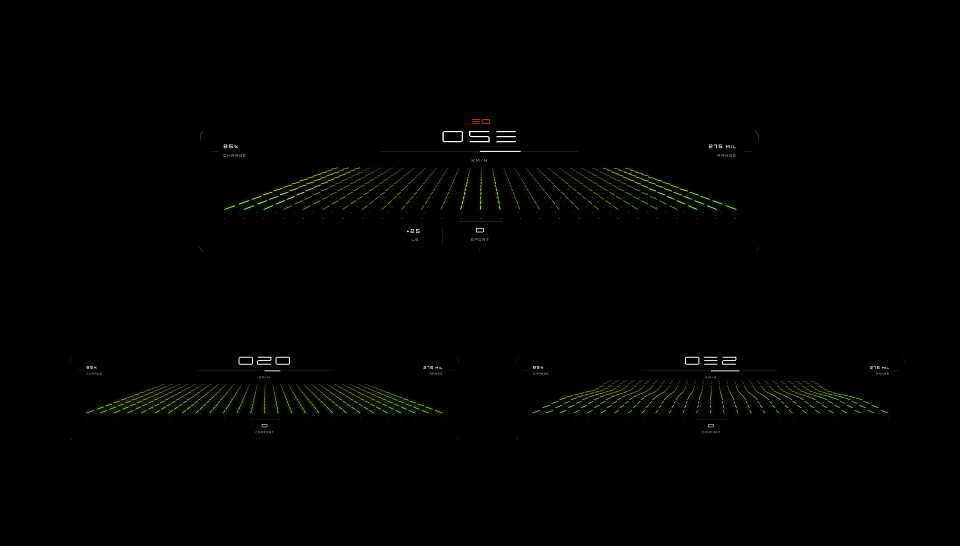
A key area of work centred on the vehicle’s illuminated “needle” language. The initial proposal was largely superficial, so the team and I introduced greater logic and contextual interaction. Externally, the needles communicated locking, charging and opening states, while internally they conveyed steering forces and speed through the steering wheel display and windscreen cluster.
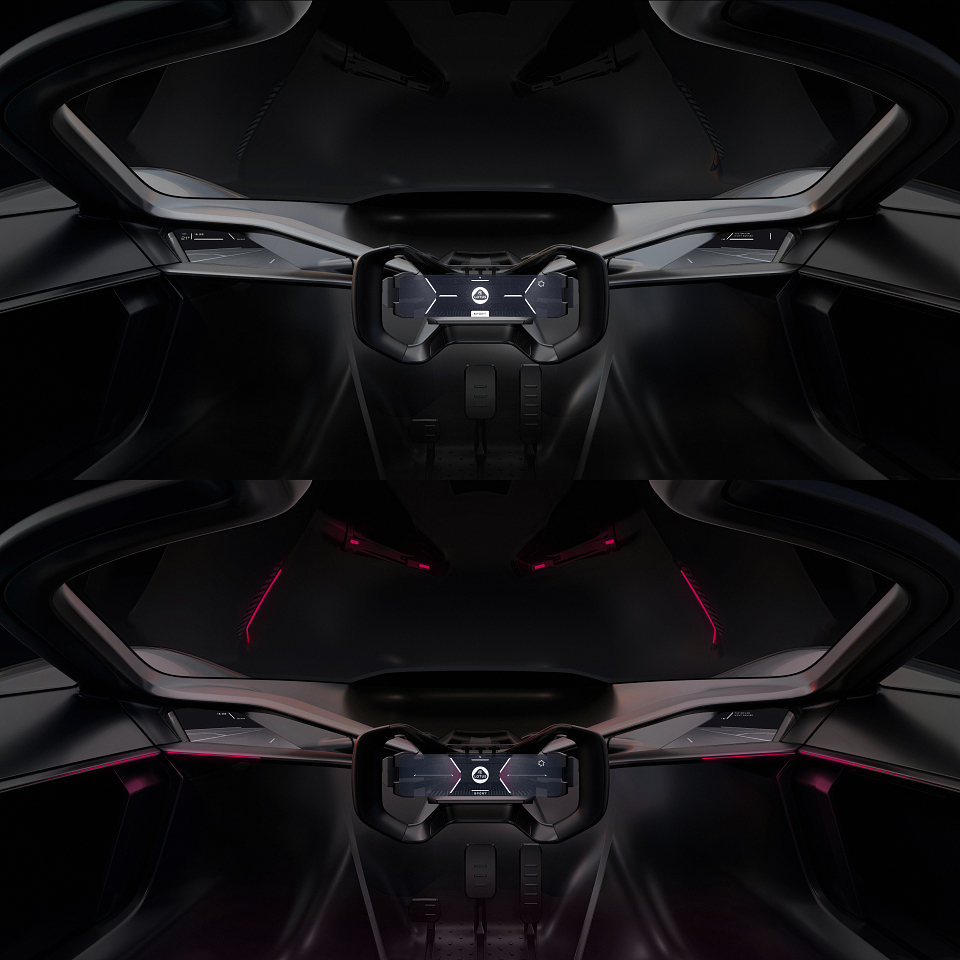
I was closely involved in the steering wheel UI, which was initially designed around a display seamlessly integrated behind the wheel. We explored the innovative Lumineq glass technology extensively, which required the interface to function like a segmented display, with elements illuminated individually without overlapping. This introduced design constraints around line thickness, spacing and readability, making it an interesting technology to explore.
As the project progressed, manufacturing costs and turnaround times influenced the final implementation. The more advanced concepts were retained for the previsualisation films, while the physical concept car adopted a simpler etched glass solution that cycled through linked scenarios, including Comfort, Sport and Autonomous modes.
Earlier explorations leaned towards a more experimental science fiction aesthetic, influenced by aircraft cockpits, The Designers Republic and Cyberpunk. As the project matured, these ideas were refined into a cleaner visual language that better reflected the Lotus brand while retaining a strong sense of innovation.
I also explored extending the needle concept into a broader environmental interface, introducing a “needle plane” to communicate the road ahead through elevation changes, road edges, lane boundaries and performance driving guides inspired by AAA racing games. The aim was to demonstrate how a single visual language could scale across multiple driving experiences while remaining intuitive and cohesive.
MADEIT CREDITS
-

Jonny SevernCreative UI Design