

In a world racing toward algorithmic automation, Caleb Powdrill—Glasgow-based Freelance Creative Director and founder of CAPOW Studio—champions creativity as an unapologetically human act.
With a career that’s zigzagged from agency corridors to the uncharted terrain of freelance, Caleb’s work embodies a rare alchemy: razor-sharp precision colliding with wild, colour-drenched experimentation. His origin story reads like a creative manifesto—childhood stop-motion films, a bootstrapped magazine crafted in Microsoft Publisher, and a nomadic upbringing that taught him to thrive on bold reinvention.
Now, as AI threatens to homogenize design, Caleb doubles down on obsession, craft, and the “messy magic” only humans can make. From Stefan Sagmeister’s philosophy to battling AI’s “make the logo bigger” dystopia, this Member Spotlight dives into the mind of a creator who’s equal parts strategist, rebel, and relentless advocate for work that pulses with life.
How did you first get into the industry?
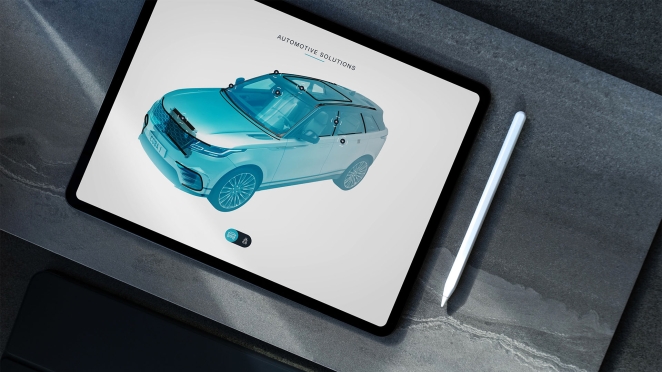
As a kid, I always went for the crayons. As far back as I can remember I’ve loved making things. From sketching to plasticine stop motion and creating my own magazine with my brother in clunky Microsoft Publisher while we were at primary school. I went on to study media and graphic design at college. At an end of year show, I was fortunate enough to have my work spotted by the CD of a local digital firm, which led to my first job in the industry.
Where are you based now and who do you work for?
I’m based in Glasgow and after a decade in the creative industry working in both agency and in-house teams, I’ve taken the plunge into the wild world of freelance.
What is your personal background and what role did it play in your career?
I had an unorthodox upbringing, with my family travelling a lot and having to learn to adapt to different cities and countries. I think this inspired me to be adventurous and bold with my work and career moves and not settle for a solution or environment that isn’t right.
If you weren’t in your current industry, what would you be doing?
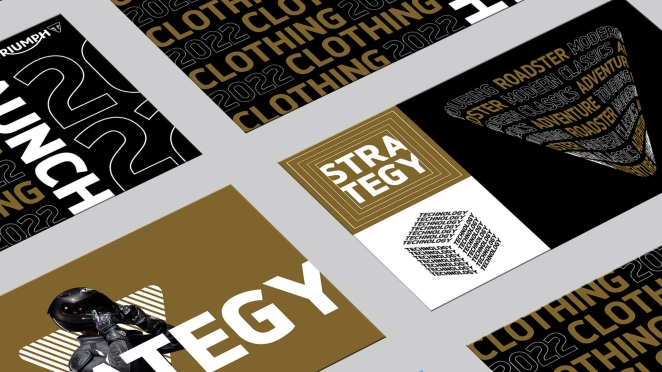
I love making things and the entire crafting process from start to finish. If I ever decided to leave the commercial world, you’d still find me involved with craft and arts. Maybe traditional print or photography.
Can you explain your creative process? What makes it unique?
Starting with a deep dive into the brief and brand is key. Become an expert in your clients brand/sector and ask the difficult questions to uncover a gem of an insight or unique perspective. Take that core idea and refine, refine, refine.
How would you describe your style?
Working across lots of different sectors and brands, my work is often style agnostic and I adapt to the brief in question. Personally though, I’m drawn to a contrast of order and unrestrained expression. Clean, fresh layouts meeting bold experimental use of colour, imagery and typography.
Which individuals do you gain inspiration from? Do you have any heroes in the industry?
Designer Stefan Sagmeister, Pentagram Partner Paula Scher and Creative Director John Hegarty are incredible creatives that I come back to time and again for inspiration. John Hegarty’s book ‘Turning Intelligence Into Magic’ is an inspiring read.
What tips would you give to aspiring creatives looking for work?
Never stand still. Always be learning and developing your skillset and if you can, share your journey to help build your profile. You never know where that self-initiated piece or new talent could lead.
What tips would you give to other professionals to get more clients?
Building a network is essential. Attend in-person creative events and meet your local creative community (there’s plenty of free or affordable events to be found, especially in larger cities), connect with peers on Linkedin and be fearless in asking for that recommendation or introduction.
Can you share a memorable experience from your career journey that shaped your approach to creativity?

My first Creative Lead role really pushed me way out of my comfort zone and forced me to learn new skills fast, from art direction to team management. It was brutal to start off with, but I’m so glad I was given the opportunity to meet the challenges and evolve as a creative.
What kind of tools/kit/software could you not do without?
I work with Adobe suite every-day, it’s really important for me to keep those technical skills sharp, especially when directing other creatives.
What’s your secret to staying inspired and motivated?
Studies have shown that a quiet mind is creative one. I get my best ideas when I’m not actively trying to solve the problem. Taking a break, whether by working on something else or simply making a brew, can provide unexpected moments of brilliance.
What’s the work achievement you’re most proud of?
I recently hit 10 years of working in the industry. My career journey so far from Junior Designer to Creative Director has been very rewarding and I have hit some fantastic milestones along the way, working on big brands and global campaigns. Experience-focused projects have been some of the most memorable. Seeing guests fully immersed, excited or inspired to action by an experience or interactive environment you have created is really fantastic.
As someone with experience in the industry, what trends do you foresee shaping the future of creativity?
AI is here to stay and has already proved invaluable speeding up iteration, experimentation and editing.
It’s introduction into consumer-testing however, fills me with dread. An AI system telling creatives to ‘make the logo bigger’ is nightmarish and one step closer to automated creative and the bland, soulless work that will ensue.
We’ll need to fight back against this menace, creative for humans must always be by humans.
What do you think sets apart truly exceptional creatives from the rest of the pack?
There has to be a degree of obsession to create anything truly exceptional. There are so many areas within the creative process where a ‘good enough’ attitude can let you down. Being obsessive about the big idea along with the small details is the key.
How do you think technology has influenced the creative industries and how have you adapted to these changes?
Our industry is inextricably linked to tech, and tech is evolving at a rapid rate. The only way to keep pace is to constantly be learning and adapting your skills.
What is the one thing that you would change about the industry?
I’ve seen a focus on specialisms leading to creatives being boxed in. Yes, specialising is great for lots of reasons, but we are inherent problem-solvers and should encourage each other to step outside our specialist zones from time to time. An outside insight is often really valuable.
Any websites, books or resources you would recommend?
It’s Nice That: Fantastic design and creativity journal https://www.itsnicethat.com/
BBC Maestro: Paula Schers course is affordable and really well structured, a rare chance to hear her perspective https://bbcmaestro.com/courses/paula-scher/graphic-design/
Writing That Works: A simple guide to improving your writing, by Oglivy copywriters. First published in 1981, it still holds up to this day. https://www.abebooks.co.uk/book-search/title/writing-that-works/author/roman-kenneth-raphaelson-joel/