
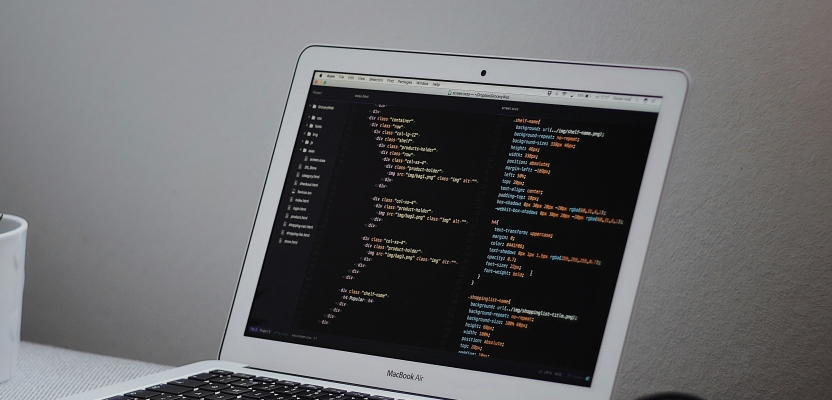

Software forms the foundation of numerous businesses in the current era. With our growing reliance on digital systems, it is crucial to prioritize keeping code strong, efficient, and secure. A code review can help address typical problems such as performance issues and security vulnerabilities. What exactly is a code audit, and what are the reasons for considering getting one?
Code reviews analyze your current software for potential problems impacting its functionality or safety. At DevCom, our specialized software code audit services assist companies in verifying their systems' security, performance, and alignment with industry guidelines. We assist companies in identifying potential risks that may have been neglected through thorough evaluations.

What Is a Code Audit?
A code audit is similar to a health check-up for your software. It requires closely examining your codebase to identify possible issues, inefficiencies, or security vulnerabilities. It's more than just resolving errors; it involves grasping the structure and functioning of your software to guarantee optimal performance.
You may be curious about why it is crucial. As systems become more intricate, it becomes increasingly simple to make errors, use outdated methods, or leave security vulnerabilities. A code audit can detect these issues before they escalate.
The Benefits of a Code Audit
There are many benefits to conducting a code audit. Here are a few key ones:
- Security: Find and fix security vulnerabilities before exploiting them.
- Performance: Identify areas where your code could be optimized for faster, more efficient operation.
- Maintainability: Ensure that future updates or expansions of the software are easy and cost-effective.
- Compliance: Keep your software updated with industry regulations and standards.
How a Code Audit is Conducted
Now, let’s break down how a typical code audit works. The process is usually a mix of automated tools and manual review. Here’s what that looks like:
1. Understanding the System
First, the audit team needs to understand what your software is supposed to do. Knowing your system’s goals helps focus the audit on the areas that matter most.
2. Automated Scanning
Using automated tools, auditors run a scan of the code. These tools flag common issues, like security vulnerabilities, code duplication, or inefficiencies. It’s a quick way to identify potential problem areas.
3. Manual Review
After the automated scan, a human expert steps in. They’ll look through the flagged issues and check the code more thoroughly. This step catches anything the tools missed and ensures the most critical issues are addressed.
4. Security Testing
Security is a major focus in code audits. The review team will check for potential weaknesses in your code, such as vulnerabilities that hackers could exploit.
5. Performance Checks
Finally, auditors will review how efficiently your code runs. Are there any parts of the system that are slowing everything down? They’ll provide recommendations for optimizing performance.
When Should You Consider a Code Audit?
A code audit isn’t just for big companies. Any business that relies on software can benefit. Whether launching a new product or maintaining an existing one, regular audits help keep your software in good shape.
Here are a few situations when a code audit might be especially useful:
- Before a big release: Ensure everything runs smoothly before introducing your software to users.
- After a security breach: Find out where your code was compromised and fix it.
- When switching development teams: A new team can get a clearer picture of your system with an audit.
Best Practices for Code Audits
To get the most from your code audit, here are a few best practices to keep in mind:
1. Clearly Define Your Goals
Before starting, be clear about what you want to achieve. Whether improving security or boosting performance, defining your objectives will help the auditors focus on what matters most.
2. Combine Tools with Human Expertise
Automated tools are great, but they have their limits. A manual review by experienced professionals is essential to catch complex issues and provide actionable insights.
3. Focus on Critical Areas
Not all issues are created equal. Prioritize high-risk areas first, particularly those related to security or performance.
4. Make Audits a Regular Practice
While performing an audit once is helpful, making it a regular part of your process will keep your software in top condition.
Tools Commonly Used in Code Audits
There are several tools auditors use to analyze code. Here’s a short list of popular options:
- SonarQube: Excellent for tracking code quality over time.
- ESLint: Popular for linting JavaScript code.
- Checkmarx: A strong tool for finding security vulnerabilities.
Each tool provides valuable insights, but a good audit relies on human expertise to interpret the results and make practical recommendations.
Why DevCom Stands Out in Code Audits
At DevСom, we recognize that every business is unique in its own way. We customize our Software Code Audit Services to fit your individual requirements. If you're concerned about security, performance, or compliance, we offer specific, actionable advice to enhance your software.
We take pride in being able to identify issues and provide straightforward, useful answers. Our team will continue to assist you post-audit to guarantee that required adjustments are smoothly executed.
Conclusion
In summary, conducting a code audit is an essential aspect of maintaining excellent software quality. Going through your code regularly is one of the easiest ways to spot hidden issues early, ensuring your software stays reliable and runs smoothly. Catching these problems ahead of time lets you make tweaks that boost performance and fix any slowdowns before they turn into bigger headaches. Plus, regular reviews can show you exactly where your software might need a little improvement.
Plus, regular audits help you stay on track with industry rules and standards, so you can avoid any compliance issues down the line. If you care about having secure, efficient, and up-to-date software, these audits are really important. In today’s fast-changing tech landscape, having a dependable partner to review your code gives you confidence that your software is always performing well.