
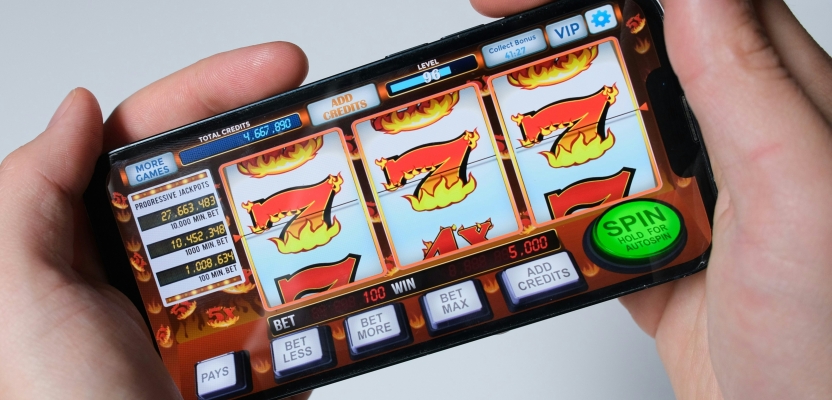

The design of online casinos has quietly become one of the more demanding briefs in the digital leisure sector, and it is drawing in exactly the kind of 3D and motion talent that creativepool's readers know well. Independent iGaming publications now compare licensed sites in fine detail, from welcome offers and wagering conditions to withdrawal speeds and payment methods, and that scrutiny has raised expectations for how these sites look and behave. For freelancers and studios chasing this work, the message is clear: much of the judgement now rests not just on terms and conditions, but on how the whole experience looks and moves.
Where Free-Time Design Meets Craft
Spend a few minutes browsing modern entertainment sites and a pattern emerges. The interfaces are polished, the transitions feel considered, and the visual identity is as deliberate as anything you would see in a premium app. That is no accident. The people who unwind at the end of a working day expect the same production values they get from streaming services, mobile games and slick fintech apps. When someone opens their phone to relax, they are silently comparing everything against the standard set by the best-designed experiences they already use.
This is precisely where 3D and motion design talent has quietly moved centre stage. The animators, environment artists and interface designers who once concentrated on advertising campaigns or game studios now find their skills in demand across a much wider field of digital leisure. The brief is simple to state and hard to deliver: make something that feels alive, responsive and enjoyable to spend time inside.
The Skill Set Behind the Screen
Building an immersive online experience draws on a surprisingly deep toolkit. There is the modelling and texturing work familiar to anyone who has worked in Cinema 4D, Blender or Houdini. There is the motion layer, where After Effects, Spline and increasingly WebGL frameworks bring interfaces to life without slowing them down. And underpinning all of it are the principles of game design, which shape how a person moves through a space, understands what to do next, and feels a small sense of satisfaction when something responds to their touch.
What separates strong work from the merely decorative is restraint. A designer might spend days on a single loading animation, not to show off, but to reassure the user that something is happening. Micro-interactions, easing curves, the weight of a button press: these details are invisible when done well and jarring when done badly. Creative professionals often describe this as designing the feeling rather than the object, and it is a discipline that repays patience far more than flash.
A Portfolio That Tells a Story
For freelancers and studios hoping to win this kind of work, the portfolio does most of the talking. Talent buyers scanning a showreel are not simply looking for pretty frames; they want evidence that a designer understands pacing, hierarchy and mood. A well-structured case study that walks through the problem, the iterations and the final result will always outperform a silent montage set to a trending track.
The most compelling portfolios show range. One project might lean into rich, cinematic 3D environments; another might strip everything back to a clean, motion-led interface where clarity is the whole point. Buyers appreciate seeing that a creative can flex between styles, because the audience for digital leisure is broad. Research into who is arriving in these spaces, such as this look at the next generation of players, points to younger adults raised on gaming aesthetics and social apps. They expect visual sophistication as standard, which raises the bar for everyone pitching for the work.
Collaboration Between Creatives and Clients
None of this happens in isolation. The agency-client relationship shapes the final product just as much as any single artist's talent. A motion designer might deliver a stunning sequence, only to discover it needs reworking so it loads instantly on a mid-range phone over patchy mobile data. These trade-offs are the daily reality of the job, and the creatives who thrive are those who treat technical constraints as part of the brief rather than an insult to their vision.
Increasingly, clients also expect design that supports responsible, considered use. Thoughtful pacing, clear information and honest visual cues all form part of a healthier experience. There is genuine academic interest in how people actually behave online, including this comparison of self-reported and actual behaviour, and the findings feed into how conscientious designers frame choices on screen. Good design can gently encourage awareness rather than obscure it, and that is becoming a point of pride for studios who want their work to age well.
Why This Matters for the Wider Creative Industry
The takeaway for creative professionals is that digital leisure has become one of the more demanding testing grounds for 3D and motion craft. It combines the storytelling of advertising, the interactivity of games and the reliability of fintech, all judged by an audience with very little patience for a clunky experience.
For freelancers building a career, that spells opportunity. The brands commissioning this work want people who understand both beauty and function, who can hand over assets that perform as well as they impress, and who think about the person on the other side of the screen. For anyone deciding how to spend a spare hour, the payoff is subtler but real: an experience that respects their time and attention, shaped by artists whose names rarely appear but whose fingerprints are everywhere.