
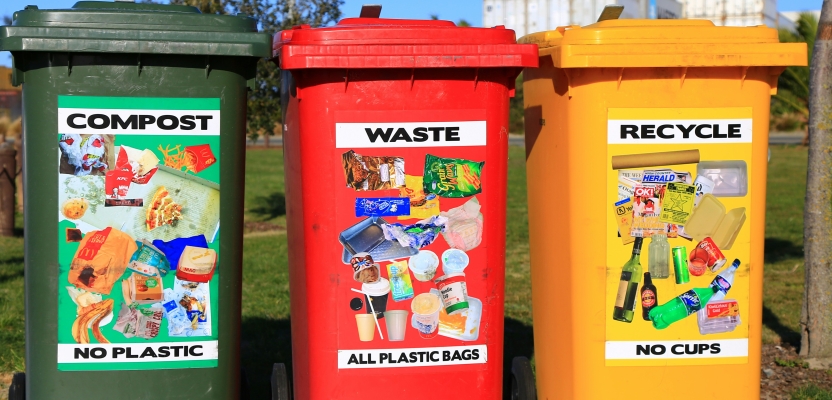

Local councils in London spend millions of pounds annually on cleaning up London’s fly-tipped rubbish, which diverts funds from essential public services. Addressing the issue also raises waste management costs for taxpayers and creates an unnecessary burden. Moreover, private landowners often face hefty bills to clear rubbish dumped on their property, with no financial support.
For those seeking hassle-free and cost-effective waste disposal, partnering with reliable services like anylondonwaste.co.uk can make a significant difference. Proper rubbish removal ensures it is managed efficiently and reduces the likelihood of illegal dumping in the first place.
The Economic Burden of Fly-Tipping in London
Fly-tipping places a significant financial strain on local authorities, businesses, and property owners. Cleaning up illegally dumped waste costs London councils millions annually. Beyond direct costs, it impacts property values, deters investment, and increases the need for additional resources.
Apart from the increased council resources we have already mentioned, fly-tipping also results in higher enforcement costs and declining property value. To resolve the issue, Londoners turn to professional services for efficient and legal waste removal, which ensures they avoid penalties while keeping their environment clean. This approach helps prevent fly-tipping and saves money in the long term.
Environmental Damage Caused by Fly-Tipping
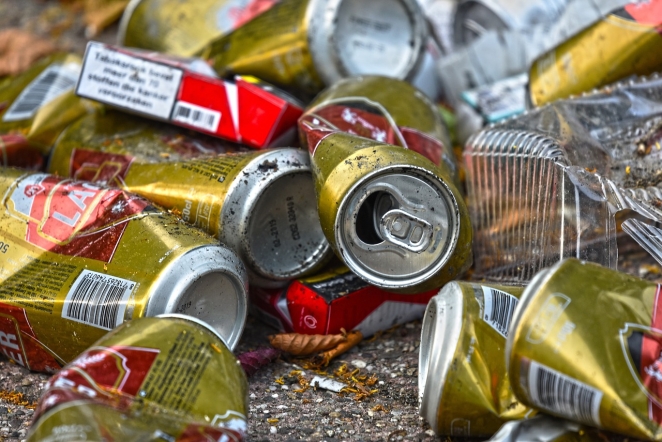
Dumped rubbish often includes hazardous materials like chemicals, electronics, and construction waste that can leach into soil and water and pose serious risks to ecosystems and human health. Wildlife is also at risk, as animals may ingest or become entangled in it, which can lead to injuries or death.
Types of Environmental Damage
-
Water contamination: Hazardous substances can seep into rivers and groundwater.
-
Soil degradation: Chemicals from waste affect soil quality and harm plant life.
-
Harm to wildlife: Animals may ingest or become trapped in waste materials.
Organic waste, such as food and garden refuse, exacerbates the problem by releasing harmful greenhouse gases like methane as it decomposes. Responsible rubbish removal prevents these pollutants from entering the environment.
Social Impacts of Fly-Tipping
Decreased Neighbourhood Pride
Areas with frequent fly-tipping appear neglected, which can lead to further anti-social behaviour. The accumulation of waste makes neighbourhoods look unkempt and uncared-for, which creates a cycle where others feel less compelled to maintain their surroundings.
Over time, this neglect fosters an environment where vandalism, graffiti, and additional littering become more common. This further degrades the area’s appearance and reputation.
Social Division
Frustration over waste issues can lead to tensions within communities. Residents may disagree about who is responsible for the problem, which leads to blame and strained relationships among neighbours. The perception that local authorities are not doing enough to address fly-tipping can also erode trust and deepen divisions between the community and those in charge of public services.
Impact on Mental Health
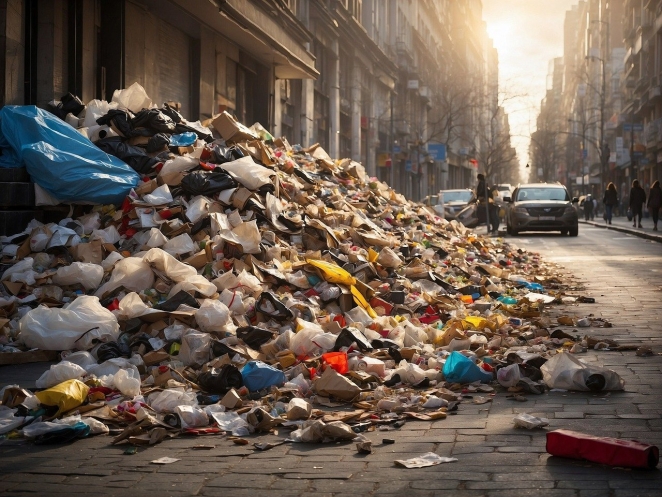
Seeing rubbish pile up can create feelings of hopelessness or stress. Over time, living in an environment plagued by it can lead to a sense of powerlessness, where individuals feel unable to improve their circumstances. These negative emotions, combined with the visual reminder of neglect, can contribute to anxiety and lower overall satisfaction with one’s living environment.
Why Proper Rubbish Removal is the Solution
Investing in professional rubbish removal services is one of the most effective ways to tackle fly-tipping. These services not only ensure legal and sustainable disposal but also offer convenience for residents and businesses.
Benefits of Professional Services
-
Compliance with regulations: Licensed providers ensure waste is disposed of in line with legal standards.
-
Reduced environmental impact: Proper disposal and recycling minimise pollution.
-
Time-saving and hassle-free: Professionals handle the entire process, from collection to disposal.
For Londoners, understanding local waste regulations is essential. Many types of waste, such as electronics and construction debris, require specialised handling that professionals can provide.
The Long-Term Benefits of Responsible Waste Management
-
Cleaner streets: Reduces pollution and creates a more pleasant urban environment.
-
Improved recycling rates: Encourages better waste segregation and resource conservation.
-
Economic growth: Supports jobs in the rubbish management industry and boosts local businesses.
Responsible waste management contributes to a healthier, more sustainable London. It enhances quality of life and creates a city where residents and visitors can thrive.
Final Thoughts
Fly-tipping in London has far-reaching consequences that go beyond visible piles of waste. Its economic, environmental, and social impacts affect everyone. Proper rubbish removal is a critical solution to this ongoing issue, that offers cleaner streets and healthier communities. Taking action now will help future generations enjoy a better quality of life.