


Hiring has undergone a significant transformation recently. Traditional CVs and standard interviews are no longer the only, or even the most effective, ways to assess talent. As the job market grows more competitive, companies are exploring creative hiring methods to better identify the right candidates and improve the overall experience for both sides.

This shift happened for a reason. It’s a response to real challenges: from talent shortages and high turnover to unconscious bias and inefficient recruitment pipelines. Businesses need smarter ways to connect with candidates, especially in creative or digital industries where skills and culture fit can be difficult to measure. At the same time, job seekers are expecting more personalized, transparent, and engaging hiring experiences.
As a result, we’re seeing an increase in AI-powered screening tools, portfolio-based applications, task-based assessments, and even gamified recruitment campaigns. While not perfect, these approaches are an attempt to fix what hasn’t been working for a while.
Here are some of the problems creative hiring methods are designed to address:
-
Traditional resumes don’t reflect actual skills or potential
-
Interview processes can be slow, biased, or inconsistent
-
Job seekers feel disengaged or left in the dark
-
Companies struggle to stand out in a crowded hiring space
-
High turnover rates waste time and resources
To make things easier for both sides, changes in the whole approach needed to be made, which sparked a wave of innovative hiring methods aimed at improving accuracy, fairness, and long-term fit.

The Latest Creative Trends in Hiring
The demand for new processes designed to better fit modern job marked inspired multiple creative solutions. Some of them do not even sound like hiring anymore. Let’s see what companies turn to for better talent acquisition.
Gamified assessments
Gamified hiring assessments turn traditional tests into engaging, interactive challenges. Instead of answering standard questions, candidates might solve puzzles, complete simulations, or navigate tasks that reflect real job responsibilities. This approach helps employers assess problem-solving, critical thinking, creativity, and even collaboration in action. It's particularly effective for creative or digital roles, where a candidate’s adaptability and thinking process are just as important as technical knowledge. For applicants, it reduces stress and offers a more enjoyable experience than formal testing. Gamification also helps companies stand out, making them more attractive to candidates seeking innovative and modern workplaces.
Story-based job ads
Story-based job ads present the open position as part of a narrative, often describing the role as a challenge or journey. Instead of listing tasks and requirements, they paint a picture. What the team is like, what the mission is, and what impact the new hire will make. These ads are emotionally engaging and more likely to attract candidates who resonate with the company’s values and culture. This method is especially effective in creative industries, where storytelling and personality matter. It encourages applications from people motivated by vision, not just checklists, and often leads to a better culture fit.
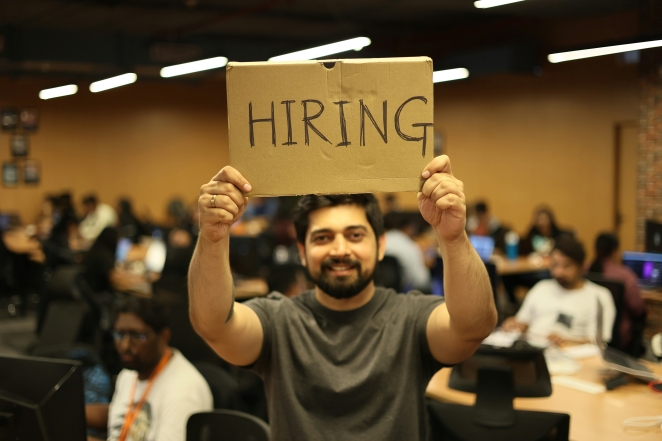
Social media recruiting
Social media platforms have become dynamic spaces for talent discovery. Companies now use Instagram stories, TikTok videos, and LinkedIn reels to engage potential hires. Instead of waiting for applications, brands meet candidates where they already spend time.
These campaigns can include behind-the-scenes looks at workplace culture, challenges that showcase a candidate’s creativity, or interactive Q&A sessions. It’s particularly effective for attracting younger, digitally native talent. Social media recruiting humanizes companies, fosters direct interaction, and spreads brand awareness, all while gathering applications from people who are already excited about the company’s energy and voice.
Hiring through hackathons, competitions, or creative briefs
Events like hackathons, design sprints, or copywriting contests are increasingly being used to identify top talent. Participants are given a real-world problem or brief and asked to develop innovative solutions under time pressure. These events reveal much more than resumes: they show how a candidate thinks, collaborates, and adapts. For hiring in fields like software development, marketing, design, or strategy, this method is a goldmine. It’s an authentic, performance-based hiring tool that benefits both parties; employers get to see talent in action, while candidates gain exposure, experience, and sometimes even prizes or freelance opportunities.

New Tools for Better Hiring
With new challenges and trends, new, more clever and productive tools came to life. They have turned hiring into a more efficient process that allows for quicker and more accurate decisions. These innovations not only reduce time-to-hire but also improve the quality of hires, ensuring that companies can better meet their needs.
Talent intelligence platforms
Just like many other industries, hiring came to using AI tools for recruitment. A very good choice for a recruiter, talent intelligence platforms use data analytics, AI, and machine learning to improve and streamline hiring decisions. These tools gather and analyze large volumes of candidate information from resumes and portfolios to online behavior, skill assessments, and even interview performance. They then match this data against job requirements, team dynamics, and long-term business goals to suggest the best-fit candidates.
The real power of these platforms lies in their ability to remove bias, uncover hidden talent, and predict future performance more accurately than traditional methods. They also help companies build and maintain talent pipelines, monitor market trends, and spot skills gaps before they become a problem.
By automating time-consuming tasks like screening, ranking, and initial outreach, talent intelligence platforms allow recruiters to focus on strategic decisions and building real human connections. The result is a faster, smarter, and more inclusive hiring process.

Key benefits of using these platforms for hiring:
-
Data-driven, unbiased candidate selection
-
Smarter talent matching based on long-term goals
-
Automated screening and outreach
-
Better forecasting of talent needs and skills gaps
-
Stronger and more diverse talent pipelines
Video interviewing platforms
Video interviewing has become important for modern hiring, particularly for remote positions. Platforms like Zoom, HireVue, and Spark Hire allow employers to conduct interviews without geographical constraints. They often come with features like automated scheduling, candidate assessments, and AI-driven insights about body language or speech patterns. Video interviews provide flexibility for both candidates and employers, save time, and often make the process more accessible for people who may have difficulty attending in-person interviews. This tool makes the interview process more efficient, especially when there are many candidates to consider.
Employee referral programs
Employee referral programs are increasingly being leveraged as a powerful hiring tool. These programs encourage current employees to refer candidates from their professional networks. Referred candidates often perform better and stay longer than those found through other methods, as they are already familiar with the company culture. The referral process typically accelerates hiring, as employees tend to recommend candidates who are a good fit. With the added bonus of incentives for successful referrals, companies have found employee referral programs to be an effective and low-cost strategy for attracting top talent.
Augmented reality in hiring
Augmented Reality (AR) is making its way into recruitment, allowing employers to engage candidates in innovative ways. AR provides immersive experiences, such as virtual office tours or role simulations, which give candidates a more tangible sense of the job environment and expectations. This technology is especially beneficial in industries like retail, healthcare, and manufacturing. AR helps to assess a candidate's fit for a role by placing them in realistic job scenarios before the hiring decision is made, ensuring they have both the skills and motivation to succeed in the role.
Addressing Concerns About Modern Hiring Tools
With all the assortment of tools and approaches, some adjustments are likely on the way to meet the latest concerns. They are rooted in both practicality and ethics. Some critics argue that the growing reliance on AI-driven recruitment platforms, gamified assessments, and talent intelligence tools could overlook human qualities that are harder to measure, such as empathy, creativity, or adaptability.
There’s also fear that these tools might reinforce biases, especially if they rely on historical data that reflects past inequities.
Another concern is the potential for alienating candidates who may not be familiar with these advanced tools or feel overwhelmed by a process that’s become more complex. The idea that automation might take away human intuition in hiring is also talked about, as many believe that face-to-face interviews and personal interaction are still the most reliable way to assess cultural fit and personality.
As for whether these concerns are essential or just part of the hype, it largely depends on how these tools are used. When implemented thoughtfully, they can certainly improve hiring processes by saving time, improving fairness, and uncovering hidden talent. However, over-reliance on any single tool without human oversight could lead to issues. So, it’s about balance. Integrating innovation with traditional methods can create a more efficient hiring experience.
Conclusion
The future of hiring is clearly shifting towards more innovative and efficient methods, armed with new tools and trends that aim to improve the process for both employers and candidates. Gamified assessments, talent intelligence platforms, and creative recruitment strategies all lead to a more dynamic, engaging, and data-driven approach to hiring. These methods allow businesses to identify the right fit, not just based on resumes, but also on how candidates interact with challenges, demonstrate skills, and align with a company's culture.
However, while these innovations promise to boost hiring efficiency, they also bring concerns. There are fears that these tools could dehumanize the process or unintentionally reinforce bias if not used thoughtfully. It’s important for organizations to balance technology with human insight, ensuring that these tools serve to enhance rather than replace the essential human judgment involved in hiring decisions.
The key to successful hiring in the future will be finding the right blend of new methods and the traditional understanding of what makes someone the right fit for a team. By adopting the most appropriate tools and integrating them with empathy and human consideration, companies can successfully meet their hiring goals.