

Temporary exhibitions and installations bring creativity to life. They offer a fresh experience and draw people in with unique designs and interactive displays. These short-term events, however, often generate significant waste, from construction materials to packaging and discarded promotional items.
The Importance of Waste Management in Pop-Up Events
Poor garbage management can lead to unnecessary expenses, logistical challenges, and a negative impact on the local environment. Many organizers are now prioritizing sustainability to create a positive experience while reducing garbage.
A professional removal service ensures it is handled properly. Companies like the one available at anylondonwaste.co.uk provide efficient rubbish clearance and help event planners dispose of materials responsibly. This service is crucial for those looking to keep their event spaces clean and minimize environmental impact.
Common Challenges in Pop-Up Events
Since temporary installations are often built in unconventional locations, organizers must plan carefully to prevent clutter and garbage buildup. Some common waste-related issues include:
-
Construction waste: Leftover wood, metal, and plastic from temporary structures.
-
Packaging materials: Cardboard boxes, bubble wrap, and plastic coverings.
-
Disposable décor: Signs, banners, and props with limited use.
-
Food and beverage waste: Cups, plates, and packaging from catering services.
-
Electrical components: Wires, bulbs, and batteries from light installations.
Addressing these challenges requires a structured disposal plan. Without proper planning, garbage can pile up quickly, which can make cleanup more difficult.
Sustainable Solutions
A sustainable approach helps the environment and enhances the event's reputation. Visitors and sponsors appreciate events that prioritize responsible disposal.
1. Reduce, Reuse, Recycle
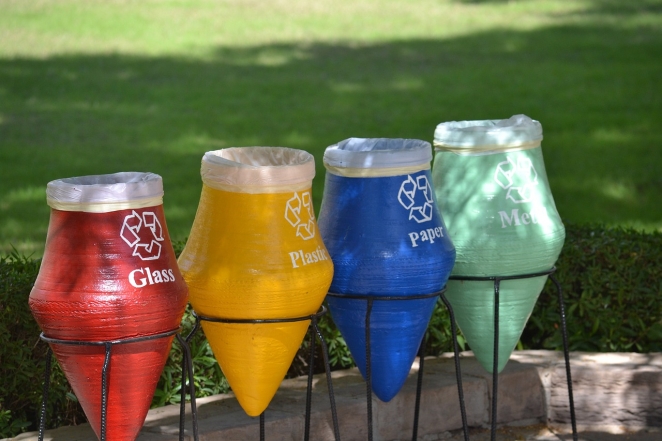
Minimizing waste starts with careful planning. Organizers can reduce it by selecting reusable materials, borrowing instead of buying, and choosing biodegradable products. Recycling bins should be placed in visible locations to encourage proper disposal of paper, plastic, and other recyclable materials.
2. Donate Unused Items
Many materials used in pop-ups can be repurposed. Donating leftover décor, furniture, or promotional items to local organizations reduces garbage while benefiting the community. Some charities accept event materials for reuse, which prevents them from going to landfills.
3. Hire a Professional Service
A reliable waste removal service helps streamline cleanup. Professionals ensure all garbage is collected, sorted, and disposed of properly. They also provide specialized solutions for hazardous or bulky items that may be difficult to manage on-site.
How to Plan Ahead for Efficient Cleanup
Waste removal should be part of the event planning process. Preparing well in advance allows organizers to avoid last-minute issues and ensure a smooth cleanup. A few steps can make the process more effective:
-
Assess waste types: Identify the materials that will be used and how they will be disposed of.
-
Coordinate with vendors: Work with suppliers who use eco-friendly packaging and materials.
-
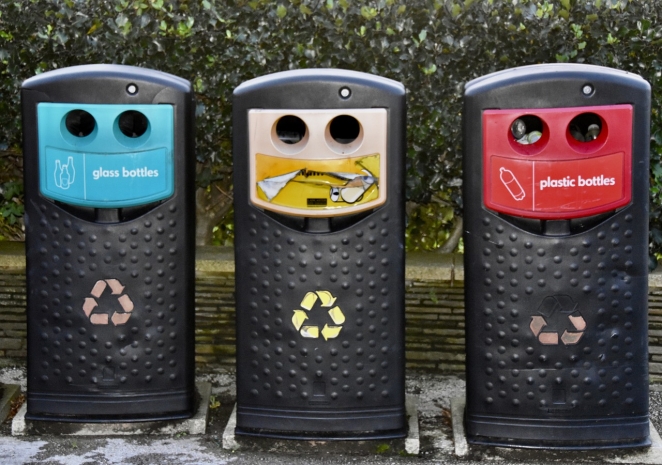
Set up dedicated stations: Place clearly labeled bins around the event space to encourage on-the-spot sorting.
-
Schedule waste collection: Arrange for waste to be collected regularly to prevent buildup.
-
Train staff and volunteers: Ensure everyone understands the plan in place.
What’s the Future?
Sustainability is becoming a bigger priority in the event industry. More pop-up installations are now focusing on minimizing their environmental impact. Innovations such as modular designs, biodegradable materials, and digital displays are reducing the amount of physical waste created at events.
Some cities are also implementing stricter regulations for public events. Organizers who fail to comply with set disposal rules may face fines or restrictions on future events. Responsible waste management practices are a great way for event planners to stay ahead of regulations and create events that are successful and environmentally conscious.
In Conclusion
Managing waste efficiently is a crucial part of organizing pop-up exhibitions and installations. A well-planned disposal strategy ensures events remain clean, organized, and environmentally friendly. From using sustainable materials to hiring professional services, small changes can make a big difference.
Prioritizing garbage management helps organizers create a better experience for attendees and leave behind a positive impact. Proper planning and responsible disposal methods ensure pop-up events remain a vibrant part of the creative industry without unnecessary waste.