
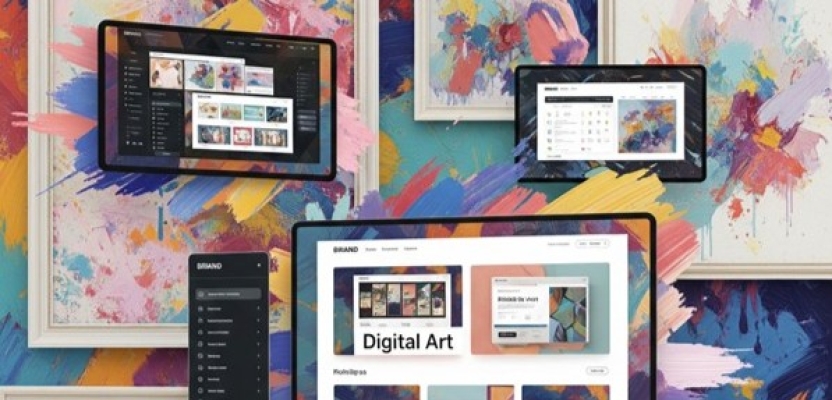

What makes a brand stick in your mind? It’s not just a logo or a catchy slogan. It’s a feeling. The most memorable brands connect with us on a deeper level. They tell stories, evoke emotions, and create experiences that feel unique and authentic. They think less like corporations and more like artists. And just like an artist needs a gallery to display their work, a modern brand needs a website to showcase its identity to the world.
Your website is your canvas. It’s the one place online where you have complete creative control to tell your story exactly how you want it to be told. It’s where your brand’s personality, values, and vision come together. By approaching your brand with an artist’s mindset, you can transform your website from a simple business tool into an unforgettable experience that turns casual visitors into devoted fans.
Where to Begin? How to Build Your Website
Building a website might feel overwhelming, but breaking it into smaller steps makes the process much easier. Start by defining your goals, what do you want your website to achieve? Whether it’s selling products, building an audience, or sharing information, having a clear purpose will guide your decisions. Next, choose a platform that fits your needs and skill level. For example, platforms like Wix offer user-friendly templates that make building a website simple, even if you have no coding experience.
Once you’ve chosen a platform, focus on building a simple yet engaging design. Start with a clean layout that highlights your brand’s core message. Incorporate your logo, brand colors, and high-quality images to establish a professional aesthetic. Ensure your website is mobile-friendly and easy to navigate, as more users rely on their phones. By balancing creativity with functionality, you’ll create a website that resonates with visitors and supports your goals.
The Artist's Mindset: More Than Just a Pretty Picture
Thinking like an artist isn’t about splashing paint on a canvas. It’s a way of seeing the world and approaching your work. It’s about prioritizing originality, emotional resonance, and a distinct point of view over simply following trends. When a brand adopts this mindset, it stops selling a product and starts sharing a vision.
Embracing Originality
Artists strive to create something new, something that hasn't been seen before. Memorable brands do the same. They don't just copy their competitors. They find a unique angle, a different story, or a novel way to solve a problem. This originality is what makes them interesting. It’s the spark that captures our attention in a crowded market.
Your website is the perfect place to express this originality. You can move beyond standard corporate layouts and create a design that truly reflects your unique identity. The colors, fonts, and images you choose all contribute to a visual language that is yours and yours alone.
Telling a Compelling Story
Every great piece of art tells a story. It might be a story of love, struggle, or triumph. Brands that think like artists understand the power of narrative. They weave a story around their products, their mission, and their customers. This story creates a connection that goes beyond a simple transaction.
Your website’s "About Us" page isn't just a place to list your founding date. It’s your chance to share your origin story. Why did you start your business? What challenges did you overcome? What is the bigger purpose behind what you do? Sharing this journey makes your brand more human and relatable.
Creating an Emotional Connection
Art is meant to make you feel something. The greatest brands tap into this same emotional wellspring. They don't just talk about the features of a product. They talk about how that product will make you feel. Will it make you feel more confident? More connected? More creative?
Think about how you can use your website to evoke emotion. Is it through powerful photography? Is it through heartfelt customer testimonials? Or is it through a user experience that is so smooth and delightful that it leaves the visitor feeling happy and cared for? These emotional touch points are what build lasting loyalty.
Your Website as the Gallery
An artist’s work can’t make an impact if it’s hidden in a studio. It needs to be shared. Your website is your global gallery, open 24/7. It’s where you invite the world in to experience your brand’s art.
Curating the Experience
Just as a gallery curator carefully decides which pieces to display and where to hang them, you must curate the experience on your website. Every page should have a purpose. Every element should contribute to the overall story you are telling.
Ask yourself what you want a visitor to feel when they land on your homepage. Do you want them to feel inspired? Calm? Energized? The images you choose, the headlines you write, and the layout you design should all work together to create that specific mood.
A Multi-sensory Approach
While a website is primarily a visual medium, you can engage other senses through creative design. You can use video to add sound and motion. You can use descriptive language to evoke the sense of touch or taste. For example, a bakery’s website might use warm colors and mouth watering descriptions to make you almost smell the fresh bread.
This holistic approach turns browsing a website into an immersive experience. It makes your brand more memorable because it engages more of the visitor’s brain.
Showing the Process
Artists often share their process: the sketches, the failed attempts, the "behind the scenes" moments. This vulnerability makes their work more interesting and relatable. Brands can do this too.
Use a blog on your website to show how your products are made. Share the stories of the people behind your brand. This transparency builds trust and helps your audience feel more connected to what you do. They’re not just buying a product; they’re buying into a story and a process they believe in.
Finding Your Creative Partner: How to Hire the Right Freelancer
You may have the artistic vision but lack the technical skills to bring it to life. That’s where freelancers or professional companies can help. Hiring the right creative professional, whether it's a web designer, a copywriter, or a brand strategist, can be the key to translating your ideas into a stunning reality.
But finding the right person is an art in itself. You're not just hiring a pair of hands; you're looking for a partner who understands and shares your vision.
Know What You're Looking For
Before you start your search, get clear on your needs and which talent you're looking for. Do you need a complete website built from scratch? Do you need a new logo? Or do you need someone to write compelling copy for your product pages? Create a detailed brief that outlines the scope of the project, your goals, and your budget. This will help you attract the right talent.
Look at Their Portfolio, But Look Deeper
A freelancer’s portfolio is their resume. It shows you the quality of their work. But don't just look at the pretty pictures. Look for a style that aligns with your own. Do they have experience working with brands in your industry? Does their work show a range of creativity, or does it all look the same?
Most importantly, look for case studies. A great talent won’t just show you the final product. They will explain the problem they were trying to solve, their creative process, and the results they achieved. This shows you that they think strategically, not just aesthetically.
The Interview is a Vibe Check
Once you’ve shortlisted a few candidates, schedule a call. This is your chance to see if your personalities click. You’ll be working closely with this person, so you need to feel comfortable with them.
Ask them about their creative process. Ask them what they think about your brand and your vision. A good creative partner will be excited by your ideas and will start brainstorming with you right on the call. They should ask you smart questions that show they are already thinking about how to bring your vision to life.
Trust Your Gut
Ultimately, choosing a creative partner is a bit like choosing an artist for a commission. You need to trust their talent, but you also need to feel a personal connection. If someone’s portfolio is technically perfect but they don’t seem to understand your brand’s soul, they’re probably not the right fit. When it comes to your digital branding, look for the person who not only has the right skills but also shares your passion.
Build Your Masterpiece
The most successful brands are the ones that dare to be different. They understand that building a brand isn't just about business metrics and marketing funnels. It’s about creating something that people can connect with, something that has a point of view, something that feels like art.
Your website is the right place to start building this creative identity. It’s your digital studio, your gallery, and your stage. It’s where you can experiment, tell your story, and share your vision with the world.
Don’t be afraid to think big. Don’t be afraid to be bold. Approach your brand with the heart of an artist, and build a website that is not just a tool, but a true work of art. Your audience is waiting to be inspired.