



Recruiters in creative agencies often talk about the elusive "culture fit." Finding someone who feels like part of the family is comforting; a new hire who laughs at the same jokes, shares the same rituals, and supports the agency’s purpose can slot seamlessly into place. That comfort has advantages—cohesive teams need fewer meetings, there is less conflict, and projects often move quickly.
However, as markets and audiences become more diverse and the pace of technological change accelerates, the very sameness that once felt safe can become a liability. Without fresh perspectives, teams risk falling into groupthink and miss the cultural shifts shaping their audience.
Why diversity and disruptive voices matter
Research repeatedly shows that diversity and inclusion lead to better decisions and stronger business performance, particularly relevant in creative industries:
- Inclusive decision-making drives better choices: Decision Intelligence platform Cloverpop found that diverse teams made better decisions 87% of the time, outperforming homogeneous groups.
- Diverse leadership boosts financial performance: McKinsey’s 2023 report indicated companies with diverse executive teams were 39% more likely to achieve financial outperformance.
- Innovation thrives with diversity: A Deloitte study found companies with diverse cultures six times more innovative and agile.
- Employees value inclusivity: The same study found that nearly 80% of workers prefer companies that value diversity, driving higher innovation and profitability.
These statistics illustrate that disruptive voices are not just morally essential—they are business-critical. Creative agencies, positioned at the intersection of culture and commerce, need diverse teams to remain relevant and innovative.
The creative agency context: from warm baths to cold showers
Jo Carr, co‑founder of the UK public relations agency Hope & Glory, described in a May 2025 podcast how two extreme cultures can fail their people. One agency felt like a “warm bath” – comfortable but complacent. The other was a “cold shower”, a high‑pressure environment with brilliant but brusque leadership.
Neither environment nurtured sustainable creativity. Carr summarised her philosophy as “culture add, not culture fit,” saying she looks not for whether someone fits the existing team but “what will they add?” Real creativity, she said, comes from “building a house full of different rooms, not matching the furniture.”
Creative agencies thrive on friction turned into magic – the constructive tension between different viewpoints that sparks memorable campaigns and immersive experiences. This is why many agencies, from TBWA’s Backslash unit to Ogilvy’s 2045 Studio, talk not about mimicking culture but about “culture add.” Without dissenting voices, campaigns risk looking and sounding the same as everyone else’s; with diverse perspectives, they speak to a wider audience and stand out.
Balancing culture and talent
Opponents argue that emphasising disruptive voices risks cohesion, essential for retention and productivity. Yet, prioritising "fit" often masks unconscious bias and excludes underrepresented groups. Overemphasising fit can create stagnation.
So, how can agencies balance these needs practically?
- Define values and gaps: Clearly articulate core values and identify missing skills or perspectives, shifting from "do they fit?" to "what can they add?"
- Competency-based assessments: Use structured interviews and scenario-based questions to assess contributions beyond social compatibility.
- Diversify recruitment channels: Leverage networks reaching underrepresented groups and involve diverse interviewers to reduce bias.
- Train on bias and inclusion: Equip recruiters and managers to recognise unconscious bias and foster inclusive leadership.
- Intentional onboarding: Support "culture add" hires through shared rituals, clear communication, and psychological safety to ensure their unique perspectives flourish.
Navigating culture with behavioural science
Anton Jerges, Founder/CEO at Collider, acknowledges the complexity of balancing cultural fit with diversity:
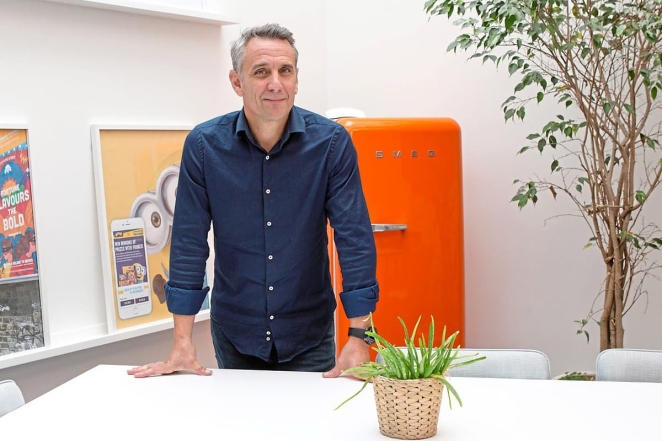
"Culture fit is the perennial problem when hiring new talent. It’s especially difficult in agencies where the need to hire a diverse workforce and encourage individuality is paramount. This need has to be balanced with maintaining the cultural blueprint of the agency, as this is key to attracting and retaining the best talent.
So, how do you get it right?
Recognising that culture is important but also that we don’t want an agency of clones, we turned to behavioral science to help us. As an agency powered by behavioral science, creating our own tool to navigate this conundrum seemed only natural—and so the 'People Profiler' was born.
When candidates reach the final interview stage, we ask them to complete a test comprising questions designed to identify where the candidate aligns with our core values on a scale. Crucially, there is no right or wrong—it's always a spectrum. Why? Because while we want diversity of background, culture, and thought, the tool helps confirm that beneath their differences, candidates fundamentally align with our core agency values."
Talent and culture: A false dichotomy?
The tension between hiring for shared values and seeking disruptive voices is often framed as a binary choice. In reality, creative agencies need both. Culture is the soil in which talent grows; without clear values and supportive systems, new voices cannot thrive. At the same time, talent is the seed that keeps the culture vibrant and capable of evolving. This dynamic is illustrated by the 2023 decision of Collider to join 27Names, a European network of live‑experience agencies.
Explaining the move, Jerges said there was “an immediate fit,” but the real draw was the opportunity to share and learn from other agencies. He emphasised that 27Names places “a big emphasis on talent and helping to nurture and grow talent across all levels of the agencies with their brilliant Talent X programme.” Jerges concluded: “Our talent is our agency and we very much look forward to learning and growing with some of the best talent in the European events industry.”

Jerges’ words encapsulate the synthesis of culture and talent. His agency sought a community whose values aligned with theirs (“an immediate fit”) but was equally motivated by the promise of exposure to diverse talent and ideas. The Talent X programme signals a commitment to developing people rather than just assimilating them.
In the creative sector, where audiences and technologies change rapidly, the most resilient agencies are those that anchor themselves in clear values while constantly seeking out new voices, nurturing them and letting them challenge the status quo. Hiring for culture add is not a rejection of culture; it is an investment in the culture’s evolution.
Recruiting for tomorrow’s creativity
Creative agencies must produce work that resonates across diverse cultures and rapidly changing technologies. Diverse teams consistently outperform homogeneous ones, delivering better decisions and stronger business results.
Inclusive hiring strategies go beyond checking diversity boxes—they build environments where disruptive voices are valued, and core values guide, not constrain creativity.
As Jerges emphasises, true creativity emerges when agencies build cultures that attract, nurture, and celebrate diverse talent. In a world of constant change, the only sustainable culture is one that evolves.