

Here’s the brand truth: consumers don’t buy what you sell. They buy the signals orbiting it. The flavour, the colour, the danger, the story. Often it’s the harshness, the weirdness, the imperfection that gives it credibility.
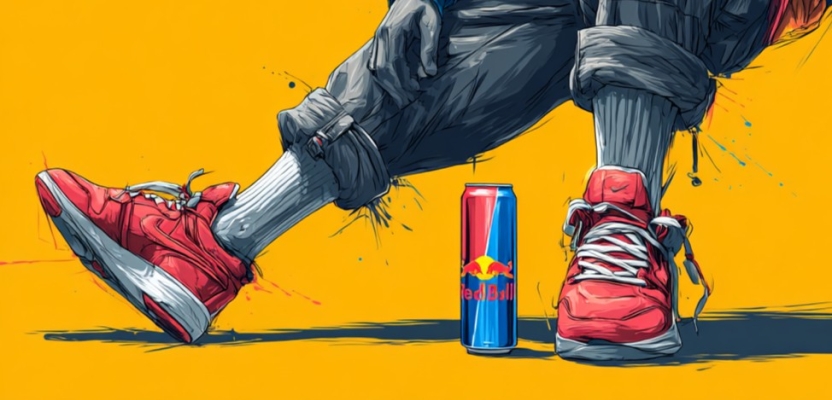
Red Bull obliges magnificently. Sweet yet metallic. Day-glo yellow. It doesn’t whisper health; it shouts “hazard.” Spill it in your car and it looks less like a drink and more like someone’s urine sample after a music festival.
The first time you taste it, it’s less “soft drink” and more “snogging a battery wrapped in bubblegum.” And yet, people chug it by the crate.
Why? Because our brains are wired to confuse struggle with reward. If something feels abrasive, dangerous, or slightly unhinged, we assume it must deliver results. Red Bull doesn’t taste refreshing, it tastes like ambition melting your fillings. But that’s the point. We’ve learned to believe energy comes with pain. If it tasted like San Pellegrino, we’d doubt it could keep us awake past midnight.
So before you iron the wrinkles out of your product—before you make it friendlier, smoother, or easier—ask yourself: are you killing the very friction that makes people believe in it?