

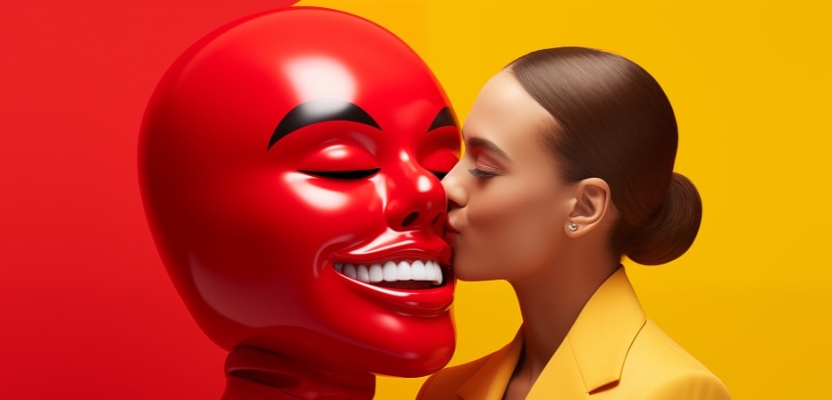

The arrival of Artificial Intelligence has transformed our understanding of what it means to be creative. Traditionally, creativity has been viewed as an exclusive human capacity, a unique mental process involving the combination of knowledge, experiences, and emotions to produce something new and meaningful. However, with the emergence of AI, this concept is expanding. Machines are now capable of generating art, music, text, and even advertising campaigns, forcing us to rethink the essence of creativity and the human role in these processes.
The Art of Collaboration: Humans and Machines
One of the main aspects of this redefinition is that creativity in the AI era is not just about the ability to generate ideas or concepts but also about the skill to collaborate with algorithmic systems. Instead of seeing machines as replacements, many artists and creatives are using them as tools to expand their capacities. This suggests a new form of hybrid creativity, where humans and AIs work together to produce results that would otherwise be impossible to achieve.
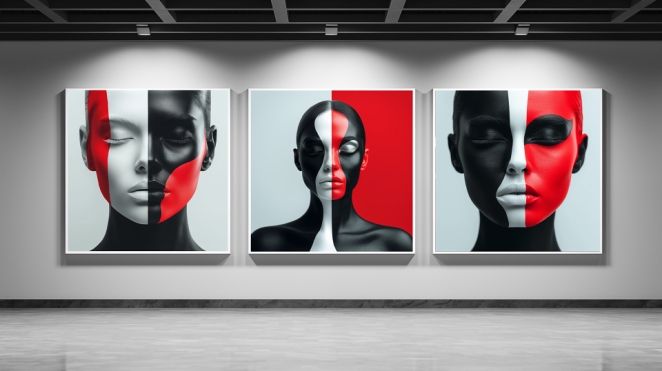
In his book The Creative Machine (2020), David Cope, a pioneer in AI-generated music, describes how algorithmic systems can help musicians compose pieces they never imagined, emphasizing that the collaboration between humans and machines is not a threat but an extension of human creative capacities. Cope argues that AI can become a co-creator, where the human acts as a director, shaping the final outcome based on the possibilities generated by the machine.
AI as a Generator of Emergent Creativity
In this context, the concept of "emergent creativity" arises, referring to AI systems' ability to produce creative results that were not predetermined by the programmer. Douglas Hofstadter, in his book Gödel, Escher, Bach (1979), predicts that machines will eventually not only replicate creative patterns but also autonomously generate new combinations, producing results that could not have been predicted. This vision has become a reality in the field of art, where AIs can analyze vast amounts of data and create original works from that information.
AI-based art generation software, such as DALL-E and MidJourney, has begun to show signs of this "emergent creativity," combining visual elements in a unique and surprising way. These tools allow users to provide broad directives, and the AI makes creative decisions about how to represent those ideas visually, sometimes creating something neither the user nor the programmer anticipated.
AI-Assisted Creativity in Advertising
The advertising sector is quickly adopting this idea of emergent and collaborative creativity. According to authors like Robert Lowenthal in his study AI in Advertising (2021), AIs are starting to play an active role in conceptualizing advertising campaigns. Tools like GPT-4 are helping generate slogans, ad scripts, and digital marketing strategies automatically. But what is most interesting is how human creatives are using these AI-generated results as starting points for new ideas.
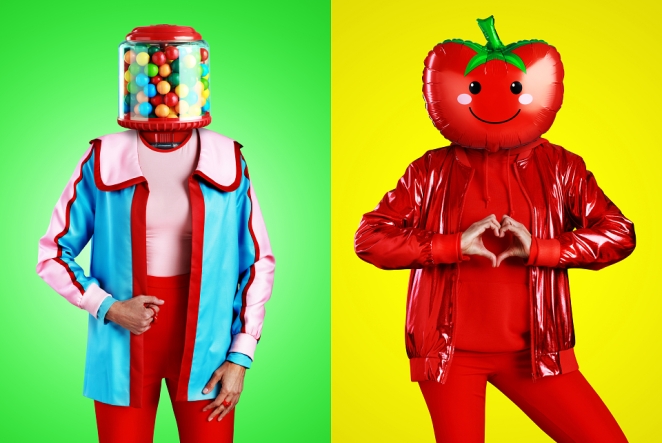
Instead of replacing creative teams, these tools are allowing advertisers to explore a wide range of ideas and approaches more quickly, generating concepts that would otherwise take longer or be limited by human biases. This phenomenon is clearly seen in current advertising campaigns, where personalized, data-driven ideas are generated at great speed.
AI and "Generative Creativity" in Entertainment
The entertainment sector is also leveraging AI as a key resource for creativity. In the film industry, AI is used to predict which scripts might succeed at the box office, based on the analysis of thousands of previous films. Some production companies are even starting to use AI to generate visual scenes, dialogues, or initial ideas for plots.
Authors like Lev Manovich, in his influential work AI Aesthetics (2018), argue that AI is not just replicating creative processes but is redefining how we understand aesthetics in the digital age. According to Manovich, AI can alter the creative process at its core, allowing humans to explore creative ideas that were previously out of reach, such as creating immersive virtual worlds and characters that evolve autonomously.
In music, artists like Holly Herndon are using AI to co-create musical albums. Herndon explains in her book Proto-Synthesis: AI and the Future of Music (2020) that AI is not just a tool but a creative companion that allows her to experiment with sounds and rhythmic patterns she would not have conceived alone.
Is AI Truly Creative? The Debate on Creative Authenticity
One of the great debates today is whether AI can truly be considered creative. According to Margaret Boden, in her work The Creative Mind (1990), creativity can be divided into three types: combinatorial, exploratory, and transformational. So far, AI has mainly demonstrated combinatorial creativity, where it combines pre-existing elements to generate something new. However, AI still has limitations when it comes to transformational creativity, meaning the ability to change the rules of the game and create something completely unprecedented and radically different.
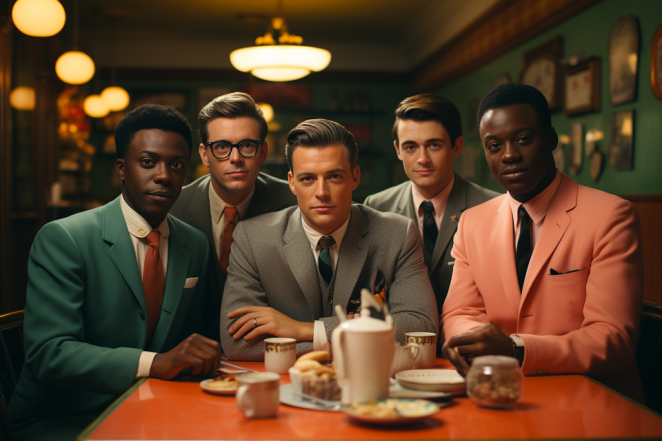
On the other hand, authors like Janelle Shane, in her book You Look Like a Thing and I Love You (2019), argue that while AI may not yet be able to be creative in a deep, human sense, its ability to generate unexpected combinations and variations is a significant advancement. Shane highlights that machines lack intent and emotional context, but they can be seen as tools that expand the field of human creativity by offering new possibilities.
Conclusion: Augmented Creativity and the Future of Co-Creation
The concept of creativity in the AI era is not limited to the ability to generate original ideas. At its core, AI-augmented creativity involves knowing how to interact with these tools, using them to broaden the range of possibilities, and generating synergies between the human and the digital. As AI becomes an indispensable collaborator in the fields of art, advertising, and entertainment, the role of the human is not diminished but transformed.
The future of AI-assisted creativity suggests that human minds will continue to be the driving force behind ideas, but supported by a new set of technological tools that will allow them to explore territories previously out of reach. As Steven Johnson points out in his work Where Good Ideas Come From (2010), innovation arises in the spaces where different disciplines converge, and in this case, the convergence between human creativity and artificial intelligence promises a future full of unprecedented possibilities.


Anastasia Beltyukova October 14th, 2024, around noon
Tell this to the millions of creatives whose lives has been 'transformed' by losing jobs and opportunities thanks to AI."Instead of replacing creative teams, these tools are allowing advertisers to explore a wide range of ideas and approaches more quickly, generating concepts that would otherwise take longer" - isn't it exactly replacing creative teams? Or hiring them for less time, meaning they are losing income?
Companies using AI should pay some kind of TAX to compensate loss of income to the flesh and blood creatives. Or governments should introduce universal basic income urgently, before there's millions of jobless people are on the streets.