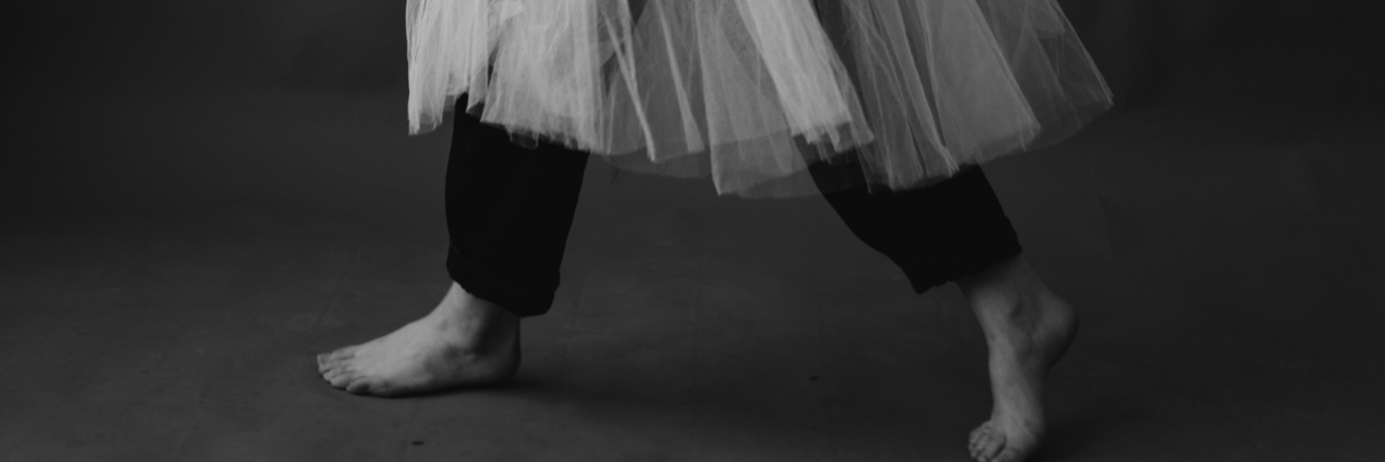

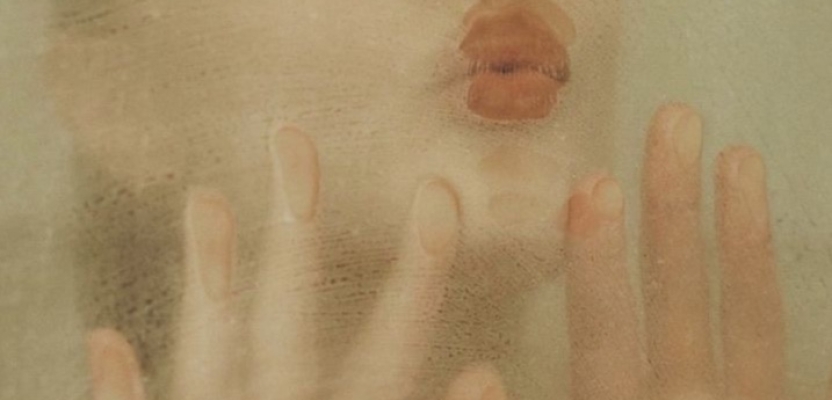

There’s a moment — quiet and a little uncertain — when a project begins.
Not with a grid. Not with typography. Not with layout.
But with a feeling.
Over time, I have realized that every project for me starts with a feeling.
It might be hard to describe in words, but once it’s there, it becomes the compass I return to — through every stage of the design process.
That feeling guides how I build.
It becomes the soul of the project.
| Finding the feeling |
Before I do anything — before I open Figma — I pause.
And I go into Pinterest.
I know many designers would say this isn’t the best source of inspiration. And I agree — in some ways, it isn’t. But for this part of the process, it’s my key.
I go to Pinterest to look for the visual representation of the feeling I have inside me — the one that’s quietly guiding this project. Because it’s not always easy to know how a feeling will translate. What color does it become? What kind of typography? What sort of photography?
So I scroll, and I wait for something to click. An image that holds the feeling I can’t quite name yet. That one image leads to another, and slowly, I begin to see the vision take shape.
This part is just for me. The client will never see it —
but they’ll feel it.
Because this is where the vision board begins — and it becomes my compass.
I return to it constantly, asking myself:
Does this support the feeling I’m going for?
| From vision to moodboard |
Once I’ve created this internal vision board — once I’ve found the visual translation of the feeling I’m working with — I move into creating the moodboard.
This is what the client will see.
And while it’s more curated and structured, it’s completely shaped by that earlier internal process.
From here, I begin to make real decisions:
What kind of colors will support this feeling?
What typography fits into this emotional space?
How should I use space on the page?
What will the layout and interaction style feel like?
The moodboard is where these elements come together into something I can now present. It becomes the shared language between me and the client — a bridge between my inner compass and their trust in the process.
| I don’t settle |
After the moodboard comes the design phase.
And what I’ve learned is this:
I should never settle for anything less than “I love this.”
I create and create until those are the words that come out of my mouth.
Some projects get there quickly — others take time, exploration, and frustration. And sometimes, when I’ve drafted and drafted and nothing feels quite right, I scrap everything.
I start fresh.
Just one photo. One font. One color.
And I build from there.
Step by step, until it clicks.
| A design relationship |
Design, to me, feels like a relationship.
You need to show up as your full self — honest, imperfect, but deeply you.
Only then can the right people — the right clients — connect with your work.
That’s how you unlock a signature style.
That’s how you make work that brings you joy.
That’s how you create spaces that feel like home.
| Final thought |
For me, design doesn’t begin with action — it begins with attention.
Attention to what moves me, to what I feel, and to what I want others to feel too.
That’s how I turn a thought into a space.
And in my case, that space just happens to be a website.