

In the intricate dance of balancing career ambitions and family responsibilities, many women find themselves navigating the 'messy middle'—a phase where professional growth intersects with the demands of caregiving. Tarin Ayres, Managing Partner at Livity, encapsulates this experience as she juggles late-night work sessions after tending to her children's needs.
In this thought leadership article, Ayres emphasizes that to alleviate this burden, society must shift its perspective, acknowledging that caregiving is not an exclusively female responsibility. By promoting equitable parental leave policies and challenging traditional gender roles, we can create a more balanced and inclusive environment that supports all parents in both their professional and personal lives.

Tarin Ayres
I’m writing this at 9pm on a weekday night. I’ve just logged on again after wrestling two small people into bed, cleaning up the tornado they left behind, cooking dinner… I can go on.
I’m guessing I’m in the “messy middle” of my career. Like me, for many women, the messy middle of their careers coincides with starting families. Without flexible working, a supportive employer and the incredible women at Livity and krow Group who inspire the ultimate balancing act, I wouldn’t be here.
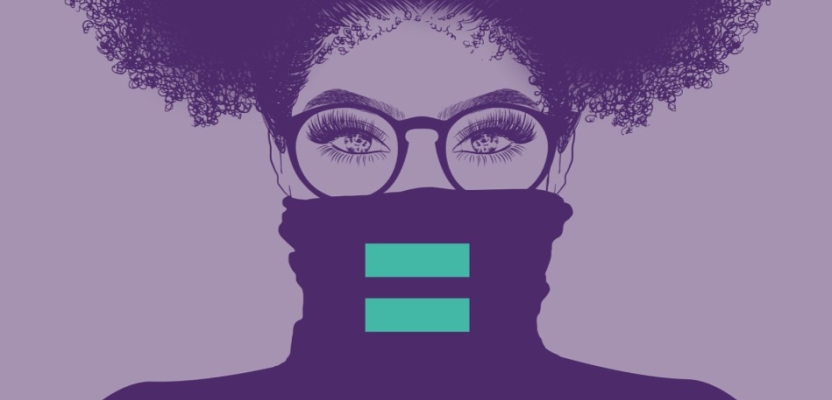
Every year International Women’s Day reignites the conversation around how we can better support women in our industry. For me, there is one shift we need to make and that is recognising parental responsibilities fall equally on both parents.
Representation in ‘The Work’
This is an issue that desperately needs to be addressed in ‘the work’ as well as our workplace. Stop directing baby products to mothers (farewell Mamma Bear wet wipes), stop making a joke of weaponised incompetence (bye bye clueless dad tropes). Show competent fathers in caring roles. In fact, we need to get much better at reflecting real families as equal caregivers in all their diverse forms.
Transformation in the workplace
One transformative move across our industry would be to provide substantial, affordable and equal paternity leave. Right now, the statutory paternity leave of two weeks at £184/week (or less) is one of the worst in Europe. Because of the gender pay gap, shared parental leave is not an option for many couples. The system devalues the role of the co-parent, leaving the weight of this ‘messy middle’ to fall on women.
Enhancements to paternity leave and pay policies across the industry are increasing, but not fast enough. According to Campaign last year only 30% of agencies were offering four weeks of paternity leave at full pay.

Organisations like Father Shift and Pregnant Then Screwed, are unanimous on their recommendation: two weeks after birth and four weeks non-transferable parental leave, to be taken within the baby’s first year - ideally solo, when the mother returns to work.
This minimal benchmark is something our industry should have got behind universally. Now we are likely to be outpaced by policy, due to Stella Creasy’s amendments to the Employment Rights Bill tabled in parliament this week, which would require the Secretary of State to consult on a period of protected paternity leave.
A culture shift long overdue
While parental leave policies improve at a snail's pace, I’d be keen to understand how many fathers are encouraged (and actually do) take up some of the more generous policies.
I’ve heard stories of dads being actively discouraged - one friend in another agency was told that it was ‘career suicide’. It’s still not the norm to see dads working flexibly to pick up kids (although I know many do).
The culture shift required around paternity leave is just as important as policy changes.
Looking to the future
As someone who works with Gen Z every day, I can confidently say they will not stand for this (and yep some of them are already becoming parents).
We have seen this generation challenge outdated concepts and practices in the workplace already. I fully expect them to challenge outdated parental leave policies too. Despite the current rollback in DEI efforts, I’m hopeful they’ll succeed in driving the change we all need.
Until we appreciate all parents as equal in the workplace, women’s careers will continue to have messy, exhausting middles. And as an industry, which now employs more women than men even though the upper echelons do not yet reflect this – it doesn’t seem like a wise move to let this continue.