
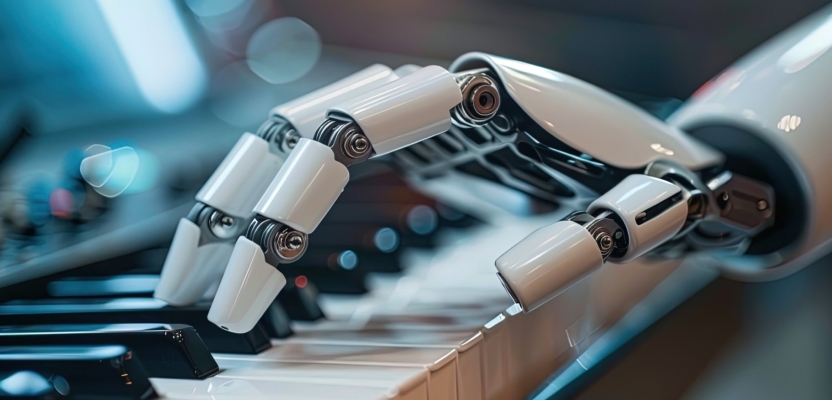

The perception of AI across the creative industry is generally negative, with a host of high-profile names including Elton John and Paul McCartney calling for greater transparency in the training of AI to protect the rights of artists.
This scepticism is reflected in wider public perception, with research from the British Phonographic Industry revealing that fewer than 50% of people believe AI tools should be used in music production, even if there is a human driving the activity.
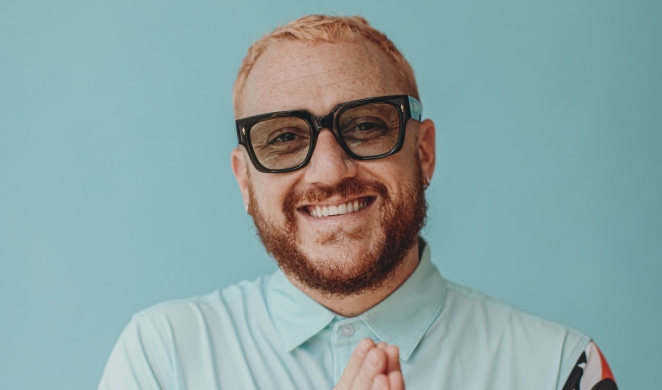
According to Shai Caleb Hirschson, Co-Founder and Chief Creative Officer at IMAGINE, , if implemented correctly AI can be a force for good throughout the arts, but this technology should exist to complement creators, not replace them altogether.
The sentiment towards AI across the creative industry is overwhelmingly pessimistic and for valid reasons. In a sector where monetising offerings and making a living from your work is an innate challenge, AI threatens to take the power out of the hands of artists using their own work as the vessel for this transition.
However, focusing solely on this narrative and refusing to recognise the potential benefits of this technology will harm creative spaces in the long run. While it’s vital that protecting artists is the top priority for governments, corporations and creatives themselves, the path to prosperity will be paved by AI exploration.
In an industry where time is at a premium for so many, AI can be extremely useful in driving improvements in efficiency and easing the burden of strained resources. Applications such as transcribing audio recordings, editing and mastering songs, and generating backing tracks can all reduce administrative work and increase how much time artists are able to spend doing what they do best: being creative.
Another key use case of this technology is offering new opportunities for artists to earn from the work they channel so much time, energy and effort into producing. When AI tools are fair, they can be mutually beneficial, with the original creator paid a fee every time their work is used to make something new with AI. This concept is the foundation of a harmonious AI future within music and beyond, where the rights of artists are protected without blacklisting emerging technologies entirely.
It’s also important to recognise the strengths and weaknesses of AI innovations. For example, AI is very effective when it comes to adapting melodies but often struggles when reinventing simple rhythms. Understanding these nuances is the only way creators can maximise the potential of AI offerings.
In the corporate world, brands need to understand how they can create multi-sensory touchpoints with their audience, underpinned by a unique sonic experience that accurately reflects their story and core values. AI can assist with this journey, helping creative teams settle on a narrative direction, create the content and identify the channels where there message will resonate most strongly.”
Evolution sits at the heart of creativity, and ensuring the growth of the industry means appreciating that AI can be more than just a threat – it also presents opportunities. The responsible integration of AI will see this technology assume the position of co-creator, driving efficient ways of working and allowing artists to monetise their creations.