


Most brand campaigns are created with the sole aim to sell a product, which you could argue, sounds quite simple. But if products alone built lasting loyalty, our lives would be filled with purchases from countless different brands. In reality, consumers connect with something far less tangible: what a brand stands for and the spaces it creates for its community.
As we move into 2026, brands need to realise that product-led campaigns might lead to short-term success, but they rarely build resonance. Brand loyalty comes from emotional connections; the relationships built with customers, as opposed to products’ price points. Brands that fail to define their “why” risk blending into an increasingly crowded market.
The next era of branding will focus on ‘zooming out’. This means moving beyond campaign-by-campaign thinking to a clear, long-term brand narrative rooted in lifestyle and culture. But where does this brand loyalty come from, and why does it matter even more today? Let’s take a look.
‘Realness’ raises the bar across every touchpoint
A recent finding from 2025’s Cannes Lions Festival was that younger consumers, in particular, demand ‘realness’ from brands. As AI slowly seeps into advertising, to varying degrees of success, customers are craving authenticity more than ever. To achieve this authenticity - and loyalty - brands must start asking a handful of questions, such as: what’s different about my brand? What do you believe in and want to promote?
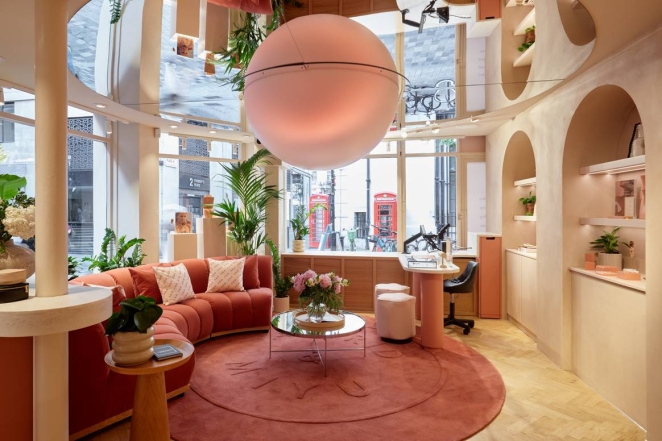
Authenticity goes far beyond aesthetics and price points; your values have got to be encoded into every aspect of your brand. For instance, the 3-metre kinetic light installation ‘The Orb’ we designed in Astrid & Miyu’s Carnaby Street store isn’t just there to look great, its colours reflect live global weather data, reinforcing the brand’s commitment to connecting its global community under one shared sky.
Only brands with defined pillars can begin to plot out authentic, community-driven brand narratives. People need to remember why something exists and what it represents, rather than just the products it sells.
Community events bring fans closer than ever
Consumers crave clarity. With social media leaving brands just two taps away, people are in constant contact with their favourite brands. And they do real homework when it comes to corporate values and knowledge.
In crowded markets where products are easily replicated, real-world brand identity becomes the true competitive advantage. Showing up across spaces, educating audiences on your brand, culture and community, helps differentiate in ways that competitors can’t copy.
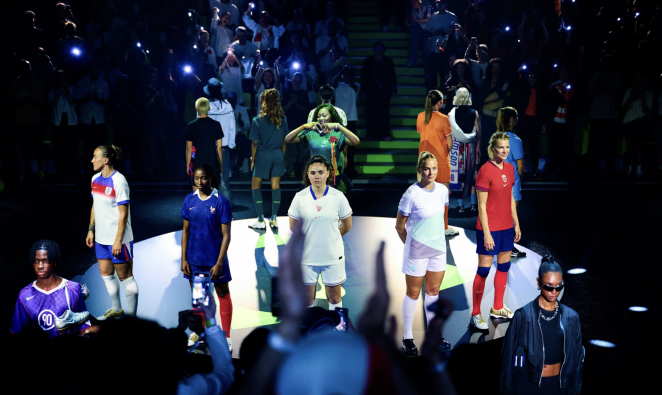
Thinking back to our Nike UEFA Women's Championship kit launch last year, the live event paid homage to London’s street culture, brought to life by British-Nigerian rapper Ms Banks, whose work embodies the cultural blend that shapes Britain today. The moment was echoed through both symbolic and physical spotlighting of each national team’s kits, spanning the Netherlands and Nigeria, to Norway and England.
This type of activation allows a community to develop authentically. It elevates consumer relationship building, and helps position brands as a force to align with, belong to and even advocate for. But it’s only successful if applied everywhere.
Always-on branding powers always-on loyalty

A brand narrative only works if it’s truly lived. Purpose and style can’t exist in isolation within a single campaign or channel; they need to show up consistently wherever your audience encounters you.
We discussed in our recent Creators Way report how the creative industry loves to talk about relationships between brands, communities, and culture. But too often, that conversation stays at a fleeting surface level.
Instead, every touchpoint should reinforce the same beliefs and personality; from physical experiences and retail spaces to social content, partnerships and customer interactions. When values are applied end-to-end, brands stop feeling performative and start feeling coherent. This consistency turns everyday moments into storytelling opportunities, allowing audiences to recognise, trust and emotionally invest in the brand over time.
Take iconic British footwear brand, Dr. Martens. Beyond merely selling shoes, the brand champions self-expression, subcultures and individuality. And it reinforced this strategy with the launch of its Buzz shoe silhouette.
Partnering with Seen Studios, Dr. Martens created a rebellious experiential marketing campaign, designed to be unapologetically disruptive with a metallic-wrapped broadcast van that paraded through London’s busy streets. Its distinctive appearance, standout 3D branding and Buzz campaign easter eggs gave it a life and personality of its own. It created a moment that resonated beyond the confines of the campaign and alongside the brand’s values; standing out, being bold and owning who you are.
Building belief, not just attention
Ultimately, the brands that win in 2026 won’t be the loudest or the most prolific, but the most consistent and self-aware. As audiences grow more discerning, loyalty will be earned by those who move beyond fleeting campaigns.
Belief is what turns customers into advocates
Consumer trust will be built through commitment to long-term narratives rooted in purpose, culture and community. When every touchpoint tells the same story, brands stop chasing attention and start building belief. And belief, more than any product feature or promotion, is what turns customers into advocates.