Karolina Konior
Photographer/videographer
ABOUT
‘Brain activity may continue for more than 10 minutes after the body appears to have died, according to a new study.’ It means that some awareness may continue even after the brain has shut down completely. Nearly 40% of people who survived described some kind of ‘awareness’ during the time when they were clinically dead before their hearts were restarted.
Death is a part of life which concerns every person and a process every individual will go through. It is often perceived as a taboo topic – painful and undesired. The frequent conversation, understanding, knowledge and study makes it more bearable and less frightening.
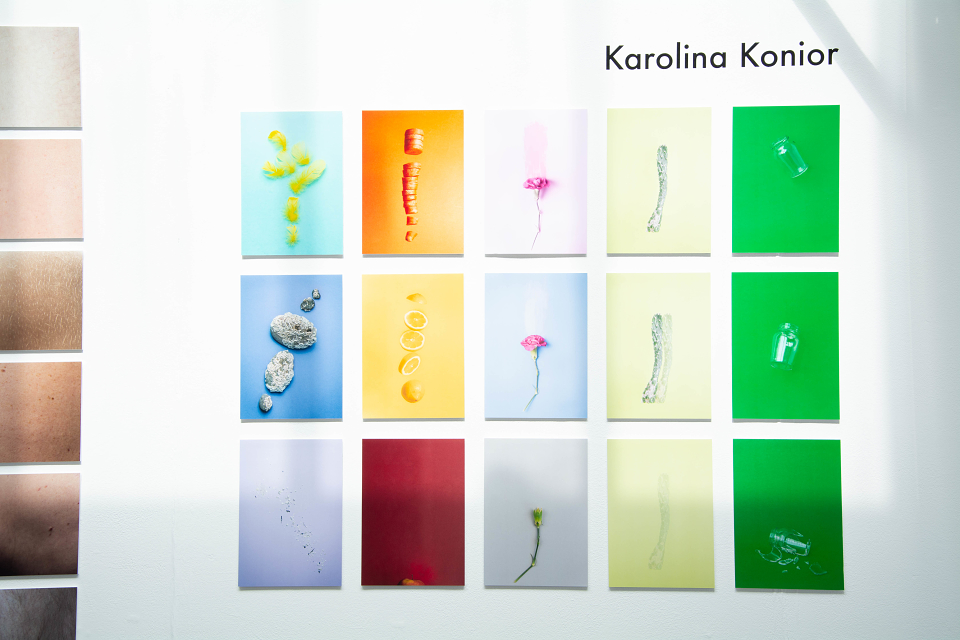
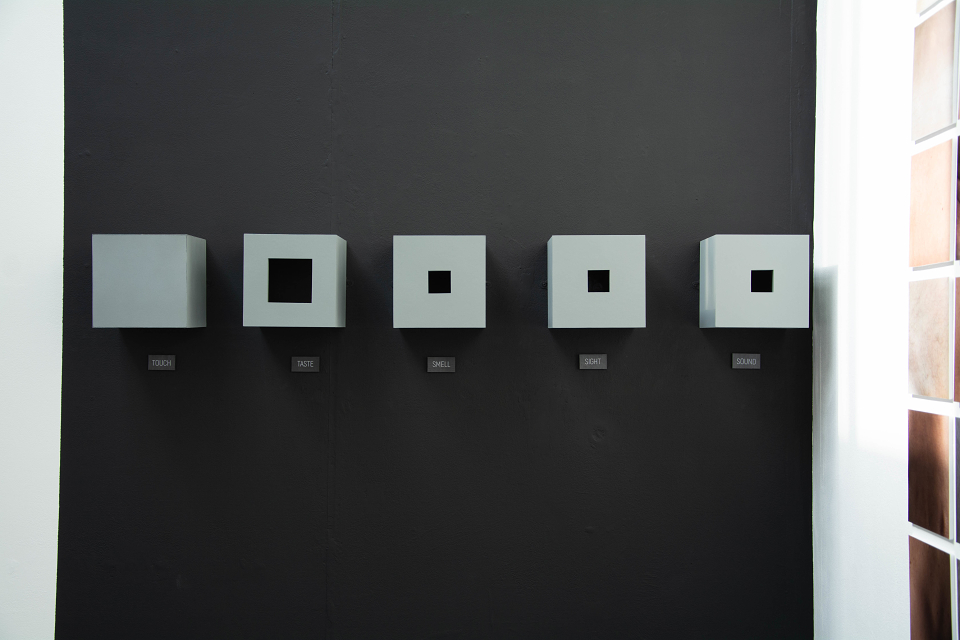
While researching the ways death was represented in the modern art I encountered dead animals, skulls and burning candles. I aimed to represent death differently through the celebration of life and everyday items not directly associated with death as well as photographs of alive people. I based the project on the inherent component of human life - senses. Although research does not confirm it, people believe that the process of dying includes losing senses one by one in the following order: touch, taste, smell, sight, and lastly sound.
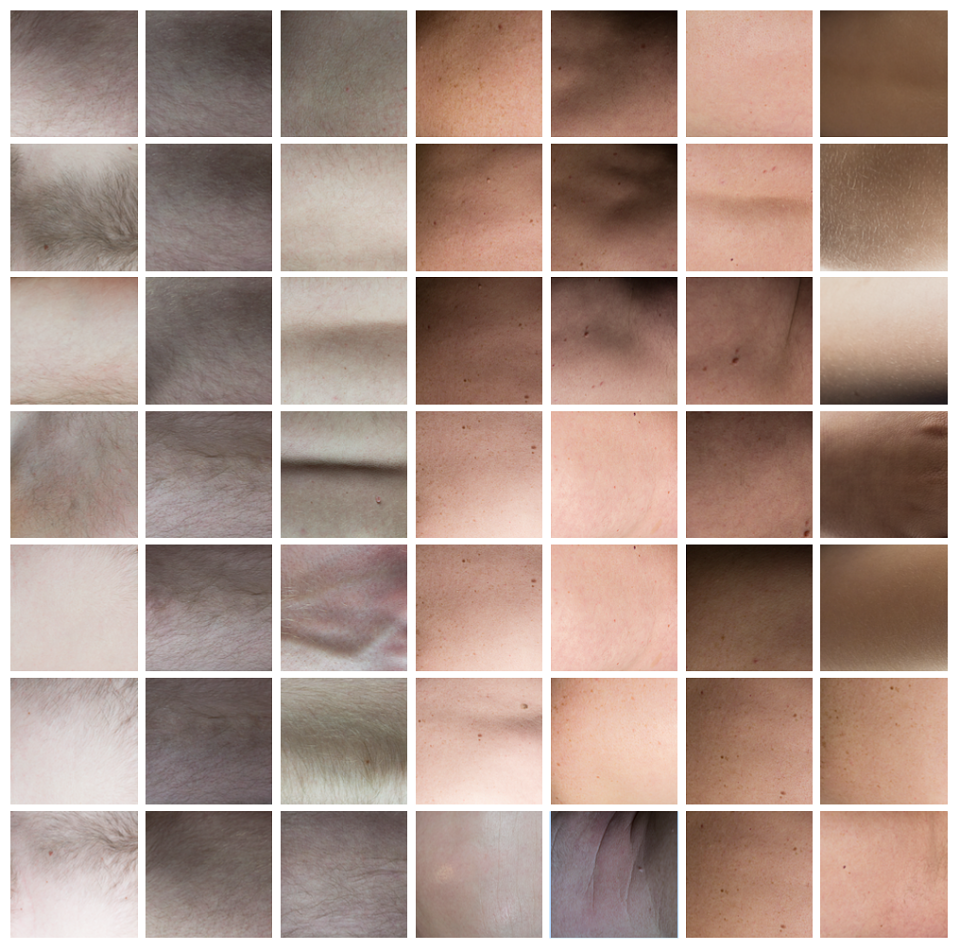
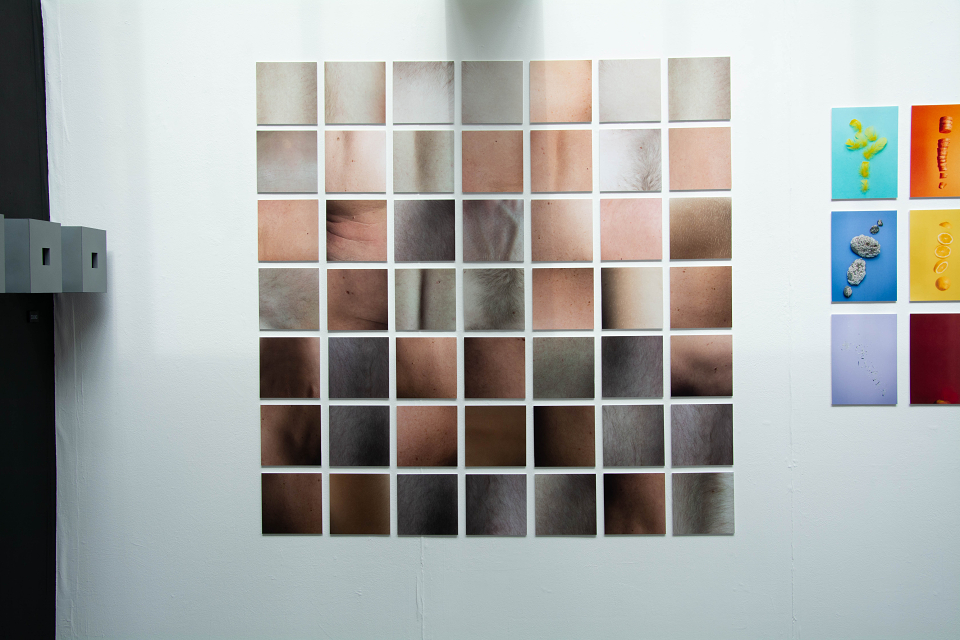
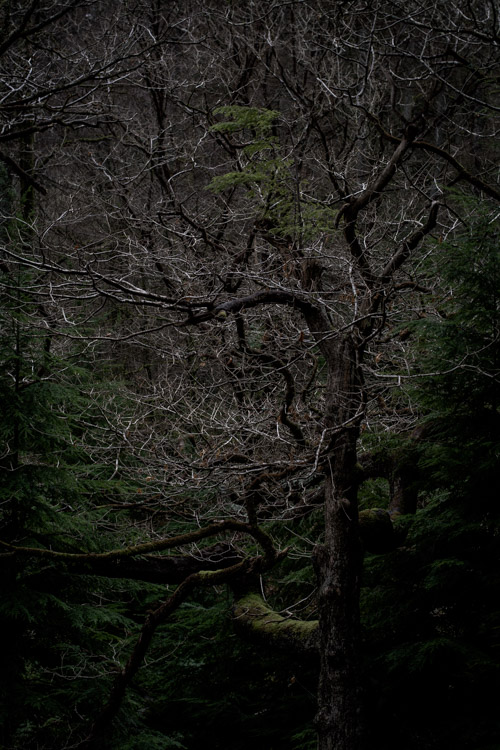
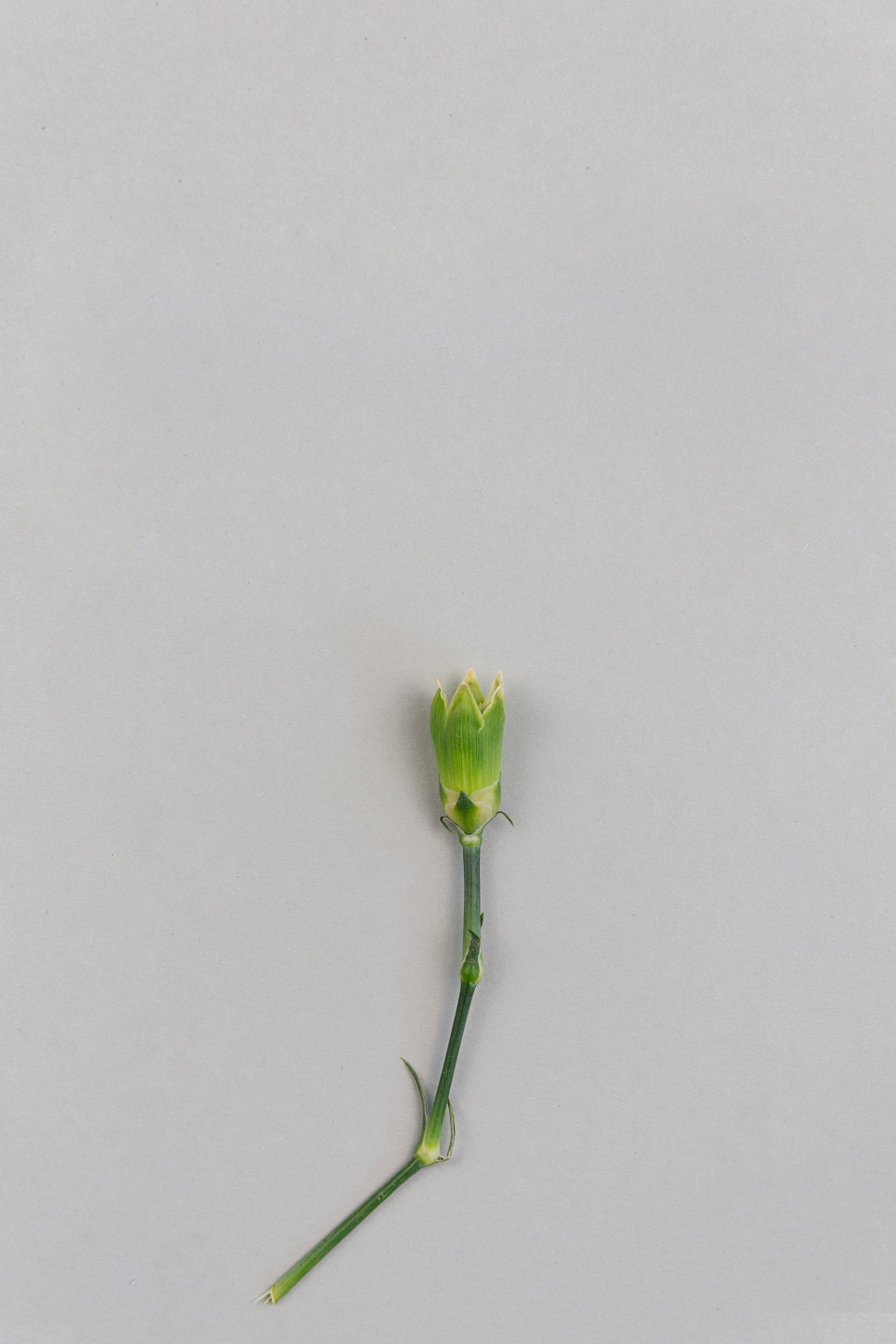
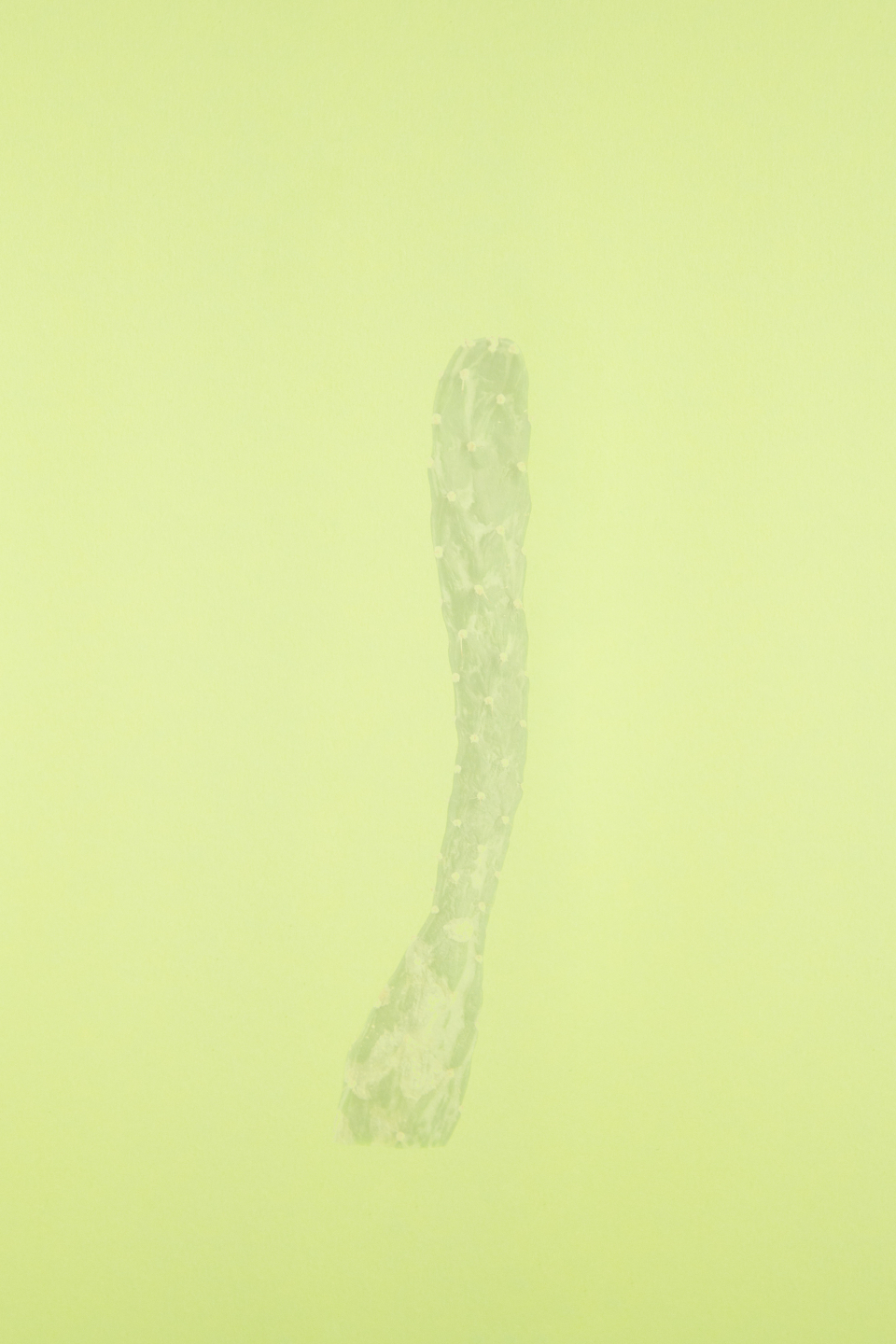
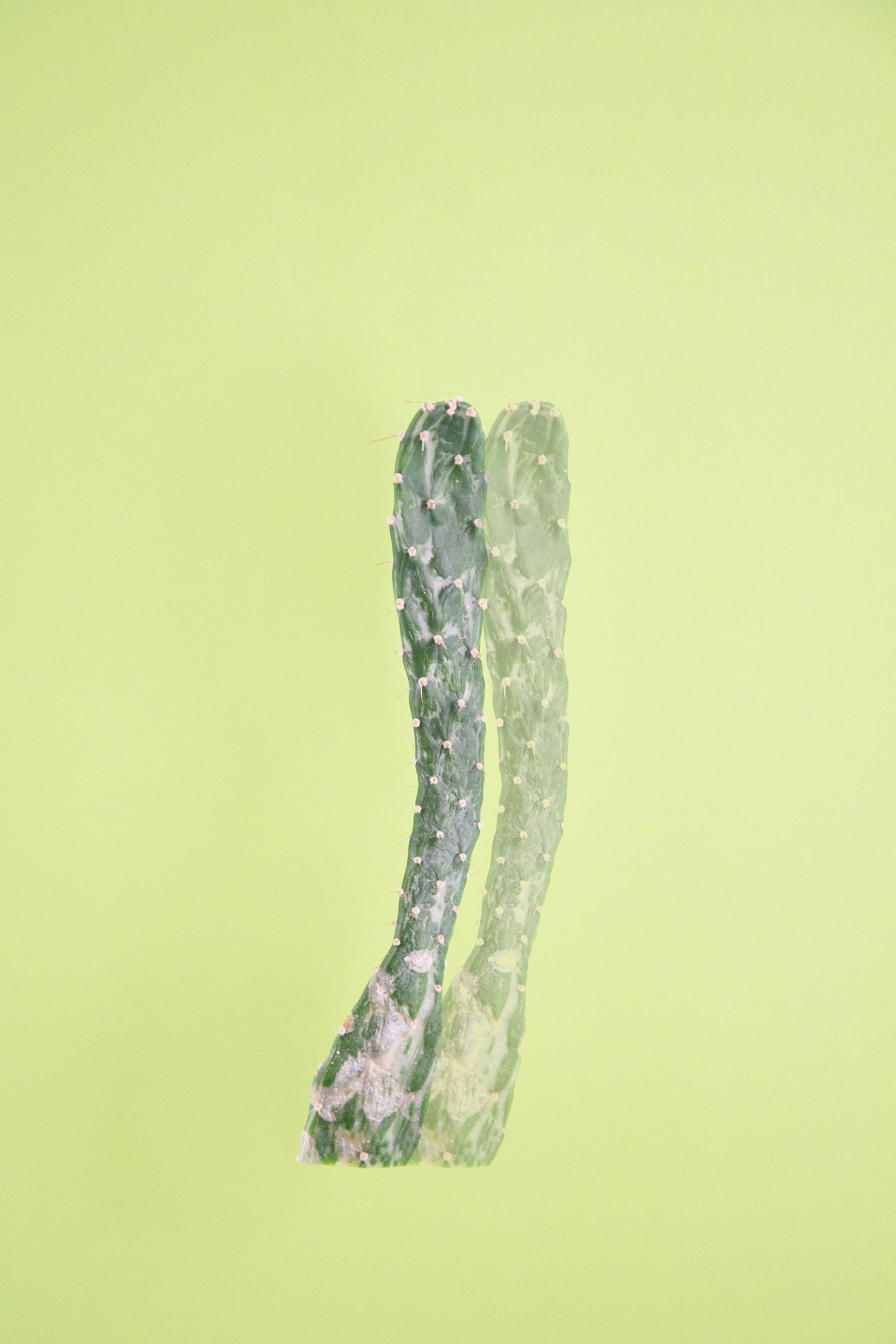
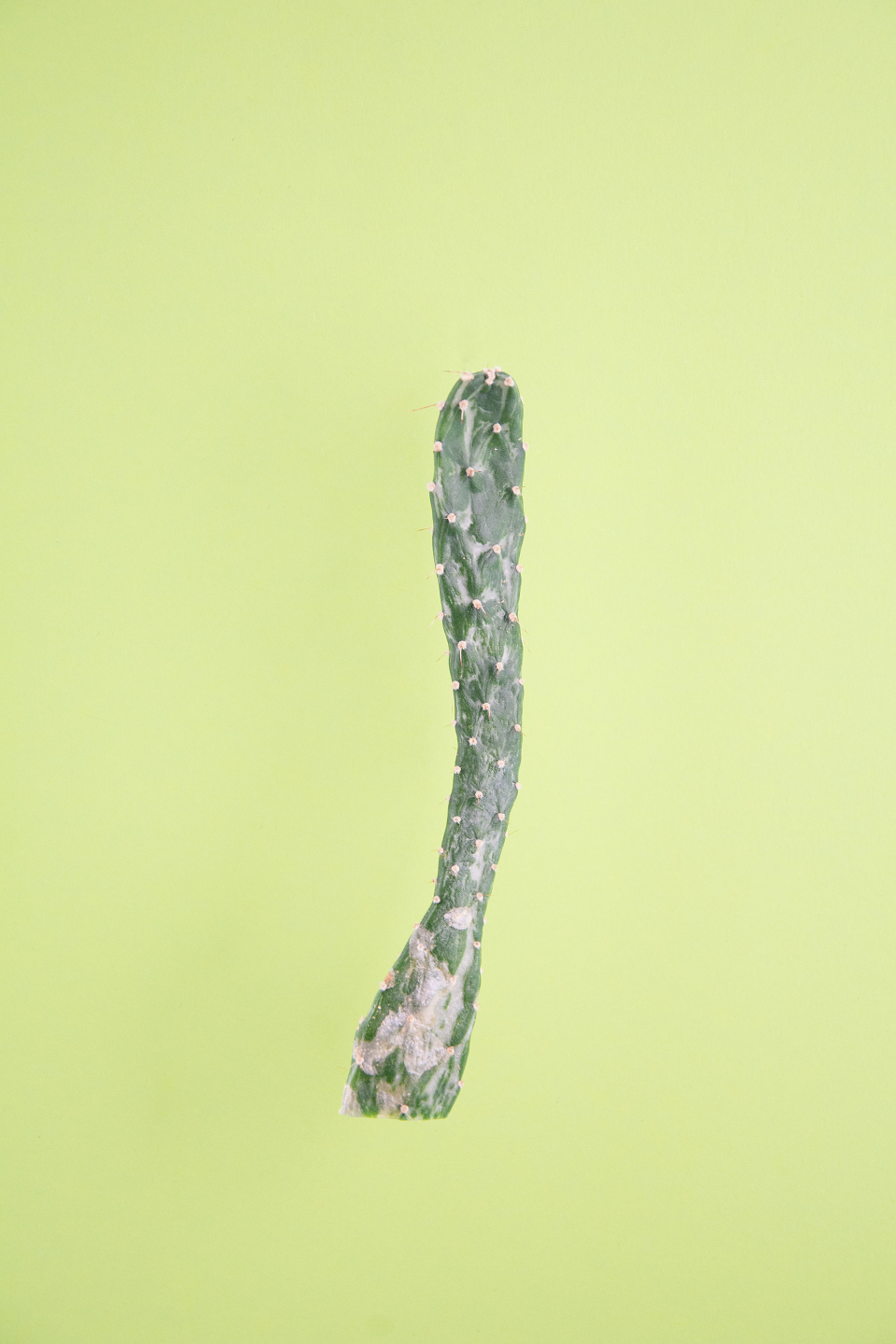
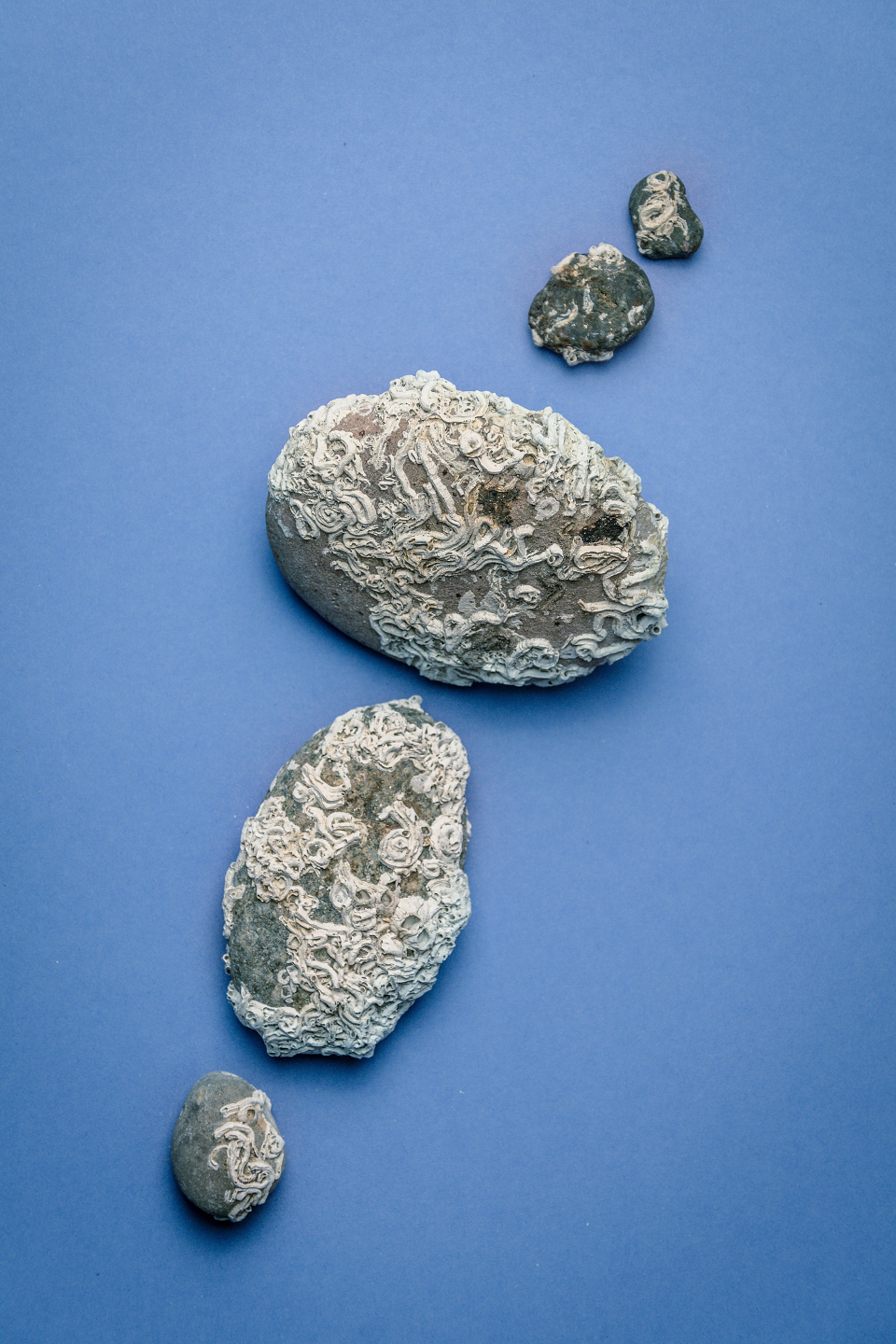
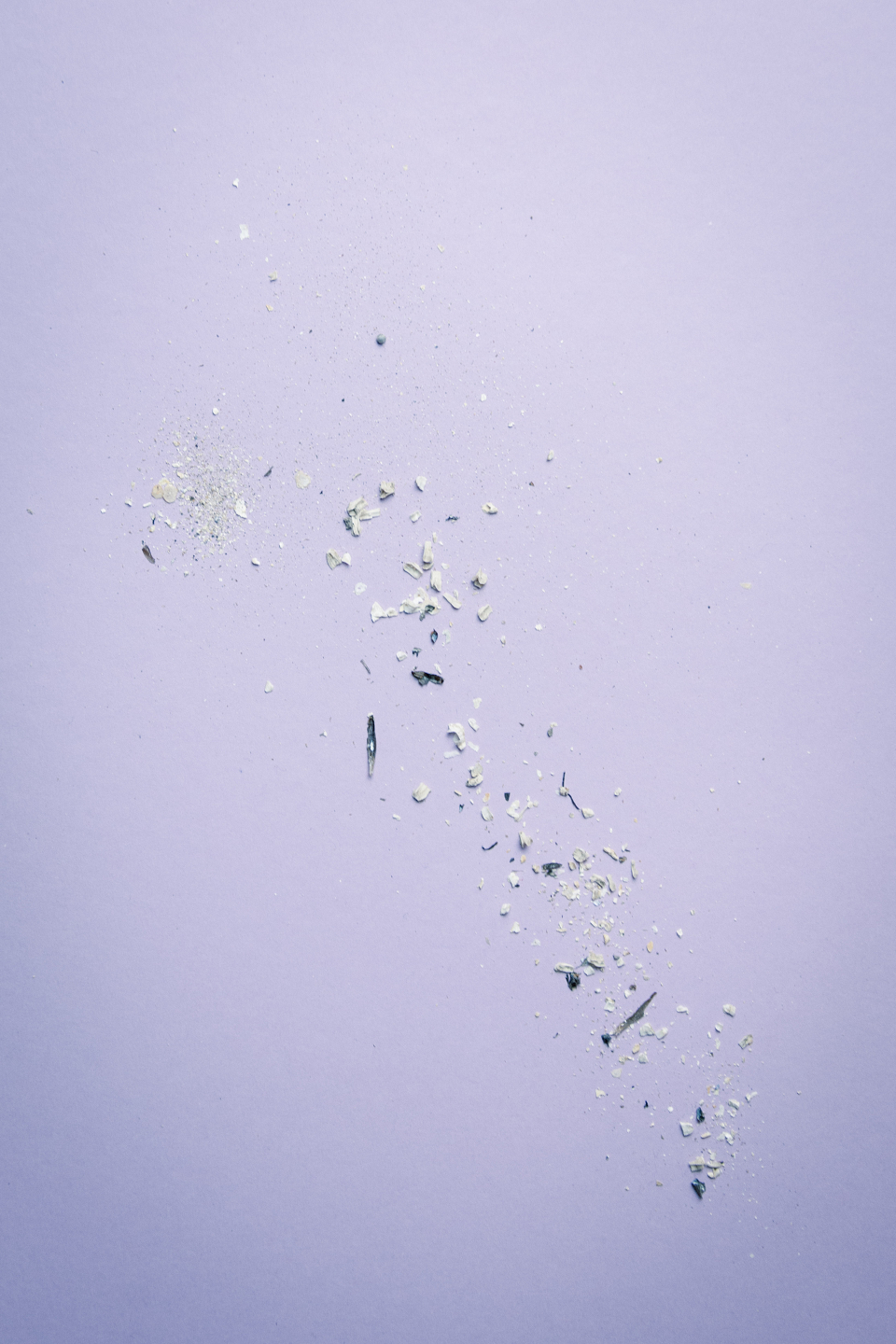
The aim of ‘Ten minutes’ is to represent the loss of senses during a clinical death in a poetical, beautiful and bearable way. The project includes a series of photographs which represent senses and their vanishing through the use of everyday objects. Each sense is portrayed in three photographs to emphasise the process of its disappearance. The abstract figure of an individual includes photographs of a child, an adult and elderly. It is challenging to distinguish the skin of a particular person which contributes to the abstract being perceived as a whole. ‘Ten minutes’ also includes the representation of a tree – a symbol of enduring strength and protection. The essential component of the project is a display of five black boxes, each dedicated to one particular sense. For example, a ‘sight’ box contains a small photograph inviting the audience to have a close look at it. I encourage the audience to experience their senses in a more conscious way and to be fully aware of them.
The photographs aim to capture memories rather than exact vanishing moment of a particular sense. It is not a project about loss, it is about richness of life, memories and people. It is a celebration of life through death which utilises the value of memories.
MADEIT CREDITS
-

Karolina KoniorPhotographer