Joshua Stockhall
Stills Photographer
ABOUT
Cape Town Central Library has a fantastically curated Fine Arts section. There I came across Alex Webb’s The Suffering of Light. At the same time, I was looking at Philip-Lorca diCorcia’s Hustlers. They came as a revelation - of course.
In both books, the light is a subject. It does much more than define what’s there, it’s engaged in the narrative.
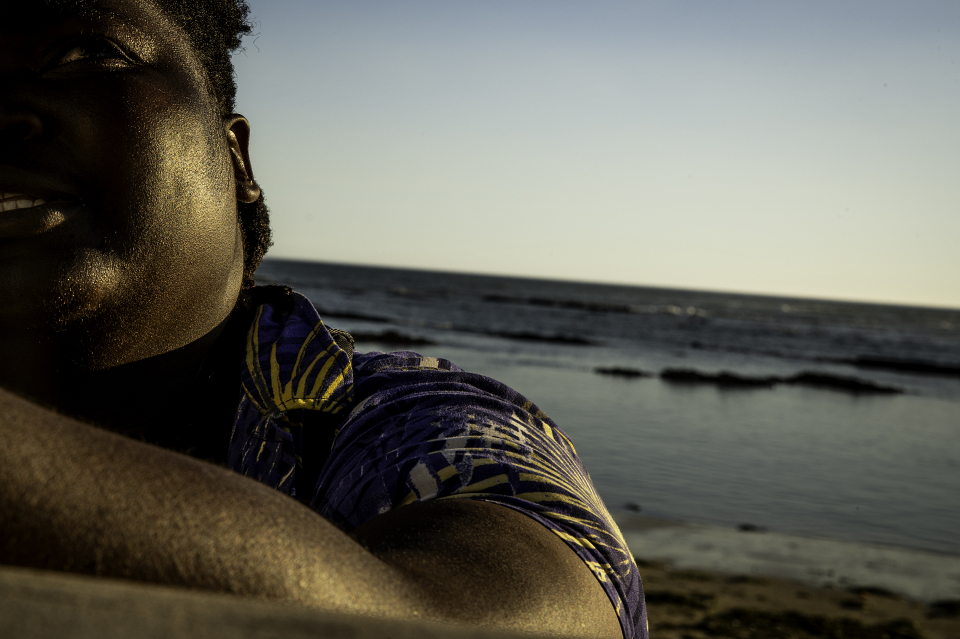
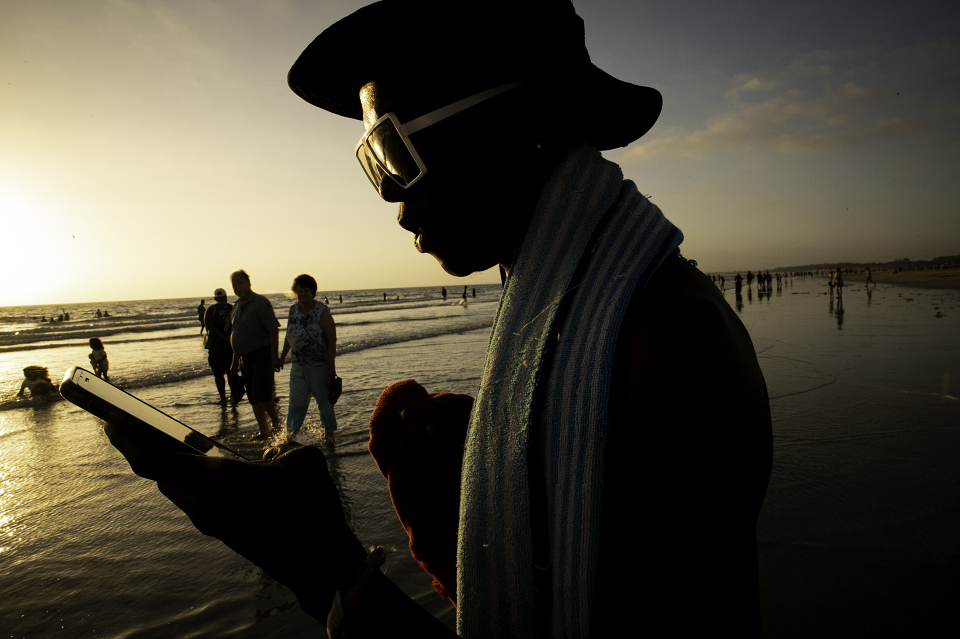
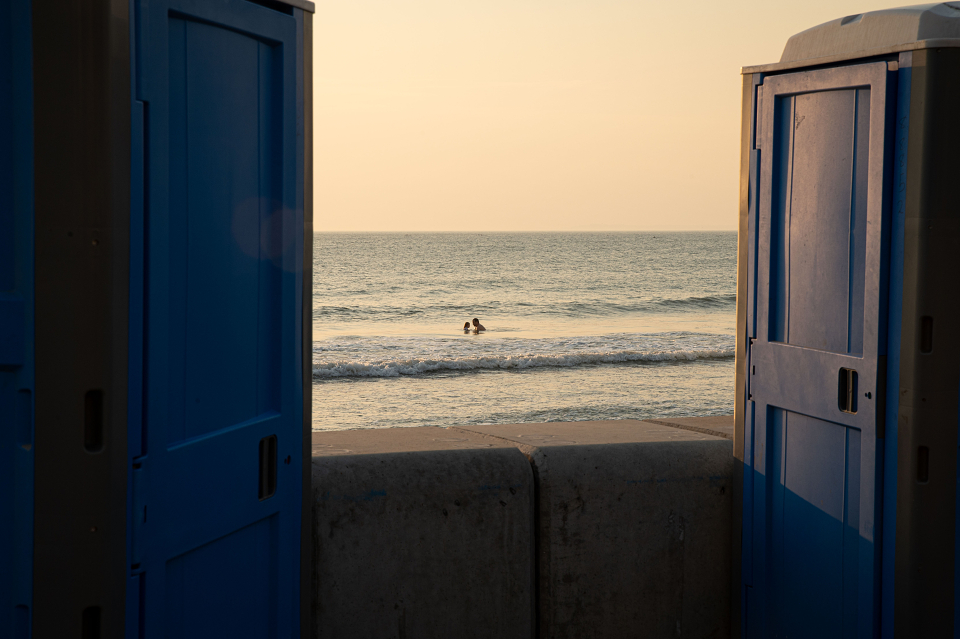
Inspired by their imagery, I began to take note of South African light, imagining it as a personification of the national mood. In the mornings we are sharp, clear, and intent, and our shadows long, but the light is bright. As the day goes on, so the light becomes harder, whiter, and we move inside. But as the day begins to close, the light becomes yellow, then orange, and then purple.
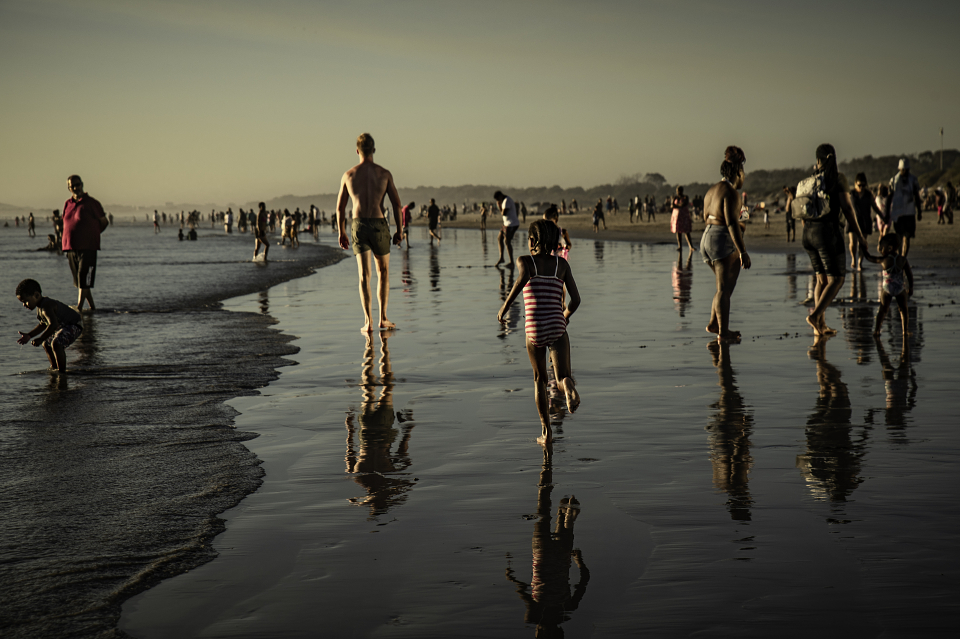
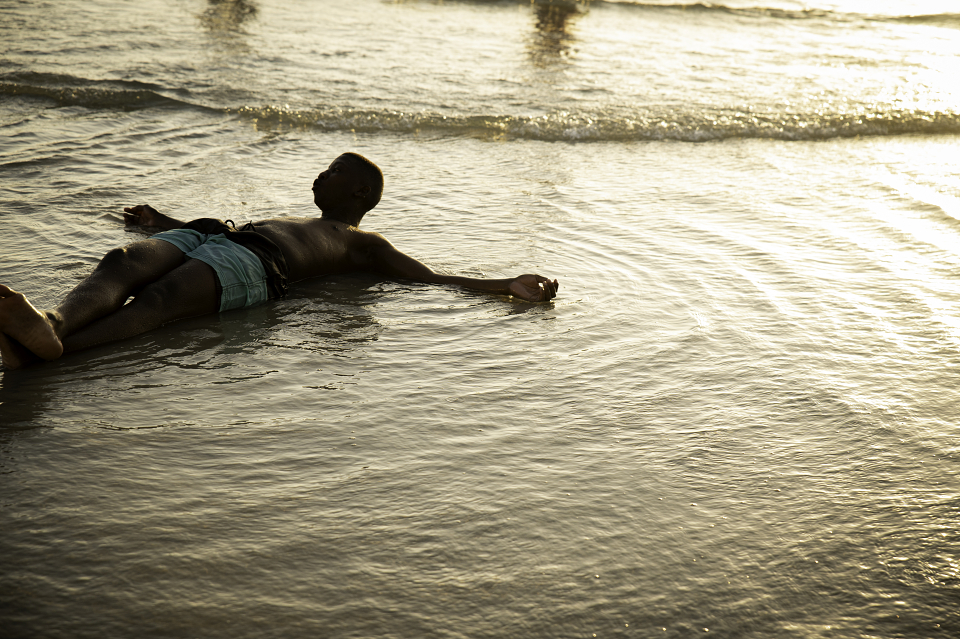
At the same time, I began to walk along the beachfront. It was an activity I had taken on meditatively, as a way of closing out my day. Something about how tactile it was, feeling cold water running over my feet, and stepping into the wet sand, lifted me out of the intensity of my day.
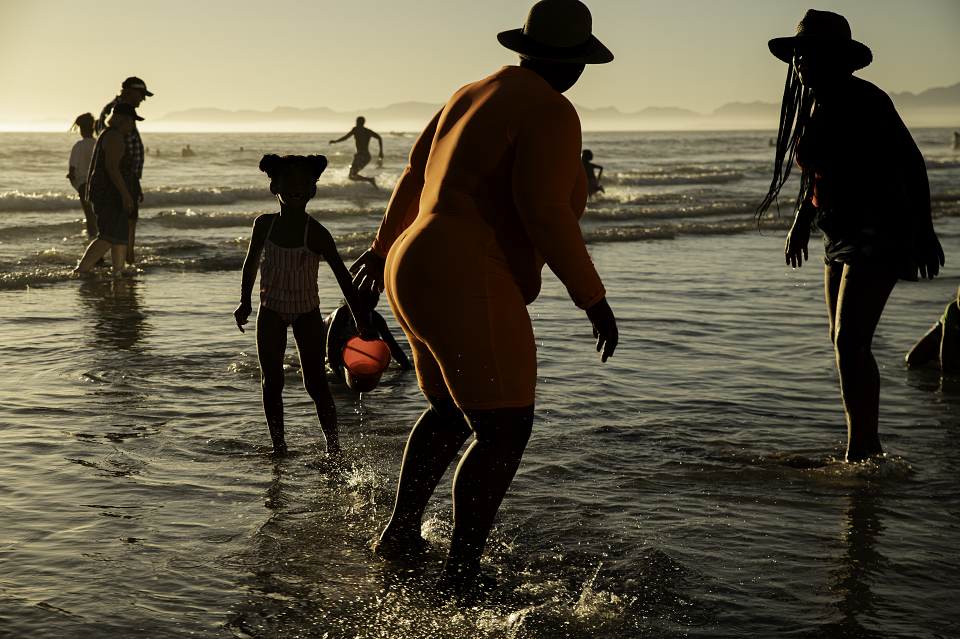
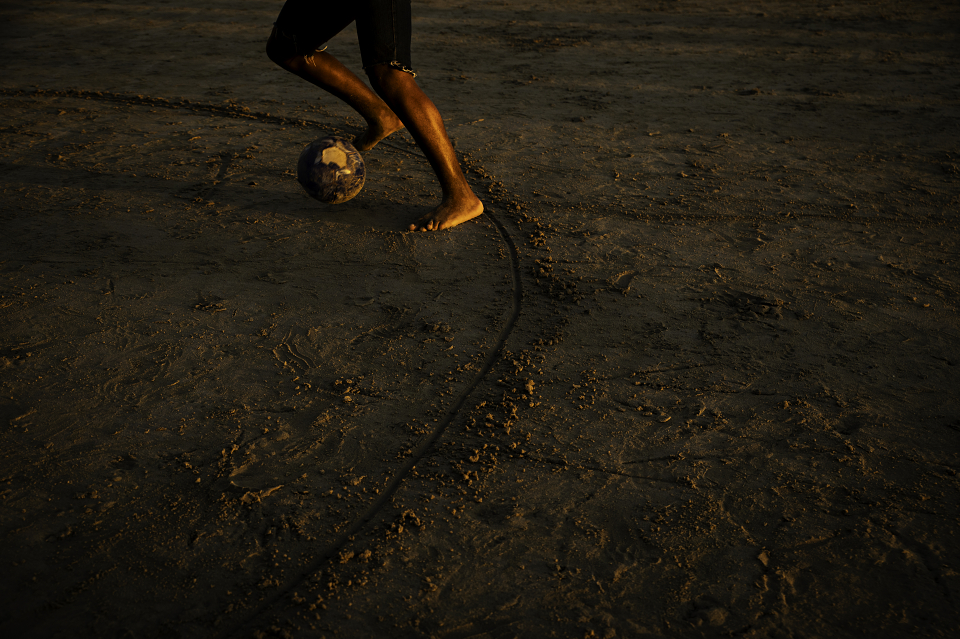
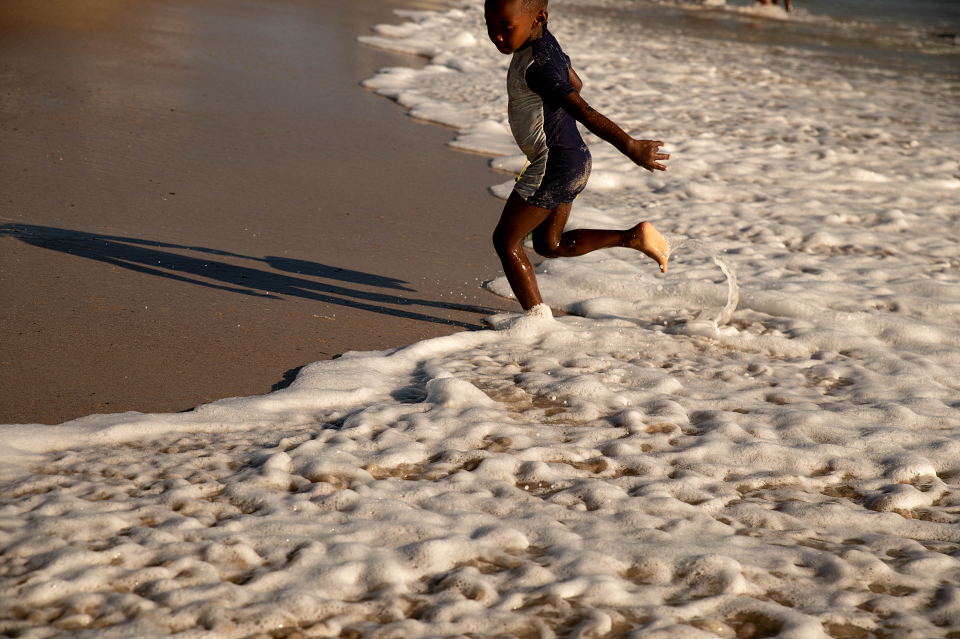
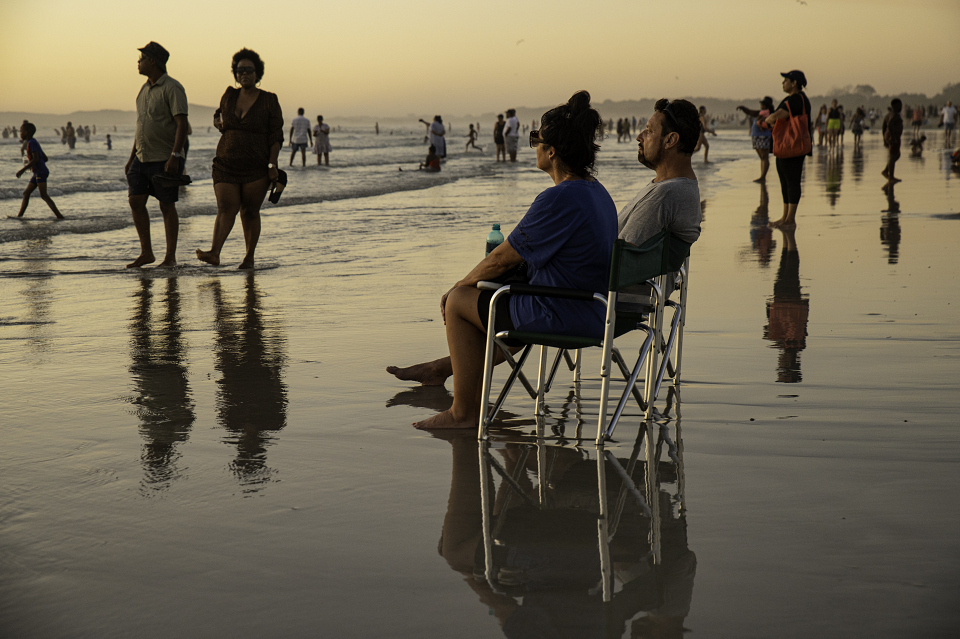
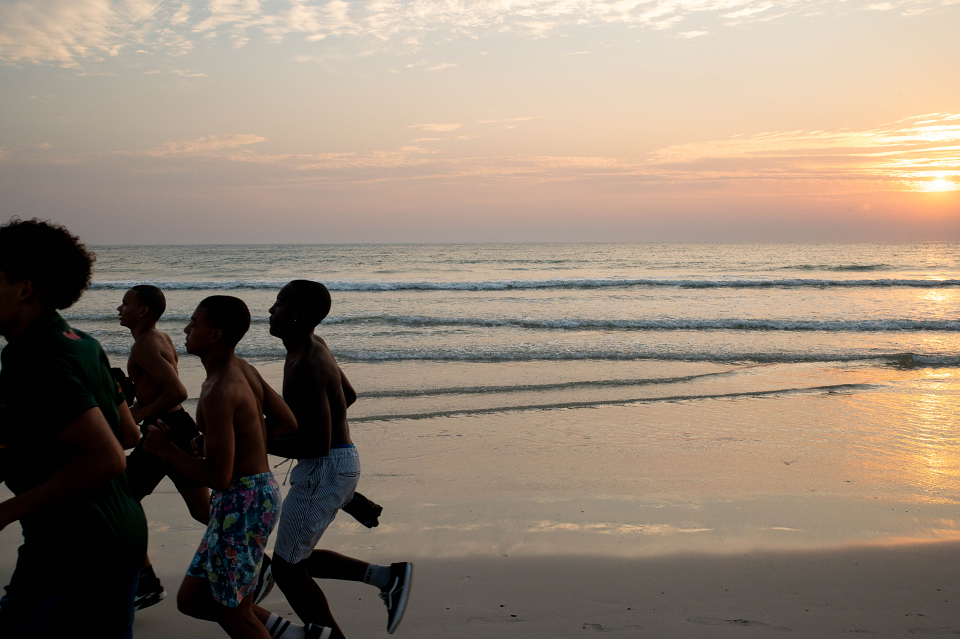
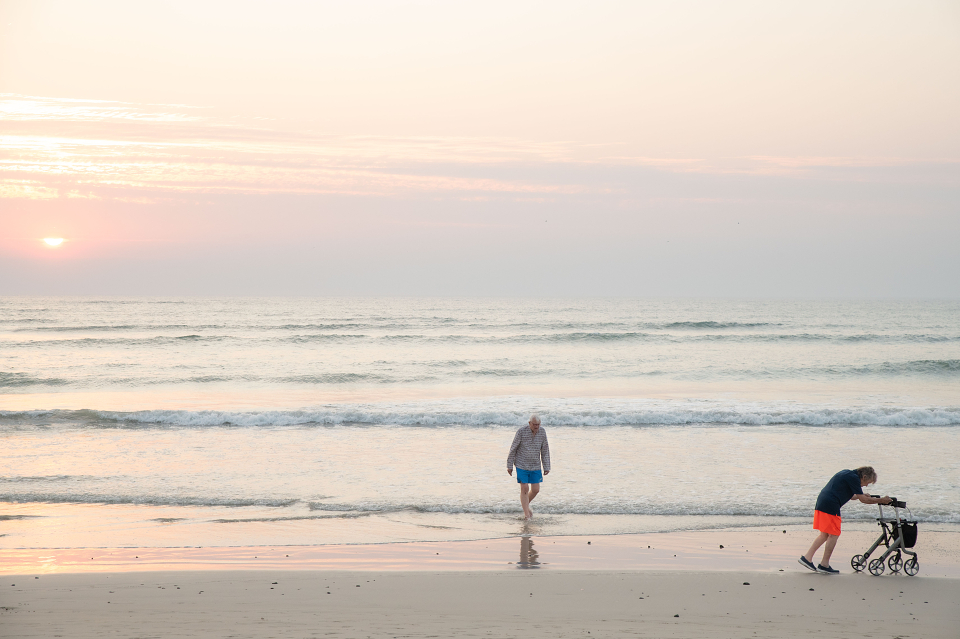
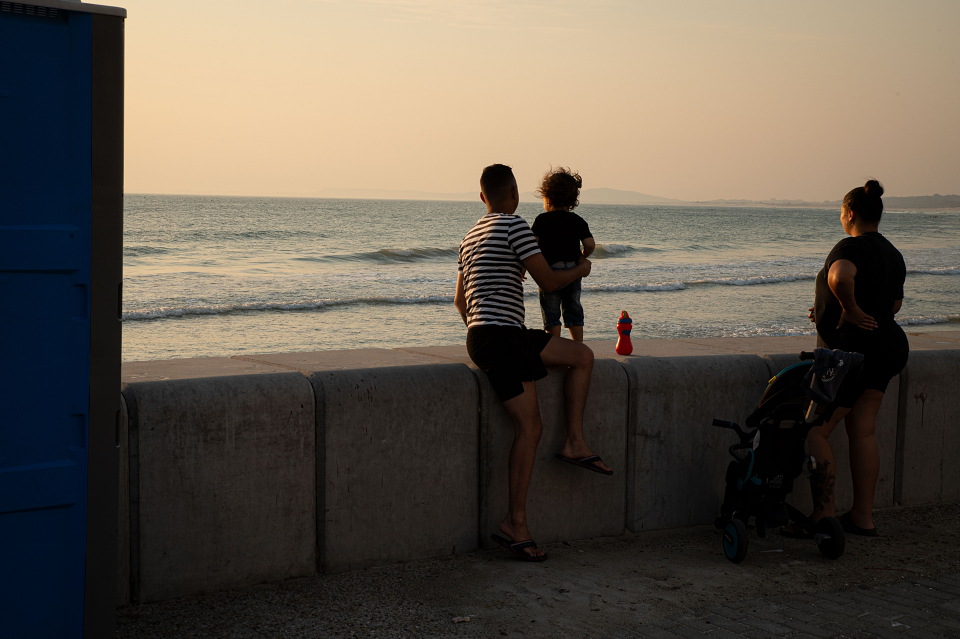
And the imagery; children running, people swimming, kites flying, football and touch rugby, couples young and old, walking hand in hand. Looking at all of these beach walkers, I felt as though we were there to share something, to let go of something.
In Afrikaans, people who come to the beach to walk are called Strandlopers. Though the term denotes activity, it has an indefinite cultural connotation. I began to wonder about the greater significance of the beach in South Africa, and what sort of meaning beach walking played.
Though it’s been 30 years since the end of apartheid, its legacy continues to play out in the distribution of wealth, and in the occupation of space. Land and who owns it remains a contentious and painful issue, and inequality still has a racial character.
This perception of ‘who a space belongs to’ is something I experience almost constantly. However, on my beach walks I began to realise that there was something truly ubiquitous about the space.
Perhaps because the beach is not something that can be capitalized on, and because a sunset belongs to anyone who chooses to view it, being a Strandloper is one of the few communities open to every South African.
I began to walk the beach with my camera and became a recognizable figure on the beach. At first I photographed people without their knowing, but my 24-70mm felt too far removed from each person’s activity.
Subsequently, I began to approach people and offer them photographs. It felt wrong to take images from a space that gave so much to people, and I felt that I needed to offer a kind of contribution. A camera is conspicuous, and I needed to make myself non-threatening.
In my interactions, I realized that most people were very receptive to my being in the space, and most people were glad to receive a photo of themselves in so beautiful a place.
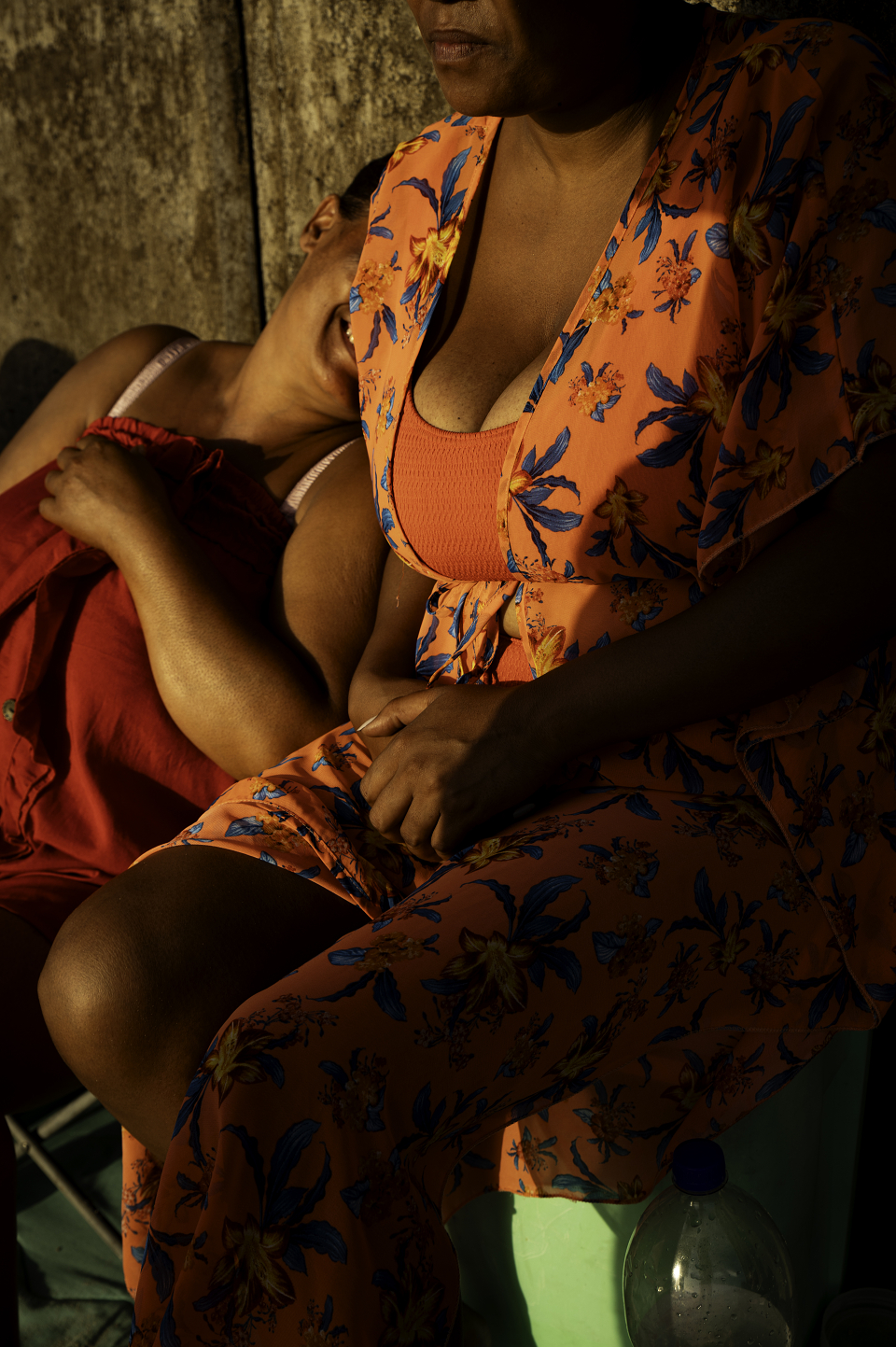
As I photographed, I tried to capture the quality of the light, as representative of people’s sentiment. I looked at the warmth of sun on skin, and legs in particular, in an attempt to emphasize the sensory quality of the beach.
In doing so, I began to notice how many of the activities people were engaged in were iconic, like memories.
MADEIT CREDITS
-

Joshua StockhallStills Photographer