

Here’s what I think. Multi-platform storytelling is slowly becoming more than a buzzword that people say, but don’t actually understand and that’s exciting. The proof is that the ideas that might seem crazy during the brainstorm are typically the ones that get remembered and talked about. If you’re only thinking about your ad in terms of a single cutdown, you’re leaving reach, engagement, and long-tail ROI on the table.
From Campaign to Storyverse
In advertising, we’ve always understood the value of a big idea. Things are changing and the best ideas today are more than ads, they’re worlds. Worlds your audience can explore. Worlds that give them a role to play.
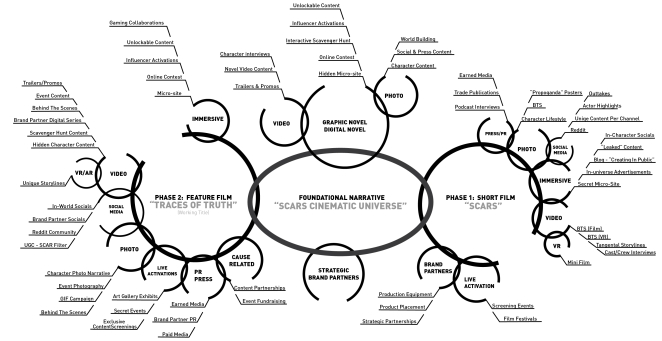
When Executive Producer Tim Frazier and I created the SCARS universe, we wanted to do more than say “HeY, WaTcH My ShoRt FiLm.” We love 360 Storytelling/transmedia so we built a broad web of over 100 supplementary content deliverables designed to take the viewer on a story driven journey across platforms and deeper down the rabbit hole of our story universe.
Fake ads based on fictional in-world products, Snapchat and Instagram filters to accompany festival screenings, and an easter egg blog site written as one of the main characters are just a few of the avenues we utilized. We even built out a massive “universe handbook” that creative collaborators can use to answer questions as we develop the next stages of the IP.
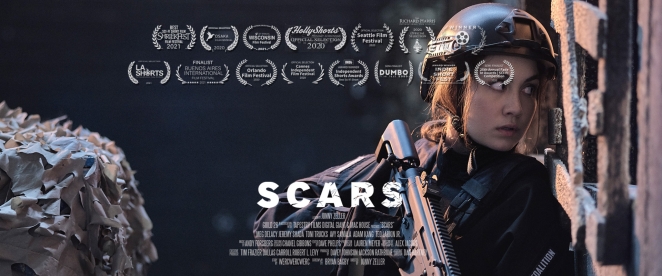
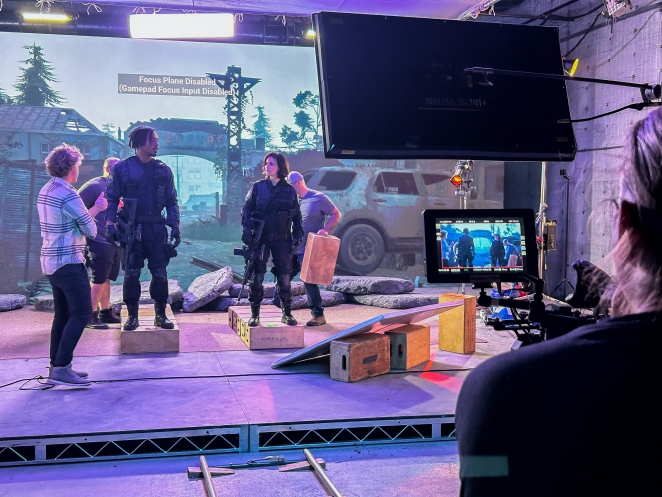
The point isn't to talk about my film universe here, the point is that we produced all this content over 4 days of shooting on a shoestring budget. And this was only possible because we designed it with all of the platforms and story segments in mind from the start. This kind of storytelling can be really expensive when it’s an afterthought, but we're proof that it doesn't have to be if you build a strong plan from the beginning.
Now, swap “short film” for “brand campaign” in your own world and you can see the potential. When you design a campaign to migrate across platforms, you’re extending your media buy and you’re extending audience experience.
That’s the same principle behind some of the most talked-about brand campaigns in recent years:
- BMW Films’ “The Hire” Over a decade old and it’s still one of my all-time favorite campaigns. BMW and Fallon Minneapolis turned product placement into prestige storytelling.
- Nike’s “You Can’t Stop Us” A layered campaign where the hero film was just the start, followed by behind-the-scenes content, athlete stories, and interactive training challenges.
- Johnnie Walker’s “The Man Who Walked Around the World” A cinematic doc that evolved into a conversation about perseverance. It even spawned podcasts, panels, and global events.
Why Agencies Should Think Like Story Architects
Matthew Ball talks about IP ecosystems. It’s just as true for brands as it is for film studios. The brands that win today don’t just shout from one podium, they build environments where audiences want to hang out. And I agree with him that the leaders who will define the next decade of advertising are going to be building worlds. Worlds that give audiences multiple ways in, multiple reasons to stay, and multiple moments to participate.
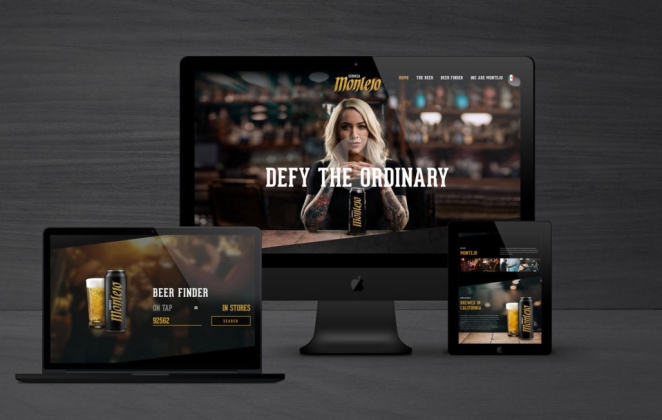
When brand campaign is approached like an ecosystem, it unlocks multiple entry points that meet people where they already are. A viral TikTok, a short documentary, an AR filter are each doorways into the same story. A unified emotional arc that can play out over months, not days, building deeper bonds with the brand.
Instead of hitting the reset button every quarter, you’re layering new chapters onto the same compelling world. Think about BMW Films’ The Hire, Lego’s Rebuild the World, or Nike’s You Can’t Stop Us. None of these were just “ads”, they were universes that extended across channels, invited participation, and rewarded curiosity.
Why Now Is the Moment
Media habits are fractured. People doom scroll so quickly, it's a surprise more people’s heads don’t explode and they’re deciding in the first three seconds if the story is worth their time.
If a campaign can’t adapt to that reality, it’s already running against the wind. But if the viewer has multiple ways in, multiple reasons to stay, and multiple moments to fall in love with the brand, then we’re building something far more powerful than an ad.
I believe that if the audience feels like they’re part of the brand’s world instead of a target for ads, we win twice. We get the reach and the resonance. More engagement. More loyalty. And, yes, more sales.
So What Next?
Make the story the thing. The platforms are just where it lives. And it should be different depending on what platform…
If you ever want to nerd out about multi-platform storytelling, I’m always happy to do so over a pint or two!