

Gonzalo Brujó, Global CEO of Interbrand and a leading voice in brand strategy, explores one of the most compelling—and complex—deals in the food-delivery world today. Today, he unpacks DoorDash’s recent landmark £2.9 billion acquisition of Deliveroo, a move that reverberated from Wall Street to the Square Mile and beyond.
Gonzalo examines how this clash of convenience versus curation will shape the future of the global food-delivery race—and what it means for brands navigating the delicate balance between scale, culture and customer loyalty.

If you were tapping away on the 6th May, ordering yourself a cheeky Pret breakfast to the office in the UK, or in the US, deciding a midnight snack was needed then you may have made these orders oblivious of DoorDash’s acquisition of Deliveroo. But in Wall Street and the Square Mile everyone knew a landmark transatlantic deal – worth £2.9 billion – had just been made.
But this acquisition is about so much more than just numbers. It’s a defining moment in the global food delivery race. It’s also a clash of two opposing food delivery cultures.
DoorDash is taking the next logical step in its growth, after dominating the US market it’s set its sights on the international market. Deliveroo, considered the premium delivery app and a prime example of the UK’s strong entrepreneurial mindset, was the “lucky” catch.
A tale of two apps
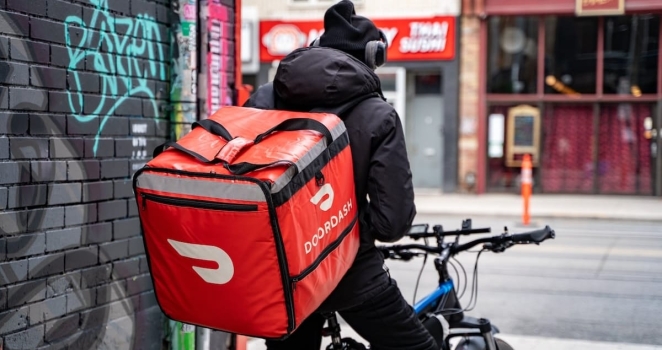
In the US, DoorDash isn’t just a company, it’s a verb. “Let’s DoorDash it” has become the go-to phrase for ordering dinner, brunch, or a party’s worth of snacks. It’s entered the lexicon of a nation, achieving that rare and coveted brand pinnacle.
Despite competition from Uber Eats and other services, DoorDash commands more than 65% of the US market. Its reach from small towns to big cities, its versatility (you can order flowers, groceries, and yes, sushi), and its army of gig workers keep it solidly on top. It’s a platform built on convenience.
Meanwhile, in the UK, Deliveroo, while being incredibly similar, is also, somehow, very different. Positioned as more “restaurant quality at home”, a “date night without the fuss”, Deliveroo’s appeal lies in its curated partnerships and branding. It doesn’t try to be everything to everyone – its brand positioning has been on better food, faster.
So what happens when this convenience culture comes up against a focus on quality and experience?
A M&A with global ambitions
This isn’t just about food. It’s about scale, data and global positioning. For DoorDash, the Deliveroo acquisition is a smart move in a long-term plan to dominate food delivery outside of the US.
From a mergers and acquisitions perspective, the deal ticks a lot of boxes. Deliveroo has existing infrastructure, local expertise and relationships that would take years, and billions of pounds, to replicate from scratch.
Deliveroo’s stronghold in the UK and parts of Europe fills in a clear geographic gap for DoorDash. Tech, logistics and marketing functions can be streamlined, offering cost efficiencies. DoorDash can learn from Deliveroo’s premium positioning; Deliveroo can tap into DoorDash’s marketplace breadth.
But M&As are never plug-and-play; especially not when you’re marrying two brands rooted in vastly different cultures and consumer expectations.
Quality time versus pure convenience
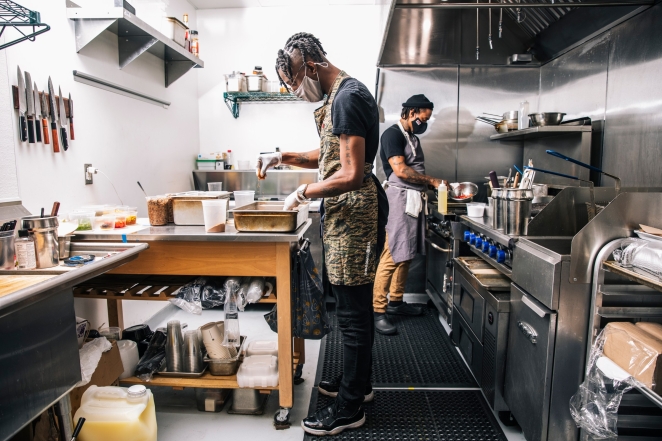
In the US, food delivery is all about convenience. You might pay $18 for a $9 burrito, purely for convenience of not having to leave your own home. Ghost kitchens thrive and customers tip to protect their fries from sticky fingers – the latter becoming a running joke online.
In the UK, Deliveroo has carved out a more premium niche. The app offers established and respected food brands, aligning more with the idea of replicating a restaurant experience at home. It’s closer to quality than a quick snack.
But as DoorDash integrates Deliveroo under its broader operational umbrella, will Deliveroo’s brand lose its edge? Will its premium quality be diluted by allowing an influx of new, smaller, unchecked restaurants?
When you consider that around 2/3rd of all M&A deals fail - or at least fail to reach their full potential - in part due to a lack of consideration around brand synergies then these questions become even more pertinent. You need only look at the recent Ben & Jerry’s and Unilever confusion to see where conflicting visions and brands can negatively impact both involved.
Maintaining Deliveroo’s proposition while using DoorDash’s scale will be the balancing act. Fail, and Deliveroo becomes another beige delivery app in an oversaturated market. Succeed, and DoorDash becomes a truly global player, able to flex between mass convenience and curated cuisine.
The Bigger Picture
For brands seeking a buy-out, looking to capitalise on their investment, their leaders need to scrutinise every offer and not just from a monetary standpoint. These brands need to ensure that those loyal customers gained over many years aren’t thrown to the wind, and that the buyer aligns with their vision and culture.
Whereas the buyers need to evaluate this acquisition from a slightly different perspective. Do the brands remain distinct to use the cultural capital they have already built, and how do you balance the desire for growth with a prior conception of quality v quantity?
In this instance there are four key areas that both businesses must have discussed and been aware of during this process.
1. Local autonomy. DoorDash should resist the urge to completely rebrand Deliveroo or shoehorn it into an American mold. UK consumers didn’t ask for DoorDash; they trust Deliveroo and Brits do not welcome unwanted Americanisation.
2. Operations over aesthetic. Let the customer facing brands remain distinct – people love these brands, now is not the time to mess with them. Focus instead on streamlining the business operations and techstack, not the logo.
3. Know your customer. In the US, convenience is key. In the UK, brand and quality hold weight. Treating both markets identically is a recipe for customer exodus.
4. Keep an eye on ethics. “DoorDash debt” is a growing phenomenon. Expanding the buy now, pay later model into new markets without safeguards could result in backlash. Regulators are already watching.
The Deliveroo acquisition is a global case study for the gig economy. It brings together digital convenience and cultural branding, merging logistics and lifestyle. If DoorDash plays it right, this could be the move that makes it the Amazon of food delivery services. If not, it could be the beginning of a very expensive identity crisis.