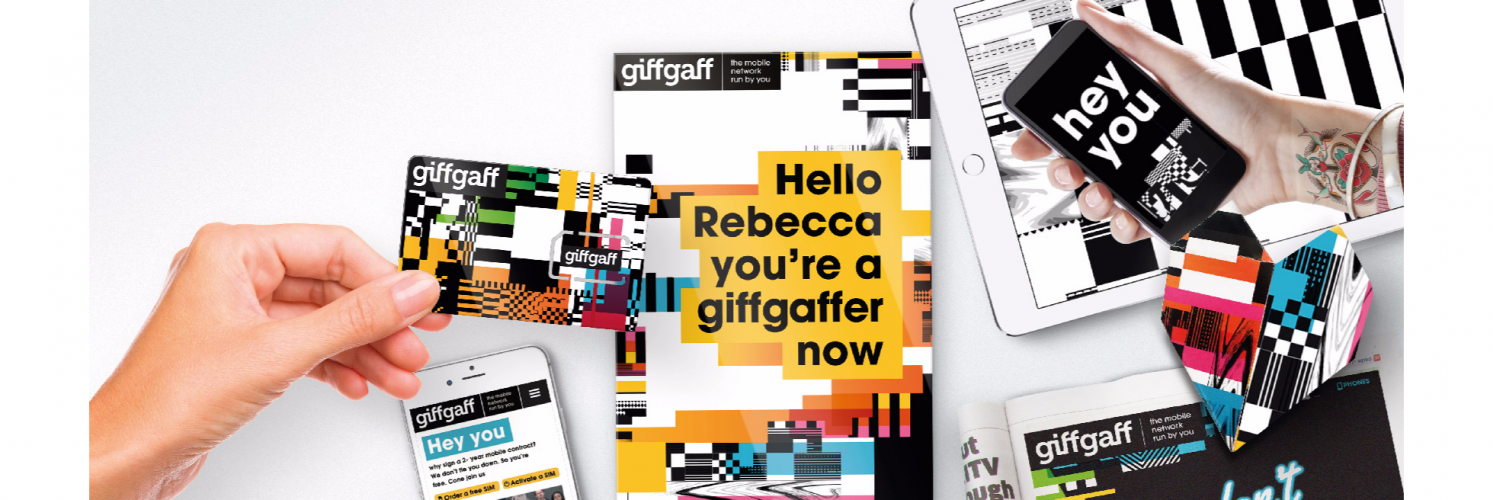



A direct-to-consumer approach is rewriting the rules of retailing for many consumer goods companies as brands seize opportunities from advanced technology and the rising digitally connected consumer. If it hasn’t already, here’s what to consider if your brand decides to make the move towards a direct to consumer business model.
As brands become increasingly homogenous in store, the opportunity to gain competitive edge is greater than ever. The battle for shelf space leaves little room for brands to communicate their story, visual identity or behaviour. Even Apple was on the verge of bankruptcy in the mid 90’s before launching an online store in 1997. This initiative saw over $12million worth of orders received in the first month.
Now, almost a decade later, we are living in a world where smartphones and wearable tech enable, inform and guide us constantly, and can be involved in every activity and routine. It is time for brands to look at their business through new lenses; no longer just a manufacturer, no longer a wholesaler; brands now have complete control of the supply chain to communicate directly with their consumers in new and exciting ways.
So, what needs to be considered when creating new direct to consumer retail models?
Most importantly, your brand must be strong, with a brand identity and meaning that is relevant to its audience. Engage with consumers by increasing channels of communication with the right tone of voice. Consider community spaces to drive direct social connections. Increase methods of product delivery services. Elevate ranges so that they include specialist and bespoke formats. Consider all the ways you can increase access to your products.
There are many benefits of adopting a direct to consumer brand model. Here are our top three:
1. Control and strengthen your brand image. Direct to consumer gives you control over you products and their home.
2. You can drive exciting and differentiated product development as well as delivery. And can test new markets and new products quicker and more effectively.
3. You can create more moments of delight and better brand advocacy through creating great customer experiences.
The future is direct, convenient and delightful.