

With great importance placed on community focused, ethical business, there is an interesting shift taking place in the world of the corporate brand which sees it becoming much more of a marketing asset than ever before.
Historically, the corporate business of a product or service has never been considered much of a blessing from a marketing or branding perspective. Often it has purposefully been overshadowed by product brands, or consciously hidden away. But more recently we have begun to see businesses champion their corporate brand in a shift that is likely to grow now that people want to see the face behind the product.
The world’s best businesses are realising that they need to add real value, both to consumers and also the wider global community, that with their power comes great responsibility. They are in the position to drive positive societal change and they need to take up this challenge. If this is done well, and their values are well communicated, they can gain a universal cultural understanding from their audiences. The corporate brand needs to stand for something meaningful in addition to its portfolio of brands that it endorses. The corporate brand is becoming more important than ever because it represents the organisation that people are buying into and can reflect the bigger truth of the company. When Jonathan Mildenhall joined Airbnb from Coca Cola as CMO, his primary mission was to communicate CEO Brian Chesky’s genuine belief that Airbnb can create a world where everybody gets a greater sense of belonging. While products and services can become very similar to competing equivalents, organisations are different. And as consumers today have more choice than ever before, it will be the organization they buy into just as much as the product.
So what does this mean for brand design?
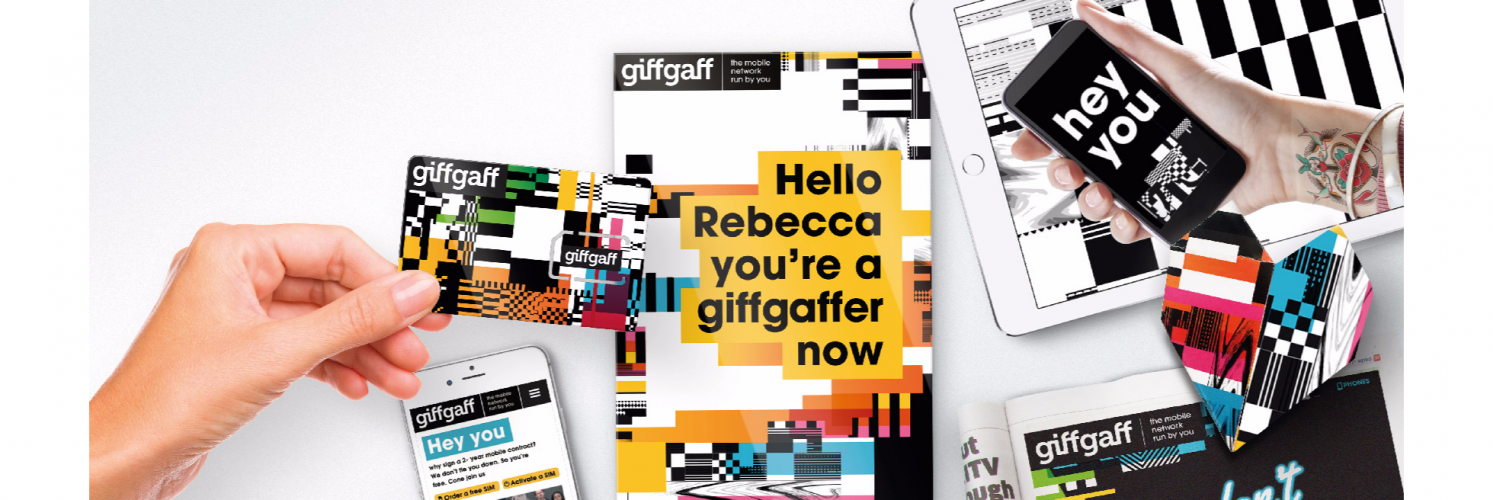
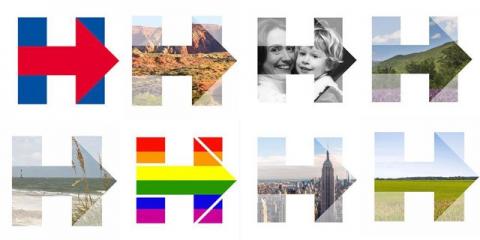
Interestingly, we are seeing more and more corporate brands adopting logo systems – logo frameworks that are made up of a consistent and familiar mark but that have the ability to change constantly highlighting a number of different ideas and issues. Logo frameworks have been facilitated by technological change and mean that corporate logos no longer have to be made up of a set colours or even a single symbol. Google’s changing search engine is a quintessential example of this, as is Michael Beirut’s new logo for Hilary Clinton. These designs allow corporate brands to expand their conversations beyond their own name, showing the wider values they stand for.
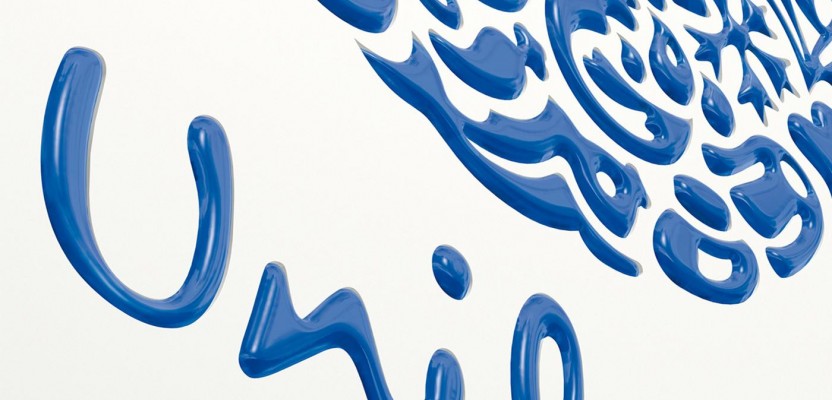
Unilever is a good example of a business that has actively been promoting and building its corporate brand, and this is also reflected in its new corporate logo designed by Wolf Olins. We are now seeing the Unilever logo featured prominently at the end of ads as well as product packaging. In the word’s of Keith Weed, it now reflects the “trust mark of sustainable living”. Unilever have a history of doing good and are now strongly focusing on this truth as part of their corporate communications. Port Sunlight – a model village in North-Western England was built by Unilever in the late 19th century and was born out of a desire to provide decent living conditions for factory workers. Wolf Olin’s work has helped Unilever shift from being a silent brand owner to becoming a much more visible business that communicates a singular idea of “adding vitality to life”. And as a result, the product range has been cut down from 1,600 brands to just 400 – those that can really live up to the “adding vitality to life” claim. The fresh visual identity now complements this public profile and incorporates 25 different icons into the U-shaped logo.
In our connected world, where technology has given individuals more of a voice than ever before, businesses are less able to hide entirely behind their brand portfolios. Forward thinking businesses are embracing this and taking pride in the responsibility that comes with their power. They understand that by communicating the values that make them unique in a more human and less corporate way, they will gain many more advocates than through their brand portfolio alone.