
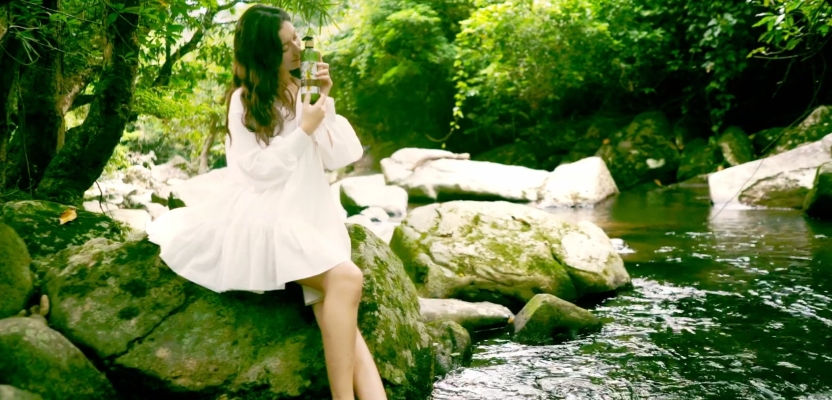

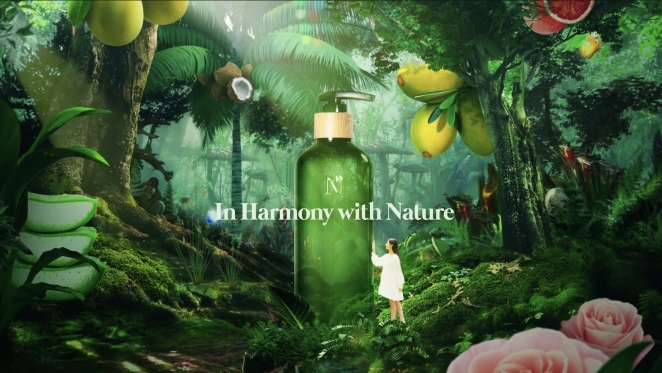
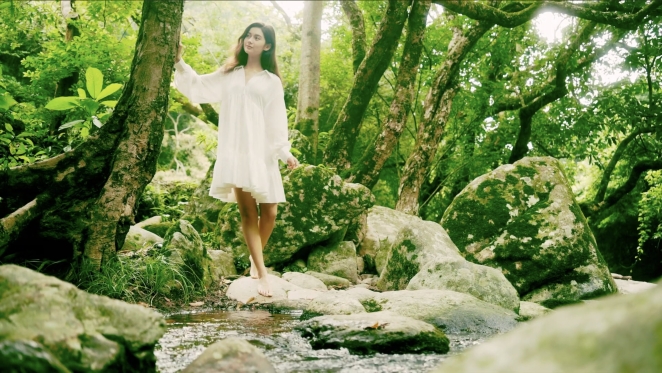
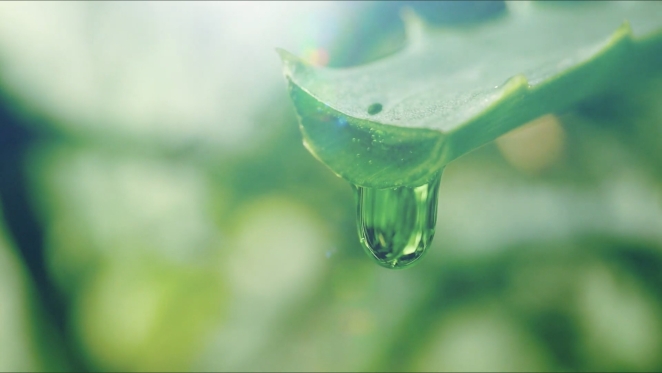
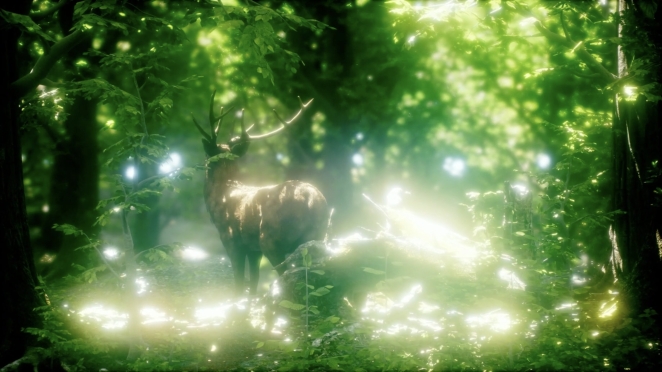
In a city defined by density and speed, finding moments of calm can feel increasingly rare. For Naturals by Watsons, the challenge was to create a brand film that didn’t simply promote natural ingredients, but invited audiences to experience them — emotionally, sensorially and at scale. The result is an immersive visual journey that transforms pockets of Hong Kong into a mystical forest, where nature feels generous, restorative and alive.
Led by Creative Director and Video Producer Leo Cheung, the project reimagines how beauty brands can tell stories beyond product features. By blending live-action cinematography with subtle visual effects, the film positions Naturals by Watsons as a gentle bridge between urban life and the quiet power of nature — reminding viewers that restoration may be closer than they think.
How did you first get into the industry?
 I began my career in music production after studying audio engineering, working as a composer and sound designer for commercials and short films. Over time, my involvement in visual storytelling naturally grew, and I transitioned into video production, animation and creative direction, combining sound, image and narrative.
Where are you based now and who do you work for?
I was based in Hong Kong for most of my career, working across branded, editorial and animation projects in a fast-paced production environment. I relocated to London in 2024 and now work as a freelance creative director and video producer, collaborating with clients and teams both locally and internationally.
What is your personal background and what role did it play in your career?
Coming from a music and sound background shaped how I think about rhythm, emotion and pacing. Even when working visually, I often start by considering how a piece should feel before focusing on how it should look.
If you weren’t in your current industry, what would you be doing?
 I’d most likely be working in music. Before moving fully into video production, I studied audio engineering and spent years producing music and performing in bands. Even now, music remains central to how I think about rhythm, emotion and storytelling. If I weren’t working in film and animation, I’d probably still be creating and performing music — just through a different medium.
Can you explain your creative process? What makes it unique?
My creative process usually begins with story and emotion — understanding what the piece should make the audience feel before deciding how it should look. Music plays a central role in that process. Even in visual projects, I often think about rhythm first: how the edit should move, where moments should breathe, and how visuals can flow in response to sound.
From there, I build a visual language that supports the narrative rather than overwhelms it. Whether working with live action, animation or emerging tools, I focus on clarity, pacing and restraint, ensuring that every element serves the story. The goal is always coherence — where image, sound and movement come together naturally to create an experience that feels intuitive and emotionally grounded.
How would you describe your style?
Story-driven, emotionally grounded, and visually thoughtful. I’m drawn to work that balances clarity with atmosphere rather than relying on spectacle alone.
Which individuals do you gain inspiration from? Do you have any heroes in the industry?
 I’m most inspired by people I’ve worked closely with rather than distant industry figures. One of the most influential people in my career was my first boss, Lois Choy, who ran the event production company where I began my professional journey.
Working under her gave me a broad understanding of production as a whole — from audio and visuals to problem-solving under pressure. More importantly, she instilled a strong work ethic and a belief that there is always a creative solution, even when resources are limited or situations feel overwhelming. Her ability to remain calm, decisive and generous under pressure continues to shape how I approach projects and collaboration today. Her approach to creativity and leadership left a lasting impact on me, and those values continue to inform how I work today.
What tips would you give to aspiring creatives looking for work?
Many people enter the creative industry with a lot of passion and ambition, but the reality often involves rejection or working on projects that may not feel immediately exciting. My advice is to look for the small opportunities within every project where your creativity can still shine — even in the most straightforward or commercial work.
Finding those moments to care about the craft keeps you motivated, and clients can often sense when genuine attention and enthusiasm are present. Over time, consistency and reliability help build trust. Once that trust is established, you’re often given more space and freedom to contribute creatively, and more meaningful projects naturally follow.
What tips would you give to other professionals to get more clients?
Be consistent, be dependable, and let your work speak for itself. Long-term relationships are built on trust, not just standout projects.
Can you share a memorable experience from your career journey that shaped your approach to creativity?
 One particularly memorable experience was working on a project for an NGO that connects children and young people with elderly communities through shared programmes. The initiative helped young participants learn empathy and communication, while allowing the elderly to feel valued and re-energised through meaningful interaction.
The organisation had a very limited budget, but it became clear to me that while the project might be one of many in my professional life, it meant everything to them. With that in mind, I created a short animation capturing a genuine story of friendship that developed between a child and an elderly participant through the programme. The piece was deeply personal and well received.
That experience reshaped how I approach my work. It reminded me to look beyond budgets or scale, and to focus on the value, intention and human impact behind each project. Creativity, for me, is not just about resources — it’s about responsibility and meaning.
What kind of tools/kit/software could you not do without?
After Effects, Premiere Pro, Illustrator, Photoshop, Character Animator (pretty much the whole creative suite), Cubase
What’s your secret to staying inspired and motivated?
Staying curious. I try to approach my work with the mindset of a student rather than an expert. In an industry where tools, formats and trends evolve quickly, holding onto what feels familiar can be limiting. Treating each project as an opportunity to learn something new — whether creatively or technically — keeps the work fresh and challenging. Having the trust of clients while still being able to experiment and grow is something I find incredibly motivating.
What’s the work achievement you’re most proud of?
 I’m most proud of work that creates a genuine emotional connection. Whether through video or music, being able to tell a story that resonates with people — even in a quiet or understated way — is deeply rewarding. When an audience feels something real, or a client feels their message has been understood and expressed authentically, that matters more to me than formal recognition.
As someone with experience in the industry, what trends do you foresee shaping the future of creativity?
I see a growing emphasis on authenticity and intentional storytelling. While tools and technologies will continue to evolve rapidly, what audiences respond to most is work that feels genuine and human. The ability to think creatively, make nuanced decisions and bring emotional understanding into a project remains something technology can support, but not replace.
As workflows become more efficient, judgement, taste and empathy will matter even more. Creatives who can use new tools thoughtfully — while maintaining a clear human perspective — will be best positioned to create work that resonates in meaningful ways.
What do you think sets apart truly exceptional creatives from the rest of the pack?
Truly exceptional creatives continue to challenge themselves rather than relying on familiar formulas. Instead of chasing the idea of having the most groundbreaking concept, they focus on being sincere, thoughtful and unafraid to be personal.
When work comes from a real and authentic place, it’s more likely to resonate with people. That honesty often feels more powerful than something that appears overly manufactured or moulded by trends. Exceptional creativity, to me, is less about spectacle and more about clarity, intention and human connection.
How do you think technology has influenced the creative industries and how have you adapted to these changes?
 Technology has significantly expanded what’s possible in the creative industries. With the rise of AI and new tools, work that once required large teams and long timelines can now be achieved more efficiently. This has opened up new creative possibilities and lowered technical barriers.
I see technology as a way to raise the bar rather than replace creative thinking. With a wider palette of tools available, the challenge becomes how we use them thoughtfully — especially when those tools are accessible to almost everyone. What ultimately sets work apart is still human judgement, unique perspective and genuine storytelling.
For me, adapting to new technology means embracing it as a medium, while staying focused on the core goal: communicating clearly, emotionally and authentically in order to build real connection with an audience.
What is the one thing that you would change about the industry?
I’d love to see more patience in how we consume creative work. In a digital world flooded with content, it’s easy to scroll past things quickly and miss quieter or more thoughtful pieces.
Giving work a second chance — taking a moment to understand the intention behind it — can reveal hidden depth and meaning. That small shift in attention can make a big difference, especially for creatives whose voices may otherwise feel unheard. Greater patience and appreciation would create a healthier, more supportive creative culture overall.
Any websites, books or resources you would recommend?
I often visit Stash Media to discover new work, track emerging trends and stay inspired by innovative motion and visual storytelling from around the world.