

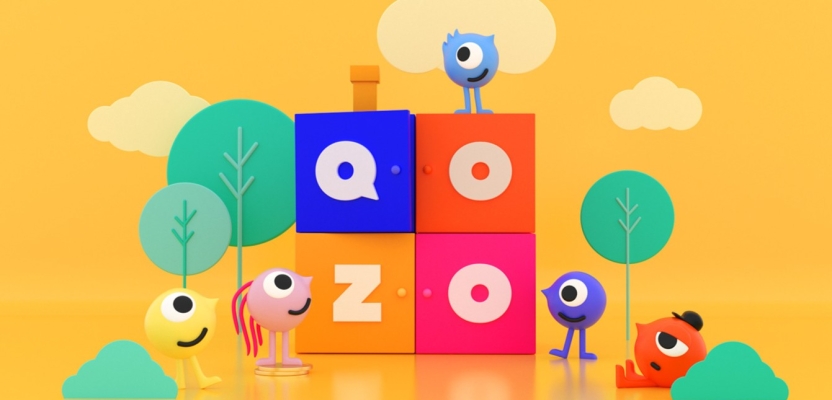

In the world of digital content creation, a Motion Graphics Designer plays a crucial role in making multimedia more engaging, dynamic, and visually appealing. As digital media continues to dominate marketing, entertainment, and communication, the demand for professionals skilled in Motion Graphics Design has significantly increased. This article will break down what a Motion Graphics Designer does, the skills required, career prospects, and factors that influence a Motion Graphics Designer Salary.
Understanding the Role of Motion Graphics Designer
Motion Graphics Design involves the creation of animated graphic elements to communicate ideas, tell stories, or make static designs more compelling. This can include anything from animated logos and title sequences to intricate visual effects for films or commercials. The process often combines traditional graphic design skills with animation, storytelling, and an understanding of how visual content affects audience engagement.
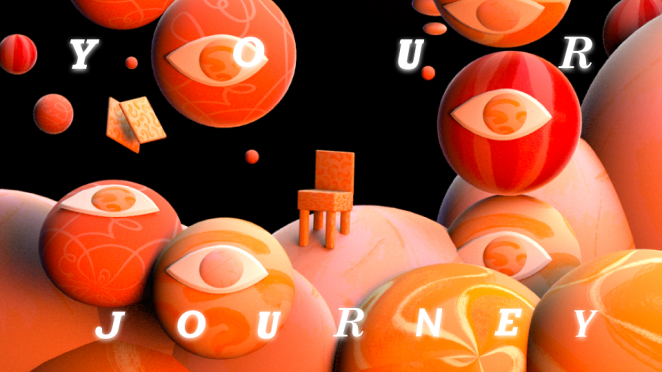
Image Credit - Carol Wang
Key Responsibilities of a Motion Graphics Designer
Storyboarding
A crucial part of the design process, storyboarding helps visualize the entire animation sequence before production begins. Designers create sketches or digital drafts of each scene to outline the flow of the project. This visual guide ensures that everyone involved — from clients to directors — understands the timing, transitions, and overall structure. Storyboarding helps anticipate any issues before they arise, saving time and resources during the animation process.
Animating Graphics
Once the storyboard is approved, the designer moves on to the actual animation. This involves using software like Adobe After Effects, Cinema 4D, or Blender to animate graphic elements, logos, and typography. Designers focus on timing, pacing, and smooth transitions to ensure the animation flows seamlessly. They also adjust color, lighting, and movement to create visually stunning and engaging results that captivate the audience.
Creating Visual Effects (VFX)
Many Motion Graphics Designers add visual effects (VFX) to enhance the overall quality of their animations. This could include realistic lighting, particle effects, or simulating motion like smoke, rain, or explosions. VFX helps create a more immersive and polished final product. Designers use advanced tools to ensure these effects integrate seamlessly with the original design, elevating the overall aesthetic and storytelling impact.
Editing and Refining
After the initial animation is complete, designers go through a review process to edit and refine their work. They gather feedback from clients or stakeholders and make necessary adjustments to timing, transitions, or effects. Fine-tuning the animation ensures it aligns with the client’s expectations and vision. This step can involve multiple rounds of revisions until the final product is polished and ready for delivery.
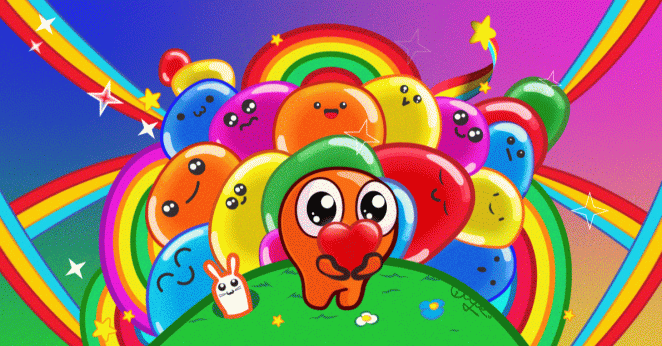
Image Credit - Gonzalo Duque
Daily Tasks of a Motion Graphics Designer
A Motion Graphics Designer's daily routine is filled with creative and technical tasks that drive the development of visually compelling animated content. While some of these tasks align with the general responsibilities mentioned earlier, there are several unique daily activities that make this role dynamic and ever-evolving.
Developing Custom Animation Rigs for Unique Projects
Unlike general animators, Motion Graphics Designers often need to create custom rigs for their animated elements. For instance, they may develop a rig that allows for complex character movements or intricate mechanical designs. This task involves setting up keyframes, controls, and motion paths that allow for more flexibility when animating objects or characters. These rigs are particularly useful when animating things like product demos or explainer videos that require repeated movements across multiple frames.
Creating Procedural Animations Using Expressions
Many Motion Graphics Designers leverage procedural animation techniques to automate complex movements. Using expressions in software like Adobe After Effects allows designers to set up automatic behaviors for elements in their compositions. For example, they might write custom code that tells an object to bounce, rotate, or change color based on predefined rules.
Integrating Data-Driven Animations
In some projects, Motion Graphics Designers work with real-time data to create data-driven animations. This involves connecting animations to data sets, such as numbers or statistics, that automatically update visual elements as the data changes. For example, in financial or news graphics, charts, graphs, or other data visualizations are animated dynamically based on live inputs.
Optimizing Animation for Multiple Platforms and Formats
One of the more technical aspects of a Motion Graphics Designer’s day is optimizing animations for various platforms, whether it's social media, TV, or web-based applications. This requires adjusting frame rates, resolution, file formats, and compression settings to ensure smooth playback across different devices and platforms.
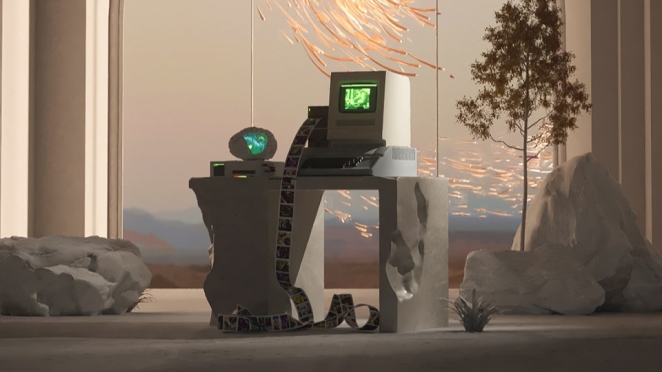
Image Credit - Yanis Georges
Education and Training for a Motion Graphics Designer
While many designers may follow traditional paths, unique educational experiences can set them apart in this competitive field. Here are some key aspects of education and training that are particularly relevant to aspiring Motion Graphics Designers:
Formal Education and Degree Programs
While some Motion Graphics Designers may be self-taught or come from related fields, obtaining a formal education can provide a strong foundation. Many universities and colleges offer Bachelor’s and Master’s degree programs specifically in Animation, Motion Graphics, or Multimedia Design. These programs often cover a comprehensive range of topics, including animation principles, graphic design, visual storytelling, and digital media production.
Specialized Motion Graphics Programs
In addition to general design degrees, specialized programs focused solely on motion graphics can provide tailored knowledge and skills. These programs may delve deeper into advanced animation techniques, including 2D and 3D animation, VFX, and interactive design. They often emphasize project-based learning, allowing students to develop a professional portfolio specifically in motion graphics. This focus on specialized training can help graduates stand out in a crowded job market.
Software Proficiency Courses
Proficiency in industry-standard software is essential for Motion Graphics Designers, and many educational institutions offer courses dedicated to programs like Adobe After Effects, Cinema 4D, and Blender. These courses often go beyond basic tutorials, diving into advanced techniques such as scripting, compositing, and dynamic simulations. Additionally, many online platforms offer specialized workshops or certification courses that focus on these tools, allowing designers to refine their skills and stay up-to-date with software updates and features.
Workshops and Bootcamps
For those looking to quickly gain practical skills, intensive workshops and bootcamps focusing on motion graphics can be incredibly beneficial. These programs typically range from a few days to several weeks and emphasize hands-on experience with real-world projects. Participants often leave with specific skills, such as character animation or creating VFX, and a portfolio piece to demonstrate their capabilities. Such immersive training can be a great supplement to formal education or a standalone option for career changers.
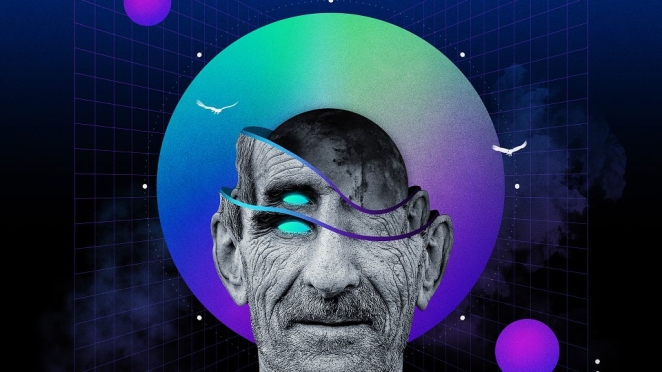
Image Credit - Ginna Mora
Skills Required for a Motion Graphics Designer
To excel as a Motion Graphics Designer, individuals must possess a unique blend of creative, technical, and interpersonal skills. Here are the key skills required for a successful Motion Graphics Designer:
Proficiency in Animation Software
A Motion Graphics Designer must be highly skilled in industry-standard software such as Adobe After Effects, Adobe Premiere Pro, Cinema 4D, and Blender. Mastery of these tools enables designers to create, edit, and manipulate animations effectively. Familiarity with plugins, such as Red Giant or Trapcode, can also enhance their creative capabilities, allowing them to produce more dynamic and visually appealing work.
Strong Understanding of Graphic Design Principles
A solid grasp of graphic design fundamentals, including typography, color theory, composition, and layout, is essential. Designers must be able to create visually cohesive elements that align with brand identity and project goals. This knowledge helps them make informed design choices that enhance the overall quality of their animations.
Knowledge of Animation Techniques
Motion Graphics Designers should be well-versed in various animation techniques, including keyframing, easing, and character animation. Understanding principles such as timing, anticipation, and motion dynamics allows them to create smooth and engaging animations. Additionally, familiarity with 2D and 3D animation processes is crucial for producing versatile work.
Storytelling Ability
A successful Motion Graphics Designer should possess strong storytelling skills, allowing them to convey messages effectively through visuals. This involves understanding narrative structure, pacing, and how to evoke emotions through animation. Designers must be able to transform complex concepts into engaging visual stories that resonate with their target audience.
Getting In
For Young People
Young aspiring Motion Graphics Designers should start by exploring educational opportunities in art and design during high school. Pursuing a relevant degree in animation or graphic design after graduation is beneficial, particularly in programs that focus on motion graphics. Building a strong portfolio showcasing their work is crucial for internships and entry-level jobs. Additionally, engaging in online learning and creative communities can enhance their skills and provide networking opportunities. Finally, seeking internships or entry-level positions will offer practical experience, allowing them to learn from professionals in the industry.
For Adults
Adults looking to transition into motion graphics should assess their transferable skills from previous careers, particularly in design or marketing. Enrolling in specialized courses or bootcamps focusing on motion graphics can help them gain necessary technical skills. Creating a portfolio that highlights their capabilities is essential for attracting potential employers. Networking within the industry through events and online platforms can open doors to job opportunities. Additionally, considering freelance work or part-time positions allows adults to gain experience while building their professional networks in the motion graphics field.
Image Credit - Joseph Lattimer
Salary Overview
One of the most common questions aspiring designers and hiring companies ask is, "What is the average Motion Graphics Designer Salary?"
The salary for a Motion Graphics Designer can vary widely based on experience, location, industry, and the complexity of the projects they work on. Here's a breakdown of some common factors influencing salary:
-
Experience: Entry-level designers with minimal experience can expect to earn around £19,000 per year. With several years of experience, designers can command salaries with a base pay range of £26,000–£40,000 per year. Senior-level professionals, particularly those with a specialized skill set or working in high-demand sectors like film or advertising, can earn upwards of £50,045 to £54,837 per year.
-
Industry: Designers working in the entertainment industry, film, or gaming generally earn more than those in corporate roles or smaller design studios. Agencies often provide competitive salaries to experienced motion designers due to the high demand for their skills.
-
Freelance Opportunities: Many Motion Graphics Designers choose freelance work, which offers flexibility and the potential to earn more than full-time positions. Freelancers often set their rates per project or hour, and experienced designers can earn £30 per hour, or £250 per day on average depending on the project’s complexity.
Using Creativepool
Looking to hire a Motion Graphics Designer? Creativepool has thousands of talented members waiting to make your project shine.
There are 3 ways for you to find a Motion Graphics Designer on Creativepool.
Search and Contact
Are you looking for more control over your collaborations and the selection process? Taking a proactive approach to talent scouting involves directly searching for talent and handpicking individuals you’d like to work with.
Here’s how it works: Simply search for a Motion Graphics Designer and explore the results. You’ll have the opportunity to review their projects, CVs, and resumes, allowing you to make an informed decision for your next hire.
At Creativepool, we utilize a set of indicators to rank our members based on their job titles. By exploring the top 25 ranked Motion Graphics Designers, you can efficiently discover the most talented individuals on our platform. However, don’t overlook the potential of finding untapped talent among our thousands of other skilled members.
Once you identify a professional whose style and experience align with your requirements, reach out to them directly by clicking on the message tab. If you have a specific vision for the type of creative professional you’d like to collaborate with, utilizing our search feature is the ideal approach.
Once you’ve discovered a professional whose style and experience resonate with your needs, reach out to them directly by clicking on the message tab. If you have a precise vision of the type of creative professional you’d like to collaborate with, searching is the ideal approach.
Post a studiogig
Looking for a part-time Motion Graphics Designer? The quickest way to find available talent is to advertise your brief. With us, briefs for individuals are called studiogigs.
Posting your role is a simple process. Once you submit it, we kick into action behind the scenes to find the perfect talent for your requirements. After advertising your brief, all you need to do is sit back and wait for direct applications from interested candidates
Post a job
If you are looking for a permanent Motion Graphics Designer, then advertising a Motion Graphics Designer job is the best way to attract talent. The process is identical to posting a studiogig.
Once you post your role, we’ll carefully review the advertisement details. We’ll then send job alerts to our community members who closely match your criteria, and your role will be prominently featured on our jobs board. Interested StudioGigs applicants will apply directly to you.
Whether you’re posting a job or a StudioGig, or if you’re searching for talent, rest assured that you retain full control over whom you choose to hire. There’s no obligation to select any of the applicants, and you can negotiate rates directly with them.
If you need any help on your talent hunt. You can chat with us or send us a message. We'd be happy to help.
Wrapping Up
In an increasingly digital world, Motion Graphics Designers have become an integral part of visual communication. Their ability to combine graphic design with animation and storytelling makes them highly valuable in industries like marketing, entertainment, and tech.
Whether you're an aspiring designer or a business looking to hire Motion Graphics Designers, understanding their role, responsibilities, and value is essential. From creating engaging content to enhancing brand identity, motion graphics offer endless possibilities in modern multimedia design. Plus, with competitive salaries and high demand, pursuing a career in Motion Graphics Design is both creatively fulfilling and financially rewarding.