

Step into the serene, nature-infused world of Elena Pavlova, a wallpaper and surface pattern designer whose delicate watercolour blooms and ethereal landscapes have captivated clients from Tokyo to Cape Town. Selected for Creativepool’s exclusive Member Spotlight, Pavlova’s journey—from classical art training in her youth to crafting sets for theatre and collaborating with global textile brands—reflects a life steeped in curiosity and cross-cultural inspiration.
Based in Spain but rooted in a borderless creative ethos, her work marries meticulous detail with soothing pastel palettes, transforming interiors into whispered narratives of grass, petals, and sky. In this interview, Pavlova shares how courage, familial passion, and an unyielding respect for craftsmanship drive her to redefine the dialogue between tradition and innovation—one brushstroke at a time.
How did you first get into the industry?
Drawing has been my passion since childhood. Creating my own magical worlds became both a way to express myself and a source of motivation. This passion drove me forward, even on cold winter mornings when I had to wake up early in the dark to attend art school, despite the temptation to stay warm and cozy in bed.
Thanks to this perseverance, I received a classical art education and continued experimenting with different forms of artistic expression—set design for theatre, packaging design, wood carving... Eventually, I discovered my true path in illustration, particularly in wallpaper and surface pattern design.
Where are you based now and who do you work for?
I live in Spain and work as a freelance designer, collaborating with wallpaper and textile companies from all over the world. I’m grateful that today the world has no boundaries, allowing me to embrace diverse experiences, traditions, and cultural nuances. When your work spans from South Africa to Japan, you inevitably enhance your professional skills, understanding of different markets, tastes, and even stereotypes.
What is your personal background and what role did it play in your career?
I’ve travelled extensively around the world, and the constant flow of countries, people, languages, and cultures has become the foundation for understanding that anything is possible. You will always be in demand if you are a professional, if you know how to listen, observe, and learn from inevitable setbacks.
If you weren’t in your current industry, what would you be doing?
I would have become a set designer in theatre. I'm fascinated by the mysterious world behind the scenes, the preparation for performances, and the creation of sets.
So many people come together to bring a story to life, turning it into real magic for the audience. Each performance is unique, and you only get one chance to make it perfect.
Can you explain your creative process? What makes it unique?
First and foremost, thorough preparation is essential. I don’t begin working until I’ve thought through the design project down to the smallest details. Yes, it takes extra time, but this approach is directly reflected in the outcome. I love paying attention to details and never settling for anything less than perfection.
How would you describe your style?
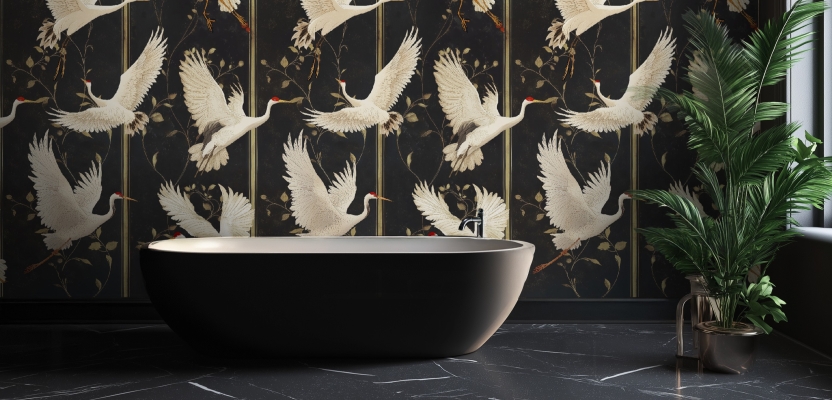
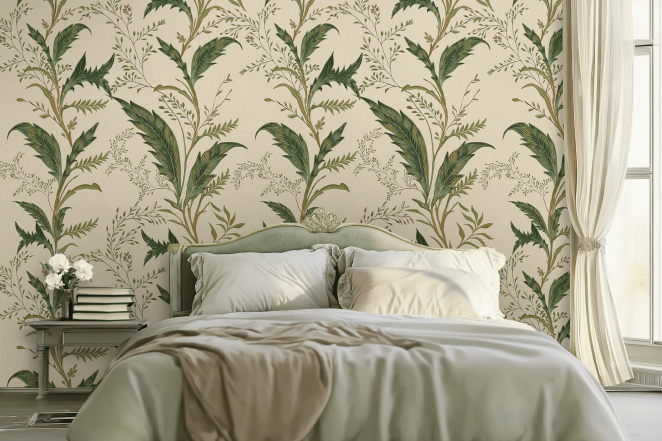
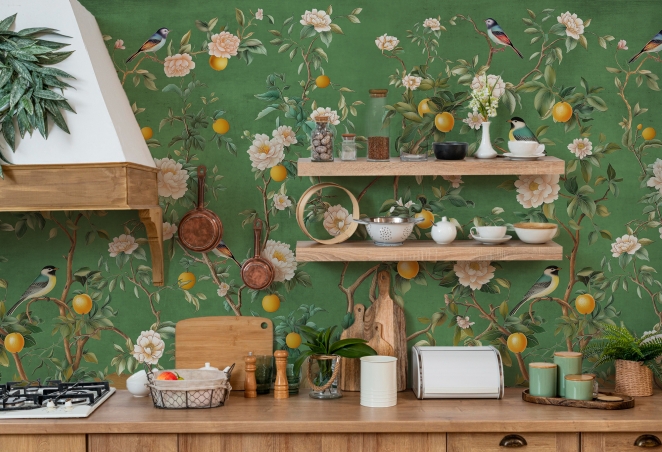
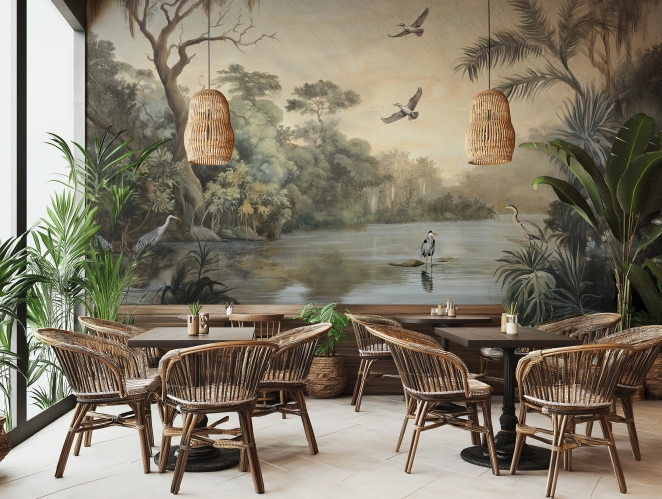
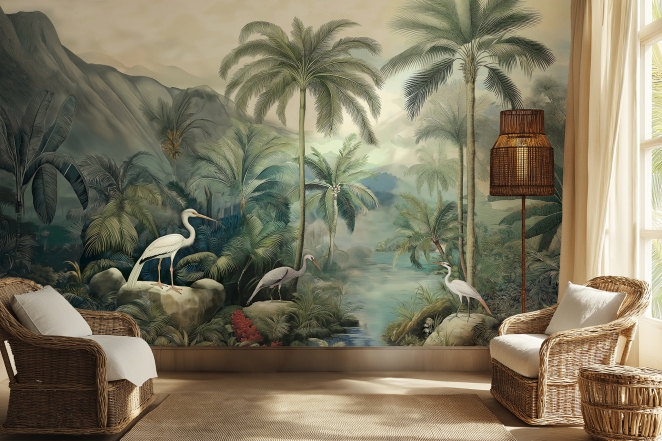
My style is based on botanical and floral motifs, which I convey through watercolor textures and subtle pastel shades. My works often feature delicate details of grass, petals, and natural landscapes. The smooth lines and soft color transitions create a sense of tranquility and balance, as if fragments of nature are blending into the surrounding space.
Which individuals do you gain inspiration from? Do you have any heroes in the industry?
I’m inspired by masters who know how to combine tradition and innovation in their work. De Gournay is a perfect example of this approach. Their exquisite hand-painted murals, where Chinese motifs blend with 19th-century panoramas and Art Deco elements, amaze with their craftsmanship and attention to detail.
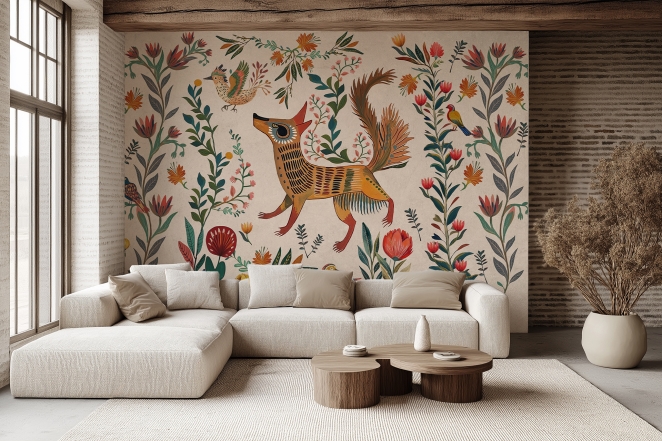
This company inspires me to create works that not only decorate a space but also tell a story and infuse the interior with a unique character.
What tips would you give to aspiring creatives looking for work?
Learn from every client you work with. Universities, courses, and workshops provide an excellent theoretical foundation, but only practice can turn you into a true professional. The ability to absorb new information, engage in conversation, and understand the client's needs — these are just as important as hard skills.
What tips would you give to other professionals to get more clients?
Many talented professionals with incredible skills and abilities remain invisible to clients. The main reason for this is that designers often neglect networking, building professional connections, and promoting their visibility within the industry.
The key advice I give, first and foremost to myself, is: "Don’t be afraid to reach out to potential clients first." Often, this is mutually beneficial, as the client may have been looking for someone just like you!
Can you share a memorable experience from your career journey that shaped your approach to creativity?
While working in theatre, I was involved in preparing costumes for characters in classic plays. It was then that I realized that to create high-quality designs, you need to understand a character’s story on a deeper level.
I began looking at old photographs, illustrations, and studying costumes created in the past. This experience taught me to fully immerse myself in the task, pay attention to the smallest details, and approach the origins with respect.
What kind of tools/kit/software could you not do without?
Without a doubt, I can't do without Adobe Creative Suite, just as I can’t do without a graphic tablet. The same goes for neural networks — they simplify routine tasks and planning. Professional platforms are also indispensable. After all, exchanging inspiration with other creatives is essential for broadening one’s horizons, staying relevant, and maintaining a high level of work.
What’s your secret to staying inspired and motivated?
My family is my inspiration and greatest motivation. My wife and two children are the driving force behind my desire to become better and brighter. When I need to recharge, I go hiking, as we live in the mountains, surrounded by nature. It brings me peace and recharges my energy for new steps and achievements.
What’s the work achievement you’re most proud of?
My greatest achievement is yet to come, and I am confident that right now I have the experience and energy needed to bring the boldest projects to life.
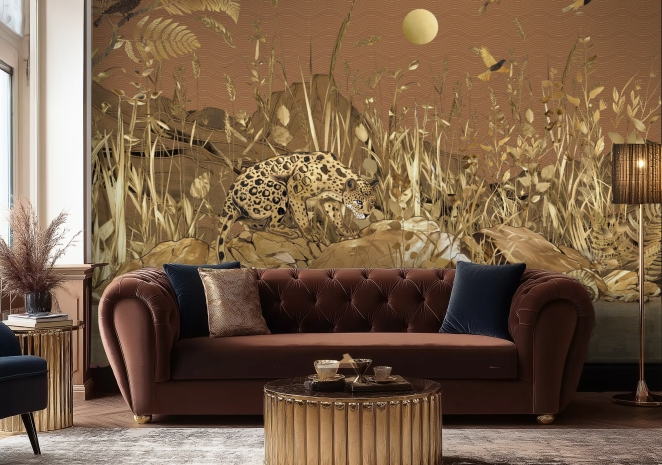
I am open to proposals from wallpaper and textile manufacturers, and I am sure that together we can create stunning collections!
As someone with experience in the industry, what trends do you foresee shaping the future of creativity?
With the rise of artificial intelligence technologies, there are more opportunities for the development of digital art, which is in demand at all levels of business. At the same time, client expectations for the final product, exclusivity, and uniqueness are also increasing. As a result, handmade work and craft production will remain valuable and desirable.
What do you think sets apart truly exceptional creatives from the rest of the pack?
Courage is the quality that sets the best apart. To create an exceptional project that stands out and gets people talking, you need to take risks, find like-minded individuals, embrace innovation, and not be afraid of being misunderstood. Being bold and offering new solutions is the key to discovering your unique identity and style.
How do you think technology has influenced the creative industries and how have you adapted to these changes?
Artificial intelligence has become an integral part of our lives, and I welcome these changes. There’s no point in resisting progress; instead, we should embrace it, staying attuned to innovation while preserving our heritage.
In today’s world, there is space for everyone — both for creators of handmade art and for those who craft images using AI. These forms of knowledge can be combined and applied in our work. It’s not a competition between traditions and eras but an expansion of tools for growth.
What is the one thing that you would change about the industry?
I specialize in wallpaper and surface pattern design, so I can highlight what I believe is missing in the field. I would enhance the collaboration process between designers and manufacturers, making it more transparent and flexible.
For instance, creating platforms where designers and factories can easily connect, exchange ideas, and co-develop collections would be a great step forward.
Any websites, books or resources you would recommend?
Keep an eye on industry leaders, take inspiration from the best in your niche, and genuinely appreciate the creativity of others. For inspiration, I always recommend exploring books on art history — they often hold the answers to almost any question.

















Richard February 5th, 2025, at noon
Excellent work :)