

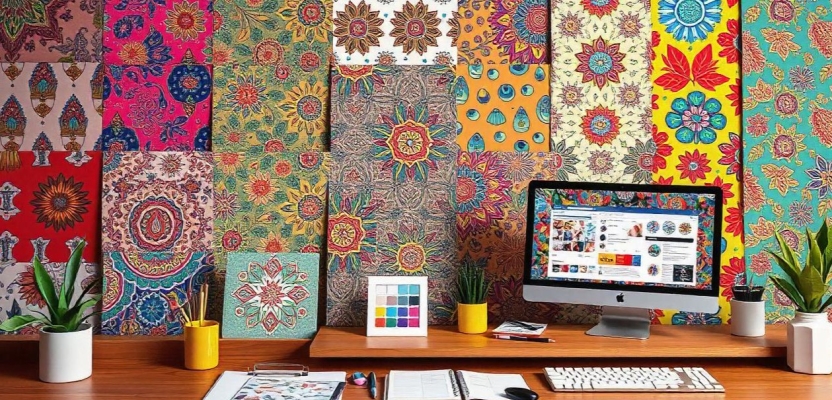

The design industry is constantly evolving, and 2025 is set to be a year where Surface Pattern Designers play an even more critical role in various industries, from fashion and home decor to packaging and branding.
With the demand for unique, eye-catching patterns and designs on the rise, businesses are looking to hire Surface Pattern Designers to create custom, engaging visuals that set their products apart from the competition. Let's Dive in and we'll walk you through everything you need to know to hire a Surface Pattern Designer.
Understanding the Role of A Surface Pattern Designer
Before diving into how to hire Surface Pattern Designers, it's essential to understand what a Surface Pattern Designer does. A Surface Pattern Designer is a creative professional who specializes in designing patterns, textures, and motifs that are applied to surfaces. These designs can be used on a variety of mediums such as fabric, wallpaper, ceramics, and packaging. Their work is seen in fashion, interior design, stationery, and even product branding. Some key tasks of a Surface Pattern Designer include:
- Pattern creation: Developing original designs using hand-drawing, digital tools, or a combination of both.
- Technical rendering: Preparing designs for production by ensuring patterns are scalable and repeatable across different surfaces.
- Trend research: Staying updated with current design trends to create fresh and innovative work.
- Client collaboration: Working closely with brands or product developers to ensure the patterns align with their vision.
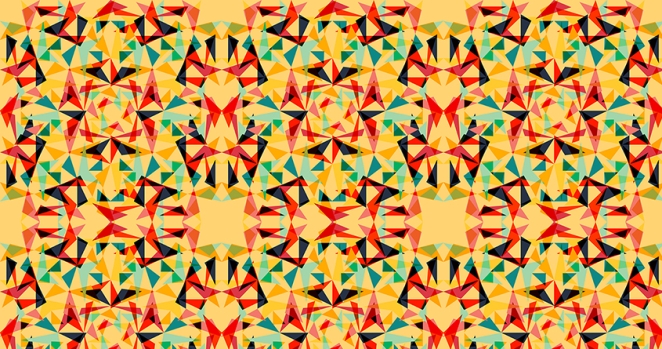
Image Credit - Rita Afonso
Key Responsibilities of a Surface Pattern Designer
Integrating AI and Generative Design Tools
In 2025, one of the unique responsibilities of a Surface Pattern Designer is the integration of AI and generative design tools to enhance their creative process. Designers now use AI to automate repetitive design tasks, generate initial pattern concepts, and explore complex variations more efficiently.
Creating Immersive 3D Pattern Visualizations
As 3D visualization technology becomes more accessible, Surface Pattern Designers are now responsible for creating immersive, three-dimensional simulations of their patterns on products. Whether designing textiles, wallpaper, or packaging, designers must show how their patterns will look in a real-world context. This involves using 3D rendering tools to generate realistic mock-ups, enabling clients to experience how patterns will appear on physical objects before production begins.
Designing for Augmented Reality (AR) and Virtual Spaces
With the rise of augmented reality (AR) and virtual spaces in 2025, a Surface Pattern Designer often works on designs that will be viewed in digital environments. This means creating patterns that can interact with virtual elements, such as AR apps or virtual showrooms, where users can visualize products in their own spaces. Designers need to think about how patterns will translate both in physical and virtual worlds, ensuring consistency and adaptability across mediums.
Exploring Bio-Inspired and Smart Materials
Another unique responsibility is working with bio-inspired and smart materials that react to environmental stimuli like light, temperature, or humidity. In 2025, Surface Pattern Designers may be tasked with developing patterns that change dynamically based on these factors. For instance, they might design textiles that change color in response to sunlight or packaging patterns that adjust to humidity levels.
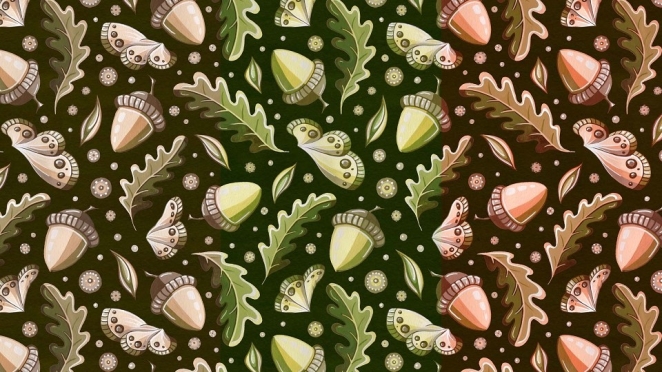
Image Credit - Clare Warner
What to Look for While Hiring a Surface Pattern Designer?
When looking to hire a Surface Pattern Designer in 2025, it’s essential to focus on qualities that go beyond the basic ability to create visually appealing patterns. The design landscape has evolved, and so have the expectations for a designer’s expertise. Here are unique factors to consider:
Understanding of Cultural and Regional Sensitivities
In an increasingly global market, Surface Pattern Designers in 2025 must design patterns that resonate across diverse cultures and regions. Look for a designer who has experience creating patterns that are culturally sensitive and regionally adaptable. This is especially important if your brand has a global reach or targets specific local markets.
Ability to Integrate Smart Textiles and Interactive Designs
In 2025, smart textiles and interactive designs are becoming more prevalent. A unique skill to look for is a designer’s ability to create patterns that work with these innovative materials. For example, patterns that respond to touch, change color with temperature shifts, or glow in the dark require both creative and technical expertise. Designers who have worked with smart materials can elevate your products by combining aesthetic beauty with cutting-edge technology.
Fluency in Ethical Branding and Storytelling Through Patterns
Today's consumers are drawn to brands that stand for something, and patterns are now being used to tell ethical stories. A forward-thinking Surface Pattern Designer should know how to embed a brand’s ethical stance—such as sustainability, social justice, or cultural heritage—into their designs. When evaluating candidates, look for designers who can translate your brand’s mission into visual storytelling through patterns, making your products not only attractive but also meaningful.
Competency in Data-Driven Design
In 2025, data-driven design is becoming a game-changer in many creative fields, including surface pattern design. The right designer should be able to use customer insights, trend analytics, and even AI-generated data to inform their design choices. A designer who understands how to interpret this data can create patterns that are not only visually compelling but also aligned with current market demands, boosting consumer engagement and sales.
Image Credit - Zuriñe Aguirre
When Should You Hire a Surface Pattern Designer?
Knowing when to hire a Surface Pattern Designer is key to ensuring your product or brand stands out visually in a crowded market. In 2025, the demand for surface pattern design is on the rise as more industries recognize the value of custom designs that reflect their brand identity, appeal to target audiences, and drive consumer engagement. Here are several scenarios when hiring a Surface Pattern Designer is not only recommended but necessary:
Launching a New Product Line
If your business is introducing a new product line—whether it's textiles, home goods, packaging, or any surface-based item—you should consider hiring a Surface Pattern Designer early in the development process. These designers create visually compelling patterns that can make your products more attractive and memorable.
Rebranding or Refreshing Your Visual Identity
Rebranding or updating your company's visual identity often involves more than just a new logo or color scheme. If you're revamping your brand image, bringing in a Surface Pattern Designer can help tie everything together with cohesive patterns that reflect your new direction. Whether for product packaging, promotional materials, or interior spaces (such as custom wallpapers or textiles), these designers ensure that every visual aspect aligns with your refreshed identity.
Expanding Into New Markets
When expanding into new markets, especially international ones, hiring a Surface Pattern Designer can help you create culturally relevant designs. Consumers in different regions have unique tastes, preferences, and cultural sensitivities, and a good designer can help tailor patterns that resonate with local audiences. If you want to create products that appeal globally or regionally, hiring a designer with expertise in cultural nuances is essential for success.
Introducing Limited Edition or Seasonal Collections
If your brand regularly releases limited edition or seasonal collections, such as holiday-themed products or collaborations, a Surface Pattern Designer is vital. These designers can create patterns specifically tailored to a theme, season, or collaboration, adding uniqueness and exclusivity to your product line.
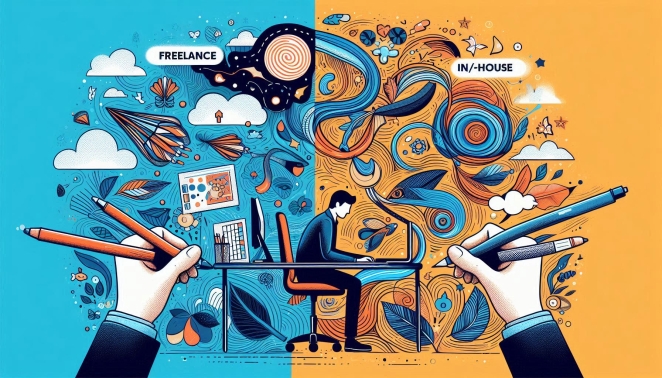
Should I hire a freelancer or an in-house surface pattern designer?
When deciding whether to hire a freelance or an in-house Surface Pattern Designer, it’s essential to consider the specific needs of your business, project scope, and long-term design goals. Both options come with distinct advantages and challenges. Here's a breakdown to help you make the best decision in 2025:
Hiring a Freelance Surface Pattern Designer
Freelancers offer flexibility and can be a more cost-effective solution, especially for short-term or one-off projects. If your company requires patterns for a limited product line or seasonal collections, hiring a freelancer may be the best choice. Freelancers often bring a diverse range of experience since they work with various clients and industries, which can lead to fresh and innovative ideas.
Freelancers also provide the freedom to scale up or down depending on your design needs. If you need multiple designers for different projects or only require a designer on a project-by-project basis, hiring freelance talent allows you to adapt without long-term commitments. Additionally, you’ll have access to a broader pool of global talent since freelancers are not tied to a specific location.
However, the flexibility of freelancers comes with potential downsides. Managing remote communication, ensuring timely delivery, and maintaining consistency across multiple projects can be challenging. Freelancers may also be juggling several clients, which could lead to delays or a lack of availability when you need them most. If your project requires constant back-and-forth collaboration or last-minute adjustments, this might complicate things.
Hiring an In-House Surface Pattern Designer
If your company regularly needs new designs or plans to establish a consistent visual identity across multiple products, hiring an in-house Surface Pattern Designer may be a better option. An in-house designer can deeply immerse themselves in your brand's ethos, gaining a thorough understanding of your goals and style, which leads to more cohesive and aligned designs over time.
In-house designers can work closely with other departments, such as marketing, production, and product development, ensuring better collaboration and communication. They also have more control over the entire design process, from initial sketches to final production, which results in faster decision-making and execution. For businesses that value real-time input and constant iteration, having an in-house designer is ideal.
On the downside, hiring in-house involves a long-term commitment, including salary, benefits, and other employee-related costs. Additionally, the creative output is limited to the skillset of the designer you hire. While in-house designers gain a deeper understanding of your brand, they may not bring the same breadth of experience as freelancers who regularly work on different projects. Finally, if your design needs fluctuate, keeping a full-time designer on staff during low-demand periods might not be the most efficient use of resources.
Which is the Right Option for Your Business?
In 2025, the decision between hiring freelance or in-house Surface Pattern Designers depends largely on the size of your business and the scope of your design needs. If you’re a startup or a business with sporadic design needs, a freelance Surface Pattern Designer can offer flexibility, cost-efficiency, and access to a broad range of creative styles. On the other hand, if your brand requires a continuous flow of designs and you prioritize long-term consistency, having an in-house designer offers better integration and smoother workflow.
Many businesses even opt for a hybrid approach—hiring an in-house designer for core projects while collaborating with freelancers on more experimental or niche patterns. Whatever route you choose, make sure it aligns with your business’s design vision, budget, and workflow preferences to achieve the best results.

Image Credit - Josephine Walz
Using Creativepool
Looking to hire a Surface Pattern Designer? Creativepool has thousands of talented members waiting to make your project shine.
There are 3 ways for you to find a Surface Pattern Designer on Creativepool.
Search and Contact
Are you looking for more control over your collaborations and the selection process? Taking a proactive approach to talent scouting involves directly searching for talent and handpicking individuals you’d like to work with.
Here’s how it works: Simply search for a Surface Pattern Designer and explore the results. You’ll have the opportunity to review their projects, CVs, and resumes, allowing you to make an informed decision for your next hire.
At Creativepool, we utilize a set of indicators to rank our members based on their job titles. By exploring the top 25 ranked Surface Pattern Designers, you can efficiently discover the most talented individuals on our platform. However, don’t overlook the potential of finding untapped talent among our thousands of other skilled members.
Once you identify a professional whose style and experience align with your requirements, reach out to them directly by clicking on the message tab. If you have a specific vision for the type of creative professional you’d like to collaborate with, utilizing our search feature is the ideal approach.
Once you’ve discovered a professional whose style and experience resonate with your needs, reach out to them directly by clicking on the message tab. If you have a precise vision of the type of creative professional you’d like to collaborate with, searching is the ideal approach.
Post a studiogig
Looking for a part-time Surface Pattern Designer? The quickest way to find available talent is to advertise your brief. With us, briefs for individuals are called studiogigs.
Posting your role is a simple process. Once you submit it, we kick into action behind the scenes to find the perfect talent for your requirements. After advertising your brief, all you need to do is sit back and wait for direct applications from interested candidates
Post a job
If you are looking for a permanent Surface Pattern Designer, then advertising Surface Pattern Designer jobs is the best way to attract talent. The process is identical to posting a studiogig.
Once you post your role, we’ll carefully review the advertisement details. We’ll then send job alerts to our community members who closely match your criteria, and your role will be prominently featured on our jobs board. Interested StudioGigs applicants will apply directly to you.
Whether you’re posting a job or a StudioGig, or if you’re searching for talent, rest assured that you retain full control over whom you choose to hire. There’s no obligation to select any of the applicants, and you can negotiate rates directly with them.
If you need any help on your talent hunt. You can chat with us or send us a message. We'd be happy to help.
Wrapping Up
Hiring a Surface Pattern Designer in 2025 is a strategic move for businesses looking to elevate their brand through visually compelling designs. Whether you're launching a new product line, refreshing your packaging, or creating custom textiles, working with a skilled Surface Pattern Designer can make a significant impact.
By understanding what a Surface Pattern Designer does, knowing where to find the right talent, and setting a clear budget, you can ensure a smooth hiring process and a successful collaboration. As the world of Surface Pattern Design jobs continues to expand, now is the perfect time to find a designer who can bring your vision to life!