

In a world awash with trend-chasing design, M — N Associates stands apart by creating brands that matter, rooted in logic, culture, and purpose. Born from a university dream and built in the creative heart of Ho Chi Minh City, this independent studio is redefining what it means to brand with authenticity in Southeast Asia.
In this Company Spotlight, we speak to Co-founder and Executive Creative Director Nguyen Bao Anh Duy about how M — N’s work bridges strategic thinking and cultural storytelling, the challenges of elevating Vietnam’s design voice globally, and why their mantra “logic meets culture” is turning local insight into world-class identity systems.
How was your company born and where are you based?
M — N Associates was co-founded by me and Lan Mai in 2014, based in Ho Chi Minh City, Vietnam. The idea of creating our own studio sparked during our university days. We shared a clear ambition, to reshape the landscape of Vietnamese branding and prove that cultural authenticity could be expressed through design at a world-class standard. We didn’t want to wait for permission; we created our own platform. From day one, M — N was more than just a studio; it was a small but sincere effort to explore how Vietnamese identity could be expressed through logic, meaning, and craft.
What was the biggest challenge to the growth of your company?
Raising the perception of Vietnamese design in a market that often prioritises speed and surface-level aesthetics. We had to push back against the assumption that local design couldn’t be both strategic and culturally sophisticated. That meant educating clients, developing our own methodologies, and letting our work speak volumes.
Which was the first huge success that you can remember?
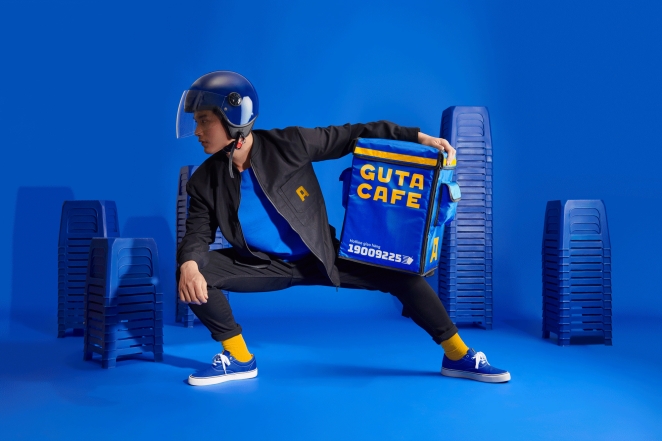
Guta Cafe’s rebranding stands out as our first significant milestone. We transformed the brand by drawing inspiration from Vietnam’s ubiquitous plastic chair, a symbol of the country’s vibrant street coffee culture. This design resonated deeply with the local community, capturing the essence of everyday Vietnamese life.
The rebrand not only revitalised Guta Cafe’s image but also contributed to its rapid expansion, growing from a few outlets to nearly 60 across Southern Vietnam. The project achieved international recognition, earning accolades from prestigious platforms like The One Show and Communication Arts, and was featured in Identity Designed. This success affirmed our belief in the power of culturally rooted design and set the tone for our future endeavours.
What’s the biggest opportunity for you and your company in the next year?
We’re now stepping into a new phase, one where M — N Associates is increasingly being seen not just as a branding studio, but as a strategic and creative partner for larger organisations.
From cultural institutions and education initiatives to industrial and corporate sectors, we’re helping these clients think beyond conventional identity systems to more holistic brand behaviours. The opportunity lies in deepening this role, becoming the bridge between vision and execution, and shaping narratives that are not only well-designed but also well-lived.
Can you explain your team’s creative process? What makes it unique?
We call it “logic meets culture.” Every project begins with a strategic foundation: uncovering the brand’s purpose, its competitive context, and its cultural voice. From there, we build brand systems that are not only visual but also verbal and behavioural. A key part of our process is maintaining a visual strategy, ensuring that every aesthetic choice aligns with the brand’s core meaning and scales consistently across all touchpoints.
We’re always searching for the principal elements, be it a form, a motif, a tone, or a behaviour that can be abstracted and reused to create coherence. That could mean a unique shape that appears in everything from typography to spatial design, or a voice that carries across campaigns and environments. It’s never just about how something looks, but how it acts and how it resonates over time.
How does your team remain inspired and motivated?
We look for the new. Whether it's a new way to solve a problem, a new aesthetic language, or a new cultural context, we're always challenging ourselves to learn and explore. Every project is treated as a chance to rethink what's possible, not just for the brand, but for ourselves as creatives.
That constant pursuit of discovery is what keeps our team energised and forward-moving. We take on challenges that scare us a little. Inspiration comes from everywhere: cinema, typography, street culture, and architecture. We also invest in teaching and mentoring, which keeps the cycle of learning alive within the studio.
How has COVID-19 affected your company?
As a creative service business, COVID hit us hard. It disrupted our physical workflows and, more importantly, distanced us from the real-world stimuli that often trigger creativity.
The absence of in-person collaboration and cultural immersion created a void that screens couldn’t replace. Many of our clients were also going through incredibly tough times, which naturally slowed down or paused several projects. It was a difficult period that forced us to reflect, adapt, and find new ways to stay creatively connected despite the disconnection.
While it disrupted physical workflows, it pushed us to build stronger remote systems, collaborate across places, and refine our internal culture. We became more intentional, more focused.
Which agencies do you gain inspiration from? Do you have any heroes in the industry?
We’re inspired by agencies that create branding at scale where strategy meets creativity, and every element ladders up to a cohesive system. COLLINS for their ability to build transformative brand worlds, Made Thought for their elegance and restraint, Wolff Olins for their provocative thinking, JKR for their bold use of form and storytelling, and Landor for their depth and consistency. For me, these are studios that don’t just design visuals, they shape perception and brand behaviour across every touchpoint.
What is one tip that you would give to other agencies looking to grow?
Clarity is more powerful than complexity. Know your philosophy, build around it, and let that guide your process, team, and client choices. Growth without direction is noise.
How do you go about finding new clients/business? (Pitching, work with retainers, etc.)
We rarely pitch. Most clients come through word of mouth or through projects they’ve admired. We prioritise alignment, shared values, mutual respect, and trust in process. That’s more sustainable than constant pitching.
What’s your one big hope for the future of the industry?
That Southeast Asian creativity will no longer be footnoted or undervalued. Our region has deep stories, diverse aesthetics, and a point of view that can influence global design narratives.
Can you share a defining moment in your company's journey that shaped its identity or direction?
Guta Cafe marked a turning point for us, where we fully embraced cultural storytelling as a core method in branding. It taught us how deep local insight, when paired with the right design system, can resonate powerfully.
That experience laid the foundation for projects like Petchoy and HiRaw!, where we applied strategic design thinking not only to create distinctive identities but to drive measurable business growth. These moments reaffirmed our belief that design, when done right, doesn’t just look good, it moves culture and moves the market.
How do you foster a culture of innovation and experimentation within your team?
We keep things open and honest. Everyone is encouraged to share ideas, give feedback, and ask questions. For every project, we try to find new ways to approach the problem, whether that’s testing a different method, trying a new style, or pushing the idea further. When the right project comes, we take it as a chance to experiment. Innovation happens naturally when the team feels safe to explore and excited to create something new.
What measures do you take to ensure diversity and inclusion are prioritised within your company?
We look for diversity in thought, background, and perspective. We believe a good idea can come from anyone, junior or senior. Inclusion isn’t just policy—it’s how we listen, speak, and make space for each other.
Can you describe a project that challenged your team creatively and how you overcame any obstacles?
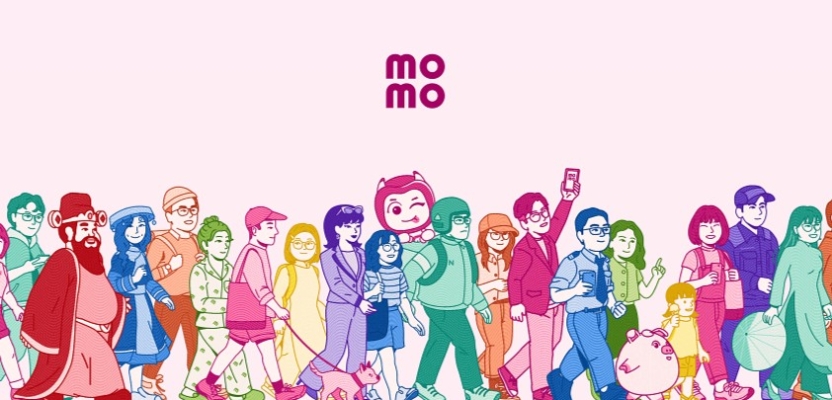
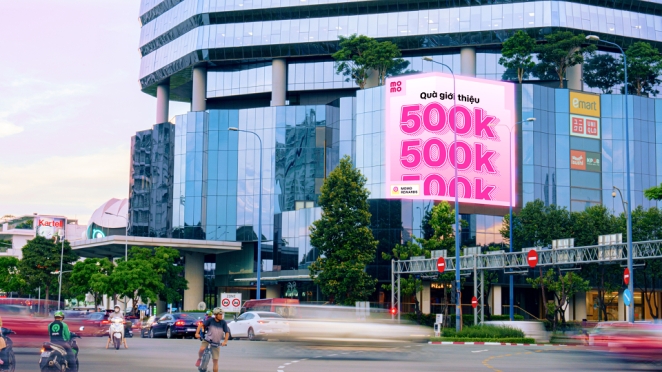
MoMo’s rebrand was one of the most challenging projects we’ve worked on. As Vietnam’s leading fintech app with millions of users, the expectations were high, and so were the stakes. The brand had strong emotional equity with users, but its visual system was outdated and inconsistent.
Our challenge was to modernise MoMo without losing its charm. We conducted deep research, multiple strategy sprints, and co-creation sessions with their internal team. By building a flexible yet unified system from logo to motion to graphic systems, we helped MoMo transition into a more scalable and future-ready brand, while still feeling familiar to its loyal users.
How do you balance maintaining your company's unique creative voice while meeting the diverse needs of clients?
We let each client’s needs and ambitions become the starting point of inspiration. Every project has its own story to tell, and we shape that story using our creative methods and strategic thinking. Our voice comes through in how we solve problems, not by forcing a style, but by building systems that are meaningful, clear, and true to the brand.
What strategies do you employ to adapt to changes and trends in the industry while staying true to your company's values?
We believe that meaningful work lasts. While trends may come and go, the core of our approach is always about creating something with purpose and depth. We observe what’s happening in the industry, but we don’t chase it. Most clients are still looking for something true and long-lasting for their brand, not just what’s popular right now. That belief keeps us grounded, and it guides every creative decision we make.
Can you share a memorable client success story that exemplifies your company's approach and impact?
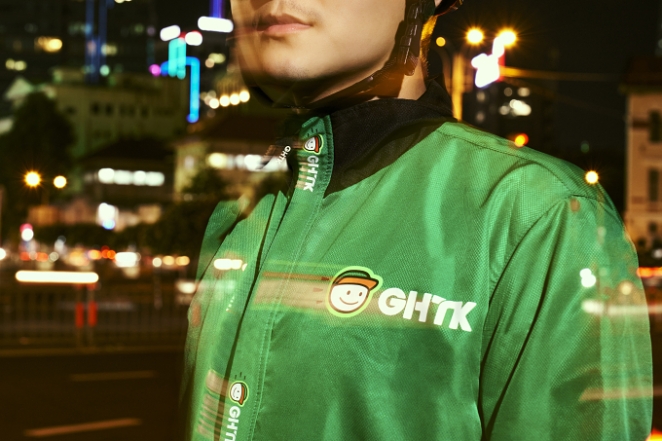
GHTK (Giao Hang Tiet Kiem) went from a blank, functional logistics brand to one with real character and cultural relevance. Through playful visuals and behaviour-led design, we helped them connect with both sellers and shippers in a more human, relatable way. Today, they’re seen not just as a delivery service but as a meaningful brand with a strong voice in the market.
In what ways do you invest in the professional development and growth of your team members?
We believe growth is part of the job description. We encourage our team to explore beyond design into culture, marketing, and business so they can see the bigger picture. We support them in defining their own direction of growth, whether it’s deepening craft, expanding strategy, or leading projects. Everyone is on their own journey, and we try to create the space and support for that.
How do you approach sustainability and ethical practices within your company's operations and projects?
We encourage conscious decisions from naming to packaging to messaging. We push clients to think long-term, avoid greenwashing, and stay authentic. Sustainability is design ethics in action.

Can you discuss a time when your company had to pivot or innovate in response to unforeseen challenges, and what lessons did you learn from that experience?
During COVID, we had to pivot quickly when in-person collaboration and workshops were no longer possible. We built clearer, more flexible remote workflows and restructured how we present ideas and gather feedback. It taught us that creativity doesn’t depend on being in the same room it depends on clarity, trust, and the ability to adapt. That experience made our process stronger and more scalable.
Do you have any websites, books or resources that you would recommend?
Books: What It Means to Be a Designer Today: Reflections, Questions, and Ideas from AIGA’s Eye on Design – Edited by Perrin Drumm
The Work of Art: How Something Comes from Nothing – Adam Moss
Louise Fili: A Designer’s Process – Louise Fili
Creative Strategy and the Business of Design – Douglas Davis
Websites: Brand New, It's Nice That, The Dieline, Creative Review, Creativepool, Transform Magazine, The – Brand Identity.