

Jhona Gibson didn’t fall into advertising. He pivoted into it with intent, swapping a bank marketing role in Peru for a three-month crash course that quickly turned into a proper start at J. Walter Thompson back in 2014. Now based in Germany on HeimatTBWA’s Persil global creative team, Gibson brings a distinctly Peruvian mindset to the work: make it happen, even when resources are tight, especially when resources are tight.
His process starts where the culture is loudest (movies, music, art, games, jokes, social feeds), then gets obsessively crafted into what he calls “smart-fun ideas with a lot of gut.” In this Member Spotlight, he talks about the confidence shift that changed everything (“there’s no such thing as a little idea”), why Google Keep is basically an extra brain, and why the rise of AI is only going to push craft back onto the throne as the main course, not just a garnish.
How did you first get into the industry?
I used to work in the marketing team of a well-known bank in Peru. I always wanted to work as a creative, so I got into a 3-month advertising course. By the end of the course, one of the teachers there asked me to join his team at J. Walter Thompson. I said yes, and since that day back in 2014, I’ve had the pleasure of working and getting to know the most amazing and interesting people on the planet.
Where are you based now and who do you work for?
Currently, I’m based in Germany, working for HeimatTBWA as part of the Persil global creative team.
What is your personal background and what role did it play in your career?
I come from Peru, a country where creativity is part of who we are. Peruvians know how to flip things using imagination, it’s one of our most well-known strengths. We always find a way to get what we want, even when resources are limited.
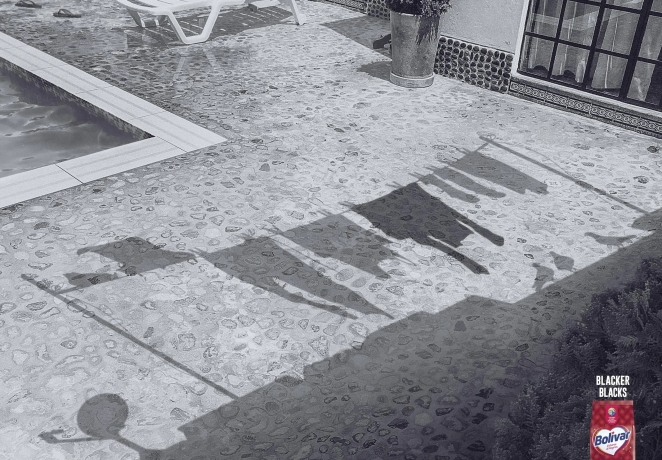
Creativity is not foreign to us; it’s how we solve problems and move forward. Having little and still making it work is what we do, and just like in life, that mindset applies perfectly to advertising. We like to think of ourselves as some of the most creative minds when facing adversity.
If you weren’t in your current industry, what would you be doing?
Playing some Italo disco hits in an underground club in Berlin or in Ciudad de Mexico.
Can you explain your creative process? What makes it unique?
I don’t know if I’d call it unique, but first, I like to go straight to pop culture: movies, music, art, video games, jokes (social media is great for this). Then I try to gather as much information as I can, and then the most important part of it: try to have fun with it.
How would you describe your style?
I like smart-fun ideas with a lot of gut in them.
Which individuals do you gain inspiration from? Do you have any heroes in the industry?
As a creative from Latin America, I grew up watching every single piece of advertising from Madre (Carlos Bayala’s version of Mother), La Comunidad, Santo, among others. Nowadays, I follow what El Ruso de Rocky, PS21, Lola Madrid and Uncommon do.
What tips would you give to aspiring creatives looking for work?
Be obsessive with craft. Make it your way of creating. Craft every single idea to the fullest, from a radio mention to the punchline of a manifesto. Never be satisfied.
What tips would you give to other professionals to get more clients?
When approaching them, offer to be their partners, dive into their problems and find the best solutions together. Build a relationship.
Can you share a memorable experience from your career journey that shaped your approach to creativity?
As a young creative, I used to be insecure and start pitching ideas saying things like, “Hey, I have a little idea I would like to tell you about,” until one of my former bosses—and now a good friend of mine once told me: “There’s no such thing as a little idea.
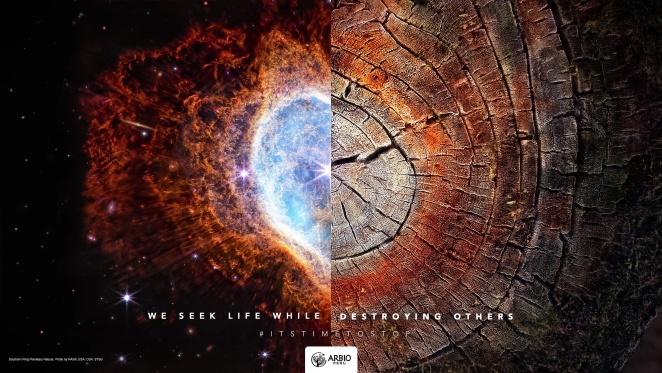
Don’t size it yourself. If you believe in it, it could get bigger than you ever thought.”
What kind of tools/kit/software could you not do without?
Google Keep is one of the tools that I’ve been using since I started in advertising, and I keep using it today because it allows me to (as the name says) write and keep random thoughts everywhere.
What’s your secret to staying inspired and motivated?
I try to watch advertising every day. Being updated is the best way to stay inspired and hungry to do more. During the pandemic, I turned my LinkedIn feed into an advertising newsletter. I added as many creatives from all parts of the world as I could, so basically, they are the ones that keep me posted not only with work, but also with interesting points of view about the industry.
What’s the work achievement you’re most proud of?
I’d say becoming a Creative Director before turning 30 years old. I started late in advertising when I was 25, and being trusted with such a big responsibility represented a before-and-after point in my career.
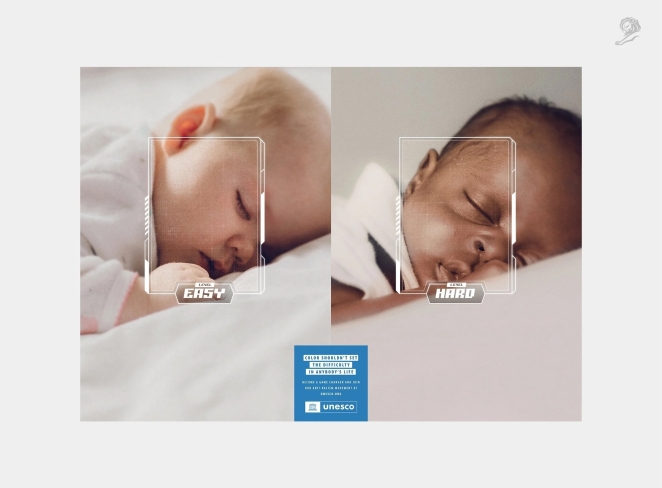
Being able to lead teams and guide creative minds with the same love and passion my creative directors taught me is one of the greatest things this profession has given me.
As someone with experience in the industry, what trends do you foresee shaping the future of creativity?
I think craft will be back on the throne very soon. The rise of AI tools is making us appreciate even more the details and the passion in whatever we do with our creativity, so get ready for a big and long craft era.
What do you think sets apart truly exceptional creatives from the rest of the pack?
Being truly exceptional, great people. That’s the key, and it has always been.
How do you think technology has influenced the creative industries and how have you adapted to these changes?
AI has brought a new era for all of us, working or not in advertising. Learning how to prompt and generate videos and images now is a must, and it can be fun too. I take AI as a cool tool to have, one that could bring us closer to stimulating clients and driving them into what we all have in our minds.
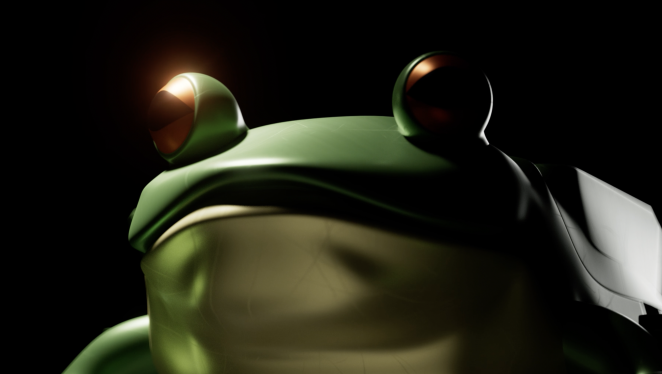
Of course, I think it should be just a taste, never the full dish.
What is the one thing that you would change about the industry?
I would like festivals to make their archives/creative libraries public and free.
Any websites, books or resources you would recommend?
The D&AD library is 100% free and has probably the most awarded work from the beginning of the 2000s. Ideal for students or creatives who are starting and want to dive deep into advertising.