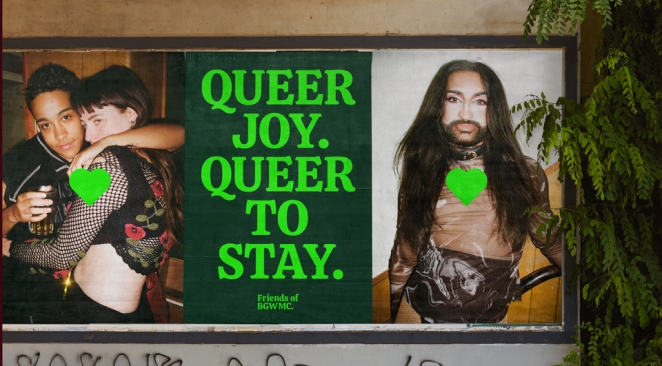


Founded in 2020 by Cecilia Righini, Studio Lutalica was born out of a desire to turn personal challenges into creative strengths. Rooted in the experiences of women and LGBTQ+ communities, the studio offers a fresh perspective on design and branding that values empathy, inclusivity, and authenticity. Headquartered in Edinburgh and operating as a fully remote team, they harness global talent while staying true to community values.
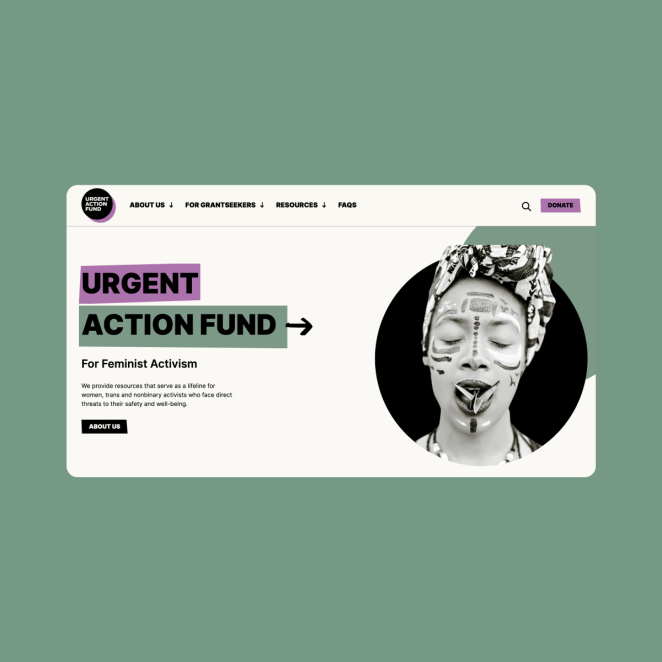
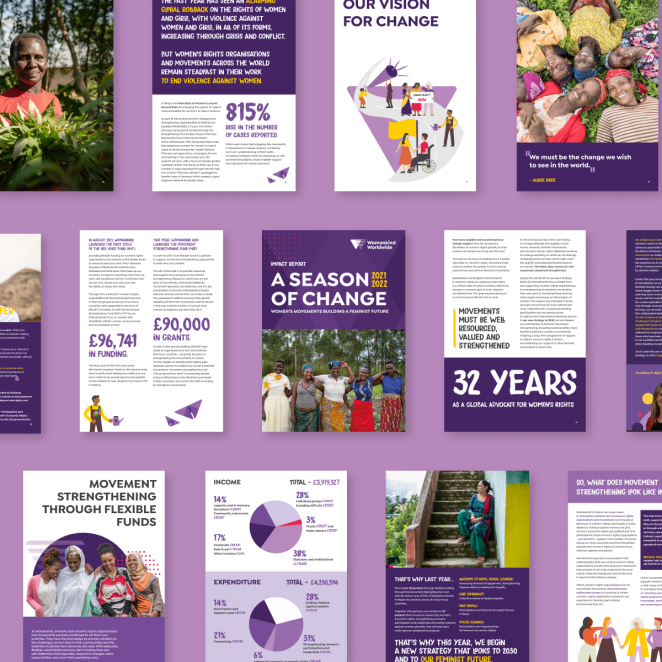
By challenging industry norms and reimagining traditional creative processes, Studio Lutalica has proven that lived experience is an asset. Their approach blends human-centred design with feminist new materialism, ensuring that every project resonates on a deeper level. From rebranding breakthrough projects like the Urgent Action Fund for Feminist Movements to pioneering eco-friendly digital practices, the studio’s work creates meaningful impact and drives sustainable change.
Looking ahead, Studio Lutalica is focused on scaling its social impact by expanding its reach and deepening its commitment to diversity and ethical practices. With a flexible, inclusive culture and a mission to empower marginalised voices, the studio is not only redefining what it means to be a creative agency, but it’s proving that design can help build a more equitable world.
How was your company born, and where are you based?
I founded the studio in 2020, having seen firsthand the barriers women and LGBTQ+ people face in both the creative industries and wider society. I wanted to create a space where our lived experiences would be seen as assets, not obstacles.
We’re headquartered in Edinburgh but operate as a fully remote team, with collaborators across the UK and beyond. Our structure works really well for us, as it allows us to work with clients globally, while staying rooted in community values and connection.
What was the biggest challenge to the growth of your company?
The biggest challenge has been navigating the seasonality and unpredictability of our sector. There are periods, particularly towards the end of the year, when new business slows down significantly.
We’ve learned to be agile, redirecting resources from communications to business development during quiet spells to keep our pipeline healthy and our team engaged. Additionally, as a queer, neurodivergent founder, I’ve also had to challenge industry norms and create new ways of working that are genuinely inclusive and sustainable. Studio Lutalica is proof that it can be done, and done well.
Which was the first huge success that you can remember?
It’s hard to define, as our growth has been organic. And it also depends upon how you define ‘success’, right? If we’re talking about money (as is often the case), then working with the Urgent Action Fund for Feminist Movements on their new website was a significant breakthrough, particularly given its large international scope.
On a personal level, seeing Studio Lutalica branding out in the wild for the first time or pressing ‘GO’ on our first real website were both pivotal moments. That and seeing how empowering our work has been for our clients.
Can you share a defining moment in your company's journey that shaped its identity or direction?
Transitioning to a Community Interest Company (CIC) in 2024 was a defining moment. We transferred 100% of our shares to the community we serve, formalised our board, and doubled down on our mission to create lasting social impact. It was a bold step that aligned our business model with our values and opened up new opportunities for growth and collaboration.
Can you explain your team’s creative process? What makes it unique?
Our process is rooted in empathy and radical collaboration no one voice is more important than another. We always begin with an in-depth discovery phase, centring the client’s lived experience and goals. We start with the industry-standard Double Diamond, a model rooted in Human-Centred Design. It ensures we 'discover' the real problem before we 'develop' a solution. This ensures we're not just creating a beautiful website, but a truly user-centric solution, and we take it a step further.
While human-centred design is crucial, we recognise its limitations. Often, it focuses on the user in isolation. Our unique approach, rooted in feminist new materialism, views the user as part of a larger ecosystem. This means we consider the broader impact of our design choices, from accessibility to environmental sustainability.
In practice, this means we ask questions that other studios might not. How does this design impact not just the user, but the communities they are part of? How can we create the least harm and the most positive social impact? This approach is embedded in our DNA because our team has lived experiences of being part of marginalised communities, which also ensures our work is both authentic and impactful. Every project is a partnership.
Internally, our flat structure, flexible working, and open communication mean everyone’s ideas are heard, and risk-taking is celebrated. We’re always iterating on our processes and learning from each other, which is a real joy!

How do you balance maintaining your company's unique creative voice while meeting the diverse needs of clients?
We start every project by listening really listening to our clients’ stories and needs. Our creative voice is rooted in empathy and lived experience, so it adapts naturally to each project without losing its core. We see our role as amplifying our clients’ voices, not overshadowing them, while ensuring every solution is both authentic and strategic.
How do you approach sustainability and ethical practices?
Sustainability is at the heart of what we do. We prioritise eco-friendly digital practices like clean coding and green hosting, avoid platforms with poor ethical records, and reinvest profits into our team and community. Our policies ensure we only work with clients whose values align with ours, and we’re always looking for new and better ways to reduce our environmental impact.
How does your team remain inspired and motivated?
We’re fuelled by purpose. Working for and with communities we’re part of means every project has real-world significance. We also prioritise wellbeing, offering flexible hours, a four-day work week, and a culture of open dialogue and support. Regular team workshops, retreats, and peer learning keep us connected and inspired all year round.
How do you go about finding new clients or business?
Most of our clients come through word-of-mouth and organic referrals, which speaks to the trust we’ve built in our communities. We also use targeted outreach, social media, and partnerships with aligned organisations.
Our business model is flexible: we offer project-based work, retainers, and we always aim to make sure we offer equitable rates based on identity and affordability. Transparency and accessibility are at the heart of our approach.
What’s the biggest opportunity for you and your company in the next year?
The coming year is all about scaling up our impact. We’re expanding our team, investing in infrastructure, and refining our processes so we can support more women and LGBTQ+ founders. We’re also deepening our research into the wider impact of our work, and seeking funding to ensure our services remain accessible to those communities who need them most.
What’s your one big hope for the future of the industry?
I hope the industry moves beyond surface-level diversity and embraces real, systemic change where lived experience is valued, inclusion is non-negotiable, and creative work genuinely uplifts marginalised voices. I’d like to see more studios using their platforms for advocacy and social impact.
Designers have a huge responsibility towards people and the environment, and we need to start taking accountability and learning to say no, whenever possible, to work we know will harm the world around us. After all, design isn't just about creating beautiful things, it's about crafting a more equitable world where everyone's voice matters and every choice we make ripples outward for good.