
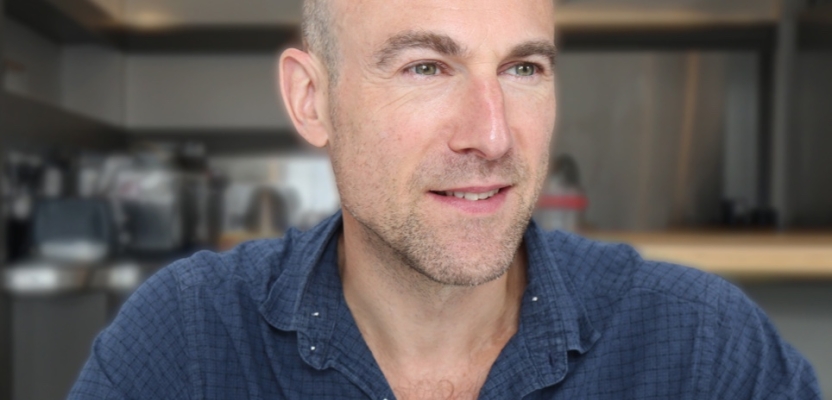

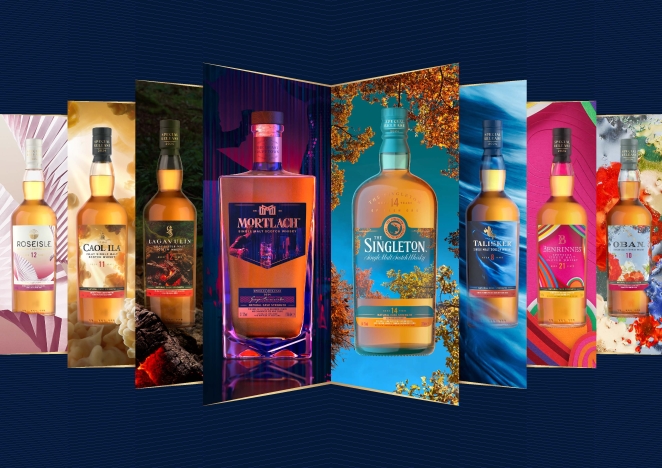
As Chief Strategy Officer at Bloom, Ed Hayes has traded the thrill of client-facing campaigns for something deeper: redefining how strategy shapes design at its core. With nearly two decades at one of the industry’s most strategically minded agencies, Ed has helped shift brands like Diageo’s single malts and Cruzcampo from traditional territory into modern cultural relevance.
In this candid interview, he reflects on walking away from planning when it got easy, why true leadership means getting your hands dirty, and how creative minds can thrive by staying curious, honest—and occasionally pitching toilet cleaner with 80s power ballads.
Tell us a bit about your role! Is there a “typical” day?
My role as Chief Strategy Officer has meant divorcing myself from day-to-day client projects. Instead my day-to-day is leading agency strategy. That mainly means developing new services for clients, and new approaches for carrying them out. I also work on defining our positioning, which is famously hard despite having positioned many brands for many businesses in the past.
What was the biggest challenge in getting to your current position?
My previous role was Head of Planning, leading live projects for client brands. Becoming CSO meant giving up planning just when it became instinctive – and before I had a team around me. I now run my own schedule, set my own deadlines and work towards my own targets. It’s easy to get imposter syndrome.
What is your personal background and what role did it play in your career?
There were high academic hopes for me which I didn’t live up to, except in modern languages. This gave me a good grounding in communications and culture. I made up for the rest by relentless reading.
What is your biggest career-related win? What is your biggest loss?
Working in agencies makes it very difficult to think of personal wins. My career was made by joining Bloom almost 20 years ago, then sticking with it. It was, is and always will be one of the most strategically led design agencies in the industry. I’m proud to have helped make it so.
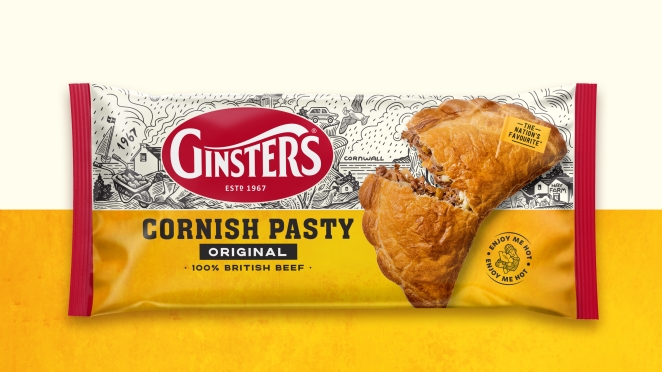
In terms of projects at Bloom, my kids get very excited about the ones they eat or drink themselves – brands like Hula Hoops, McVities Gold Digestives, and Fruit Shoots. I’m also proud of our work with Diageo’s single malts portfolio, shifting it out of Scottish tradition and into modern luxury culture. Being fired from an exciting startup was my biggest loss. It went on to huge success without me. But this set me up for longer-term success elsewhere.
Which individuals and/or agencies do you gain inspiration from? Do you have any heroes in the industry?
I was lucky to work under Wendy Gordon and Michael Wolff early in my career, pioneers of insight and branding. I’ve worked with Richard Huntingdon, CSO of Saatchi & Saatchi a few times and admire his humble brilliance.
What advice would you give to your younger self?
No one owes you a job. Pull yourself together and earn it! Look and speak the part and the rest will follow.
If you weren’t in your current industry, what would you be doing?
I’ve just moved to Somerset with my family but work some of the week in London. So something local would be nice - in the fresh air and dirt under my fingernails. But it’s hard to imagine - the commuting sacrifice is so worth it to do the job I was born to do.
What’s your one big dream for the future of the industry?
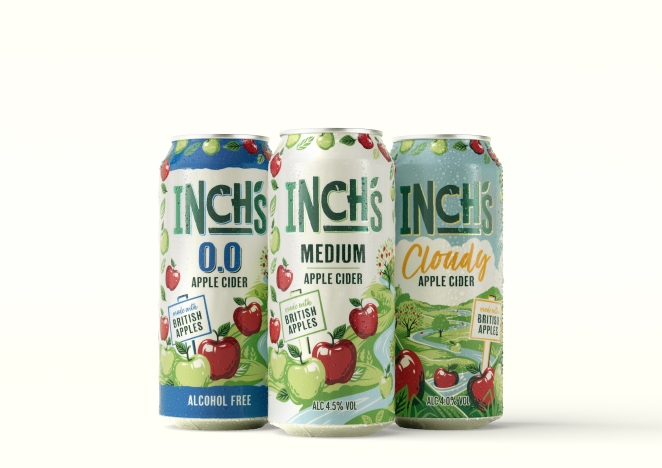
For design to replace ad agencies as the client’s natural strategic and creative partner. Actually not a dream so such - it’s already happening. We saw this at Bloom in our work for Inch’s and Cruzcampo – we created the brand, wrote playbooks, then handed over to ad agencies to do the advertising.
What are your top tips for aspiring creative professionals?
Speak your mind. They want to know what you think and believe. To do this, learn about strategy, marketing and business. The best creatives I’ve met could do my job. I couldn’t do theirs.
What are your top tips for other creative leaders?
Never stop doing the work or the rest of your team won’t listen to you. Lead by example. It’s like being a sports team player/manger or a general who’s at ease under fire: I find it hard to imagine being a leader without getting muddy knees or getting shot at.
When you think about your team, what is the thing that matters to you the most?
That they know they’re supported by leaders who have their backs. At Bloom, I’m involved in putting our values into practice – bravery, ownership, curiosity, community. This means empowering people, keeping the hierarchy flat, radical honesty with one another, making sure the right conversations happen at the right time, and always being kind, but not always being nice.
How do you approach collaboration with other creatives or teams and what do you believe makes for successful partnerships?
When collaborating you need to stay in your lane. Don’t ‘mission creep’ – by which I mean non-design agencies attempting to do the design work: it seems obvious, but that’s bad form when you’re collaborating. But the rest of the time everything’s fair game!
What industry trends do you foresee taking hold in the coming months?
Positioning, identity and campaign rolled into single projects, run by single agencies, and fueled by AI.
What do you think sets apart truly exceptional creatives from the rest of the pack?
Spontaneity. Ideas appearing fully formed – born from the right brain, then executed by the left. The psychiatrist Iain McGilchrist talks about how we live in a world dominated by left-brain thinking, when ideally, the right brain should take the lead, with the left brain serving as its support.
How do you think technology has influenced the creative industries and how have you adapted to these changes?
It’s too early to say. At Bloom we’re careful to say AI and other tech augment human thinking and ideas. It can make ideas bigger and broader, more efficiently. But not better.
How do you prioritise self-care and maintain a healthy work-life balance?
Remembering that, once everyone’s paid, what we do isn’t the least bit important in the grand scheme of things. Nurses we are not.
How do you handle creative blocks or burnout?
A long walk thinking about anything but the work. It’s not about getting to a certain place – just the process itself helps unknot a busy mind.
Can you describe a moment when you had to think outside the box to overcome a creative challenge?
Using exciting cultural inspiration for unexciting functional products. We once won a rebrand for a leading toilet cleaner by showing the clients a montage of 80s action movie clips with Bonnie Tyler’s Holding Out For A Hero playing uncomfortably loudly. The first or last approach to pitching.
Do you have any websites, books or resources you would recommend?
Snaxshot– a brilliantly curated food and bev Substack – helps with understanding what Gen Y and Gen Z aspire to. The aforementioned Iain McGilchrist’s books about the brain. anthropologist Grant McCracken and MIT professor Douglas Holt on culture. And finally, I recommend looking at The Grocer every week to keep your feet on the ground.