


Salt Productions and Pinch Creative are reshaping the boundaries between production and creative strategy. Co-founded by Don Strom and Mason Eisenberg, alongside Managing Director Nomi Leasure, the agencies were born from a vision to merge flawless execution with bold, future-facing creativity. With teams spanning New York and Los Angeles, both Salt and Pinch operate as fully remote agencies, united by a culture of curiosity, collaboration, and human-centered design.
What sets them apart is their dual focus: Salt brings deep production expertise, while Pinch extends into holistic creative strategy, immersive storytelling, and brand experiences that go beyond the brief. From high-profile client launches to award-winning collaborations with Amazon Ads, the agencies have proven that agility, innovation, and people-first values can fuel lasting impact. Together, Salt and Pinch are building not just campaigns, but cultural moments that connect audiences to brands in meaningful and memorable ways.
How was your company born and where are you based?
Salt was born out of a clear gap we saw in the industry: the need for a production agency that operates with the agility and mindset of a creative agency, but with deep production expertise at its core. We set out to build a team that could execute flawlessly, without ego, and that treated production and creative as true equals. We believe great work comes from healthy tension — not hierarchy.
After Salt’s successful launch, our clients began asking for more creative support that went beyond execution and pushed into strategy, concepting, and big-picture thinking. Rather than stretch Salt beyond its DNA, we launched Pinch Creative: born from both a need and a belief. The need: clients looking for a creative partner that thinks holistically and consistently exceeds the brief. The belief: that a creative agency can be built differently — future-facing, high-performing, and human at its core. One where teams are supported, collaboration is real, and burnout isn’t part of the culture.
Both Salt and Pinch are fully remote, with team members based across the U.S., primarily in New York and Los Angeles. Our team culture is rooted in curiosity, agility, and creative momentum.
What was the biggest challenge to the growth of your company?
Our biggest challenge has been growing without compromising the heart of what makes Salt and Pinch special. We’re constantly focused on finding the right people – not just talented creatives, but people who care deeply, think independently, and collaborate without ego.
But building the team is only part of it.. The real challenge lies in creating just enough structure to support great ideas, without smothering them in process. Striking that balance between creative freedom and operational clarity is something we work to protect every day.
For us, growth isn’t just about more work or bigger clients. It’s about staying intentional, making decisions that align with our values, and building something that lasts.
Which was the first huge success that you can remember?
When we launched Salt Productions and, later, Pinch Creative, we hit the ground running both times. Day one for the Pinch was quite memorable: we were immediately thrown into several high-profile event projects. We had a really strong creative vision and an incredibly talented team, but like any brand-new agency, our infrastructure was still taking shape. That meant designing systems, establishing workflows and building trust – all while delivering complex work on deadline for some major clients.
There were definitely challenges, but we didn’t miss a beat. About five months in, Pinch wrapped up its first large-scale creative project. It wasn’t just a successful delivery— it was a defining moment. It was a clear signal that Pinch was built to last. It confirmed that our approach, our people, and our values could deliver exceptional results from day one.
What’s the biggest opportunity for you and your company in the next year?
With a strong foundation of work behind us, we can now see a major opportunity to expand our presence in a few key areas. First, we’re focused on continuing to attract top-tier creative talent to fuel fresh thinking and bold execution. Second, we’re looking to diversify our portfolio, stepping beyond our core tech and retail clients to partner with more B2C brands, especially those looking to create immersive, world-building experiences. It’s about evolving the kinds of stories we help tell and the audiences we reach.

Can you explain your team’s creative process? What makes it unique?
At Pinch, our creative process is rooted in translating brand values into immersive, tangible environments, spaces that people don’t just look at, but feel. What sets our approach apart is our focus on creating two-way, human experience rather than the traditional one-way messaging. We collaborate closely with our clients to transform a product, a mission statement, or even a single line of copy into something physical that invites people to linger, explore, and connect on their own terms.
Guided by our Executive Creative Director, Michael Brown, who brings a background in architecture and storytelling, our process blends strategic design thinking with emotional depth. We ask questions like: Should this brand feel structured or playful? Does it speak through texture, light, or spatial rhythm? And how can we bring it to life in a way that respects the audience’s time, intuition and intelligence?
Unlike traditional advertising, which often competes for attention in seconds, we aim to design and build experiences that invite time and presence. It’s less about control and more about crafting something generous and human, an environment where people can interact with a brand in ways that are personal and memorable.
How does your team remain inspired and motivated?
From the start, we were intentional about building two agencies that live and breathe creativity, not just layering in production talent, but making creativity core to our DNA.
At Pinch, all of our leadership comes from the creative side while those heading up Salt have decades of firsthand experience in production, which naturally fosters an environment where new ideas are encouraged and creativity feels safe, supported and central.
We also invest in internal programs that fund personal passion projects and individual initiatives, helping our team stay connected to their craft beyond client work. As remote-first agencies, we make space for in-person connections through meetups, offsites and occasional speciality training.
For us, inspiration isn't a one-time perk – it's something we design our culture around, giving people room to think freely, collaborate openly and stay creatively energised.
How has COVID-19 affected your company?
The pandemic reshaped how we work, and made one thing clear: if you’re going to be fully remote, culture has to come first. Salt and Pinch were both built remotely from day one, with teams in NYC and LA, which means we’ve created a culture that stays connected, creative and (this is key) human.
Offsites, IRL hangs, merch drops, chaotic Slack threads… we invest in it all. Leadership sets the tone, shows up, and keeps evolving. No HQ (yet). Just two coast-to-coast teams that collaborate hard, both with each other and with all our clients.
What is one tip that you would give to other agencies looking to grow?
Prioritise your people over the work because great work only comes from a healthy, well-supported team. If your agency lacks structure, clear processes, strong leadership, or a positive environment, growth will stall. High turnover, burnout, and inconsistent output are signs that the foundation needs attention.
Think of your agency as a house: if the foundation is unstable, nothing you build on top of it will last. And above all, invest in strong leadership, not just for their experience, but for their ability to encourage, guide, and protect the creative process. Quality isn’t just about the final product; it’s about the standard you uphold every step of the way.
How do you go about finding new clients/business? (Pitching, work with retainers, etc.)
It starts with doing great work and making sure that it’s visible. When the output is strong and accessible, new clients, returning clients and bigger opportunities tend to follow. But beyond the work itself, internal reputation plays a huge role. Our industry is very tightly-knit, and creatives, producers and brands “talk” all the time, so if your internal culture is off, they will know, and it can undercut your business development efforts fast.
When it comes to pitching, we focus on clarity and creative range. We don’t just present one idea – we bring thoughtful options. Brands love to feel like they have real choices, and we aim to show them the full range of what’s possible.
What’s your one big hope for the future of the industry?
Our biggest hope is that the industry continues to shift toward more human, immersive, and emotionally resonant experiences.
As people grow more adept at tuning out traditional, screen-based marketing, we see a powerful opportunity for brands to connect through spaces that invite curiosity, conversation, and real-world interaction.
We’d love to see more brands prioritise depth over volume, creating moments that people remember not because they were loud or flashy, but because they felt personal and thoughtfully crafted.
The future of this industry lies in designing experiences that allow people to slow down, engage, and genuinely connect with brands and with each other.
Can you share a defining moment in your company's journey that shaped its identity or direction?
While Pinch is still a young agency, it has been really fortunate to grow alongside Salt, which is more established and has given Pinch a solid foundation from day one.
One defining moment came really early on, when a few clients trusted Pinch to deliver bold, award-worthy creative work, although we were brand new. That trust and confidence allowed us to showcase our skills quickly and earn industry recognition, but it also helped cement our identity as a team that punches above its weight. It set the tone for the kind of agencies we’re building: creatively ambitious, strategically sharp and ready to make an impact.
How do you foster a culture of innovation and experimentation within your team?
We foster a culture of innovation and experimentation in a few intentional ways. It starts with our core values like Never Arrive and Go Beyond the Ask… which challenge us to stay curious, question the asks, and always look for ways to elevate the work.
We also make space for experimentation at every level. Leadership doesn’t pretend to have all the answers; we encourage fresh thinking from every corner of the team, whether it’s a bold, creative swing or a better way to approach the process itself.
Every project ends with a survey to capture what worked, what didn’t, and where we can improve. It’s not about pointing fingers—it’s about sharpening the way we work, together. That constant loop of feedback, reflection, and iteration is what keeps us evolving.
What measures do you take to ensure diversity and inclusion are prioritised within your company?
At Salt and Pinch, diversity and inclusion aren’t treated as programs – they’re foundational to how we build and operate our agencies. It starts at the top: our ownership includes female and LGBTQ+ representation, and our Managing Directors also brings a diverse perspective to leadership.
From there, we’re intentional about who we hire and who we partner with, such as working with diversity-focused recruiters and agencies to ensure we're creating opportunities for a wide range of voices and experiences. We’re not trying to check boxes. We’re striving to build an environment that’s truly equitable, inclusive and respectful – a place where different backgrounds, cultures and beliefs are not only welcomed but valued. It's about creating a space where people can show up fully as themselves, and where that diversity naturally shapes the work we do.
How do you balance maintaining your company's unique creative voice while meeting the diverse needs of clients?
For us, it’s all about balance and intentional variety. At both Salt and Pinch, we actively rotate teams across different clients and types of work, such as indoor, outdoor, large-scale and intimate, to give everyone a “pinch” of something new. This keeps the work fresh, gives our teams a broader perspective, and allows our creative voice to evolve while staying grounded.
We work with a lot of repeat clients, but that doesn’t mean we always assign the same teams. We’re thoughtful about maintaining brand consistency while also keeping our creative energy high. And while we’re service-based agencies, we do have boundaries.
Our leadership is committed to protecting the integrity of the work, and that means knowing when to push back or guide a client away from decisions that don’t align with our standards. Simply put: we’re flexible, but we don’t do bad work.
What strategies do you employ to adapt to changes and trends in the industry while staying true to your company's values?
At both Salt and Pinch, we adapt by creating an environment that encourages new thinking, not just following trends, but using them as inspiration to push ideas further. We’re not interested in chasing what’s flashy just because it’s buzzy; instead, we dig into why something is resonating and use that as fuel to create original, emotionally grounded experiences that align with our values.
We bring in talent that’s curious, collaborative, and unafraid to challenge norms. We love exploration, not replication. We also actively seek out clients and partners who are open to experimentation and willing to take creative risks. That shared mindset allows us to evolve with the industry without losing sight of what we care about most: making work that feels intentional, human, and built to connect.
Can you share a memorable client success story that exemplifies your company's approach and impact?
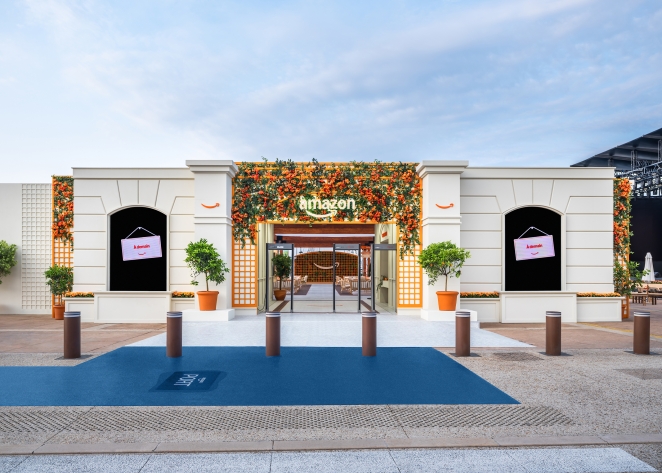
One standout example is our ongoing work with Amazon Ads on multiple major, flagship projects. These have been multi-year collaborations where we've delivered consistent results, set a really high creative and production standard, and helped elevate how the brand shows up at key industry events, such as Cannes Lions. For three years in a row, these projects have not only won multiple industry awards, but they’ve also become benchmarks within the Amazon organisation itself. And for us, they’re a perfect reflection of the Salt and Pinch approach: thoughtful partnership, creative excellence, and an ability to scale and evolve year over year while keeping the work fresh and impactful.
In what ways do you invest in the professional development and growth of your team members?
Both agencies have a structure where our leaders are more than just decision-makers; they’re mentors, too. Right now, they are participating in coaching, which is focused on strengthening their self-awareness, identifying their leadership styles and learning how to help their teams operate more effectively. We prioritise training and providing opportunities that allow the individuals to grow, not just looking through the lens of what is best for the agencies, but what is best for the individual, being a “people” first agency approach.
At Pinch, we also support personal creative exploration through a grant program that funds independent passion projects, giving team members space to flex their creative muscles outside of client work and keep that internal spark alive. We encourage learning through collaboration, transparency, and ongoing dialogue, so growth happens organically, not just through formal programs.
How do you approach sustainability and ethical practices within your company's operations and projects?
First, we work with clients to understand their level of commitment—whether that means allocating additional budget for sustainable materials, requesting carbon tracking for travel and freight, or making environmentally responsible choices across production. When clients are all-in, we go further, together.
Second, we hold ourselves to a baseline of ethical practices, regardless of client direction. We have a strict no plastic water bottle policy on site—we’ll cover the cost ourselves to provide boxed water, aluminium cans, or reusable bottles with refill stations. We also track the carbon footprint of each job to help offset our operational impact and guide smarter decisions in the future.
Post-project, we prioritise donation and recycling wherever possible—finding second lives for materials, set pieces, and supplies rather than sending them to the landfill. It’s not always perfect, but we believe real progress comes from being accountable, adaptable, and consistently raising the bar.
Do you have any websites, books or resources that you would recommend?
The Creative Act: A Way of Being by Rick Rubin
Built to Last : Successful Habits of Visionary Companies by James C. Collins and Jerry I. Porra