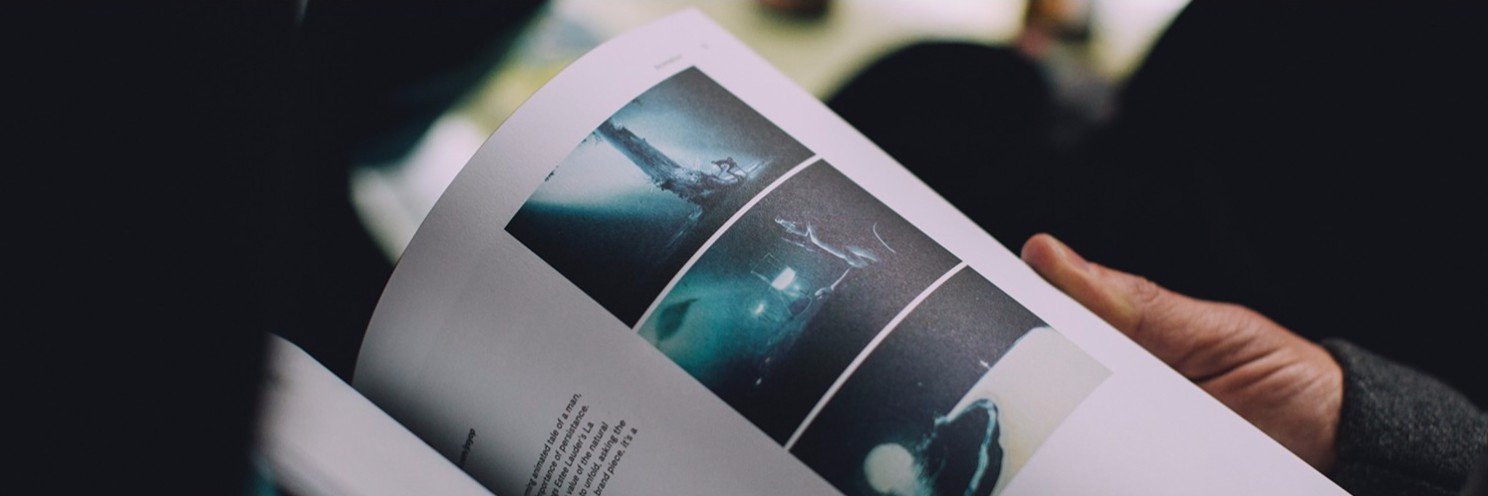

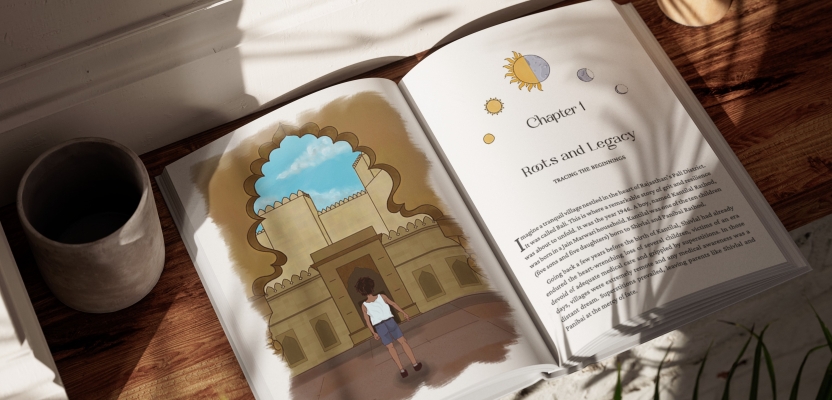

In the ever-evolving world of design, few creatives manage to strike the perfect balance between storytelling, functionality, and visual charm. Meet Rupal Gupta, a New Delhi–based graphic designer and illustrator, whose work spans across disciplines like editorial design, branding, and whimsical illustration. With a foundation in Communication Design from the Indian Institute of Art and Design under Kingston University, Rupal’s journey into the creative industry reflects both persistence and passion. From her earliest days of sketching and painting as a child to becoming a self-employed freelancer, her path has been marked by curiosity, dedication, and a love for meaningful visual storytelling.
What sets Rupal apart is not just her skillset but her human-first design philosophy. She sees every project as a story waiting to be told, weaving together vibrant colours, dreamlike lighting, and minimal yet impactful design elements. Drawing inspiration from global artists and her creative community, Rupal’s process is rooted in empathy, collaboration, and emotional connection. Whether she’s illustrating whimsical worlds or designing sleek layouts, her goal remains the same, to create work that resonates deeply and leaves a lasting impression.
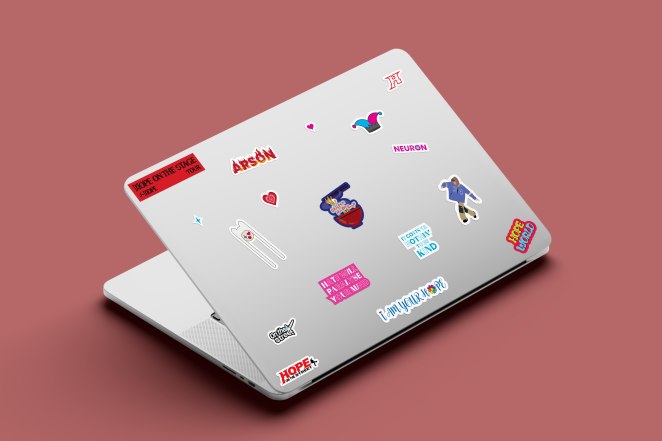
How did you first get into the industry?
I did my graduation in Communication Design from Indian Institute of Art and Design under Kingston University. While studying, I did a few internships and that was my first introduction to the industry.
Where are you based now and who do you work for?
Currently I am based in New Delhi, India. As a freelancer, I am self employed and tend to do project over various disciplines like graphic design, illustration, editorial prints etc.
What is your personal background and what role did it play in your career?
I was always interested in art and started drawing and painting from a young age. Growing up I would take out crayons and a sketch book as often as I could. You would always find me doing something creative – finger painting, drawing or simply doing a lot of puzzles. This hobby grew with me and by the time I finished middle school I had maintained a dedicated display wall in the art room of my school just for the art I would make. High school however, came with a lot of stress about studying and my focus mainly shifted to scoring well in my exams.
While I would still participate in creative competitions like drawing, painting and rangoli making during various cultural events in school, doing art on a regular basis was difficult and hence took a backseat. When the time came to decide what career I wanted to pursue going forward, there was no doubt I wanted to do something creative. In the last year of high school when everyone was preparing for their board exams, I was simultaneously preparing for design college entrance exams. With a lot of support from my parents, teachers and coaches, I got into IIAD, with a scholarship, even before the results of my final exams were out! That was how my journey in the creative industry started.
If you weren’t in your current industry, what would you be doing?
If I weren’t a designer and illustrator, I’d probably still be doing something rooted in storytelling, curiosity, and emotional connection.
Besides art and design, I was always fascinated by Psychology and if art wasn’t what I ended up pursuing, it would have been the field of Psychology that would have caught my attention. I love understanding how people think, feel, and connect with the world around them. That curiosity drives my work as a designer, and I think it would’ve translated naturally to this path too.
Whatever the role, it would still involve some kind of creative communication, empathy, and problem-solving, just expressed through a different medium.
Can you explain your creative process? What makes it unique?
Every project begins with curiosity. Whether I’m designing a book layout, an illustration, or a visual identity, I approach each brief as a story waiting to be told visually, emotionally, and meaningfully.
Here’s how I typically work:
- Understanding the Brief - I start by diving deep into the client’s world, understanding their goals, audience, tone, and brand values. Asking the right questions early helps me align with the core purpose behind the project.
- Research & Inspiration - I collect references, moodboards, and visual cues that resonate with the direction of the project. This is also where I draw from artists I admire, like Malika Favre’s bold compositions or Gretel Lusky’s expressive characters, while ensuring the work stays unique and purposeful.
- Ideation & Sketching - This is my favorite phase, where thoughts turn into visuals. Whether I’m sketching by hand or working digitally, this is where I explore layout options, narrative structures, color palettes, and style directions.
- Design Development - Once a direction is chosen, I begin building and refining the work digitally. This is where typography, layout, spacing, and storytelling come together cohesively. I also test for print and screen as needed.
- Feedback & Iteration - Collaboration is key. I love working closely with clients and peers—gathering feedback and refining the work so it feels right, not just visually but emotionally.
- Final Delivery & Support - Once approved, I prepare files for all necessary outputs and guide clients on how to use the visuals effectively. I also offer post-project support if needed—it’s important to me that the design continues to serve its purpose after delivery.
What makes my process unique is the way I strive to put forward human-based design with adding my touch of colour and whimsy to it. I see every design as a story. My goal is to make even the smallest detail speak to the larger message. I strive to create work that connects, visually and emotionally, even for viewers who have no prior context. Being able to emotionally connect with your audience is very important for any design to be successful and fulfil its purpose.
My community of artists and friends inspires me a lot and helps me stay grounded through regular conversations, feedback sessions, and creative jams with fellow artists. This keeps my process fresh and collaborative. While I’m methodical in layout and problem-solving, I trust my instincts when it comes to rhythm, flow, and emotion in design, helping me balance logic and intuition.
How would you describe your style?
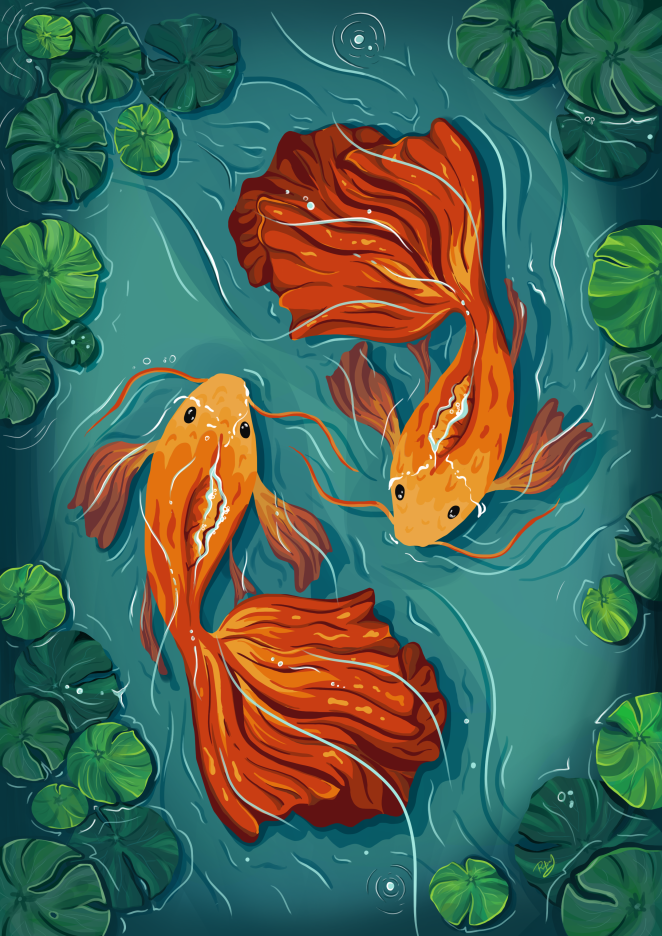
While I can work with different art styles according to the requirements of the project, most of my work in illustrations usually encapsulates a lot of vibrant colours with dreamlike lighting and some whimsical and fantasy/nature inspired features in the art itself. For graphic design projects my style tends to be more minimalistic and clean with emphasis on the key elements.
Which individuals do you gain inspiration from? Do you have any heroes in the industry?
There are so many good artists out there, it's so difficult to name just a few who inspire me! Here are some of them in no particular order- Devin Elle Kurtz, Loish, Gretel Lusky, Yuumieart, Rakasa Demon, Derek Domnic D’souza, Samdoesarts, Simz Art, Aliya Chen, Malika Favre, Hanna Jensen Art and so many more.
What draws me to their work is the unique approach to creativity and the way they express emotion, story and skill through their craft. Their work constantly inspires me and reminds me of the way art can grow, move and connect people.
What tips would you give to aspiring creatives looking for work?
To aspiring creatives looking for work, my biggest advice is to stay consistent and keep creating. Not every piece has to be perfect, but continuing to show up and make things helps you grow and stay connected to your craft. It’s important not to get disheartened—rejections and slow periods are part of every creative journey, and comparing your progress to others will only weigh you down. Don’t give up; persistence is what turns passion into a career. Focus on what truly makes you happy and lean into that—genuine joy often leads to your best and most authentic work. And above all, don’t force creativity. Rest, step away when you need to, and allow inspiration to return naturally. Creativity flows best when you’re kind to yourself in the process.
What kind of tools/kit/software could you not do without?
I could not function without the Adobe Creative Suit! I use the creative suit for everything I do. Adobe illustrator, Photoshop, Indesign and Premiere Pro are some of my most used softwares along with OBS to record my process.
What’s your secret to staying inspired and motivated?
There are times when everyone goes through burnout and stress and it can be difficult to get back into the groove of productivity. My first go to to avoid burnouts is taking care of my mental health and taking time off if I need it. The key to staying motivated and inspired is not always being productive and constantly pushing yourself, sometimes it looks like slowing down, resting and resetting in order to be more productive and continue creating.
Over the years, I've made quite a few artist friends over various platforms and I keep in touch with them. These amazing people help me stay motivated by not just sharing their art, various resources and the artists they like but also just talking about life and day to day happenings. It really helps me stay grounded and rooted even when I am not creating art or designing all the time. Having a community makes a huge difference to the way I approach things. It also helps to have someone to discuss any roadblocks with and to get genuine feedback from.
One of my friends and a fellow artist, Fairchild, hosts paint night weekly where a group of artists just gather and paint or do something creative together and just that experience motivates and inspires me so much to keep creating!
I also follow several artists on twitch and watching them do art is not only motivating but helps with issues I might be facing while creating art and designs myself.
What’s the work achievement you’re most proud of?
One of the work achievements I’m most proud of is a fan art piece I created for The Wild Robot, which was liked by the film’s official Instagram account. It was a passion project, made simply out of love for the story and the emotions it evoked in me. The fact that it was noticed and appreciated by the official creators, even in a small way, was incredibly meaningful. It reminded me that creating from a place of authenticity and joy can truly resonate with others. That moment reaffirmed my creative instincts and inspired me to keep telling stories through my visuals, no matter how big or small the audience.
What do you think sets apart truly exceptional creatives from the rest of the pack?
Truly exceptional creatives distinguish themselves not just through skill, but through mindset and the depth of communication embedded in their work. It's not just about aesthetics, it’s about presence, intention, and emotional rhythm.
What makes them exceptional is their discipline: the ability to consistently show up for their craft, even when inspiration fades. They build a rhythm into their process, a kind of quiet mastery that evolves over time. This rhythm isn't just about productivity, it's emotional, intuitive, and deeply human.
When a creative is able to weave together emotion, intention, and technique so seamlessly that their work speaks to someone with no context at all, that’s when storytelling becomes truly universal. It’s in that moment, where the work transcends language or trend, that you know you’re witnessing something exceptional.
How do you think technology has influenced the creative industries and how have you adapted to these changes?
Technology has brought about some drastic changes in the last few years with regards to the creative industry. With updates on existing software like the Adobe Creative Suite, Figma, Procreate and more, creating has become easier and faster. Software like Clip Studio Paint and Krita, which work on multiple devices and are also phone friendly have made digital art more accessible.
Platforms like Creativepool and other websites that host work have helped creatives reach clients all over the world and not just people in their city or country. This has really helped creatives find their audience and cater to their clients more effectively. I personally have had clients reach out to me from various countries via such platforms.
Working as a freelance creative has become easier and more accessible with such tools to help reach potential clients.
What is the one thing that you would change about the industry?
One major change I would make in the creative industry is how creativity is perceived and valued. Creativity is often looked at from the perspective of just being aesthetically pleasing by a lot of people in the industry. Most designers and their work is treated as an afterthought to the process of creating a product or service instead of a strategic investment from the start. This leads to the creative work being undervalued not just in terms of price but time, storytelling, communication and intellectual ownership too. Creatives don’t just focus on aesthetics when they create but functionality and problem solving are big aspects of their process and the end outcome.
Designs not only are capable of catching your attention but helping brands connect to their audiences and build lasting relationships. Design is a powerful tool for communication and impact. When treated with the respect it deserves, it can elevate business and experiences alike. If I could change anything, it would be to shift the industry's mindset to value creative work as essential, not optional. This would not only make the industry more sustainable but also help address issues like the expectation of high-quality work with unrealistic deadlines or low budgets and still-too-common expectation of unpaid pitches.
Any websites, books or resources you would recommend?
Pinterest for inspiration discovering various styles.
Youtube channels like The Futur for deep dives into creative business, branding, and freelancing.
Domestika for affordable, high-quality design and illustration courses by great artists.
Coolors for colour palettes and themes.
Vrinnda Gupta October 22nd, 2025, at noon
Such a creative inspiration ✨️ Rooting for the designer!