
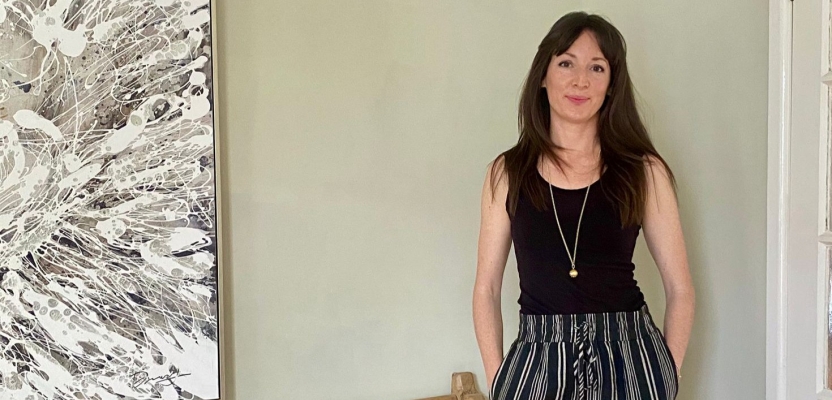

Kate Fryer’s journey from South Africa to Bristol is one shaped by passion, precision, and a deep respect for the spaces we inhabit. With a four-year interior design degree and over a decade of experience spanning residential, retail, and hospitality sectors, she has honed a refined, architecture-led approach that balances elegance with restraint. After years of working in London and abroad, she returned to her true passion, residential design and established Khaya Studio, where every project begins with a thoughtful understanding of place and purpose.
Drawing inspiration from her South African roots and a global career, Kate believes in design that tells a story, one that honours craftsmanship, simplicity, and human connection. Whether preserving original architectural features or sourcing timeless pieces, her work is rooted in a philosophy that less is more, and beauty lies in the considered details. In this interview, she shares insights into her design ethos, creative influences, and hopes for a more sustainable, intentional future in interior design.
How did you first get into the industry?
I studied Interior Design in South Africa, completing a four-year degree before moving to London. My first role was with a residential interior design firm in Surrey, where I gained invaluable hands-on experience. After five years there, I transitioned into retail and hospitality design, working on a wide variety of projects over the next decade. That experience taught me so much about how people interact with spaces on both a personal and public level. Eventually, I felt a pull back to residential interiors, where I could work more closely with clients to shape the way they live within their homes.
Where are you based now and who do you work for?
I’m now based in Bristol and focus primarily on residential projects - though I still welcome opportunities within retail and hospitality when the right project comes along. I run my own studio, which allows me the freedom to take on work that truly resonates with me and my clients.
What is your personal background and what role did it play in your career?
I grew up in South Africa, and I think that’s had a lasting influence on my creative outlook. There’s a wonderfully rich and vibrant design culture in South Africa - a spirit of resourcefulness and bold creativity that I’ve always admired. I love going back to visit family and soaking up the colour, texture and ingenuity you find everywhere there. It constantly reminds me that good design doesn’t have to be overcomplicated to be meaningful.
How would you describe your style?
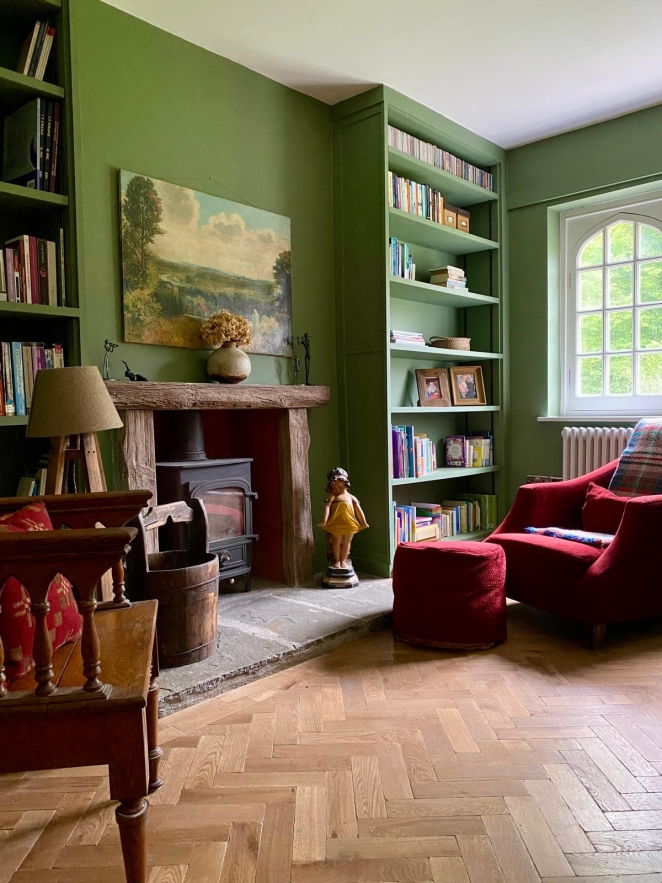
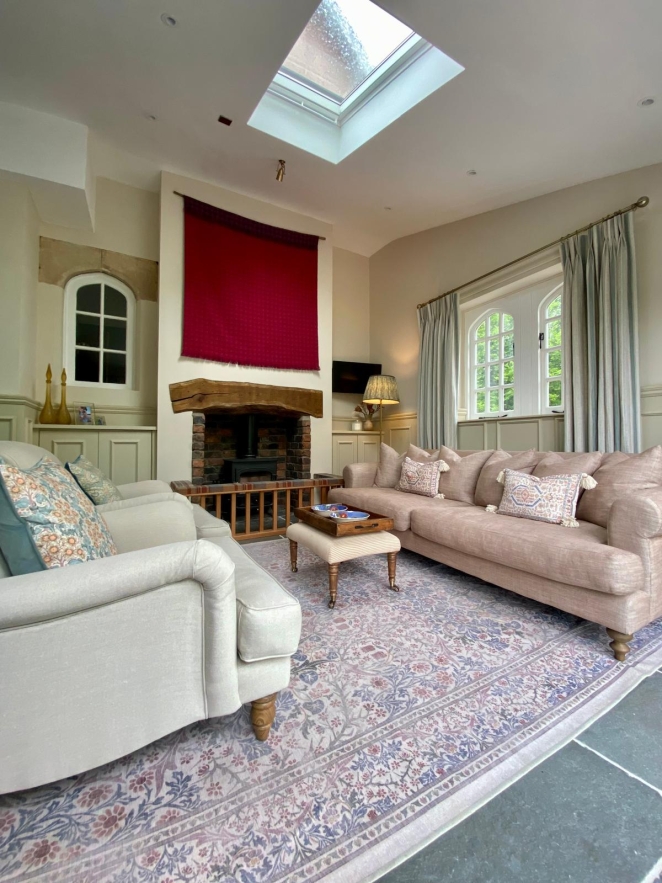
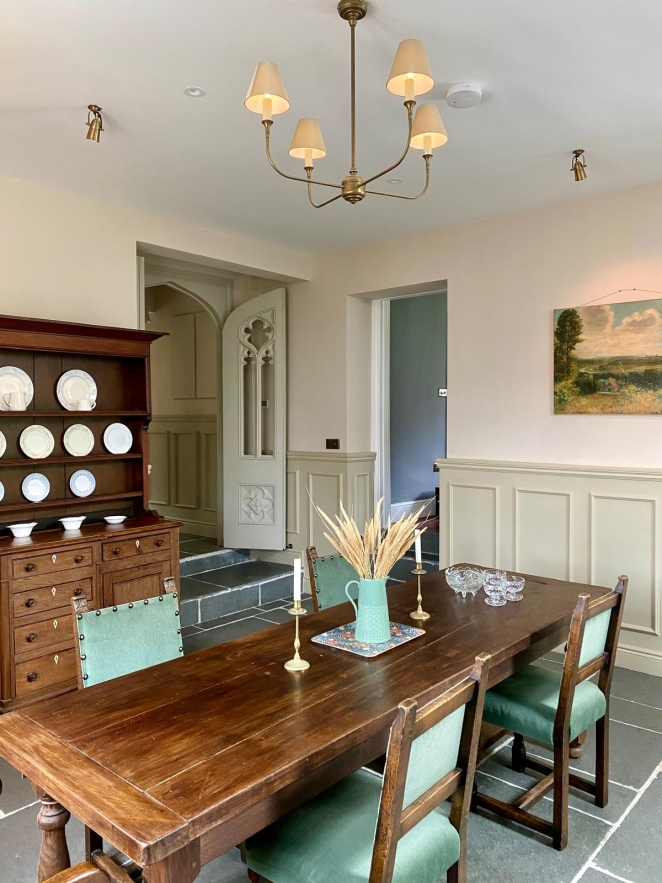
I’d describe my style as elegant, refined, and considered. It’s quite pared-back, I’m a big believer that less is often more. My work is very much led by the architecture; I like to preserve and celebrate a building’s original features and always begin by making sense of what’s already there before adding anything new. The aim is to create spaces that feel effortlessly layered, timeless and quietly beautiful.
Which individuals do you gain inspiration from? Do you have any heroes in the industry?
I’ve long admired the Sydney-based design studio Arent & Pyke. I lived in Sydney for a year and became completely enamoured with their work - it’s fresh, joyful and sophisticated all at once. I also find inspiration from a broad mix of designers, stylists and makers; often it’s not the most famous names, but those working quietly and beautifully in their own niche.
What’s your secret to staying inspired and motivated?
Travel, definitely - but also everyday life. I’m endlessly fascinated by how people live and interact with their homes. Watching those subtle rituals and personal habits can be just as inspiring as visiting a grand gallery or a far-flung destination. It’s those small, human details that make a house a home, and I’m always seeking ways to reflect that in my work.
As someone with experience in the industry, what trends do you foresee shaping the future of creativity?
I really hope to see a continued shift away from fast consumerism in interiors. There’s so much value in appreciating craftsmanship, sourcing vintage and antique pieces, and designing spaces that evolve slowly rather than chasing trends. Many of the things being mass-produced today simply won’t last in the way that well-made, timeless pieces do - and too much of it sadly ends up in landfill. I believe the future of interiors lies in thoughtful, sustainable choices and a deeper connection to the objects we surround ourselves with.
What do you think sets apart truly exceptional creatives from the rest of the pack?
Passion and work ethic, without a doubt. Natural talent is wonderful, but it’s the people who remain curious, committed, and genuinely passionate about their craft that really stand out. Creativity isn’t something that happens in a moment of inspiration alone — it’s nurtured through consistent, thoughtful work over time.