


In a groundbreaking collaboration, Bond & Coyne has joined forces with the British Film Institute (BFI) to launch WorkWise for Screen, a pioneering £1.5 million pilot programme designed to reshape the culture of the UK’s screen industry. Funded by the BFI National Lottery, this innovative initiative tackles critical challenges highlighted by the BFI Skills Review and the DCMS Good Work Review, including poor working conditions, mental health struggles, and work-life balance issues.
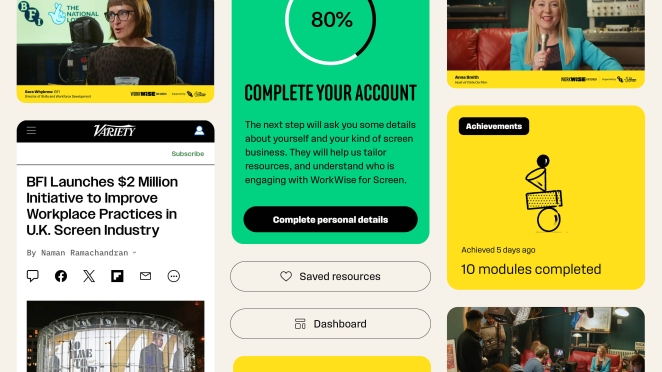
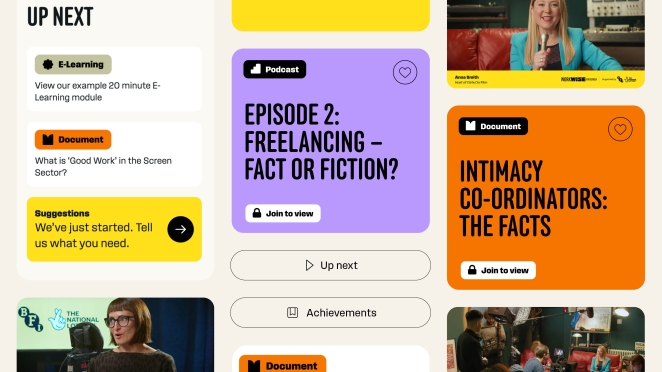
At the heart of WorkWise for Screen is a user-first online platform offering practical tools—e-learning modules, legal templates, peer-to-peer networks, and more—to champion equality, dignity, and respect across production, animation, VFX, and beyond. Bond & Coyne’s creative vision has brought this transformative project to life, blending community-driven resources with a bold design that redefines how the industry addresses fairness and wellbeing.
To delve deeper into the vision and impact of WorkWise for Screen, I spoke with Mike Bond, co-founder of Bond & Coyne, to explore the creative process behind this ambitious project. In this interview, Bond reveals how his team transformed complex industry challenges into an accessible, engaging platform that fosters collaboration and inclusivity.
From crafting a brand and website tailored to the unique needs of screen professionals to collaborating with diverse industry voices, Bond discusses how WorkWise for Screen is setting new standards for fairness, wellbeing, and innovation in the sector. Read on to discover the story behind this transformative initiative and the vision driving its success.
Vision and impact
How did Bond & Coyne approach the creative vision for WorkWise for Screen, and what were the main goals behind this initiative?
We were brought onboard by professional services firm Counterculture to launch an innovative online platform and brand for the British Film Institute’s (BFI) new WorkWise for Screen initiative. Grant funded by the BFI National Lottery, this £1.5 million programme aims to tackle long-standing workforce challenges in the screen industry, focusing on fair working practices, wellbeing and inclusivity.
Bond & Coyne aimed to create a positive intervention in the screen industry, focusing on fairness, wellbeing, happiness and success. Their goal was to transform what could be a ‘dry, complex’ subject into something engaging, useful and community-driven, providing a platform that delivers content in accessible formats, such as podcasts and articles.
What challenges did you aim to address within the screen sector’s culture, and how does the WorkWise platform seek to champion a healthier, more inclusive environment?
The platform seeks to address challenges in the screen sector like poor working conditions, mental health issues and work-life balance. WorkWise for Screen offers tools to improve work culture, promote fair practices and provide resources such as legal templates, HR guidance and e-learning modules to support a healthier and more inclusive environment.
What role did the findings from the BFI Skills Review and the DCMS Good Work Review play in shaping WorkWise for Screen’s direction and offerings?
The findings from the BFI Skills Review and the DCMS Good Work Review highlighted significant challenges such as poor working conditions and mental health issues in the sector. These insights shaped WorkWise for Screen’s direction, leading to the creation of a platform that offers resources to improve work culture, retention and fair contracting practices, especially for freelancers and independent producers.
How does the platform support the broader goals of the BFI’s Screen Culture 2033 strategy and what outcomes do you hope to see?
WorkWise for Screen aligns with the BFI’s Screen Culture 2033 strategy by promoting a more skilled, diverse and representative workforce in the UK screen sector. The platform aims to help improve working conditions, support mental wellbeing and create fairer contracting practices, ultimately contributing to a more inclusive and sustainable industry.
Collaborative approach
Could you share more about the collaborative process that brought diverse industry voices together for this project?
The development of the platform involved collaboration across multiple sectors, including legal experts (Counterculture), content creators, psychologists, industry professionals (BFI) and educational establishments (Edinburgh Napier University). This collective approach ensured the platform met various needs and perspectives, creating a comprehensive resource that evolves based on community input.
What are some unique contributions made by industry and legal experts in developing a platform that truly meets user needs?
Industry and legal experts contributed by ensuring that the platform provides practical tools, such as legal templates and HR guidance, that help users navigate complex issues like employment rights and fair contracting. Their input also ensured that the platform could comply with the upcoming Employment Rights Bill and address the specific needs of freelancers and SMEs.
How did Bond & Coyne’s own employee-owned model influence your approach to building a community-focused platform?
Bond & Coyne’s employee-owned model influenced the development of WorkWise for Screen by emphasising collaboration and community involvement. This model aligns with the platform’s ethos of fostering a collective, user-driven space where feedback and input from the community are central to its growth and improvement.
Brand and design strategy
How did you ensure that WorkWise’s branding and website design resonated with users across different screen sectors like animation, VFX and production?
The platform was designed to be very much user-first – accessible, inclusive and visually appealing, ensuring it resonates with people from diverse sectors. Creating tasks that take no longer than 20 minutes to complete and are accessible to consumers at their convenience was essential. The focus was entirely on what worked best for them – not the site or the designer. The website’s design focused on creating an intuitive, people-first experience and features like customisable profiles and interactive elements were tailored to cater to different needs across the industry.
Can you explain the importance of the ‘people-first experience’ in your design approach and what steps were taken to make the platform feel approachable and engaging?
The people-first experience is all about creating a platform that feels human-centred and engaging. This was achieved by crafting a design that fosters a sense of community and collaboration. The platform allows users to personalise their experience, interact with others and feel heard, contributing to an approachable and engaging user experience. The response from the sector has been overwhelming, with people clamouring to contribute. It was much-needed, it seems! Everything we do at Bond & Coyne is human-centric - it’s at the core of who we are.
What led to the choice of illustrations that ‘playfully acknowledge truths’ about the creative environment? How do they contribute to the user experience?
The illustrations were designed to acknowledge the truths and challenges of working in a creative environment in a playful and light-hearted manner. These illustrations contribute to the user experience by adding visual appeal and relatability, helping users feel more connected to the platform and its content. They give the whole project an approachable look and feel – which is imperative. Law, for example, isn’t regarded as a particularly accessible field, so illustrations were used to put people at ease.
Platform features and functionality
How do the interactive elements, like peer-to-peer networks and discussion forums, enhance the user experience and promote community engagement on the platform?
The interactive elements enhance the user experience by fostering collaboration, sharing knowledge and creating a sense of community. These features allow users to connect, ask questions, share insights and contribute to the platform’s ongoing development, making it a dynamic and evolving resource. We want people to take ownership of this platform and we look forward to watching it grow and grow as that continues to happen.
With such a variety of resources available, how did you prioritise features like e-learning modules, legal templates and HR guidance to meet the needs of freelancers and independent producers?
The prioritisation of features was based on the needs of freelancers and independent producers who face complex issues like contract management and legal compliance. These resources were designed to be easily accessible and practical, providing immediate value to users and addressing some of the key challenges they face in the industry.
Challenges and growth
What were some of the biggest challenges in balancing input from a range of contributors while keeping the platform scalable and flexible for future growth?
One of the main challenges was balancing input from diverse contributors, such as legal experts, content creators and psychologists, while ensuring the platform remained focused and scalable. We had to carefully manage this input to avoid over-complicating the platform, while ensuring that it could adapt to future needs and grow in a flexible way. It was a complex project but we’ve created something that deals with myriad issues in a deceptively simple way.
How do you see WorkWise for Screen evolving over time, and what new content or features might be introduced based on user feedback?
WorkWise for Screen is expected to evolve based on user feedback and input, with new content types like podcasts and personalised feeds being introduced. Future updates will focus on improving user journeys, expanding content and offering targeted notifications to ensure that the platform remains relevant and useful to its community. Our relationship with the BFI, Counterculture and other stakeholders will be ongoing to ensure this happens effectively.
Reflecting on success and future goals
Reflecting on the project’s launch, what feedback have you received from the industry and what metrics will define success for WorkWise for Screen in the coming years?
The launch of the platform received enthusiastic feedback, with significant interest and engagement from the industry. We’re also continuing our collaboration with Edinburgh Napier University to define clearer KPIs to develop and improve the platform. Success in the coming years will be defined by continued user engagement, growth in content contributions and the platform’s ability to meet the evolving needs of the screen sector, with key metrics including platform usage, community involvement and the impact on improving working conditions in the industry.