

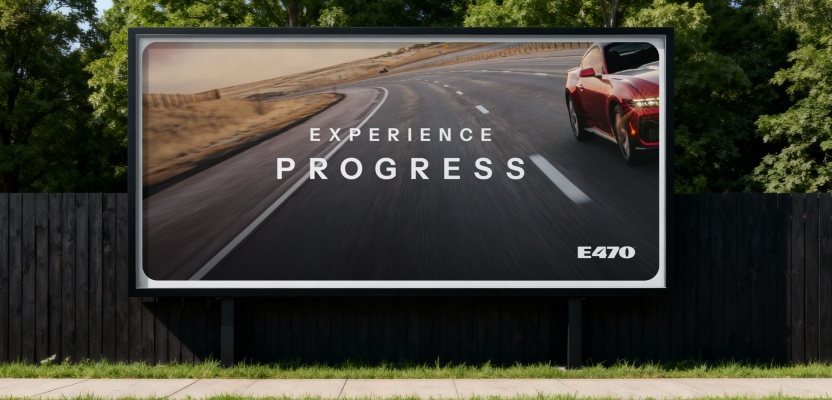

Most infrastructure brands are built to function, not to be felt. But E470 challenged that assumption head-on, partnering with Standard Practice to transform a toll road into something far more engaging: a brand that people could actually connect with. By leaning into cultural cues from automotive advertising and subverting expectations, the campaign reframes the road not as a utility, but as an experience rooted in freedom, movement, and emotion.
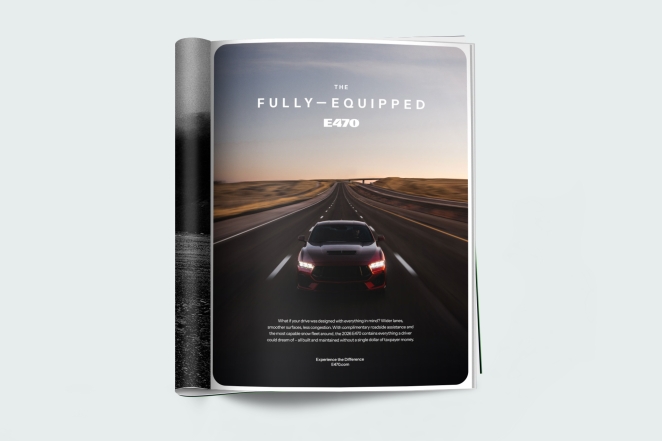
At the heart of the idea is a clever misdirect. Instead of asking audiences to reconsider something they’ve already formed opinions about, the work earns attention first through cinematic storytelling and familiar visual language before revealing its true subject. The result is a campaign that doesn’t just shift perception, but humanises an often misunderstood piece of civic infrastructure, proving that even the most “unseen” categories can create meaningful brand affinity.
What was the brief?
 Turn civic infrastructure into a brand people love.
How did the initial pitch/brainstorming phase go?
E470 actually came to us wanting to show up differently. They weren’t waiting to be convinced. They have been there with us from the very beginning to make work that helps change the way people see the brand. They’ve been not only open-minded to ideas like this, but actively looking for it. That kind of client trust and ambition is rare, and it's what allowed the work to go somewhere interesting.
What was the process behind ideating the concept?
Early in our discovery process, it became clear that there was a huge barrier to get the public meaningfully engaged with something like infrastructure. There are deeply ingrained misconceptions surrounding the tollroad, and for some people, outright hating it. By leading with a misdirect (and in a category they’re entirely familiar with) we believe we can create a route to actual openness. Instead of asking people to engage with something they have already decided how to feel about, we entertain them. Earn their curiosity and attention, and start to get them to learn more about us.
What was the production process like?
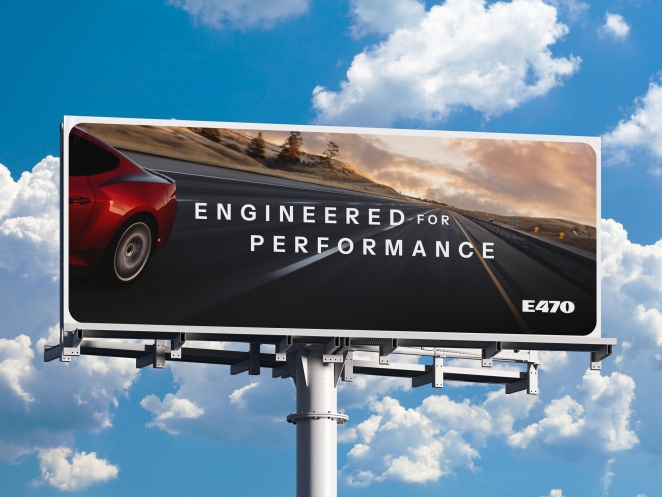 It was really important to us that we find production partners who were fluent in really good automotive advertising. James Winegar and Jordan Pay frequently shoot with the big auto and moto brands, so their style and expertise naturally made it feel familiar. But the magic happened in the creative decision to crop out the car and started focusing the camera down toward the pavement. You get all that cinematic weight usually reserved for the car transferred to the road.
What was the biggest challenge during production? How did you overcome it?
We needed to capture a lot of slow rolls, the hero car traveling between 30-55mph on a highway with a posted speed limit or 75mph. To do this safely, we needed to temporarily shut down parts of the road for 5-10 minutes intervals for each pass. Luckily, we know the people who run the road. It was a Herculean task, a highly complex logistical undertaking that the E470 team made look easy. They coordinated with roadside assistance, the sheriff’s office, production, everyone, managing a significant amount of moving parts and precise timing. And they made it appear effortless.
What kit/tools/software were used to create the project?
James Winegar and Jordan Pay have worked together for a long time. They had a rigged up Ford Raptor with all sorts of gear capable of capturing sweeping, cinematic road footage that rivals top-tier productions.
Their ingenuity allowed us to achieve a markedly higher production value without the corresponding cost. It’s a testament to both their creativity and their collaboration. They elevated the entire project.
Praise be to these fellows.
What is one funny or notable thing that happened during production?
 We were also working on Red Bull at the time of this production. So the amount of Red Bull that was consumed was both funny and concerning.
Can you describe the creative spark or inspiration behind the initial concept? Was there a specific moment or insight that ignited the idea?
Every brand has something remarkable to talk about. A utility, or in this case, a tollroad, is no exception. The Open Road is deeply ingrained in American culture, but our relationship with it has always been about what’s happening on top of it. Cars, movement, momentum. E470 has a huge part to play in making all that happen, it just never got credit for it.
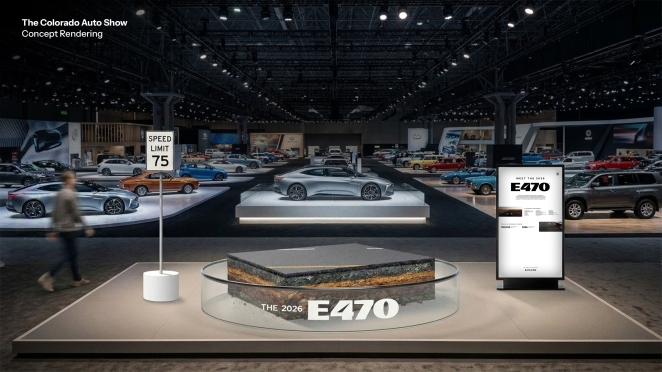
Then pair that with the fact that no one expects a road to advertise itself. Something wonderfully weird happens when E470 shows up as a brand at all, whether that’s in commercials, social media, or car shows. It disarms people. It catches their attention because roads don’t show up this way. Category defiance alone is enough to stop someone, because nothing has conditioned them to expect it. So the work was really about surfacing the truths behind E470. The feeling of an open road, of going places, of an ultimate driving experience. Once we linked up with those insights, we realized we have the thing people already want, and E470 just happens to deliver it.
How did you ensure that the concept aligned with the brand's values, goals, and target audience?
Early in our discovery process, it became clear that there was a huge barrier to get the public meaningfully engaged with something like infrastructure. There are deeply ingrained misconceptions surrounding the tollroad, and for some people, outright hating it. By leading with a misdirect (and in a category they’re entirely familiar with) we believe we can create a route to actual openness. Instead of asking people to engage with something they already decided how to feel about, we entertain them. Earn their curiosity and attention, and start to get them to learn more about us.
Can you discuss any unique or unconventional production techniques or approaches used to bring the idea to life?
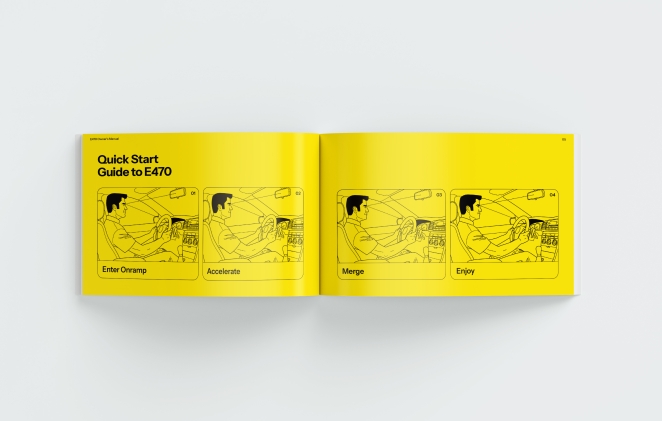 It was really important to us that we find production partners who were fluent in really good automotive advertising. James Winegar and Jordan Pay frequently shoot with the big auto and moto brands, so their style and expertise naturally made it feel familiar. But the magic happened in the creative decision to crop out the car and started focusing the camera down toward the pavement. You get all that cinematic weight usually reserved for the car transferred to the road.
How did you ensure that the concept remained innovative and stood out in a crowded marketplace?
No matter the industry vertical, category, or whether it’s a B2C or B2B brand, there’s a human being on the other end of the communication. And humans respond to the same things: humor, surprise, beauty, inspiration. The mistake “uncool” categories make is assuming their audience wants to be spoken to differently. They don't. They want to be entertained and moved, just like everyone else. Creating work like this isn't a gimmick, it's just good communication. The best way a brand can show up. Any brand can be cool, interesting, and thought-provoking. You just have to do the work to make it so.
What do you hope it achieves for the brand?
Changing the notion that E470 isn’t a soulless corporate entity extracting value from the community it runs through. That widespread perception is patently false. In fact, E470 is entirely self-funded, meaning every dollar goes back into the road and the communities it serves. And more than that, E470 has genuine soul. It’s run by incredible human beings who not only care deeply about the driving experience, but who are also neighbors, people who live in the same communities the tollway serves.
All the work we’ve done to date is aimed at making that humanity and perception visible. So for the campaign, that entertaining misdirect is more than just a creative device. It’s proof of humanity. You have to be human and understand humans for that kind of work to work.
Credit list for the work?
Client: E470
Client Team: Joe Donahue, Anjie Vescera, Nick Badraun, Tricia Trijillo, Shelby Costello, Emily Young
Strategy: Dave Schiff
Creative Directors: Matt Alexander, Myles Rigg
Account Lead: Renae Newman
Producer: Andrew Campbell
DP/Edit: James Winegar
Photography: Jordan Pay
Sound: Coupe Studios