

In the world of high-end advertising, where every detail must align seamlessly with a brand’s vision, creative retouching plays a critical yet often understated role. Paul Hill, a London-based freelance creative retoucher, has built his career refining images for global campaigns across sports, automotive, fashion and commercial sectors, ensuring that the final visual feels effortless, believable and visually powerful.
With roots in traditional artwork and production, Paul combines technical discipline with creative judgement, approaching retouching as both a craft and a collaborative process. In this interview, he shares insights into his journey from artworker to specialist retoucher, the evolving influence of AI, and why professionalism and precision remain the foundations of long-term success in the creative industries.
How did you first get into the industry?
 I originally started as an artworker in a London advertising agency, where I was surrounded by campaign production every day. Over time I became increasingly drawn to the image-making side of the process, particularly retouching and compositing, and gradually moved into that role full-time. That shift ultimately shaped the direction of my career.
Where are you based now and who do you work for?
I’m based in the UK (London area) and work freelance, collaborating with advertising agencies, production teams and photographers across sports, automotive, fashion and commercial campaigns for global brands.
What is your personal background and what role did it play in your career?
Coming from a traditional artwork and production background gave me a strong technical foundation - understanding colour, layout, print and finishing processes. That grounding still influences how I approach retouching today, particularly when working on complex, large-scale advertising campaigns.
If you weren’t in your current industry, what would you be doing?
 Most likely something still rooted in visual production — photography, illustration or creative direction. I’ve always been drawn to visual storytelling in one form or another.
Can you explain your creative process? What makes it unique?
My process always begins with understanding the concept and the role the image needs to play within the campaign. From there, I focus on building the image carefully and non-destructively so it can evolve throughout production. I see retouching as both a technical and creative discipline — the goal isn’t to show the retouching, it’s to make the idea feel effortless and believable.
How would you describe your style?
Clean, natural and detail-focused. Whether I’m working on sports imagery, automotive work or luxury campaigns, the aim is always to enhance the image while keeping it believable and visually strong.
Which individuals do you gain inspiration from? Do you have any heroes in the industry?
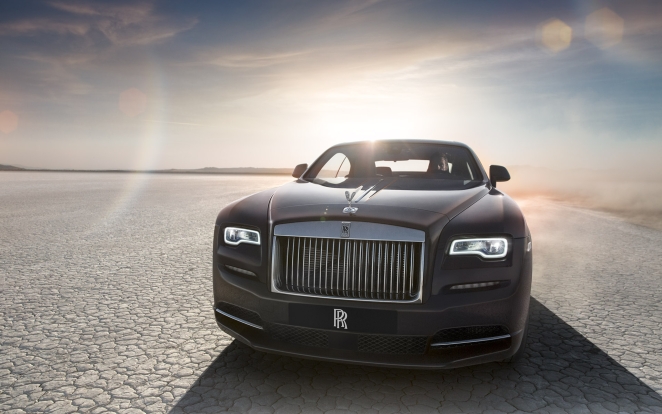 I take inspiration from a wide range of photographers, art directors and retouchers who consistently push visual standards forward. Advertising is very collaborative, so I’m often inspired by the collective work of creative teams rather than one single individual.
What tips would you give to aspiring creatives looking for work?
Focus on building a clear, specialised portfolio rather than trying to show everything. Reliability, professionalism and consistency are just as important as creative ability when building a long-term career.
What tips would you give to other professionals to get more clients?
Focus on developing a clear specialism and a portfolio that reflects it. It’s better to be known for doing one thing exceptionally well than to present a broad but unfocused body of work.
Can you share a memorable experience from your career journey that shaped your approach to creativity?
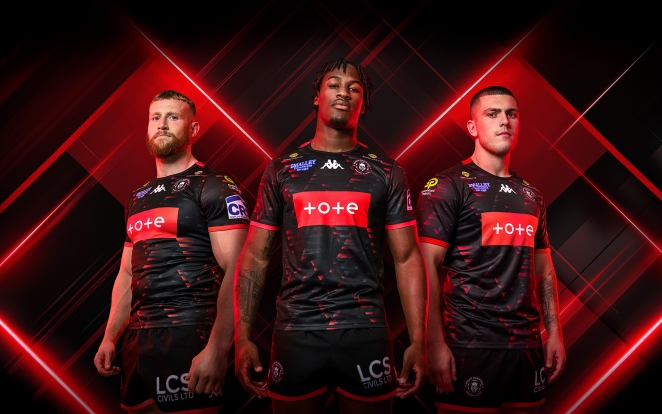 Working on major international campaigns early in my career showed me how many different specialists contribute to a final image. It reinforced the importance of teamwork, communication and production discipline - lessons that still guide how I work today.
What kind of tools/kit/software could you not do without?
Photoshop remains the core tool, combined with colour-managed workflows, calibrated monitors and reliable production hardware to ensure consistency across every project.
What’s your secret to staying inspired and motivated?
Regularly studying photography, advertising campaigns and emerging visual trends helps keep my perspective fresh and encourages continuous refinement of my craft.
What’s the work achievement you’re most proud of?
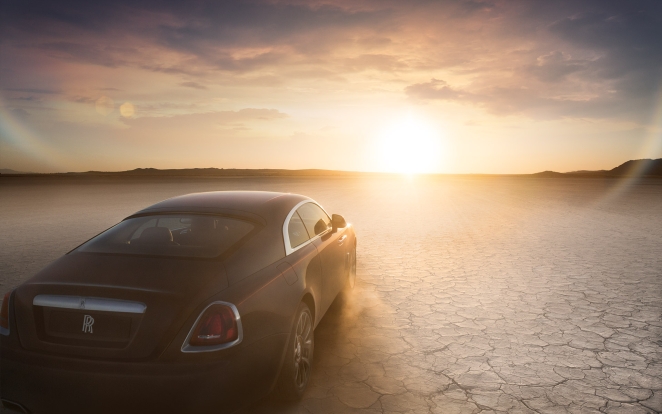 Building long-term working relationships with agencies, photographers and global brands is something I’m particularly proud of. Being trusted repeatedly to work on major campaigns is always rewarding.
As someone with experience in the industry, what trends do you foresee shaping the future of creativity?
AI-assisted tools will continue to accelerate production, but the real differentiator will still be creative judgement. Technology can speed up execution, but knowing what to refine, what to leave untouched, and how to support the original concept will remain a human skill.
What do you think sets apart truly exceptional creatives from the rest of the pack?
Exceptional creatives combine strong visual instincts with consistency and professionalism. Talent opens the door, but reliability, attention to detail and the ability to collaborate under pressure are what build long-term careers.
How do you think technology has influenced the creative industries and how have you adapted to these changes?
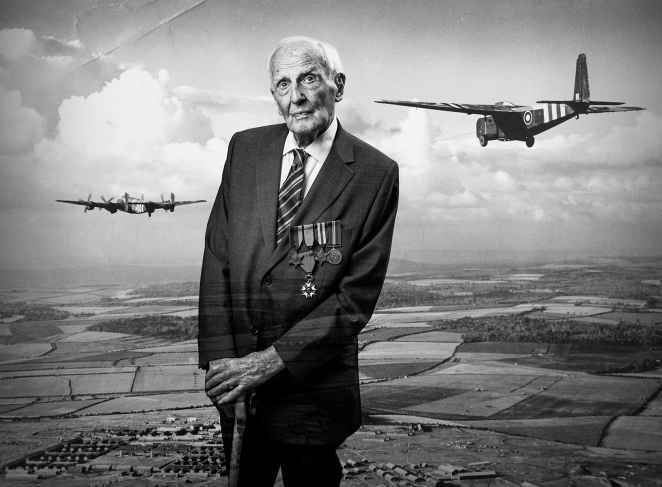 Technology has dramatically increased both speed and creative possibilities. Adapting means continuously learning new tools while maintaining the same level of craftsmanship and quality control.
What is the one thing that you would change about the industry?
I’d like to see more recognition of the collaborative teams behind campaign production, as many specialists contribute to the final work audiences see.
Any websites, books or resources you would recommend?
Industry award annuals, major photography publications and advertising archives are invaluable for staying current with visual standards and creative trends.