

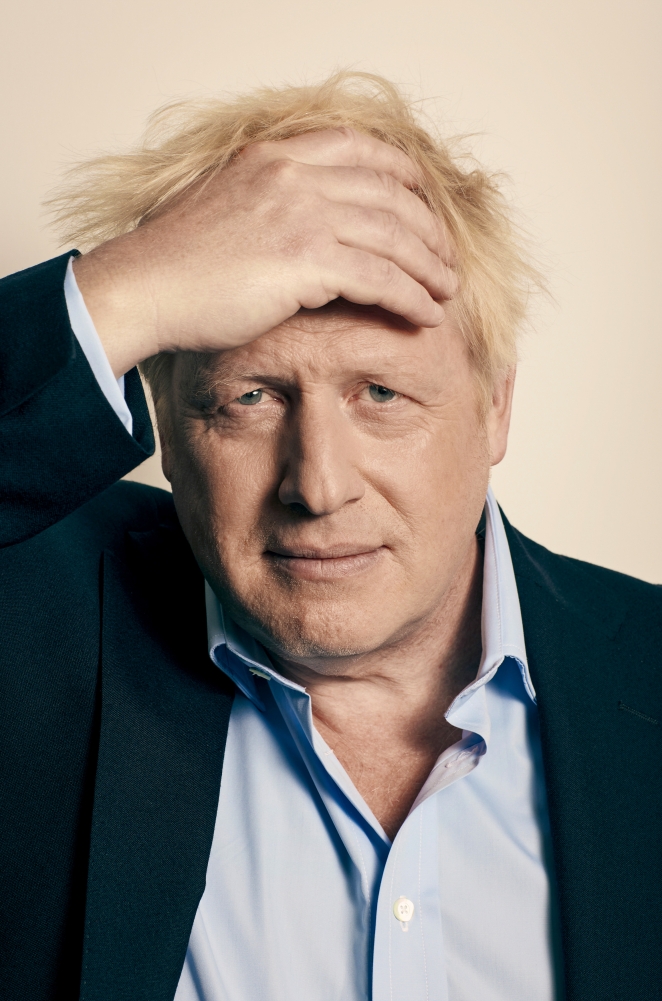
Portrait photography is as much about psychology as it is about technical precision, and few understand this balance better than Mark Harrison. With decades of experience spanning editorial, publishing, corporate, and television clients, Harrison has built a reputation for creating expressive, character-driven imagery that stands out in an increasingly saturated visual landscape. From early beginnings in a home darkroom to having his work acquired by the National Portrait Gallery, his journey reflects both adaptability and creative discipline.
In this interview, Harrison shares practical insights into his creative process, the importance of experimentation, and how photographers can stay relevant in a rapidly evolving industry shaped by AI and shifting client demands. He also discusses the realities of building a sustainable photography career today, offering advice for both emerging and established creatives looking to refine their craft and attract more clients.
How did you first get into the industry?
 After a Foundation Course and then an Art School Degree, I assisted a few photographers as much to learn about their workflow as well as their skills. A photo magazine approached me following my degree show, to do a feature on my work. I used this exposure to gain me further editorial clients.
Where are you based now and who do you work for?
I live on the edge of London (in Kent). My clients are a mix of editorial (still!), book publishers, corporate commissioners and TV production companies-from Spotify to DK Books, to Saga.
What is your personal background and what role did it play in your career?
I grew up in suburbia in Surrey, benefitting from my father’s small darkroom which I took over as a teenager. I used to shoot local actors’ promo pics to earn the odd crust whilst building a portfolio to start my career.
If you weren’t in your current industry, what would you be doing?
 The only other thing I considered was video camera work, but I wanted to control the imagery. At the time the jobs were mainly studio based and more technical than creative.
Can you explain your creative process? What makes it unique?
My job is 50% planning a 50% psychology. I imagine the end result at an early stage of the process. My job is to engage with the sitter and see if they can ‘behave’ within the environment I create for them. Sometimes they respond instinctively and sometimes it takes strong direction. I’m not sure I provide anything unique, but I have the ability to provide a range of different imagery in any location, in a short time.
How would you describe your style?
Lighting out of shadow with imagery that shows some spirit or expression.
Which individuals do you gain inspiration from? Do you have any heroes in the industry?
I look to both painters (Freud/Bacon) and photographers (Nadav Kandar/Jack Davison) to encourage a more experimental streak (where allowed). Video directors such as Walter Sten and Chris Cunningham along with the photographers Platon and Norman Jean Roy are often on my mood boards, mainly for their grading or approach.
What tips would you give to aspiring creatives looking for work?
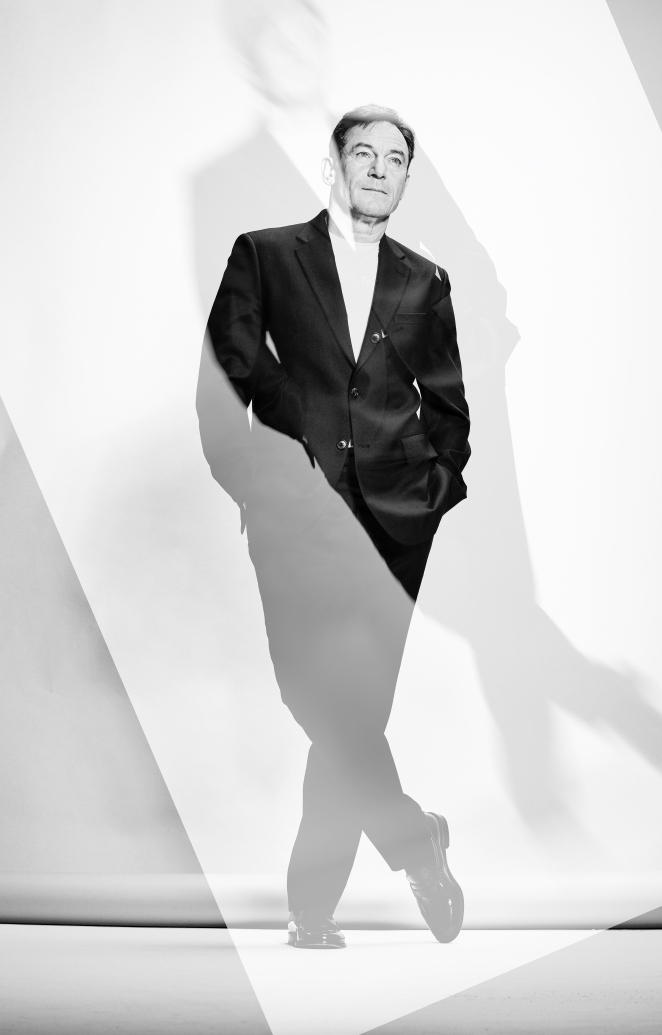 Be single minded and use your library for inspiration rather than contemporary sources, as it’s impossible to keep up with the ever-changing trends. Also, look outside of your usual default source material. Chinese work is worth a look especially as it is yet to have a high profile.
What tips would you give to other professionals to get more clients?
Post Covid, the traditional approaches seem less relevant. Look towards Linkedin for contacts and also entering competitions for exposure, but unfortunately everyone thinks they are a ‘creative’ now..
Can you share a memorable experience from your career journey that shaped your approach to creativity?
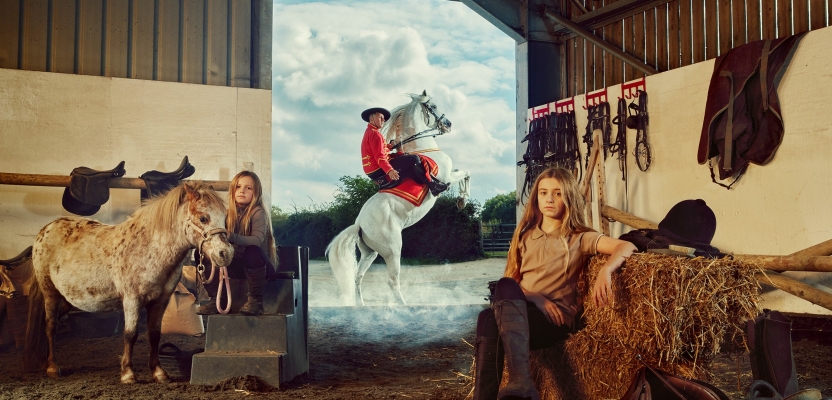
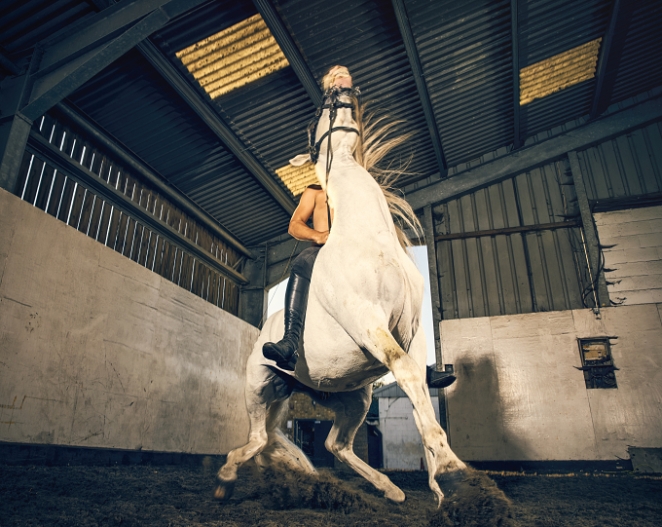
Every year I try and do a personal project that takes me out of my comfort zone. I commission myself to photograph a scenario that I’ve not tried before. I use lighting tools and lenses that are new to me. My last two (Gilbert & George) and The Equestrian Dream Project, both were shortlisted for various prizes including the Sony World Photography awards and the Taylor Wessing.
My former Agent suggested this approach, and it has given me new tools to apply to creative situations where the temptation is to run with a familiar default stance.
If I have a new idea on a shoot now, I always insist on trying it out once the job is done. I have to keep experimenting and learning in order to remain relevant.
What kind of tools/kit/software could you not do without?
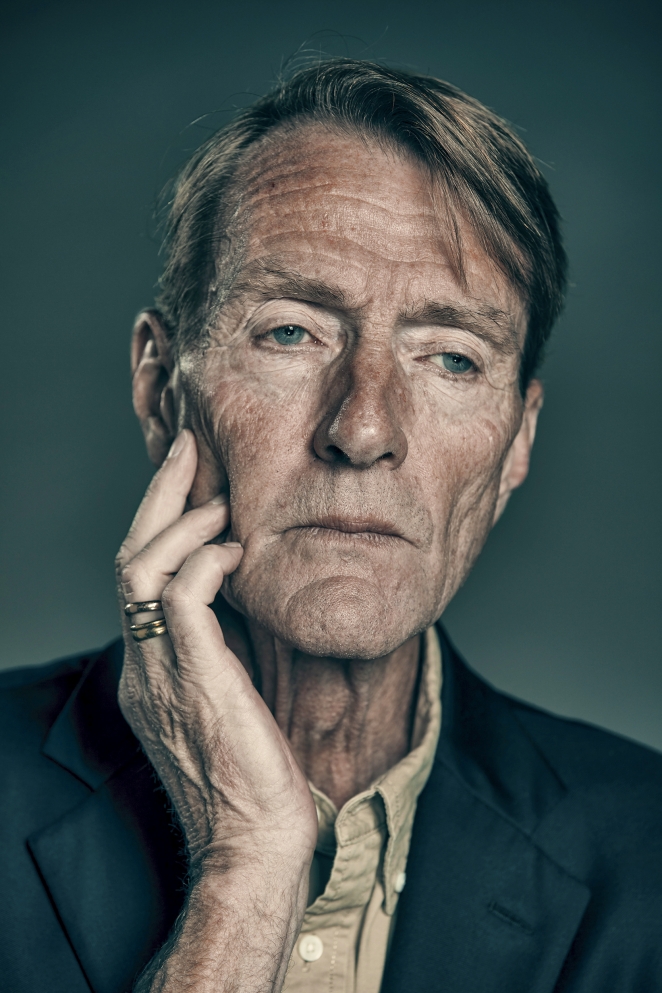 Having been photographing since the days of colour transparency film, as long as I have a camera and a light meter, I can make it work. Day to day, I rely on Capture One software and Profoto flash lighting, but it it all failed, I’d pop off to the lighting department at B&Q..
What’s your secret to staying inspired and motivated?
Being competitive, I set myself annual goals to meet. This year it is to try and publish a book. The inspiration and motivation to keep going comes from my ability to still be in the photography game for decades, presuming that I can’t do anything else. When you are backed into a corner, you come out fighting.
What’s the work achievement you’re most proud of?
Having the National Portrait Gallery in London buy several of my images and then standing in the room as the public took a peek, was my dream come true. Also, winning Portrait Photographer of the Year in 2025 was lovely- I finally get a trophy that sits in the smallest room, should you care to visit.
As someone with experience in the industry, what trends do you foresee shaping the future of creativity?
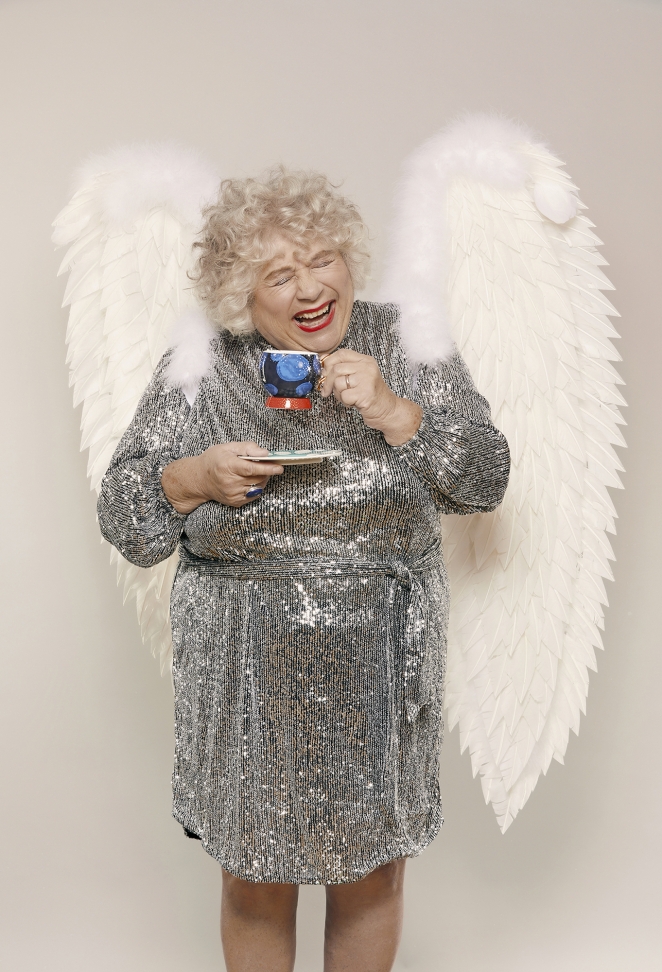 Although I don’t want to join the AI creatives’ gloom fest, I can see the fees for creatives falling as the number of us increases, whilst the number of commissions falls. I hope to see photography and video moving ever closer together. We are almost at the point where I could shoot most jobs as short videos to pick a still from.
I think that we will all be required more often to learn skills that were previously outsourced to specialists. To multi skill is to survive as budgets shrink.
What do you think sets apart truly exceptional creatives from the rest of the pack?
Never resting on their laurels and constantly reinventing themselves. All of the survivors are distinctive and restless. They create work that you can spot from a distance. They almost become a brand themselves.
How do you think technology has influenced the creative industries and how have you adapted to these changes?
Adapting to the latest available possibilities is crucial, but it’s amazing how inspiring historical solutions to creative brick walls can be. An idea will always win over a technique, I think. The egalitarianism of new tech means it’s harder to be distinctive as we all constantly share new work.
I can generally tell the decade that creative works come from, but then you look at a Man Ray solarization, and it has become timeless.
What is the one thing that you would change about the industry?
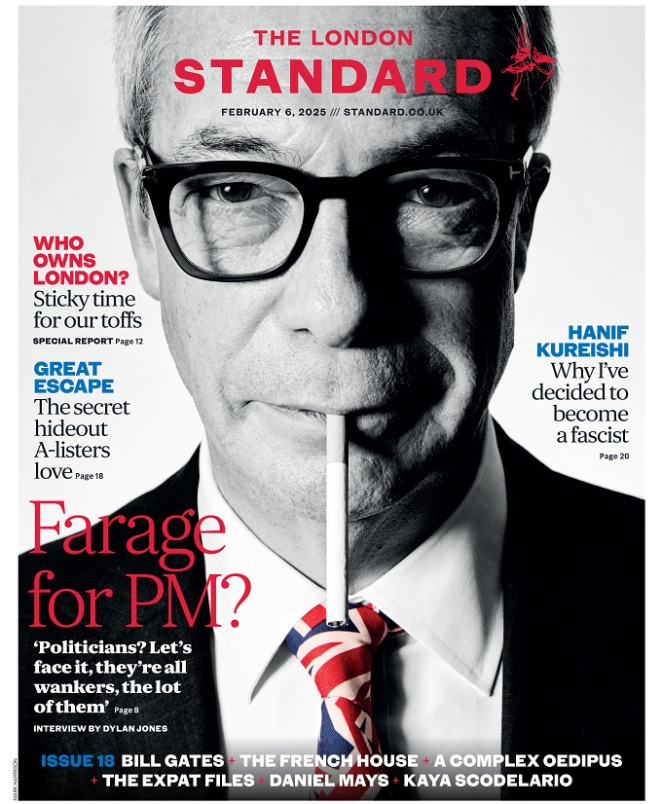 Build implicit ownership of copyright into law for ever. The threat of the US software giants is eating away at the one thing the UK is particularly good at.
Any websites, books or resources you would recommend?
I’m looking forward to receiving my newly ordered Jack Davison book ‘Portraits’ when it arrives.
The Cover Junkie website is always good for graphic ideas, and I’ve started sourcing inspiration via Compositionally Inclined , which is a weekly newsletter.
Looking at Craig Fleming photographer’s work always makes me want to return to film (if I could afford it!)