
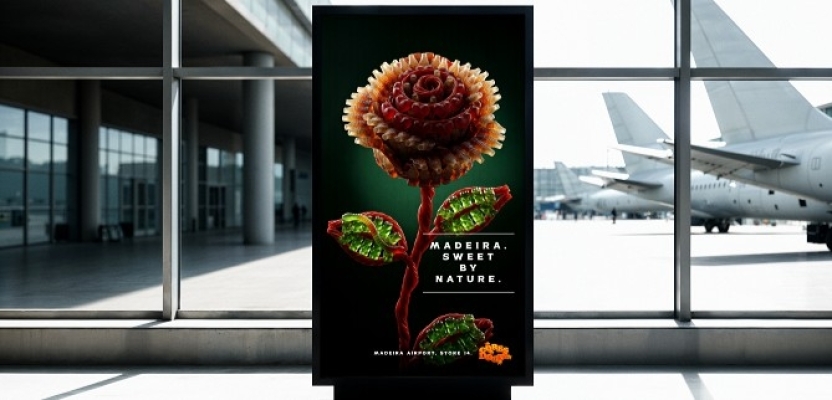

In an industry increasingly shaped by speed and technology, Paulo Oliveira stands at the intersection of craft and innovation. As an Interdisciplinary Creative Director and AI Specialist based between Düsseldorf and Lisbon, he brings a concept-first approach to everything he creates, where strong ideas take precedence, and tools like AI simply amplify the execution. From his early days at Leo Burnett to his current role at Lakehouse Creative Studio, Paulo has consistently focused on work that is both strategically grounded and visually precise.
Blending influences from architecture, cinema, and everyday life, his perspective goes beyond traditional advertising. Whether experimenting with typography, exploring new visual directions through AI, or shaping campaigns that resonate across cultures, Paulo’s process is driven by curiosity and clarity. In this conversation, he shares insights on creativity, the evolving role of technology, and what it really takes to stand out in a fast-changing creative landscape.
How did you first get into the industry?
 I was always the kid drawing, building things, and obsessing over how images communicate ideas. After studying Communication Design, I started my career at Leo Burnett. That’s where I learned how creativity moves from personal expression to something that can shape brands and culture.
Where are you based now and who do you work for?
I’m based in Düsseldorf, Germany, although I often work from Lisbon as well. I’m a Creative Director at Lakehouse Creative Studio, where I develop brand, campaign and visual concepts across different disciplines.
What is your personal background and what role did it play in your career?
I studied Communication Design, which basically means I spent a lot of time obsessing over type. Not just how it looks, but how it behaves. A word can whisper, shout, seduce or provoke depending on how you place it. That curiosity stuck with me. Early in my career I realised that great ads are often just very simple ideas dressed in the right words and visuals. Typography became my way of shaping those ideas.
If you weren’t in your current industry, what would you be doing?
 Probably something that still involves building things. As a kid, I was always drawing, constructing objects, inventing small worlds with whatever was around me. If it wasn’t design or advertising, it would likely be architecture, filmmaking or even something related to the sea. I’m a scuba diver, so the idea of exploring and documenting underwater worlds always fascinated me. But in the end creativity tends to find its way back. Advertising just happened to be the place where all those interests could live together.
Can you explain your creative process? What makes it unique?
My process usually starts with curiosity. I like to understand how a brand behaves before thinking about how it should look. Then I try to compress the idea into one simple sentence. If the idea works there, it usually works everywhere else. These days AI lets me explore much faster. I can test dozens of visual directions in a short time. But the principle stays the same: the idea comes first. Technology just helps push it further.
How would you describe your style?
Concept-driven and visually crafted. I always try to combine strong ideas with very precise execution. Sometimes it looks minimal, sometimes very detailed, but the intention is always the same: make the idea instantly clear and visually memorable. I also like work that has a small twist of humour or surprise. Something that makes people stop for a second
Which individuals do you gain inspiration from? Do you have any heroes in the industry?
 I’ve always admired agencies like Wieden+Kennedy, Droga5 and Mother. Their work shows that advertising can still be bold, intelligent and culturally sharp. Outside advertising, a lot of my inspiration comes from architecture, design and cinema. People like Tadao Ando, Herzog & de Meuron, Philippe Starck, Dieter Rams, or artists like M.C. Escher. Also European cinema, music, and everyday life. Most ideas usually start there.
What tips would you give to aspiring creatives looking for work?
Focus on ideas, not just aesthetics. Beautiful work is everywhere, but this industry runs on ideas that solve real problems. If you can show that you think strategically and creatively at the same time, you immediately stand out. And keep making personal work. That’s usually where the most interesting thinking happens. Live a little. Take thousands of photos. Collect things. Look at the world the way a child does. Stay curious. Ask questions. Especially the simple one: “Why?”
What tips would you give to other professionals to get more clients?
Share your work consistently. Many creatives do great work but keep it hidden. Platforms like Creativepool, Behance or LinkedIn are powerful if you use them regularly. Not only to show finished projects, but also to explain the thinking behind them. Clients are often looking for how you think, not just what you produce.
Can you share a memorable experience from your career journey that shaped your approach to creativity?
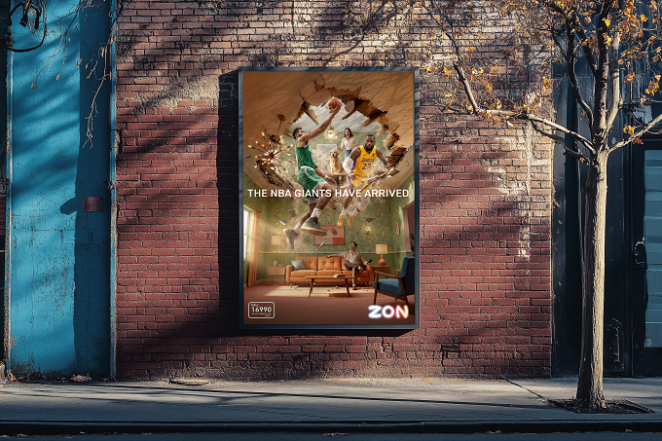 Moving from Lisbon to Germany was a turning point. Changing countries forces you to see creativity through a different cultural lens. You realise quickly that humour, aesthetics and even the way people communicate ideas can shift a lot depending on where you are. I had always worked with international clients, but living and creating in another country, language and culture is a completely different level. It made me more adaptable and much more curious about how ideas travel across borders.
What kind of tools/kit/software could you not do without?
Adobe Photoshop and Illustrator are still the backbone of my work. But today AI tools like Nano Banana, Firefly, ChatGPT or other generative platforms became an important part of my workflow. They allow me to prototype ideas at a speed that was impossible a few years ago. And of course, a sketchbook. Many ideas still start on paper.
What’s your secret to staying inspired and motivated?
I like to challenge myself and explore ideas that haven’t been done before. I get bored easily, which in a strange way is a good engine for creativity. It creates a kind of inner push, almost compulsive, that keeps me looking for the next idea to make.
What’s the work achievement you’re most proud of?
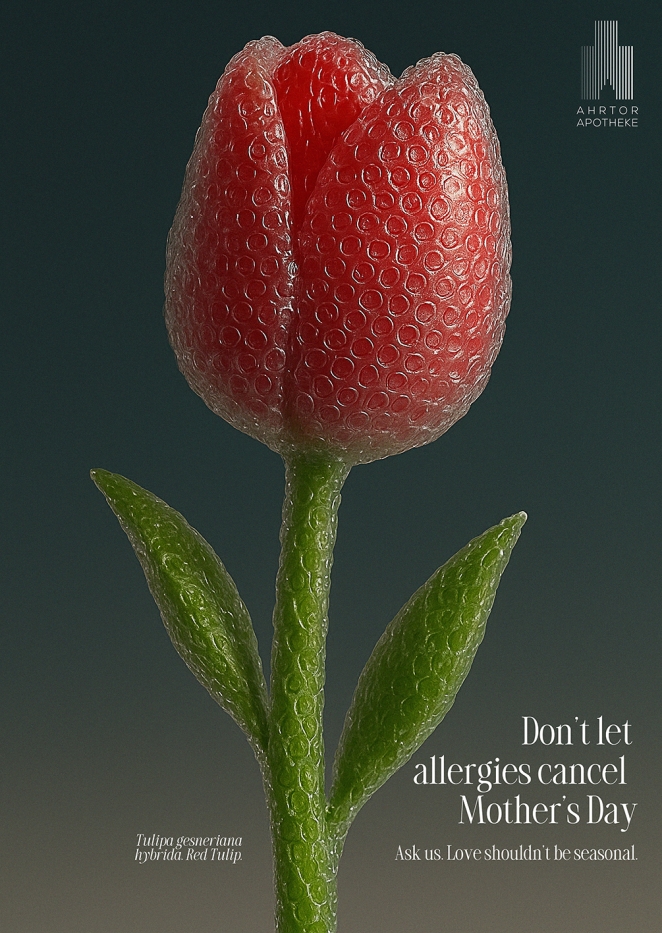 A few years ago I worked with a copywriter teammate on a project for easyJet called “My First Flight.” We surprised kids who had never had the chance to fly with their very first flight experience. Seeing their reaction, that moment when the plane takes off and they realise what’s happening, is something you don’t forget. It still gives me a little spark in the eye when I think about it.
As someone with experience in the industry, what trends do you foresee shaping the future of creativity?
I believe the film and music industries will change dramatically. Creating cinematic worlds, characters and scenes will become faster and far more accessible. Smaller teams, even individual creators, will be able to produce work that once required huge budgets and large crews. The barrier to entry will drop significantly. But because of that, storytelling will matter more than ever. Tools will be everywhere. What will make the difference is still the idea behind them.
What do you think sets apart truly exceptional creatives from the rest of the pack?
Great creatives are usually great observers, they pay attention to people, culture, behaviour, small details most others ignore. The difference is the talent to translate this sensitivity to an idea. to capture that moment and turn it into something simple, human and meaningful.
How do you think technology has influenced the creative industries and how have you adapted to these changes?
 Technology has accelerated everything. When I started, there was no internet in the advertising agency. Image libraries like Image Bank or Getty were just beginning to distribute their photo collections on CDs. Then the internet arrived and changed the entire game.
Today AI is creating another shift. The speed of prototyping, visualisation and production is dramatically faster. I embraced these tools early because they allow creatives to test ideas quickly and explore visual directions that once took weeks and I'm loving it.
But the principle hasn’t changed. The idea still comes first. Visualisation comes after. Creativity is not a collection of image prompts we scroll through on LinkedIn. It’s the thinking behind them.
What is the one thing that you would change about the industry?
More focus on long-term creativity rather than short-term outputs. Great ideas need time, experimentation and trust. When the industry gives creatives space to explore, the work becomes much more meaningful. It’s difficult to keep it because in the end of the day clients need results and engagement
Any websites, books or resources you would recommend?
- Branding: In Five and a Half Steps by Michael Johnson
- Disruption: Overturning Conventions and Shaking Up the Marketplace, Jean Marie Dru
- Mindsparklemag.com
- abduzeedo.com
- Creativeboom.com
- Creative Review Magazine
- Ads of the World