
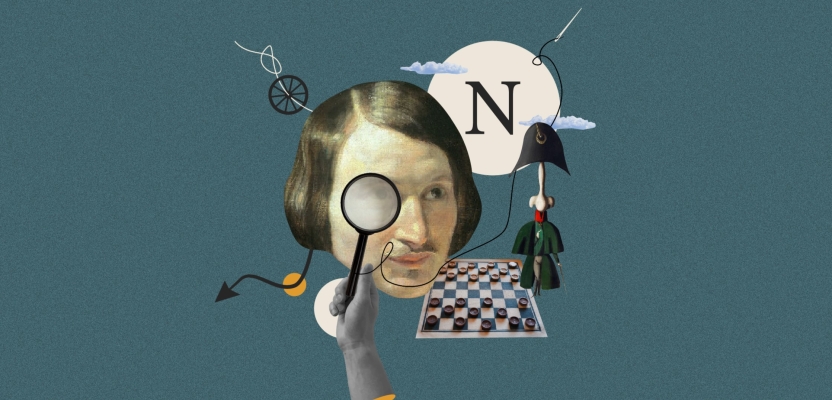

In 2020, Natalia Titova made a life-changing decision: she left behind a traditional office career to pursue her passion for digital art. What started as a moment of reflection during the pandemic became a full transformation. Today, Natalia is a freelance digital artist based in Belgrade, Serbia, known for her minimalist illustrations and collages. Her work distils complex emotions into simple forms, focusing on clarity and connection.
In this Member Spotlight, Natalia shares the story behind her bold career shift, the creative process that defines her art, and the values that keep her inspired.
How did you first get into the industry?
It was the best of times, it was the worst of times…My career as a digital artist started relatively recently, in 2020, during the covid-19 pandemic. It was time to stop and think. Think about what you actually want to do, think about your own goals and aspirations. However, I decided to quit my (office-boring-kind-of-thing) career and start a new chapter. It was the best decision in my life, it changed everything. Nowadays I can’t imagine myself as anything but an artist.
Where are you based now and who do you work for?
I was born in Russia, but I am currently based in Belgrade, Serbia. I am a freelance digital artist, I create digital illustrations and collages. I prefer to work as a freelance artist as it gives me a huge amount of freedom, and I think it could be a pivotal entity for an artist.
What is your personal background and what role did it play in your career?
Since I was a little girl, I liked to draw, and coloring books were my favorite presents. I always used to have a problem running out of my markers and, however, for my birthday, I usually got a new bunch of markers and pencils from my parents. So it was inevitable not to start going to an art school. As far as I am sure to be a good artist it’s not necessary to attend a special school or have an education degree in this area I do think that it can be very useful to improve your own style and find out how many opportunities you may have as an artist.
If you weren’t in your current industry, what would you be doing?
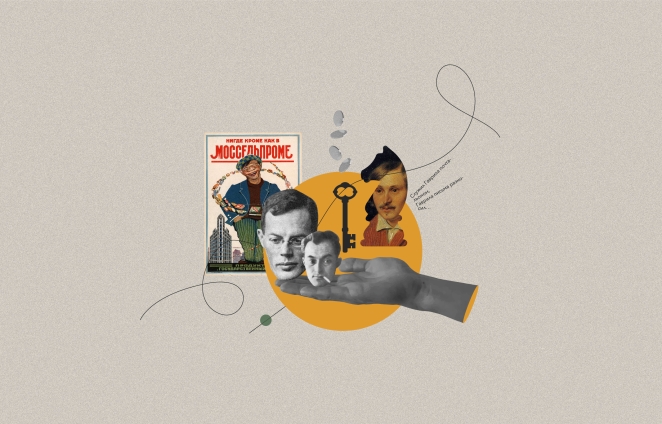
In high school I loved photography, and several years I carried my old Olympus with me all the time. So I am sure in parallel universe I could be a photographer. Because of my love for this industry I like to use old photos in my collages. I think it is a great combination and inspiration for me.
Can you explain your creative process? What makes it unique?
As a collagist a big part of my work is research. I think the artist who create in that area can truly agree that we seek the ‘right’ pieces everywhere. You need to find a perfect piece as you imagined it in your head so sometimes it takes time.
How would you describe your style?
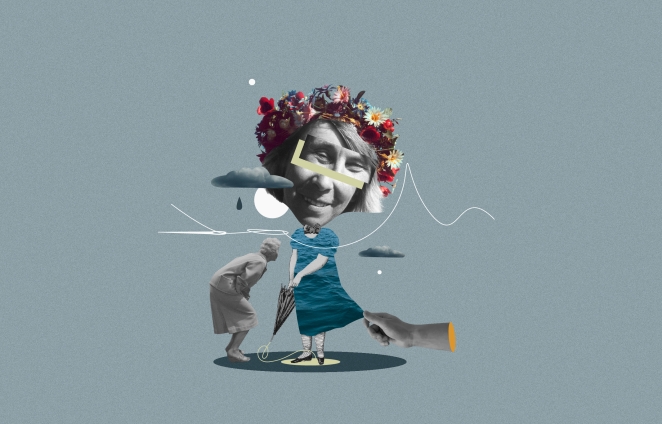
It is an easy question for me. Minimalism is a key part of my style, as it helps me focus on the essence of the message by removing distractions. Through simple use of space, shape, and color, I try to create specific emotions and invite viewers to connect deeply with the work.
Which individuals do you gain inspiration from? Do you have any heroes in the industry?
I won’t tell any specific names, as I think there are so many talented artists all over the Globe nowadays. Sometimes, I like to browse different portfolios and enjoy looking at the works of different artists. But at the same time I prefer not to do it very often as I don’t want to lose my own vision and to repeat something that I saw before, subconsciously, of course.
What kind of tools/kit/software could you not do without?
I need Adobe Illustrator and Adobe Photoshop all the time, so they are my main instruments, as I am a digital artist. And a coffeemaker is a necessity, beyond the discussion, of course.
What’s your secret to staying inspired and motivated?
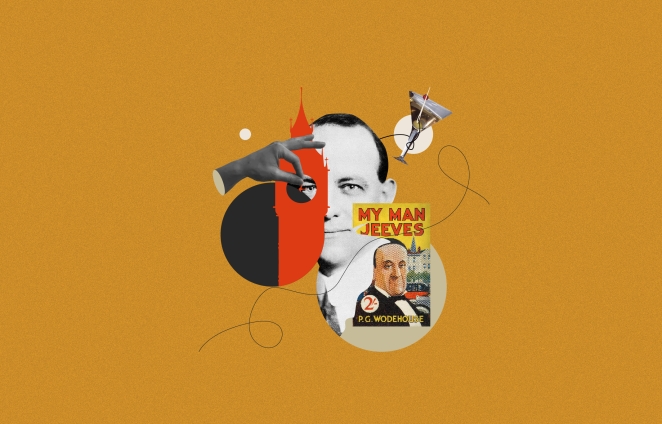
I think we can get an inspiration from so many sources. Books are a huge source of inspiration for me. The big part of my art is related to literature, so when I feel that my digital ‘canvas’ is blank I just need to open a book for an hour or so and after that I feel updated. And as I was saying before, looking at someone's art can be really helpful. These days, social media are a huge help.
What’s the work achievement you’re most proud of?
Last year, I created illustrations for an international NGO, with offices in Nairobi and London. The company helps women from different countries fight against FGM/C. I think in this kind of work you can feel that what you do can be very, truly important and helpful.
What do you think sets apart truly exceptional creatives from the rest of the pack?
I think the best creatives are always in search of excellence and improvement in the quality of their work. They never stop improving their skills, they are workaholics in a good way. I am sure that even if you are already the one of the best in your industry you can always try to be better version of yourself.
How do you think technology has influenced the creative industries and how have you adapted to these changes?
I think there is no artist/designer who doesn’t worry about the AI technology in creative area today. It’s bothering me as well. I think we started to use it too much today, too much. Really. I don’t use AI in my work, but I use it in different areas of my life, sometimes it can be very helpful, but I hope that we won’t be so reliant on it. I hope that the creative society stands for the true and original talent.
What is the one thing that you would change about the industry?
I’d make it more open for young creatives.