

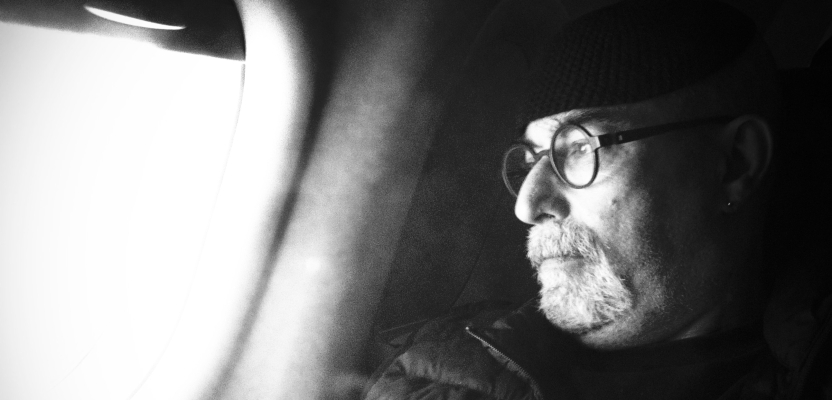

In our latest interview celebrating the winners of our 2024 Creativepool Annual Awards, we’re focusing on the work of self-proclaimed “idea guy” Marc Asnin and his daring, striking work regarding the realities of capital punishment in the US.
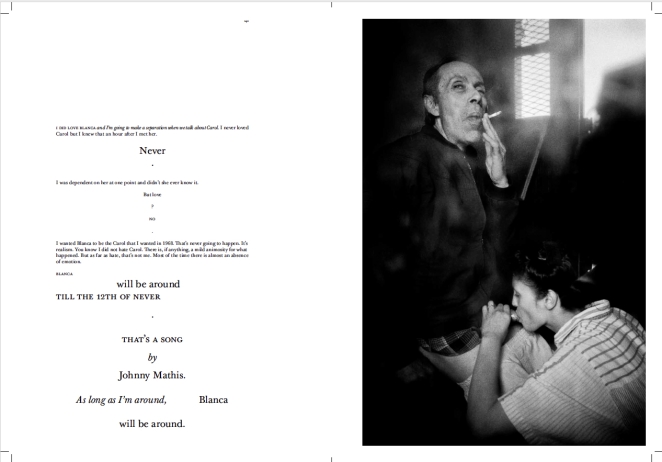
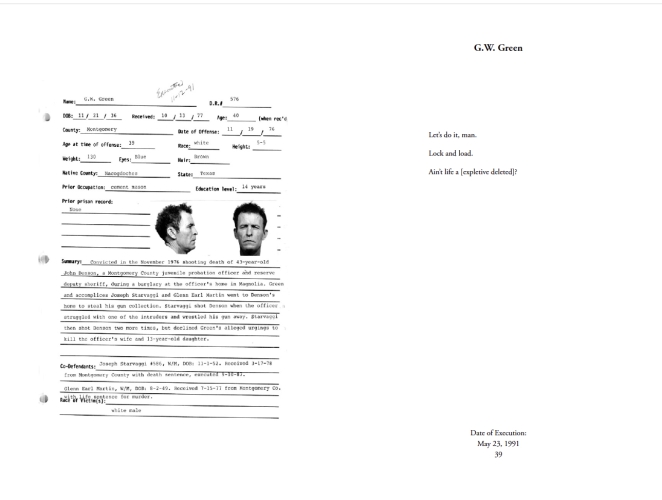
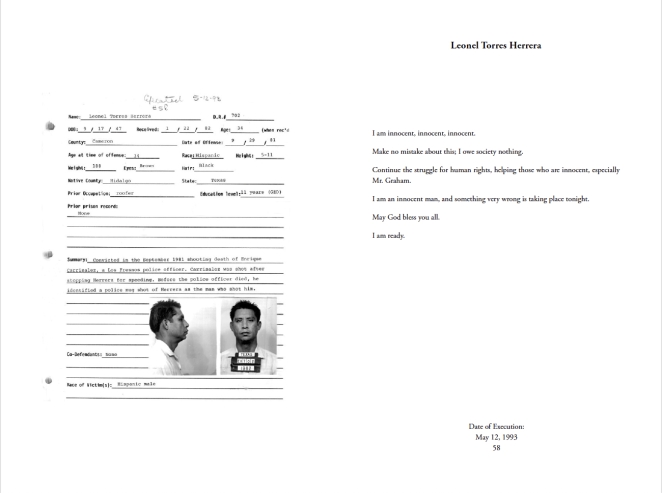
Final Words aims to show that the 578 prisoners executed in Texas no matter if they are guilty or innocent, they are people with rights, deserving of dignity. It the juxtaposition of the prisoner’s mug shot & court record and their final words, spoken in the death chamber that produces a testament to the prisoners’ humanity.
It makes a powerful contribution to the critical discourse we, must engage in. It calls on our deepest conscience to work for social change. Remaining silent in the face of injustice is to choose darkness for all.
The work rightly walked away with a Gold award in Publishing and we couldn’t pass up an opportunity to ask Marc a little more about what inspired it and how the Annual helped open up some important doors for him.
What inspired your award-winning project, and how did you approach it differently from past work?
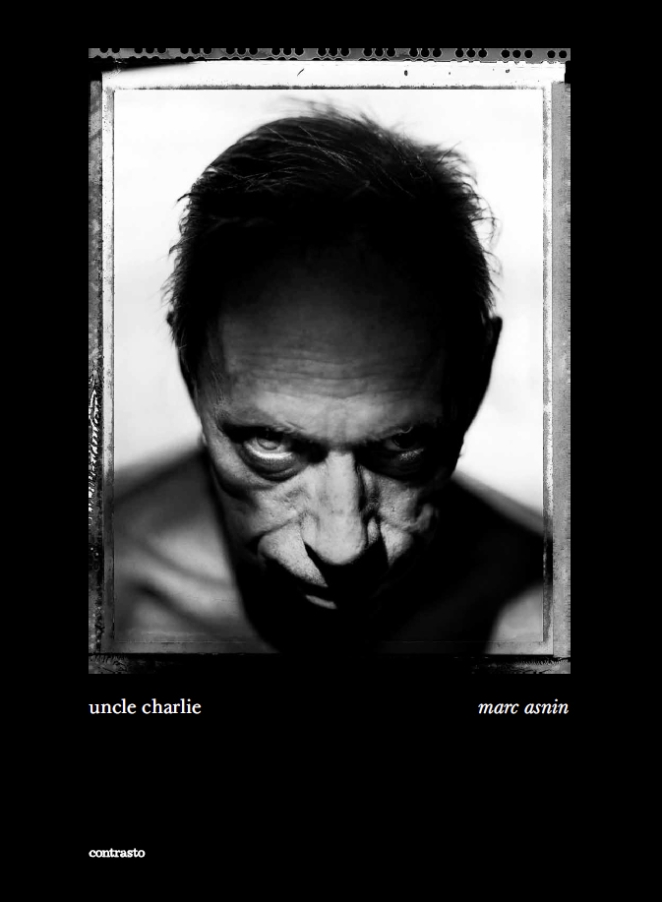
Final Words marked a departure from my previous work in that it wasn’t primarily a photography-driven project. In the past, such as with my book Uncle Charlie, the focus was on the images themselves, with language in the book meant to complement and deepen the impact of the photographs. Uncle Charlie was a collaboration where my photographs of my uncle were paired with his words. This project was not only about capturing his image but also about sharing his thoughts and experiences.
The book's design, handled by De.Mo Design, was minimalist, particularly in terms of typography, and we were careful not to overpower the content with unnecessary embellishment. I had input on certain aspects of the design, including typography, but I wasn’t the lead in the design process. My agreement to use my uncle’s words in the book was a pivotal moment, allowing me to show his perspective and build a deeper connection between image and language.
With Final Words, the approach was fundamentally different. Rather than using images as the primary focus, the heart of this project is the language—the final words of executed prisoners. This shift in focus was inspired by my time photographing death row prisoners, many of whom struggled with profound mental health challenges, and by reading these final statements.
As I read, I was struck by the humanity and dignity in their words, often expressed in the most harrowing moments of their lives. I came to understand that, who better than those silenced by the state could rebut the dehumanizing narrative that underpins the death penalty?
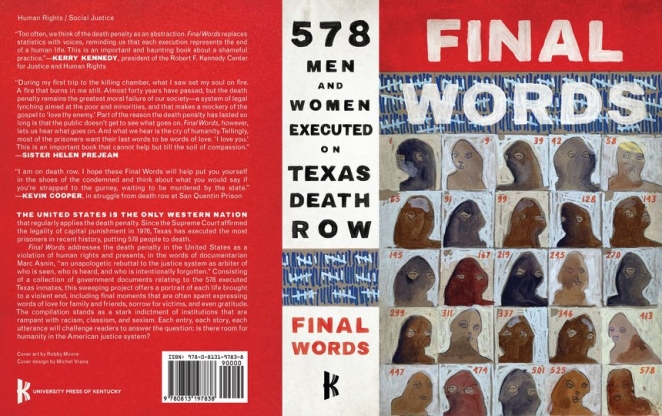
This realization shaped the book into not just a collection of words but a profound act of reclamation. It was about prisoners reclaiming and reshaping their final words, taking them back from the original context in which they were spoken—a system deeply intertwined with the traditions of white Christianity and its intersections with white supremacy. I saw the book as a way to challenge these narratives while amplifying voices that the state intended to silence forever.
The design process mirrored this intention. I worked closely with the editorial and creative team at the University Press of Kentucky (UPK) to build a concept where the final words could stand on their own. The design intentionally avoided distracting elements, focusing instead on the stark juxtaposition of the prisoners' final words with the official documents surrounding their executions. Larger typography gave their words the prominence they deserved, ensuring their humanity was undeniable.
This project has allowed me to engage with conversations about capital punishment, justice, and human dignity in a way that my previous work had not. The collaboration with UPK and their creative team was essential in bringing this vision to life. Together, we honored the voices in this book, ensuring their impact extended far beyond the page. I'm proud of what Final Words represents and the new direction it has brought to my creative practice.
How does winning a Creativepool Annual Award impact your career or your company?
Winning a Creativepool Annual Award has had a significant impact on my career by amplifying the visibility of Final Words and its purpose. The award not only validates the creative vision behind the project but also underscores the importance of addressing social justice issues through art and design. It demonstrates that the Creativepool community recognizes the intersection of creativity and advocacy, helping to spark vital conversations about the death penalty and the humanity of those often silenced by society.
This recognition has opened doors for me to collaborate on similar projects that bridge art with pressing social issues. It has also given the project and its themes—justice, redemption, and reclamation—a broader platform, ensuring these critical voices are heard. Additionally, the award energizes the team involved in Final Words, reinforcing the value of our collective efforts to produce work that challenges norms and inspires reflection.
Finally, winning this award is a testament to the importance of collaboration and dedication, encouraging others in the industry to pursue meaningful projects that can influence thought, provoke change, and leave a lasting impact. It motivates me to continue pushing boundaries and engaging with subjects that matter deeply to our shared humanity.
What role did collaboration play in your award-winning project?
Collaboration was essential to the success of Final Words. From the outset, it was clear that this project needed to be a collective effort, where each person involved brought their unique expertise and vision to the table. The process was driven by mutual respect, with everyone leaving their egos at the door and working together toward a shared goal.
Ashley Runyon, as the editor-in-chief at the University Press of Kentucky (UPK), played a crucial role in fostering an environment where everyone’s voice was heard and respected. Her leadership was pivotal in guiding the project from concept to execution. She believed in the project’s potential and ensured that the editorial team and creative team at UPK were fully invested in bringing it to life.
The collaboration with the QCC Art Gallery was also incredibly important. With their commitment to showcasing art that speaks to social issues, particularly those related to justice, they helped bring a layer of depth and context to the project. Grace Duran, the project manager at the gallery, and the gallery's director, both played a key role in ensuring the project aligned with their mission and vision.
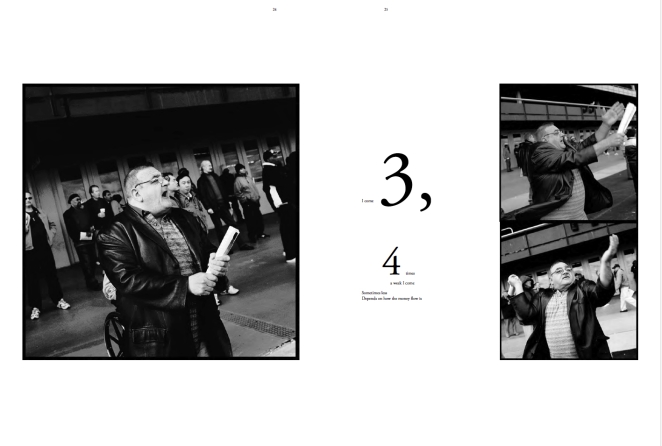
Frank Fournier, the book designer, was another vital collaborator. He skillfully balanced the diverse voices in the project while ensuring the design allowed the final words of the executed prisoners to take center stage. His understanding of the material and ability to work with a wide range of voices made the book what it is today.
Additionally, Mary Bese Beek, the book agent, played an essential role in securing the right partnership with UPK, which made the project possible. The final design and editorial process benefited immensely from the input of Julian Anderson, the writer and researcher who helped shape the narrative and ensured the project’s themes were fully realized.
Ultimately, collaboration allowed Final Words to become more than just a book; it became a powerful platform for elevating voices that are often silenced, and I’m incredibly grateful to everyone who worked alongside me to make it happen.
The Creativepool Awards often introduce new categories to stay relevant. How do you feel your work fits into or redefines emerging categories in the industry and do you have any ideas for categories we could potentially add next year?
A special category focused on books that explore social justice issues could be a powerful addition. Given the increasing importance of addressing systemic inequalities and human rights, a category dedicated to works that engage with these themes would highlight impactful projects that use art, photography, and storytelling to bring attention to crucial social issues.
Final Words, exemplifies the potential of such a category. The book highlights the final words of executed prisoners, sparking conversations around justice, capital punishment, and human dignity. A category like this would encourage more projects that delve into difficult, often marginalized topics, providing a platform for voices that are typically silenced.
Such a category would also celebrate works that don’t shy away from controversial or complex issues, using creative mediums to engage with audiences in thought-provoking and transformative ways. These books could encompass a range of topics, from racial justice and environmental activism to criminal justice reform and human rights, all framed within powerful narratives that challenge societal norms and inspire change.
Adding this category would not only recognize the work of artists and authors tackling critical social issues but also amplify the message that creativity and storytelling can be catalysts for social change.
What advice would you give to creatives aspiring to win a Creativepool Annual Award next year?
My advice would be to focus on creating work that is both meaningful and authentic. Don’t shy away from tackling difficult or controversial topics—sometimes the most impactful projects come from a place of deep personal conviction and a desire to make a difference.
Whether you’re addressing social justice issues, exploring untold stories, or pushing boundaries in your chosen medium, the key is to ensure your work resonates with a wider audience and provokes thought or conversation.
Also, collaboration is key. While the creative vision often starts with one person, the final product is rarely the result of a single individual. Embrace the collaborative process, work closely with your team, and be open to new ideas and constructive criticism.
As I experienced with Final Words, the success of the project was due to the combined effort of many individuals who each brought their expertise to the table. Collaboration often brings out the best in a project, allowing it to evolve and become something more powerful than originally imagined.
Finally, don't be afraid to take risks. The projects that tend to stand out are the ones that are unique, unexpected, and daring in their approach. It’s important to push your creative boundaries and break away from conventions. Award-winning work often comes from those who dare to challenge norms and experiment with new ideas.
What were some of the key challenges you faced during the creation of your award-winning project, and how did you overcome them?
One of the primary challenges in creating Final Words was shifting my approach from a photography-driven project to one that centered around language. I’ve always been known for my photography, so letting go of the visual element as the primary focus was a significant change.
It was difficult to relinquish control over the visual narrative and instead place the emphasis on the final words of executed prisoners. These words were the heart of the project, and the challenge was ensuring that the design and structure of the book allowed them to stand alone without overshadowing or distracting from their impact.
Another challenge was managing the sensitive and often emotional nature of the content. The final words of prisoners are deeply personal and, in many cases, heart-wrenching.
Creating a space where these voices could be heard while maintaining respect and dignity was a delicate balancing act. I had to carefully consider how to present these words in a way that honored their gravity, without exploiting them for shock value or sensationalism.
Collaboration also presented some challenges, especially since this project was much more hands-on than my past work. I had to navigate differing creative visions and ensure that the editorial and design teams understood the importance of staying true to the project's purpose.
However, this challenge ultimately became an asset. Working with the talented team at the University Press of Kentucky allowed me to refine the project, and their insights and feedback were invaluable. The process required a great deal of trust and openness, and we worked together to ensure that the final product would be something meaningful and impactful.
Finally, one of the challenges was ensuring that the project could reach a wider audience and spark important conversations about justice and human dignity. We had to be strategic in our outreach and promotional efforts to ensure that the message was not lost in the noise of other media. This required working closely with the team at UPK and collaborating with various institutions to create opportunities for the project to be seen and discussed.
Ultimately, these challenges pushed me to evolve as a creator, and the process made the project stronger. It taught me the importance of collaboration, the value of taking risks, and the need to remain committed to a vision, even when the path is not always clear.
What unique tools or technologies did you use in the development of your award-winning entry?
For Final Words, the design process was meticulous, especially in ensuring that the criminal records and mugshots didn’t distract from the central focus—the final words of the executed prisoners. Frank Fournier, the designer, spent painstaking hours processing these documents to ensure the highest level of quality. The majority of the criminal records were original, typewritten documents, and the mugshots were black-and-white photographs.
Fournier worked on these now digitized files, carefully reviewing each one to enhance the clarity and legibility without overpowering the final words themselves. It was crucial that these elements, while necessary to the context, served only to support the narrative rather than detract from it.
Every document and image was processed with precision, ensuring that the raw, historical content remained faithful to its original form but was optimized for the book’s design. This attention to detail was essential for maintaining the dignity and gravity of the project, making sure that the documents were in the background, providing context without competing with the focus on the final words.
The result was a careful balance of visual storytelling, where the textual content took center stage, and the historical records were processed to complement the narrative in a way that felt respectful and cohesive.
What role do you think awards like the Annual play in motivating creativity and innovation within the industry?
Awards like the Creativepool Annual play a significant role in motivating creativity and innovation within the industry, almost like a guiding mentor or a coach. They provide validation and recognition, helping to reinforce belief in your project and your abilities.
In the case of Final Words, winning such an award acted as a catalyst, pushing me and my team to continue pursuing our vision and bringing the book to life. It gave us the confidence to push forward, even when faced with challenges, and to refine the project until it reached its full potential.
Beyond recognition, awards like these create a sense of achievement that fuels further creativity. They offer a benchmark, a "finish line" that encourages you to keep working, to elevate your ideas, and to bring them to fruition with greater dedication. It's not just about winning, but about the belief that the work is worthy of attention, and that can inspire you to take even greater risks in future projects.
In essence, awards serve as a reminder that what you’re doing matters, that your voice is being heard, and that your work can make a difference. They offer both motivation and validation, encouraging further innovation and creativity within the industry.
What are your top tips for aspiring creative professionals?
No matter how long it takes or how many obstacles you face, believe in your vision. The journey may be challenging, but perseverance is key. Don’t let self-doubt or inner critics hold you back. Every creative professional faces moments of uncertainty, but those who keep pushing forward, even when it feels difficult, are the ones who see their ideas come to life.
Stay true to your path, trust your instincts, and remember that success often comes from refusing to give in to those inner voices that try to tell you to quit. How do you stay inspired and continue producing innovative work in such a competitive industry?
How important is sustainability and social responsibility in your creative work, especially in the context of winning a Creativepool award?
Truly exceptional creatives have the ability to touch people’s lives in meaningful ways. It’s not just about making something visually striking or conceptually clever—it’s about creating work that resonates deeply with people, that makes them think, feel, or see the world differently. These creatives leave a lasting impact, and the work continues to live with the audience long after they’ve encountered it.
What sets them apart is their ability to take their own unique experiences, perspectives, and talents, and translate them into something that connects with others on a human level. They don’t just create for the sake of creation; they create to communicate, to provoke thought, and to make people reflect on the world around them.
Additionally, exceptional creatives are fearless in their pursuit of ideas that might challenge norms, ask difficult questions, or highlight uncomfortable truths. They aren’t afraid to push boundaries, and they remain committed to their vision, even when faced with resistance. Their work often carries a deep sense of purpose, and this purpose fuels their creativity in ways that set them apart from others.
What do you think sets apart truly exceptional creatives apart?
Truly exceptional creatives are those who have the ability to take the people who have touched their lives—whether emotionally, intellectually, or through other significant interactions—and transform those experiences into their creative process.
These people can be mentors, artists, lovers, or those who have simply been a part of their journey. The creative then takes those interactions, those moments of connection, and uses them to fuel their work.
What sets exceptional creatives apart is how they take these life experiences and the emotions attached to them, and use them to inform their creations. It's about weaving the essence of those meaningful interactions into their art, allowing them to convey something authentic, human, and deeply felt.
These creatives don’t just draw from their own experiences; they absorb and translate the emotional touchpoints from others into their creative output, making it not only a personal reflection but also a shared experience for those who engage with their work.
What has been the reaction from your team or colleagues to winning the Creativepool Annual Award?
The reaction from the team and colleagues has been one of immense pride and joy. We are all thrilled that Final Words has been recognized, as it’s not just a book but a powerful statement that brings the voices of those who have been silenced to the forefront. It’s a reminder that their stories are being heard and that the work we put into creating this project is resonating with others.
For us, it’s not just about the award itself, but about knowing that we’ve succeeded in amplifying the voices of individuals whose words often go unnoticed. The recognition feels like a validation of the purpose behind the project, and it motivates us to continue exploring and addressing important social issues through creative work.
What does the Creativepool community mean to you, and how has being part of it influenced your work?
The Creativepool community means a great deal to me—it’s a space where the intersection of the arts and social justice is truly understood and appreciated. Being part of this community has been incredibly inspiring, as it brings together creatives who are not only skilled in their craft but also deeply committed to making a difference through their work.
It reinforces the idea that art can be a powerful vehicle for social change, and that creative professionals have a unique opportunity to challenge norms and provoke meaningful conversations.
Being involved in Creativepool has influenced my work by reminding me of the larger impact that creativity can have on society. It’s a constant source of motivation to keep pushing boundaries and exploring ways to connect art and activism. The community’s support and recognition validate the direction I’ve chosen, encouraging me to continue tackling important social issues through my creative projects.